Deandra Grant Published in Counterpoint: The Journal of Science & the Law
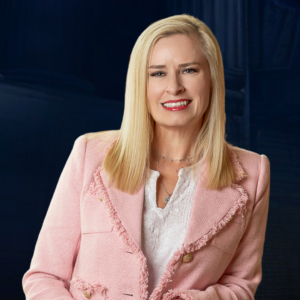
Deandra Grant, Managing Partner of Deandra Grant Law, has authored a two-part series on retrograde extrapolation published in Counterpoint: The Journal of Science & the Law. Counterpoint is an internationally indexed scientific journal (ISSN 2369-2774) covering the intersection of forensic science and criminal law, and is read by DUI defense attorneys, forensic scientists, and legal practitioners across the United States and Canada.

The two-part series covers one of the most contested areas of DWI prosecution science: the retrograde extrapolation calculation, in which the State attempts to estimate what a defendant’s blood alcohol concentration was at the time of driving based on a test result taken hours later.
Part 1 — An Introduction to Retrograde Extrapolation (Volume 6, Issue 2) introduces the concept of retrograde extrapolation, explains the pharmacokinetic principles underlying the calculation, and examines why the science is considered unreliable by leading authorities in the field when applied without sufficient data.
Part 2 — The Retrograde Extrapolation Calculation (Volume 6, Issue 3) covers the Widmark equation and its historical limitations, the minimum data a State’s expert must have to perform a valid calculation, the admissibility framework established by the Texas Court of Criminal Appeals in Mata v. State, tactical considerations for when retrograde evidence helps (or hurts) the defense, and a sample cross-examination designed to expose the assumptions and errors in a State expert’s methodology.
The series also appears as part of the Foundational Skills curriculum in the journal’s DUI Mastery Series, which is used for continuing education by DUI defense attorneys nationwide.
Read Part 1 | Read Part 2 (subscriber access required)
Which county your case is filed in changes how it is charged, who prosecutes it, and which court hears it.
Deandra M. Grant, JD, GC, MS, ACS-CHAL Forensic Lawyer-Scientist
She holds a Master of Science in Pharmaceutical Science and a Graduate Certificate in Forensic Toxicology, both from the University of Florida. She is the author of The Texas DWI Manual and has defended Texas DWI cases since 1994.
Charged With a Crime?
Whatever you're facing, a DWI or any criminal charge, the sooner you have a forensic-trained team on it the more we can do. Tell us what happened and we'll review your options, at no cost and no obligation. Intake answers 24/7, and if your case is one we can take on, we schedule a free consultation with an attorney.
Request a Free Case Evaluation
Tell us what happened. We'll respond as soon as possible.