
What Are Your Rights During a Federal Grand Jury Investigation?

The federal grand jury is one of the most powerful investigative tools in the American legal system. It operates in secret, compels testimony and document production through subpoenas backed by the court’s contempt power, and has broad authority to investigate virtually any federal criminal matter. If you have received a grand jury subpoena or learned through other means that you are the subject or target of a grand jury investigation, understanding your rights is essential to protecting yourself.
At Deandra Grant Law, Attorney James Lee Bright has represented clients in federal grand jury matters throughout his 25+ year career. Lee understands the procedural framework, the strategic considerations, and the rights that protect individuals during the grand jury process.
What the Grand Jury Is and How It Works
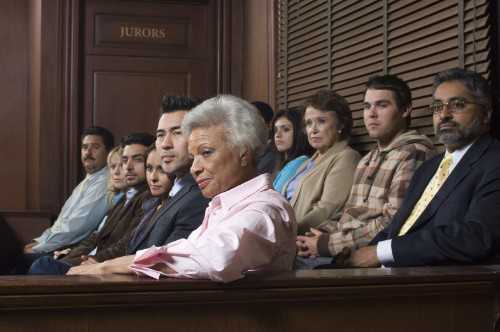
A federal grand jury consists of 16 to 23 citizens who serve for a term of up to 18 months (extendable to 24 months). The grand jury’s role is to determine whether probable cause exists to charge a person with a federal crime. If the grand jury finds probable cause, it returns an indictment (also called a “true bill”). If it does not, it returns a “no bill,” and no charges are filed.
Grand jury proceedings are conducted in secret. Only the prosecutors, the witness currently testifying, a court reporter, and the grand jurors are present. There is no judge in the room during testimony. The defense attorney is not permitted inside the grand jury room which is a critical difference from trial proceedings.
Two Types of Grand Jury Subpoenas
Subpoena Ad Testificandum
This subpoena compels you to appear before the grand jury and testify. You must appear on the date specified, and failure to appear can result in a contempt finding and incarceration. However, appearing does not mean you must answer every question — your Fifth Amendment rights apply.
Subpoena Duces Tecum
This subpoena compels you to produce documents, records, or other tangible evidence. Businesses and individuals can be required to produce financial records, communications, electronic files, and other materials. The Fifth Amendment protections that apply to testimonial evidence are more limited for document production, but there are still important rights and objections available.
Your Rights Before the Grand Jury
The Fifth Amendment Right Against Self-Incrimination
You have the right to refuse to answer any question if your answer might incriminate you. This right applies to each individual question. You can answer some questions and invoke the Fifth Amendment on others, though this approach requires careful strategic judgment. If you invoke the Fifth Amendment, the government can seek a court order granting you immunity under 18 U.S.C. §§6002–6003. If you receive immunity, your testimony cannot be used against you directly but you must then testify, and false testimony is prosecutable as perjury.
The Right to Counsel — Outside the Room
You have the right to an attorney, but your attorney cannot be present inside the grand jury room. However, you have the right to leave the grand jury room to consult with your attorney after each question. This right is critical and should be exercised. Lee advises clients to step outside and consult before answering any substantive question. The few minutes of consultation can prevent statements that could be used against you later.
The Right to Be Informed of Your Status
If you are a target of the investigation, the U.S. Attorney’s Office is supposed to inform you of your target status before you testify. However, this is a policy requirement, not a constitutional right, and there is no remedy if the government fails to inform you. This is another reason why having an experienced attorney is essential. Lee can make inquiries to determine your status before you appear.
Strategic Considerations
- Should you testify? In most cases, targets should not testify before the grand jury. The risks of self-incrimination, perjury exposure, and providing the government with additional evidence almost always outweigh any potential benefit. Lee evaluates the strategic calculus in every case.
- Should you produce documents? Document production requires careful analysis. Privileged materials (attorney-client, work product) should be withheld. Documents that might incriminate you require analysis of whether the “act of production” doctrine provides Fifth Amendment protection.
- Should you negotiate with prosecutors? The grand jury investigation phase may present opportunities for pre-indictment resolution such as cooperation agreements, deferred prosecution, or negotiated charges. Lee evaluates whether these paths serve the client’s interests.
Contact Deandra Grant Law
If you are under investigation or have been charged with a federal offense, contact Deandra Grant Law for a free, confidential case review. If we can take your case, you will meet with Attorney James Lee Bright. Lee has more than 25 years of federal trial experience and is admitted to practice in all four federal districts in Texas, the District of Columbia, the Fifth Circuit Court of Appeals, and the United States Supreme Court.
Federal cases out of North Texas are prosecuted in the Northern District, and they move nothing like a state case.
Deandra M. Grant, JD, GC, MS, ACS-CHAL Forensic Lawyer-Scientist
She holds a Master of Science in Pharmaceutical Science and a Graduate Certificate in Forensic Toxicology, both from the University of Florida. She is the author of The Texas DWI Manual and has defended Texas DWI cases since 1994.
Under Federal Investigation or Charged?
In federal cases, the most important decisions often come before an indictment. The sooner you have a defense lawyer, the more can be done. Talk to us today.
Request a Free Case Evaluation
Tell us what happened. We'll respond as soon as possible.