
Texas DWI Manual 13th Edition Now Available for Legal Professionals and Defendants

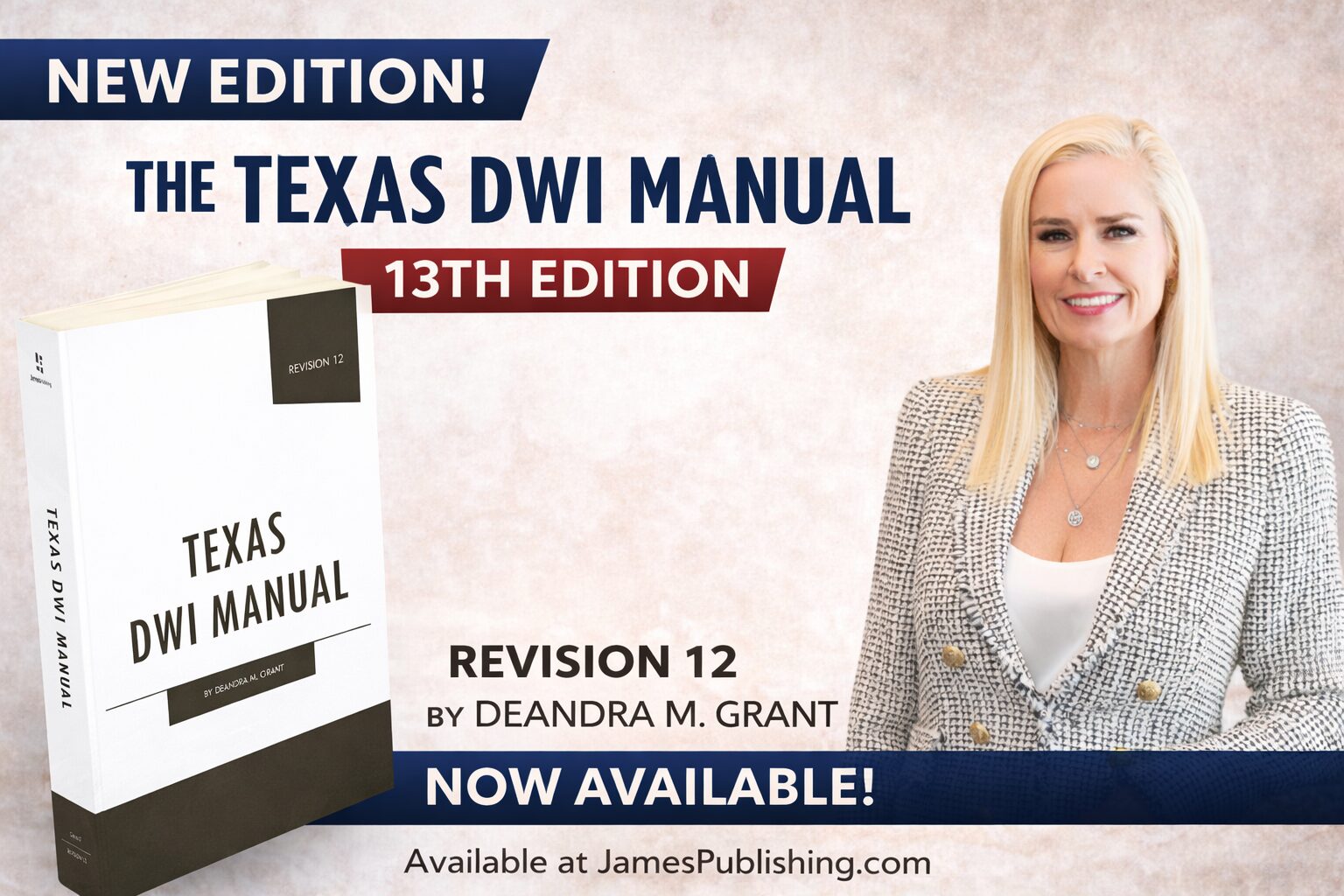
The Texas DWI Manual, 13th Edition, provides detailed insight into how DWI cases are investigated, prosecuted, and defended across Texas. This updated edition reflects current legal standards, forensic science developments, and courtroom strategies used in real cases. Legal professionals, students, and individuals facing charges can gain a clearer understanding of the DWI process. Access to this resource helps readers better evaluate evidence, procedures, and defense opportunities under Texas law.
What Is the Texas DWI Manual?
The Texas DWI Manual is a widely recognized legal resource focused on driving while intoxicated cases in Texas. It breaks down complex legal procedures into clear explanations that apply to real-world situations.
This 13th edition includes updates that reflect:
- Changes in Texas DWI laws
- Advances in forensic testing methods
- Courtroom strategies used in recent cases
- Common issues with breath and blood evidence
The manual serves as a guide for understanding how DWI cases move through the Texas legal system from arrest to resolution.
Why This Edition Matters
DWI law in Texas continues to evolve. Law enforcement techniques, testing procedures, and legal defenses change over time. A resource that reflects current standards can make a major difference in how a case is approached.
This edition focuses on:
- Field sobriety testing updates and how they are challenged
- Breath and blood testing procedures and potential flaws
- Search and seizure issues under Texas and federal law
- Administrative License Revocation (ALR) hearings
- Trial strategies used in Texas courts
For anyone dealing with a DWI charge, understanding these areas can impact decisions made early in a case.
Who Should Read the Texas DWI Manual?
This manual is not limited to attorneys. It is useful for several groups:
1. Individuals Facing DWI Charges
If you have been arrested for DWI in Texas, this manual helps you understand:
- What happens after an arrest
- How evidence is collected and used
- What defenses may apply to your case
2. Legal Professionals
Attorneys, paralegals, and law students can use the manual to:
- Strengthen case preparation
- Identify weaknesses in prosecution evidence
- Stay informed on current legal standards
3. Anyone Interested in Texas Criminal Law
The manual provides a clear view of how the Texas criminal justice system handles intoxication-related offenses.
Understanding the Texas DWI Process
A DWI case in Texas follows a structured path. The manual outlines each step in detail, helping readers understand what to expect.
Traffic Stop and Investigation
A case often begins with a traffic stop. Officers may look for signs such as:
- Swerving or erratic driving
- Delayed responses
- Odor of alcohol
Field sobriety tests may follow. These tests are not always reliable and can be challenged in court.
Arrest and Chemical Testing
After an arrest, officers may request a breath or blood sample. Texas law includes implied consent, meaning refusal can lead to license suspension.
The manual explains:
- How testing devices work
- Common errors in testing
- Legal challenges to results
Administrative License Revocation (ALR)
Separate from the criminal case, the ALR process determines whether a driver’s license will be suspended.
Key points include:
- Strict deadlines to request a hearing
- Evidence used by the state
- Opportunities to contest suspension
Criminal Court Proceedings
The case then moves through the court system. This may include:
- Arraignment
- Pre-trial motions
- Negotiations or trial
Each stage presents opportunities to challenge the case.
Common Defense Strategies Explained
The Texas DWI Manual outlines defense approaches used in real cases. These strategies depend on the facts but often focus on:
Challenging the Traffic Stop
If the stop was not legally justified, evidence may be excluded.
Questioning Field Sobriety Tests
These tests can be affected by:
- Medical conditions
- Weather or road conditions
- Officer instruction errors
Disputing Chemical Test Results
Breath and blood tests are not always accurate. Issues may include:
- Improper calibration
- Contamination
- Chain of custody errors
Reviewing Officer Conduct
Police procedures must follow strict guidelines. Deviations can weaken the case.
For those seeking more detailed legal help, working with a Texas DWI defense attorney can provide case-specific strategies.
Real-World Application of the Manual
Legal knowledge becomes valuable when applied to real situations. Consider a scenario:
A driver is stopped late at night and performs field sobriety tests on uneven pavement. The officer arrests the driver based on perceived signs of intoxication. A later blood test shows a borderline result.
Using the principles in the manual, a defense may focus on:
- Environmental factors affecting test performance
- Proper administration of tests
- Accuracy and handling of the blood sample
Cases like this show how detailed knowledge can influence outcomes.
Why Education Matters in a DWI Case
DWI charges carry serious consequences in Texas, including:
- License suspension
- Fines and court costs
- Possible jail time
- Long-term impact on employment and background checks
Understanding the process allows individuals to make informed decisions. It also helps them recognize when evidence or procedures may be flawed.
Resources like this manual support that understanding.
Where to Get the Texas DWI Manual
The Texas DWI Manual, 13th Edition is now available online.
You can access it directly through:
JamesPublishing.com
Purchasing from the official source ensures you receive the most current and complete version.
How Legal Guidance Complements This Resource
While the manual provides valuable information, it is not a substitute for legal representation. Each DWI case is unique and requires a tailored approach.
A Texas criminal defense lawyer can:
- Analyze the facts of your case
- Identify strong defense strategies
- Represent you in court and hearings
Combining professional legal help with a strong understanding of the law can improve your position.
Speak With a Trusted Texas DWI and Criminal Defense Attorney Today
If you are facing a DWI charge, taking action early can make a difference. Deandra Grant Law has extensive experience defending clients across Texas and handling complex DWI cases. The firm focuses on protecting your rights, challenging evidence, and guiding you through every step of the legal process.
Contact Deandra Grant Law today to schedule a confidential consultation and learn how your case can be strategically defended.
Which county your case is filed in changes how it is charged, who prosecutes it, and which court hears it.
Deandra M. Grant, JD, GC, MS, ACS-CHAL Forensic Lawyer-Scientist
She holds a Master of Science in Pharmaceutical Science and a Graduate Certificate in Forensic Toxicology, both from the University of Florida. She is the author of The Texas DWI Manual and has defended Texas DWI cases since 1994.
Charged With a Crime?
Whatever you're facing, a DWI or any criminal charge, the sooner you have a forensic-trained team on it the more we can do. Tell us what happened and we'll review your options, at no cost and no obligation. Intake answers 24/7, and if your case is one we can take on, we schedule a free consultation with an attorney.
Request a Free Case Evaluation
Tell us what happened. We'll respond as soon as possible.