
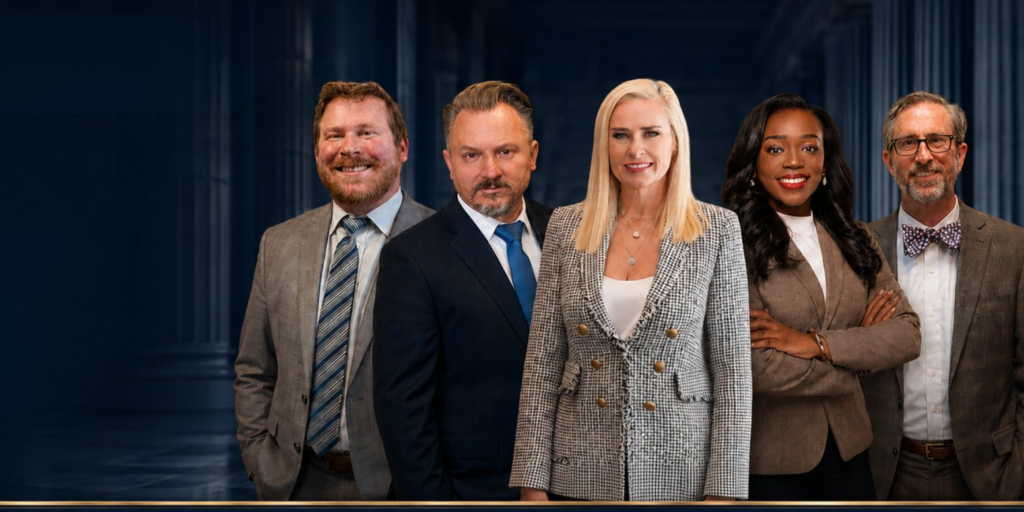
Deandra Grant Law is a Texas DWI, criminal, and federal defense firm. For more than 30 years we have defended clients across North and Central Texas, with over 500 cases tried to verdict. Our practice is deliberately limited to DWI and serious criminal defense, because the forensic depth and courtroom experience these cases demand cannot be developed by a firm that takes every case that walks in the door.
What Sets Us Apart
Every criminal defense firm in Texas will tell you it offers personalized attention, protects your rights, and fights hard for you. That is not a differentiator. The question worth asking is more specific: what does this firm know that other firms do not, and what can its attorneys do in your case that a generalist cannot? Here is the honest answer.
Forensic Lawyer-Scientists on Staff
Managing Partner Deandra M. Grant and Partner Douglas E. Huff both hold the ACS-CHAL Forensic Lawyer-Scientist designation from the American Chemical Society, a credential only a handful of Texas attorneys carry. It is not honorary. It requires demonstrated competency in the forensic chemistry behind the State’s evidence: gas chromatography, mass spectrometry, blood alcohol pharmacokinetics, toxicology, and the laboratory standards that govern how that evidence is produced. In practice, it means that when we review a blood alcohol result we read the raw laboratory data (the chromatogram, the calibration curve, the internal standard performance, the quality control records), not the summary report handed to most defense attorneys. A chemistry-level challenge is something a prosecutor cannot simply deflect.
Graduate-Level Science Training
Deandra Grant holds a Master’s Degree in Pharmaceutical Science and a Graduate Certificate in Forensic Toxicology: graduate coursework in pharmacokinetics, analytical chemistry, and toxicology, not weekend continuing-education certificates. That training applies directly to the cases clients bring us. It lets the firm challenge retrograde extrapolation at the pharmacokinetic level in a DWI case, evaluate a laboratory’s identification and quantification of a controlled substance at the chemistry level in a drug case, and separate the mere presence of a drug from actual impairment in a DUID case.
A Trained SFST Instructor
Deandra Grant is a trained Standardized Field Sobriety Test instructor who administers and grades the ACS-CHAL Forensic Lawyer-Scientist and DUIDLA board certification examinations. When she cross-examines an officer about field sobriety testing, she does so as someone who trains and grades other practitioners on the same tests, down to the NHTSA stimulus speed, the four-second hold requirement, and the specific protocol deviations that undermine a result. That cross-examination goes to the science, not merely whether the officer was certified.
Federal Criminal Defense Capability
Of Counsel James Lee Bright brings more than 25 years of federal criminal trial experience and is admitted to practice in all four Texas federal districts (the Northern, Eastern, Southern, and Western), as well as the District of Columbia, the Fifth Circuit Court of Appeals, and the United States Supreme Court. Federal practice is a fundamentally different world from state court: the U.S. Sentencing Guidelines, mandatory minimums, the grand jury process, and the cooperation dynamics that drive federal resolutions all demand specific federal experience. Having that capability in-house, from pre-indictment strategy through trial and appeal, is something most North Texas firms cannot offer.
Digital Forensics
Partner Douglas E. Huff completed advanced digital forensics training, covering cell phone data extraction, call detail records, IP attribution, metadata analysis, and the authentication requirements for digital evidence. Text messages, social media records, location data, and financial transactions are the evidentiary backbone of most fraud, theft, sex offense, and trafficking cases. We evaluate that evidence at the technical level rather than accepting the prosecution’s characterization of it.
17 Published Law Books
Deandra Grant has authored 17 published law books, including The Texas DWI Manual, the definitive practitioner reference for DWI defense in Texas, along with A First Offender’s Guide to Texas Criminal Courts, Assault Charges in Texas, and Arrested for Drugs in Texas. Publishing authoritatively for an audience of other legal professionals is one of the clearest signals that a firm’s knowledge in a practice area is genuine rather than general.
Around-the-Clock Availability
An arrest does not wait for business hours, and neither does the 15-day deadline to request an ALR hearing. Our intake is answered 24/7, every day of the year. Call at midnight, or over a holiday weekend, and you will get a response, not a voicemail.
Our Practice
Deandra Grant Law limits its practice to DWI, criminal, and federal defense. That focus is deliberate. An attorney who handles every type of case cannot develop the depth of forensic science knowledge, courtroom experience, and legal specialization that DWI and serious criminal defense demand. Every attorney here is here because they chose this work, not because it was assigned to them.
Every case begins with the same question: what does the State’s evidence actually show, and how was it obtained? For a DWI case, that means an independent review of the breath or blood test result, the SFST administration, the stop, and the arrest. For a drug case, it means an independent review of the laboratory methodology, the weight determination, and the chain of custody. For a violent crime case, it means a rigorous examination of the evidence, the complaining witness’s credibility, and the lawfulness of the search and seizure.
Credentials at a Glance
- ACS-CHAL Forensic Lawyer-Scientist (Deandra Grant and Douglas Huff)
- Master’s Degree in Pharmaceutical Science (Deandra Grant)
- Graduate Certificate in Forensic Toxicology (Deandra Grant)
- Trained SFST Instructor (Deandra Grant)
- Advanced Digital Forensics Training (Douglas Huff)
- 25+ years of federal trial experience and 7 federal court admissions (James Lee Bright)
- Texas Super Lawyer since 2011 (Deandra Grant)
- AV Preeminent rated by Martindale-Hubbell
- 17 published law books, including The Texas DWI Manual
- 30+ years of criminal defense in North and Central Texas
- 500+ trials to verdict statewide
Our Offices
We serve clients from six offices across North and Central Texas: Dallas, Fort Worth, Allen, Denton, Waco, and Rockwall. See all office locations →
If you are facing a DWI or criminal charge in Texas, call (214) 225-7117 for a free, confidential consultation, or schedule online.
Meet Our Attorneys
The firm's credential stack is carried by the attorneys who built it.

Deandra M. Grant
Managing PartnerFormer Dallas County prosecutor, ACS-CHAL Forensic Lawyer-Scientist, and Executive Director of the DUI Defense Lawyers Association. Texas Super Lawyer since 2011 and AV Preeminent rated, with 30+ years in practice.
Read Deandra's profile →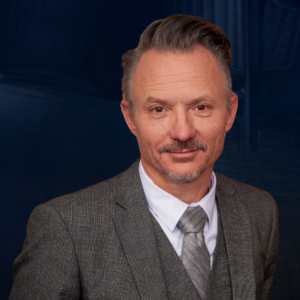
Douglas E. Huff
PartnerACS-CHAL Forensic Lawyer-Scientist with advanced digital forensics training, one of only a small number of Texas attorneys to hold the designation.
Read Douglas's profile →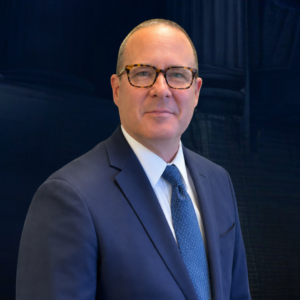
James Lee Bright
Of CounselFederal criminal defense with more than 25 years of experience and admission in all four Texas federal districts, the Fifth Circuit Court of Appeals, and the United States Supreme Court.
Read James's profile →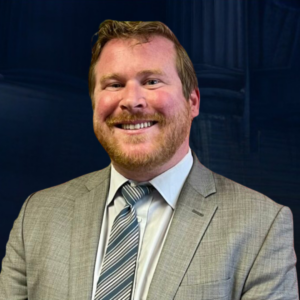
Kevin Sheneberger
Criminal Defense AttorneyA criminal trial attorney trained in the NHTSA/IACP Standardized Field Sobriety Testing program who co-authored chapters of the forthcoming Texas DWI Manual and a State Bar intoxication case-law update. He defends DWI and criminal cases across the firm's North and Central Texas offices.
Read Kevin's profile →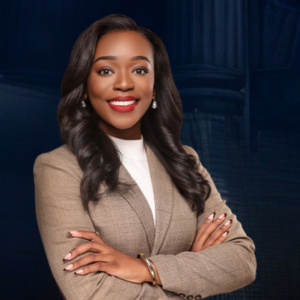
Jada Fairley
Criminal Defense AttorneyA criminal defense attorney driven by the belief that every person deserves a voice in the justice system. A magna cum laude graduate of Alcorn State University in criminal justice, she brings sharp preparation and real dedication to the firm's trial division.
Read Jada's profile →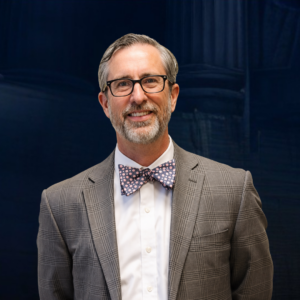
Jason Bowes
Criminal Defense AttorneyA Waco-based trial attorney who has tried dozens of first-chair felony jury cases, including murder, sexual assault, and child abuse charges. He focuses on the serious felony work most attorneys will not take, for clients across Central and North Texas.
Read Jason's profile →