Dismissed
Jul 2026
Charge
DWI
DWI charge dismissed at trial

Texas DWI attorneys with science-driven defense for every charge, from a first offense to felony DWI, across North and Central Texas.

You can be charged with DWI in Texas for operating a motor vehicle in a public place while intoxicated, whether that means a blood or breath alcohol concentration of 0.08 or higher or losing the normal use of your mental or physical faculties because of alcohol or drugs. If convicted, you can face jail, heavy fines, a license suspension, and a permanent record. A high BAC, a child passenger, a prior conviction, or a crash that injures someone can raise the charge all the way to a felony DWI.
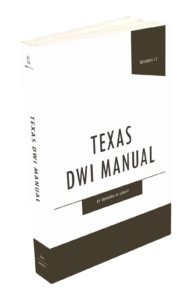
But an arrest is not a conviction. Every DWI case is built on science, and that science is often flawed. Deandra Grant Law is led by a forensic lawyer-scientist who wrote The Texas DWI Manual and trains DWI attorneys across the state. We've tried more than 500 cases to verdict, and we take the State's evidence apart at the chemistry level.
Intake answers 24/7, and if your case is one we can take on, the consultation is at no cost to you. Call or request a time online and tell us what happened.
Your license case runs separately from the criminal case, and the 15 days start when you receive the notice of suspension, not automatically at arrest. In a blood case that notice is often mailed weeks later. If nobody requests a hearing in time, the suspension takes effect on its own.
Every Texas DWI charge, from a first offense to intoxication manslaughter, each with its own defense page. Adults are charged with DWI even if you'd call it drunk driving or a DUI; in Texas, DUI is the under-21 charge, and both are on this list.
Driving while intoxicated with no prior convictions, a Class B misdemeanor.
First DWI penaltiesA DWI with one prior conviction, a Class A misdemeanor with mandatory jail time.
Second DWI penaltiesA DWI with two prior convictions, a third-degree felony carrying two to ten years.
Third DWI penaltiesA result of 0.15 or higher raises a first DWI to Class A.
Why 0.15 mattersTwo priors, a child passenger, or serious injury make a DWI felony.
The felony thresholdA passenger under fifteen turns a misdemeanor DWI into a felony.
Why this is a felonyCausing serious bodily injury to another while intoxicated, a third-degree felony.
Assault penaltiesCausing a death while intoxicated, a second-degree felony carrying prison time.
Manslaughter penaltiesDrivers under twenty-one face DUI charges for any detectable amount of alcohol.
DWI vs. DUIA DWI where the intoxicant is a drug, prescribed or illegal, with no breath number involved.
How they prove itMarijuana and edibles can support a DWI without any measurable level.
The marijuana rulesA valid prescription is no defense if the medication impaired your driving.
Prescription rulesA commercial license is disqualified even for a DWI in your own car.
CDL consequencesOperating a boat while intoxicated, prosecuted much like a driving DWI.
The BWI rulesDWI charge dismissed at trial
DWI charge dismissed at trial
DWI case dismissed
Prior results do not guarantee a similar outcome. Each case is decided on its own facts.
All Case ResultsEvery firm says it will fight for you. What actually decides a DWI case is how well your lawyer understands the evidence.
From the first call, in order:
We quote a flat fee after a consultation at no cost to you, so the investment is known before you commit.
Douglas Huff is The Only Call You Need to Make. When our family was faced with a complex and daunting DWI case, we were completely overwhelmed. We made…
Deandra Grant Law and the whole staff were very helpful in my DWI case. Through the client portal they are very quick to help and answer any questions…
There is no one more knowledgeable than Deandra Grant when it comes to DWI. Literally, she has written the book on it in Texas. As her colleague, I…
Peer-reviewed ratings, bar honors, and the newsrooms that call us when a DWI story breaks.


















Six offices, six home counties. Find yours and see who's already in that courthouse.
Our headquarters. We're at Frank Crowley defending Dallas County DWI cases every week.
Dallas DWI LawyerOur office off Airport Freeway covers DWI cases across Tarrant County's courts.
Fort Worth DWI LawyerServing all of Collin County, where DWI cases are heard in McKinney.
Allen DWI LawyerMinutes from the Denton County courts that hear these cases.
Denton DWI LawyerA local office and a trial team that knows this courthouse well.
Rockwall DWI LawyerDefending DWI cases across McLennan County and Central Texas.
Waco DWI LawyerAlso serving: Arlington · Carrollton · Flower Mound · Frisco · Grapevine · Highland Park · Irving · Lewisville · McKinney · Plano · Richardson
Every county runs its system differently. The jail, the bond, the courts. Here's how yours works.
The jail, magistration, bonding out, and Frank Crowley, explained step by step.
Dallas County Court GuideFrom booking in Fort Worth through your first court date, start to finish.
Tarrant County Court GuideHow the Collin County jail, bond process, and McKinney courts actually work.
Collin County Court GuideBooking, bond, and the Denton County courts, in plain English.
Denton County Court GuideA smaller county with its own rhythm. Here's how cases move here.
Rockwall County Court GuideThe Waco jail, bonding out, and the McLennan County court system, explained.
McLennan County Court GuideA DWI case has many moving parts. Find the question you're asking right now.
What happens next, from booking through your first court date, and the deadline that comes first.
Booking to court dateA DWI arrest starts a second, separate case against your license, and it runs on a 15-day clock.
Save your licenseWhat Texas actually has to prove, and the three elements every case rests on.
The three elementsTexas charges DWI at six levels, and four facts can turn a misdemeanor into a felony.
See the charge levelsWhat a first, second, or felony DWI carries in jail time, fines, and suspension.
Jail, fines, suspensionBreath, blood, and roadside tests: what each measures and where each one goes wrong.
Where the tests failWhat police need before the lights come on, what the roadside can and cannot require of you, and how to tell afterwards.
The 24 driving cuesEvery Texas DWI defense by category, from the stop through the elements the State still has to prove.
Every defense, by typeEvery stage of a Texas DWI case, from filing through disposition, and what happens at each.
Walk through a caseDismissal, acquittal, reduction, deferred, probation, or jail, and which endings let you clear your record.
See how cases endWhat a DWI touches beyond the courtroom: your job, insurance, immigration status, and license.
What a conviction costsWhat to ask, which credentials matter in a DWI case, what fees should cover, and the red flags.
Credentials and feesNot sure what a term means? Check the glossary.
The firm publishes what it knows. The Texas DWI Manual is the reference other Texas lawyers cite, the Surviving Your DWI series says the same things in plain English for the person actually charged, and the videos answer the questions we hear most.
Intake answers 24/7, and if your case is one we can take on, we schedule a free consultation with an attorney.
Tell us what happened. We'll respond as soon as possible.