


Do You Need Legal Help?

"Deandra Grant Law fights hard for their clients and is always willing to go above and beyond. They are the best firm for DWI cases in DFW and beyond. Definitely hire them to represent you in any pending cases."
- P. Williams
"Deandra Grant made a tough situation so much better. She listened to my concerns and helped me so much with my case. I would recommend her to anyone needing legal services."
- M. Haley
"Deandra Grant Law handled my case with diligence and professionalism. Deandra Grant's reputation is stellar and now I know why. She has a team of individuals who provide quality service."
- N. Coulter
As Seen On





A Fighting Team On Your Side
Since 1994 when our doors opened, Deandra Grant Law – Criminal & DWI Defense has helped thousands of clients get their DWI charges reduced or dismissed. We're ready to fight on your behalf.

Managing Partner

Partner & Criminal Division Chief

Criminal Division Trial Chief

Criminal Trial Division
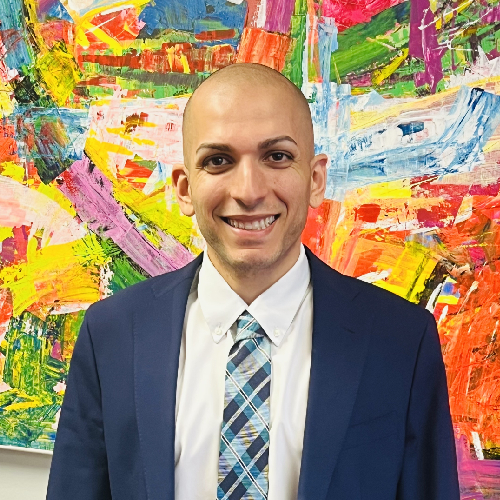
Criminal Trial Division

Of Counsel

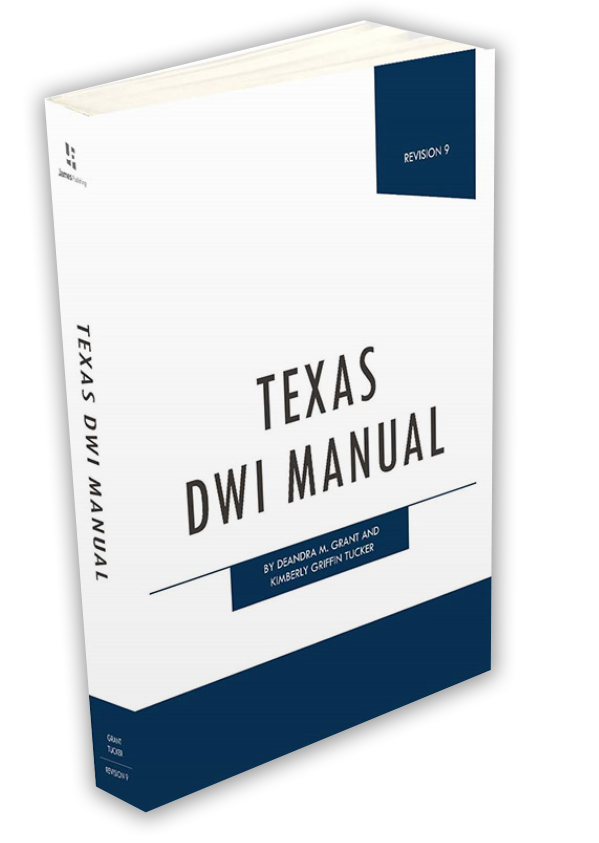
Texas DWI Manual
By Attorney Deandra Grant
Fighting DWI charges can present many challenges, not only for the defense, but prosecutors as well. This is why it is important to be armed with the necessary knowledge so you understand the DWI process.
Attorney Deandra M. Grant is the co-author of the Texas DWI Manual, offering legal advice to both clients and fellow attorneys.
Learn MoreTexas DWI Attorneys
Legal Guidance When It Matters Most
If you’ve found yourself on this page – it’s likely that you’re seeking a knowledgeable attorney to defend you against a Boating While Intoxicated (BWI) charge in Texas. We understand the worries and uncertainties that can accompany such a situation, and we want to assure you that you’re not alone. At Deandra Grant Law – Criminal & DWI Defense, we specialize in BWI defense and are committed to helping you navigate through this challenging time with expert legal support.
Understanding the Charges: Boating While Intoxicated in Texas
Being charged with Boating While Intoxicated in Texas is a serious matter that carries legal consequences. Just like driving under the influence (DUI), operating a boat while under the influence of alcohol or drugs is against the law. The legal blood alcohol concentration (BAC) limit for boaters is generally the same as that for drivers, which is 0.08%. If your BAC exceeds this limit, you can face charges that may lead to fines, probation, suspension of boating privileges, and even jail time.
First Offense BWI:
Class B Misdemeanor: A first-time BWI offense is typically classified as a Class B misdemeanor, punishable by up to 180 days in jail and/or a fine of up to $2,000.
Enhanced Penalties:
If a person’s blood alcohol concentration (BAC) is 0.15% or higher at the time of arrest, the penalties can be enhanced, resulting in a Class A misdemeanor charge. This carries a potential jail sentence of up to one year and/or a fine of up to $4,000.
Other Consequences:
In addition to criminal penalties, a person convicted of BWI may face administrative penalties, such as the suspension of their boating privileges and the requirement to complete an alcohol education or intervention program.
It’s important to note that subsequent BWI offenses and certain aggravating factors can lead to more severe penalties, including increased fines and longer jail sentences.
Deandra Grant Law – Criminal & DWI Defense Helps Residents across Texas with DWI Defense – Including: Allen, Austin, Arlington, Belton, Cleburne, Collin County, Dallas, Denton, Fairview, Fort Worth, Frisco, Gainesville, Granbury, Hood County, Johnson County, Lewisville, Little Elm, McKinney, Park Cities, Parker County, Plano, Princeton, Richardson, Rockwall, Rowlett, Royse City, Southlake, Sunnyvale, The Colony, Waco, and Weatherford.
Choose Deandra Grant Law – Criminal & DWI Defense: Your Trusted Defense Against Boating While Intoxicated Charges
If you find yourself facing Boating While Intoxicated (BWI) charges in Texas, you may feel like you’re adrift in stormy seas. The legal process can be daunting and confusing, but you don’t have to navigate it alone. At Deandra Grant Law – Criminal & DWI Defense, our experienced team of Texas Boating While Intoxicated Lawyers is here to be your lifeline, providing expert legal guidance and unwavering support during this challenging time.
Empowering You with Knowledge
When it comes to BWI charges, knowledge is power. We believe that informed decisions lead to the best outcomes. That’s why we offer free consultations to those facing BWI charges in Texas. During this initial meeting, we’ll listen to your side of the story, assess the details of your arrest, and provide you with a clear understanding of your rights and options. Our compassionate team will guide you through the legal landscape, empowering you with the knowledge you need to make informed choices about your defense.
Serious Consequences of BWI Convictions
A conviction for Boating While Intoxicated can have serious and lasting consequences. You may face substantial fines, potential jail time, and the burden of a criminal record. Even more, the loss of your ability to operate a boat can dramatically impact your lifestyle and livelihood. Our goal is to help you avoid these harsh outcomes and chart a course towards a positive outcome for your case.
Expert Navigation through the Legal Waters
The legal process can be intricate and challenging to navigate, especially when it comes to BWI cases. At Deandra Grant Law – Criminal & DWI Defense, we have the experience and expertise to skillfully guide you through the complex court and administrative proceedings. Our team of dedicated Texas Boating While Intoxicated Lawyers will meticulously analyze the evidence, challenge the prosecution’s case, and craft a robust defense tailored to your unique circumstances.
Your Best Chances for a Successful Outcome
At Deandra Grant Law – Criminal & DWI Defense, our commitment to your success is unwavering. We understand that each BWI case is unique, and we will work tirelessly to determine the most effective strategy for your defense. Our goal is to secure a positive outcome for your case, whether that means negotiating for reduced charges, pursuing an acquittal, or exploring alternative resolutions.
Related Blogs

Understanding Deferred Adjudication in Underage DWI Cases
Driving while intoxicated is serious in Texas, especially for drivers under the age of 21. [...]

Proving Fault in Texas DWI Injury Cases What You Need to Know
If you or a loved one has been injured in a crash caused by a [...]

Can a Texas DWI Be Reduced to a Lesser Charge?
Facing a DWI charge in Texas can be a daunting experience. If you’re here reading [...]

How Texas Zero Tolerance Laws Affect Underage DWI Cases
If you or someone you care about is facing an underage DWI case in Texas, [...]

Steps to Take After Being Injured in a Texas DWI Accident
If you or a loved one has recently been injured in a Texas DWI accident, [...]

What to Do Immediately After a DWI Arrest in Texas
If you have been arrested for a DWI in Texas, you may feel a mix [...]

Can Out-of-State DWI Convictions Affect Multiple DWI Charges in Texas?
Driving while intoxicated is a serious matter, and the consequences can follow a person for [...]

Can You Be Charged for a Hit and Run DWI If You Were Unaware of the Collision?
In Texas, facing charges for a hit and run DWI can be a serious matter. [...]
Boating While Intoxicated Mistakes to Avoid
When facing a Boating While Intoxicated (BWI) charge in Texas, it’s crucial to be aware of the potential pitfalls and missteps that can negatively impact your case. The legal process can be complex, and without proper guidance, individuals often make errors that could have serious consequences. At Deandra Grant Law – Criminal & DWI Defense, we are here to help you avoid these mistakes and provide you with the information and support you need during this challenging time.
Mistake #1: Not Seeking Legal Counsel
One of the most significant mistakes you can make after a BWI arrest is not seeking immediate legal counsel. Attempting to handle your case alone can lead to unintended legal consequences and missed opportunities for building a strong defense. Deandra Grant Law – Criminal & DWI Defense offers free consultations to individuals arrested for Boating While Intoxicated in Texas. Taking advantage of this consultation can provide you with a clear understanding of your situation and the legal options available to you.
Mistake #2: Speaking Without Legal Representation
It’s common for individuals to speak to law enforcement or make statements without consulting an attorney first. However, what you say can be used against you in court, even if you don’t intend for your words to be incriminating. Having an experienced Texas Boating While Intoxicated Lawyer from Deandra Grant Law – Criminal & DWI Defense by your side ensures that your rights are protected, and you have a knowledgeable advocate guiding your interactions with law enforcement and legal proceedings.
Mistake #3: Ignoring the Evidence
Gathering and preserving evidence is essential for building a strong defense against a BWI charge. Failing to collect relevant evidence, such as witness statements, photographs, or surveillance footage, can weaken your case. Our experienced lawyers at Deandra Grant Law – Criminal & DWI Defense have a keen eye for identifying critical evidence that can support your defense and potentially lead to a more favorable outcome.
Mistake #4: Underestimating the Impact
Some individuals underestimate the severity of a BWI charge and may not fully comprehend the potential consequences. Convictions can result in hefty fines, jail time, and the tarnishing of your criminal record. Moreover, losing the ability to operate a boat can significantly impact your recreational activities. Deandra Grant Law – Criminal & DWI Defense understands the gravity of a BWI charge and is dedicated to helping you mitigate its consequences.
Frequently Asked Questions About Boating While Intoxicated (BWI) Charges in Texas
Facing a Boating While Intoxicated (BWI) charge in Texas can raise numerous questions and uncertainties. At Deandra Grant Law – Criminal & DWI Defense, we understand the importance of providing clear and accurate information to individuals who have been arrested for BWI. Here are some frequently asked questions and their answers to help you navigate through this challenging time:
What is Boating While Intoxicated (BWI)?
Boating While Intoxicated, or BWI, is a legal term used to describe operating a boat while under the influence of alcohol or drugs. Just like driving under the influence (DUI), it is illegal to operate a boat with a blood alcohol concentration (BAC) level of 0.08% or higher.
What are the potential consequences of a BWI conviction?
A BWI conviction in Texas can result in serious consequences, including fines, probation, suspension of boating privileges, and even jail time. Additionally, a conviction could lead to the creation of a permanent criminal record, which can impact your future opportunities.
Should I hire a lawyer for my BWI case?
Yes, hiring an experienced Texas Boating While Intoxicated Lawyer is highly recommended. A skilled lawyer can provide you with expert legal advice, protect your rights, and build a strong defense strategy tailored to your specific situation.
What is the benefit of hiring a lawyer who specializes in BWI cases?
Lawyers who specialize in BWI cases have a deep understanding of the specific laws and regulations related to boating under the influence. They are familiar with the Lcomplexities of BWI cases and can utilize their expertise to advocate for your best interests.
Can I avoid jail time for a BWI conviction?
Depending on the circumstances of your case, it is possible to explore alternatives to jail time, such as probation, community service, or substance abuse treatment programs. An experienced lawyer can help you understand your options and work towards the most favorable outcome.
Will I lose my boating privileges after a BWI conviction?
A BWI conviction can lead to the suspension of your boating privileges. However, the length of the suspension can vary based on the specifics of your case. An attorney can guide you through the administrative processes and potentially help you minimize the impact on your boating privileges.
How can Deandra Grant Law – Criminal & DWI Defense help me with my BWI case?
Deandra Grant Law – Criminal & DWI Defense specializes in BWI defense and offers free consultations to individuals arrested for Boating While Intoxicated in Texas. Our experienced Texas Boating While Intoxicated Lawyers can provide you with expert guidance, a thorough analysis of your case, and a tailored defense strategy to pursue a positive outcome.
What should I do if I have been arrested for BWI?
If you’ve been arrested for BWI, it’s important to remain calm and avoid making any statements to law enforcement without consulting a lawyer first. Contact Deandra Grant Law – Criminal & DWI Defense as soon as possible to schedule a free consultation and discuss your options.
Boating While Intoxicated Client Story
This client story is for educational purposes only.
In the midst of stormy waters, where uncertainty and fear seemed to be the only constants, Roger found himself adrift. A boating trip with friends had taken an unexpected turn, leading to his arrest for Boating While Intoxicated (BWI) in Texas. The waves of worry crashed over him as he faced the looming legal battle ahead. Little did he know, a guiding light was about to emerge in the form of attorney Makenzie Zarate from Deandra Grant Law – Criminal & DWI Defense.
Roger’s heart weighed heavy with the weight of the charges against him. The thought of the potential consequences sent shivers down his spine – the looming fines, the possibility of jail time, and the dark cloud of a criminal record that could cast shadows over his future. But in the midst of his distress, he found hope when he discovered Deandra Grant Law – Criminal & DWI Defense and their dedicated team of Texas Boating While Intoxicated Lawyers.
Enter Makenzie Zarate, a compassionate and experienced attorney who would become Roger’s advocate in his journey towards justice. From the moment they met, Makenzie’s warm demeanor and attentive approach made Roger feel heard, understood, and supported. It was as though he had found a lifeline amidst the tumultuous sea of legal complications.
Makenzie’s dedication to Roger’s case was unwavering. She meticulously examined every detail, leaving no stone unturned. Through thorough investigation, she uncovered crucial evidence that painted a clearer picture of the events that transpired on that fateful day. Makenzie’s determination to ensure that Roger’s side of the story was heard resonated deeply with him. For the first time since his arrest, Roger felt a glimmer of optimism.
As the case progressed, Makenzie’s expertise in BWI defense became evident. Her knowledge of the intricacies of boating laws and her familiarity with the Texas legal landscape proved invaluable. She skillfully navigated the complex court proceedings, guiding Roger every step of the way. Makenzie’s ability to explain legal terms in a simple and relatable manner helped Roger understand the process and make informed decisions about his case.
With Makenzie by his side, Roger’s fear began to subside. He knew he had a steadfast ally who believed in his innocence and was committed to securing a just outcome. As the trial unfolded, Makenzie’s strategic approach and compelling arguments swayed the judge and jury. The evidence she presented left no doubt that Roger’s actions were not as they had initially seemed.
And then, the moment arrived – the moment that would shape Roger’s future. The tension in the courtroom was palpable as the verdict was announced: Not Guilty. The weight that had burdened Roger for so long was lifted, replaced by a surge of relief and gratitude. Makenzie Zarate had not only defended his innocence but had also offered him a chance to reclaim his life.
Comprehensive Consultations to Inform Your Decisions
We invite you to take advantage of our free consultations, where you can share your concerns and gain valuable insights into your situation. Our experienced Texas Boating While Intoxicated Lawyers will carefully listen to your story, assess the details of your case, and provide you with a clear understanding of your legal options. This initial consultation is designed to empower you with knowledge and equip you to make informed decisions about the right course of action for your defense.
Your Future is Our Priority
At Deandra Grant Law – Criminal & DWI Defense, we recognize the weight that BWI charges can place on your future. Our dedicated team of attorneys is committed to working tirelessly on your behalf. We understand the potential consequences of a BWI conviction – from fines and jail time to a lasting criminal record and the loss of boating privileges. Our goal is to minimize these consequences and protect your rights throughout the legal process.
Striving for the Best Possible Outcome
When you choose Deandra Grant Law – Criminal & DWI Defense as your advocate, you’re choosing a team that is well-versed in BWI defense strategies. We will scrutinize every aspect of your case, from evidence collection to negotiation with prosecutors, to ensure that no stone is left unturned. Our approach is tailored to your specific circumstances, with the aim of achieving a positive outcome for your unique situation.
Contact Our Texas Boating While Intoxicated Lawyers Today to Begin Your Defense
Don’t face the challenges of a BWI charge alone. Contact Deandra Grant Law – Criminal & DWI Defense today to schedule your free consultation. Let our experienced Texas Boating While Intoxicated Lawyers guide you through the legal intricacies, provide you with unwavering support, and fight vigorously to protect your rights. Your future deserves the best defense possible, and we’re here to provide just that. With Deandra Grant Law – Criminal & DWI Defense by your side, you can take steps towards securing a brighter future.
Client Reviews

“Deandra Grant Law – Criminal & DWI Defense handled my case with diligence and professionalism. Deandra Grant’s reputation is stellar and now I know why. She has a team of individuals who provide quality service.”
N. Coulter


(214) 225-7117
Experienced DWI Defense