
Home »


Do You Need Legal Help?

"Deandra Grant Law fights hard for their clients and is always willing to go above and beyond. They are the best firm for DWI cases in DFW and beyond. Definitely hire them to represent you in any pending cases."
- P. Williams
"Deandra Grant made a tough situation so much better. She listened to my concerns and helped me so much with my case. I would recommend her to anyone needing legal services."
- M. Haley
"Deandra Grant Law handled my case with diligence and professionalism. Deandra Grant's reputation is stellar and now I know why. She has a team of individuals who provide quality service."
- N. Coulter
As Seen On





A Fighting Team On Your Side
Since opening in 1994, Deandra Grant Law – Criminal & DWI Defense has helped thousands of clients get their DWI charges reduced or dismissed. With experience in over 500+ trials, we're ready to fight on your behalf.

Managing Partner

Partner & Criminal Division Chief

Criminal Trial Division
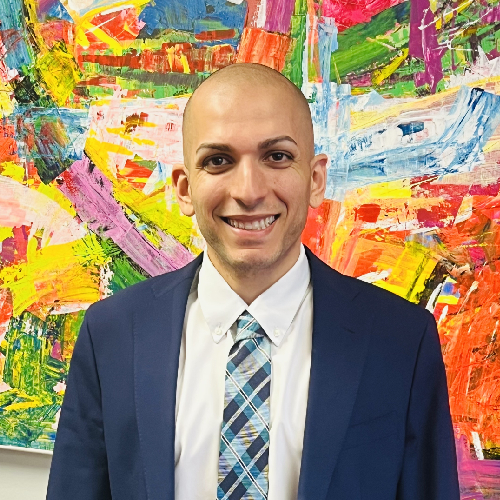
Criminal Trial Division

Associate Attorney

Of Counsel

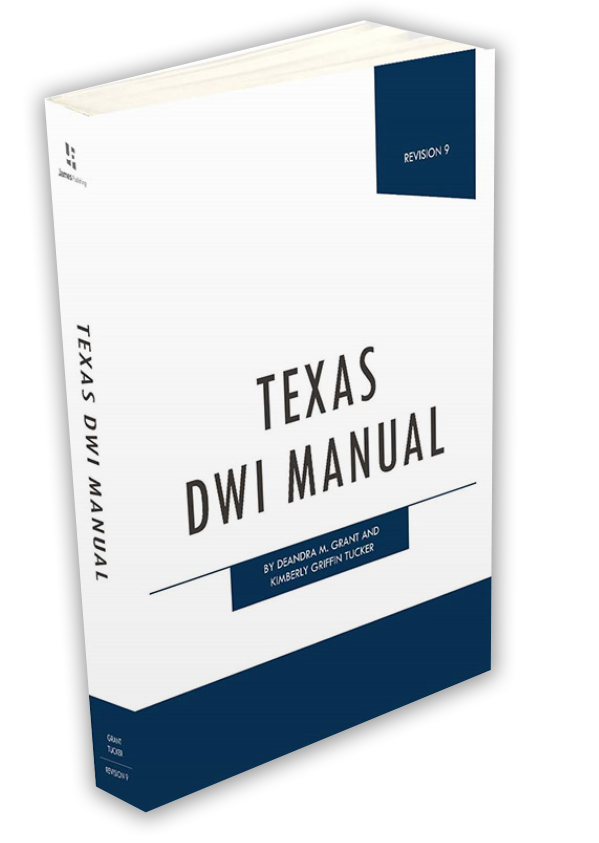
Texas DWI Manual
By Attorney Deandra Grant
Fighting DWI charges can present many challenges, not only for the defense, but prosecutors as well. This is why it is important to be armed with the necessary knowledge so you understand the DWI process.
Attorney Deandra M. Grant is the co-author of the Texas DWI Manual, offering legal advice to both clients and fellow attorneys.
Learn MoreDallas Multiple DWI Lawyers
Facing multiple DWI charges in Dallas, TX when you already have one or more convictions on your record is an extremely serious situation to be in. The penalties for multiple DWI offenses are more severe than for a first DWI offense, including longer mandatory terms of imprisonment, higher fines and longer terms of license revocation. If you find yourself in this difficult situation, you may be worried about the consequences and the impact it could have on your future. At Deandra Grant Law – Criminal & DWI Defense, we understand the stress you are facing, and we are here to provide the legal support and guidance you need during this challenging time.
At Deandra Grant Law – Criminal & DWI Defense, we have over 25 years of combined experience in representing clients who are facing multiple DWI charges. A former prosecutor with extensive knowledge and experience in both criminal defense and prosecution, Dallas multiple DWI lawyer, Deandra Grant, is here to help. We offer consultations to discuss your particular charges and will offer you the personalized attention that you need so we can address your individual concerns and provide you with the representation you need and deserve.
Understanding the Charges: Second DWI and Third DWI
When it comes to DWI offenses in Texas, the penalties increase significantly with each subsequent conviction. A second DWI and third DWI carry more severe consequences compared to a first-time offense. Let’s take a closer look at the charges you may face:
Second DWI:
- A minimum jail sentence even if probation is granted
- Fine of up to $4,000
- A possible 2-year license suspension
- 80 to 200 hours community service
Third and Fourth DWI:
- 2 years to 10 years imprisonment
- Fine up to $10,000
- Potential 2 year license suspension
- 160 to 600 hours community service
Attorneys Protecting Your Rights & Fighting For Your Freedom
It is absolutely crucial that you receive immediate representation by an attorney if you are facing multiple DWI charges. Because you have prior convictions on your record, you are at risk of facing severe penalties – up to 10 years in prison for a third or fourth offense! Now more than ever is when your freedom and future are at risk. By consulting our firm as soon as possible and taking action to protect your future, you may be able to avoid imprisonment altogether and keep your driver’s license.
Here’s why hiring a seasoned attorney is essential:
Legal Experience: Dealing with multiple DWI charges can be complex and challenging. Our attorneys have extensive experience in handling DWI cases and are well-versed in Texas DWI laws. We will carefully analyze the details of your case, identify potential defenses, and work diligently to protect your rights.
Strategic Defense: Our team will develop a customized defense strategy tailored to your specific circumstances. We will explore all possible legal avenues to minimize the consequences you may face and pursue a positive outcome for your case.
Negotiation Skills: Our attorneys are skilled negotiators and can often achieve favorable plea agreements or reduced charges for our clients. We will strive to achieve the most beneficial resolution for your situation.
Protecting Your Future: A conviction for multiple DWIs can have severe and long-lasting effects on your life. We understand the potential consequences, including loss of employment, financial strain, and damage to your reputation. Our goal is to help you avoid or mitigate these consequences and work towards a brighter future.
Deandra Grant Law – Criminal & DWI Defense Helps Residents across Texas with DWI Defense – Including: Allen, Austin, Arlington, Belton, Cleburne, Collin County, Dallas, Denton, Fairview, Fort Worth, Frisco, Gainesville, Granbury, Hood County, Johnson County, Lewisville, Little Elm, McKinney, Park Cities, Parker County, Plano, Princeton, Richardson, Rockwall, Rowlett, Royse City, Southlake, Sunnyvale, The Colony, Waco, and Weatherford.
Related Videos
Facing Multiple DWI Charges in Dallas, TX? Choose Deandra Grant Law – Criminal & DWI Defense for Strong Defense
When it comes to defending against multiple DWI charges, having the right legal team by your side can make all the difference. Here’s why Deandra Grant Law – Criminal & DWI Defense is the best choice to represent you:
Experience
Our Dallas multiple DWI lawyers have extensive experience in handling multiple DWI cases, and we are well-versed in Texas DWI laws and defense strategies. We have successfully represented numerous clients facing second and third DWI charges, and we know what it takes to build a strong defense on your behalf.
Free Consultations
We offer free initial consultations, giving you the opportunity to speak with our attorneys and discuss the details of your case without any financial obligation. This allows us to understand your situation better and provide you with informed advice about your legal options.
Serious Consequences of Multiple DWI Convictions
The consequences of multiple DWI convictions can be severe and life-altering. They may include hefty fines, extended jail time, a permanent criminal record, and the suspension of your driver’s license. Our goal is to help you avoid or minimize these consequences and protect your future.
Guiding You Through the Legal Process
The legal process for multiple DWI charges can be complex and confusing. Our experienced Dallas multiple DWI lawyers will guide you through every step of the way, ensuring that you understand your rights and options. We will provide you with personalized attention and support to make informed decisions.
Determining Your Best Chances for Success
Each case is unique, and we understand that your circumstances are different from anyone else’s. We will thoroughly analyze the details of your case, identify potential defenses, and work tirelessly to determine the best strategy for achieving a successful outcome.
Related Blogs
Avoiding Mistakes After a Second or Third DWI Arrest in Dallas, TX
Facing a second or third DWI charge in Dallas, TX, can be a challenging and frightening experience. Multiple DWI convictions carry severe penalties, including potential jail time, hefty fines, and a permanent criminal record. To protect your future and rights, it’s essential to avoid common mistakes that can harm your case.
At Deandra Grant Law – Criminal & DWI Defense, we understand the seriousness of multiple DWI charges and the impact they can have on your life. Our team of experienced Dallas Multiple DWI Lawyers is here to offer you the support and legal guidance you need during this difficult time.
- Do Not Speak to the Police Without Legal Representation
After a second or third DWI arrest, the police may question you about the incident. It’s crucial to remember that anything you say can be used against you in court. Politely decline to answer any questions and request to speak with your attorney. Having legal representation is vital to ensure that your rights are protected during the investigative process.
- Avoid Delaying Legal Counsel
Time is of the essence in multiple DWI cases. Delaying legal representation can hinder your defense strategy and may result in missed opportunities to challenge evidence. Contact a Dallas Multiple DWI Lawyer as soon as possible to begin building a strong defense and protecting your rights.
- Refrain from Driving Under the Influence Again
If you are facing a second or third DWI charge, it’s crucial to avoid any further instances of driving under the influence. Additional DWI convictions can lead to even harsher penalties, including longer license suspensions and increased jail time.
- Don’t Ignore Your Court Dates or Fail to Comply with Court Orders
Failing to appear in court for scheduled hearings or ignoring court orders can have severe consequences. It may result in a warrant for your arrest or the suspension of your driver’s license. Complying with court orders and attending all hearings is essential to demonstrate your commitment to the legal process.
How Deandra Grant Law – Criminal & DWI Defense Can Help
At Deandra Grant Law – Criminal & DWI Defense, our experienced Dallas Multiple DWI Lawyers have a proven track record of success in handling multiple DWI cases. We will thoroughly analyze the details of your arrest, challenge any evidence obtained unlawfully, and explore all available defense strategies to protect your rights and achieve a positive outcome for your case.
Frequently Asked Questions About Facing Second and Third DWI Charges in Dallas, TX
What are the penalties for a second DWI conviction in Dallas, TX?
A second DWI conviction in Dallas, TX can result in more severe consequences compared to a first offense. You may face fines of up to $4,000, a jail sentence of up to one year, and a driver’s license suspension of up to two years.
What are the penalties for a third DWI conviction in Dallas, TX?
A third DWI conviction in Dallas, TX is considered a felony offense and carries even harsher penalties. You could face fines of up to $10,000, a prison sentence of up to ten years, and a driver’s license suspension of up to two years.
Will I lose my driver's license after a second or third DWI conviction?
Yes, a second or third DWI conviction can lead to a driver’s license suspension. The length of the suspension will depend on the specific circumstances of your case.
Can I avoid jail time for a second or third DWI conviction?
While jail time is a possibility for multiple DWI convictions, an experienced lawyer may be able to negotiate alternatives, such as probation or community service, depending on the details of your case.
Is it possible to have the charges reduced or dismissed?
Yes, with skilled legal representation, it may be possible to have the charges reduced or dismissed. A lawyer can carefully review the evidence and identify any weaknesses in the prosecution’s case.
Will my previous DWI convictions be taken into account during sentencing for a third DWI?
Yes, previous DWI convictions will be considered during sentencing for a third DWI. Having prior convictions can result in enhanced penalties.
Can I refuse to take a breathalyzer or chemical test for a second or third DWI arrest?
Refusing to take a breathalyzer or chemical test after a second or third DWI arrest can lead to additional penalties, such as an automatic driver’s license suspension. It’s crucial to consult with an attorney to understand your rights and options.
How can a lawyer help me if I am facing both a second and third DWI charge?
An experienced lawyer can provide you with personalized legal advice, explore potential defense strategies, and represent your interests in court. They will work tirelessly to protect your rights and pursue a positive outcome for your case.
Can I represent myself in court for a second or third DWI charge?
Representing yourself in court for a second or third DWI charge is not recommended. Multiple DWI convictions carry severe consequences, and having a skilled lawyer on your side can significantly impact the outcome of your case.
How can I schedule a free consultation with a Dallas Multiple DWI Lawyer?
To schedule a free consultation with a Dallas Multiple DWI Lawyer at Deandra Grant Law – Criminal & DWI Defense, you can contact us through our website or give us a call. We understand the urgency of your situation and are here to provide you with the legal support and guidance you need during this challenging time.
Multiple DWI Client Story
This client story is for educational purposes only.
In the heart of Dallas, Texas, there lived a man named Danny, whose life had taken a tumultuous turn. Danny was a hardworking and kind-hearted individual, but he made a grave mistake by driving under the influence for the second time. He knew he needed help, but he also felt the weight of guilt and fear pulling him down.
With a heavy heart, Danny searched for a guiding light to help him navigate through the dark and uncertain waters of his second DWI charge. That’s when he discovered Deandra Grant Law – Criminal & DWI Defense, a beacon of hope for those facing the consequences of Multiple DWIs. He decided to take a chance, praying that Attorney Deandra Grant would be the one to understand his struggles and fight for his redemption.
When Danny met Attorney Deandra Grant, he felt an immediate connection. Her compassionate demeanor and unwavering dedication gave him a glimmer of hope that things might turn around. As they discussed his case, she listened attentively, understanding the fear and remorse he felt deep within.
With each passing day, Attorney Deandra Grant worked tirelessly to uncover every detail of Danny’s case. She knew that behind every legal battle was a human story that deserved to be heard. The evidence was scrutinized, and witnesses were questioned as she pieced together the puzzle of Danny’s life, hoping to show the jury the man he truly was – one who learned from his past and was determined to change for the better.
The trial began, and as Danny sat in the courtroom, he couldn’t help but feel anxious. But he had faith in Attorney Deandra Grant, knowing she would fight with all her might to prove his innocence. Throughout the trial, she skillfully presented the evidence, using her knowledge and experience to challenge the prosecution’s case.
As the jury deliberated, Danny found himself hoping for a second chance – not just to prove his innocence, but to show the world that he had learned from his mistakes and was ready to make amends. The weight of his past choices bore heavily on his shoulders, but he knew he had taken the first step towards redemption by seeking the help of Attorney Deandra Grant.
Finally, the moment of truth arrived. The jury announced their verdict, and to Danny’s relief and joy, the words “not guilty” rang through the courtroom. Tears of gratitude filled his eyes as he embraced Attorney Deandra Grant, thanking her for believing in him when he struggled to believe in himself.
From that moment forward, Danny’s life changed. He embraced a path of responsibility and self-improvement, determined to honor the second chance he had been given. And he knew that he owed it all to the unwavering dedication and compassion of Attorney Deandra Grant and her team at Deandra Grant Law – Criminal & DWI Defense.
Contact Our Experienced Dallas Multiple DWI Lawyers to Fight for You!
If you’re facing the daunting situation of Multiple DWI charges in Dallas, TX, you don’t have to navigate this challenging journey alone. At Deandra Grant Law – Criminal & DWI Defense, we understand the fear and uncertainty that comes with such charges, and we are here to be your steadfast guide.
Our team of experienced Dallas Multiple DWI Lawyers provides you with the support, experience, and compassion you need during this difficult time. We offer free consultations, giving you the opportunity to discuss your case and concerns with us without any financial obligation.
Rest assured that we will work tirelessly to achieve a positive outcome for your case. Our commitment to fighting for your rights and building a strong defense is unwavering. We believe in second chances and will strive to help you seek redemption and renewal.
Contact us today to schedule your free consultation. Let us be the helping hand you need to overcome the challenges of Multiple DWI charges and move towards a brighter future. Together, we will face the legal process with determination and dedication, ensuring that your story finds a positive outcome. Remember, you are not alone – Deandra Grant Law – Criminal & DWI Defense is here to guid
Client Reviews

“Deandra Grant Law – Criminal & DWI Defense handled my case with diligence and professionalism. Deandra Grant’s reputation is stellar and now I know why. She has a team of individuals who provide quality service.”
N. Coulter


(214) 225-7117
Experienced DWI Defense