

Overview
Federal healthcare fraud prosecutions have become one of the fastest-growing categories of federal criminal enforcement in Texas. The DOJ, working through the FBI, HHS-OIG, and dedicated Healthcare Fraud Strike Forces based in Dallas and Houston, prosecutes healthcare providers, administrators, executives, and business owners accused of defrauding Medicare, Medicaid, TRICARE, and private insurance programs.
These cases are built on complex financial records, billing data, statistical analyses, and expert testimony about medical necessity. They are investigated for months or years before charges are filed. By the time an indictment issues, the government has typically assembled a multi-year billing record with expert analysis identifying what it characterizes as fraudulent patterns.
Of Counsel James Lee Bright leads Deandra Grant Law’s federal healthcare fraud defense. Lee’s 25+ years of federal trial experience include handling document-intensive, data-driven federal prosecutions which are exactly the type of complex cases that healthcare fraud charges produce.
Federal Healthcare Fraud Statutes
18 U.S.C. §1347— Healthcare Fraud. Maximum 10 years per count; 20 years if serious bodily injury results; life if death results. Requires proof of a knowing and willful scheme to defraud a healthcare benefit program.
18 U.S.C. §1341and§1343— Mail and Wire Fraud. Frequently charged alongside healthcare fraud. Maximum 20 years per count. The same conduct — submitting a fraudulent claim — can be charged as both healthcare fraud and wire fraud if it involved electronic transmission.
42 U.S.C. §1320a-7b— Anti-Kickback Statute. Criminalizes paying, soliciting, receiving, or offering anything of value to induce referrals for services reimbursed by a federal healthcare program. Maximum 10 years per count. This is one of the most aggressively enforced statutes in the healthcare fraud space and applies to arrangements that may look like legitimate business relationships.
31 U.S.C. §3729— False Claims Act. Primarily a civil statute, but knowingly false claims can trigger criminal prosecution under 18 U.S.C. §287 (criminal false claims, up to 5 years) and 18 U.S.C. §1001 (false statements, up to 5 years).
21 U.S.C. §841— Drug Distribution. In “pill mill” cases, prescribers may face drug distribution charges for prescribing controlled substances outside the usual course of professional practice and without a legitimate medical purpose. These carry the same mandatory minimums as drug trafficking.
Types of Federal Healthcare Fraud Cases in Texas
• Medicare and Medicaid billing fraud — billing for services not rendered, upcoding (billing a higher level of service than provided), unbundling (billing separately for services that should be billed together), and billing for medically unnecessary services
• Durable medical equipment (DME) fraud — billing for undelivered, unreturned, or medically unnecessary equipment; using patient brokers to generate referrals
• Home health fraud — billing for services never provided or provided to patients who do not qualify for home health benefits
• Pharmacy fraud — billing for brand-name drugs while dispensing generics; billing for medications never dispensed; compounding pharmacy fraud
• Pain management and “pill mill” prosecutions — prescribing controlled substances without a legitimate medical purpose, generating opioid diversion; charged under both §1347 and §841
• Kickback and referral schemes — paying for patient referrals; disguising kickbacks as consulting fees, medical director arrangements, or speaking honoraria
• Telehealth fraud — billing for telehealth services where no patient interaction occurred; using telehealth as a vehicle to generate orders for unnecessary tests, equipment, or medications
How We Challenge the Government’s Evidence
Billing data and statistical analysis. Lee evaluates the methodology behind the government’s statistical analysis: whether the comparison group is appropriate, whether methods account for legitimate differences in patient populations, whether the data includes non-fraudulent coding errors alongside intentional fraud, and whether the loss calculation is inflated by including legitimate claims alongside disputed ones. The government’s statistical expert must be cross-examined on the specific methodology used and not just the conclusions reached.
Medical necessity determinations. Many healthcare fraud cases hinge on medical necessity (whether the services billed were medically appropriate for the patients who received them). Lee works with qualified medical experts to provide independent assessments, challenge the government’s reviewers on methodology and applicable standards of care, and demonstrate that clinical decision-making was consistent with accepted medical practice even where documentation was imperfect.
Intent and knowledge. Healthcare fraud under §1347 requires proof that the defendant acted knowingly and with intent to defraud. Billing errors, coding mistakes, documentation deficiencies, and overly aggressive but good-faith billing practices are not crimes. The government must prove that the defendant subjectively knew they were submitting false claims and intended to obtain payment to which they were not entitled. Lee examines whether the government can establish criminal intent beyond a reasonable doubt or is attempting to criminalize billing practices that fall within the range of legitimate professional judgment.
Anti-Kickback analysis. Not every business arrangement in healthcare constitutes an illegal kickback. The Anti-Kickback Statute has statutory safe harbors for certain employment relationships, personal services arrangements, and other common business structures. Whether a specific arrangement falls within a safe harbor, or whether it satisfies the elements of the offense, requires careful legal and factual analysis.
Financial records and forensic accounting. Lee works with forensic accountants to independently analyze financial evidence, identify errors in the government’s calculations, trace funds, and present alternative explanations for financial patterns the government characterizes as fraud.
Federal Sentencing in Healthcare Fraud Cases
Sentencing is driven by the loss amount under U.S.S.G. §2B1.1, with additional enhancements for large victim counts, sophisticated means, leadership role, abuse of trust, and (critically in healthcare cases) the vulnerable victim enhancement when elderly or seriously ill patients are involved. These enhancements stack and can produce sentencing ranges far above what the base offense would suggest.
For healthcare professionals whose licenses, careers, and clinical practices are at stake, effective sentencing mitigation addresses not only the traditional biographical factors but also the professional contributions, patient outcomes, and community service that define a career in medicine. The goal is a sentencing presentation that gives the court a complete picture of the defendant as a person and a practitioner, not just a defendant.
Lead Attorney: James Lee Bright
Of Counsel James Lee Bright is one of the most experienced federal criminal defense attorneys in Texas, with more than 25 years of practice focused on federal criminal cases.
• J.D., University of Tennessee College of Law (1996)
• LL.M. in International Law, SMU Dedman School of Law (2003) — Phi Delta Phi honor fraternity
• Admitted: Northern, Eastern, Southern, and Western Districts of Texas
• Admitted: U.S. District Court for the District of Columbia
• Admitted: U.S. Court of Appeals for the Fifth Circuit
• Admitted: United States Supreme Court
- Lead defense counsel in the Stewart Rhodes/Oath Keepers seditious conspiracy trial which was a three-month federal trial in Washington, D.C., among the most significant federal conspiracy prosecutions in recent history
• President, Dallas Criminal Defense Lawyers Association (2010–2011)
• Texas Super Lawyers® 2021–2024
• D Magazine Best Lawyers — multiple appearances
If you are facing federal healthcare fraud charges in Texas, call (214) 225-7117 for a free, confidential consultation with James Lee Bright. We serve clients in the Northern, Eastern, Southern, and Western Districts of Texas, the District of Columbia, and the Fifth Circuit Court of Appeals. Or schedule online at texasdwisite.com.
Attorneys Who Handle This Charge
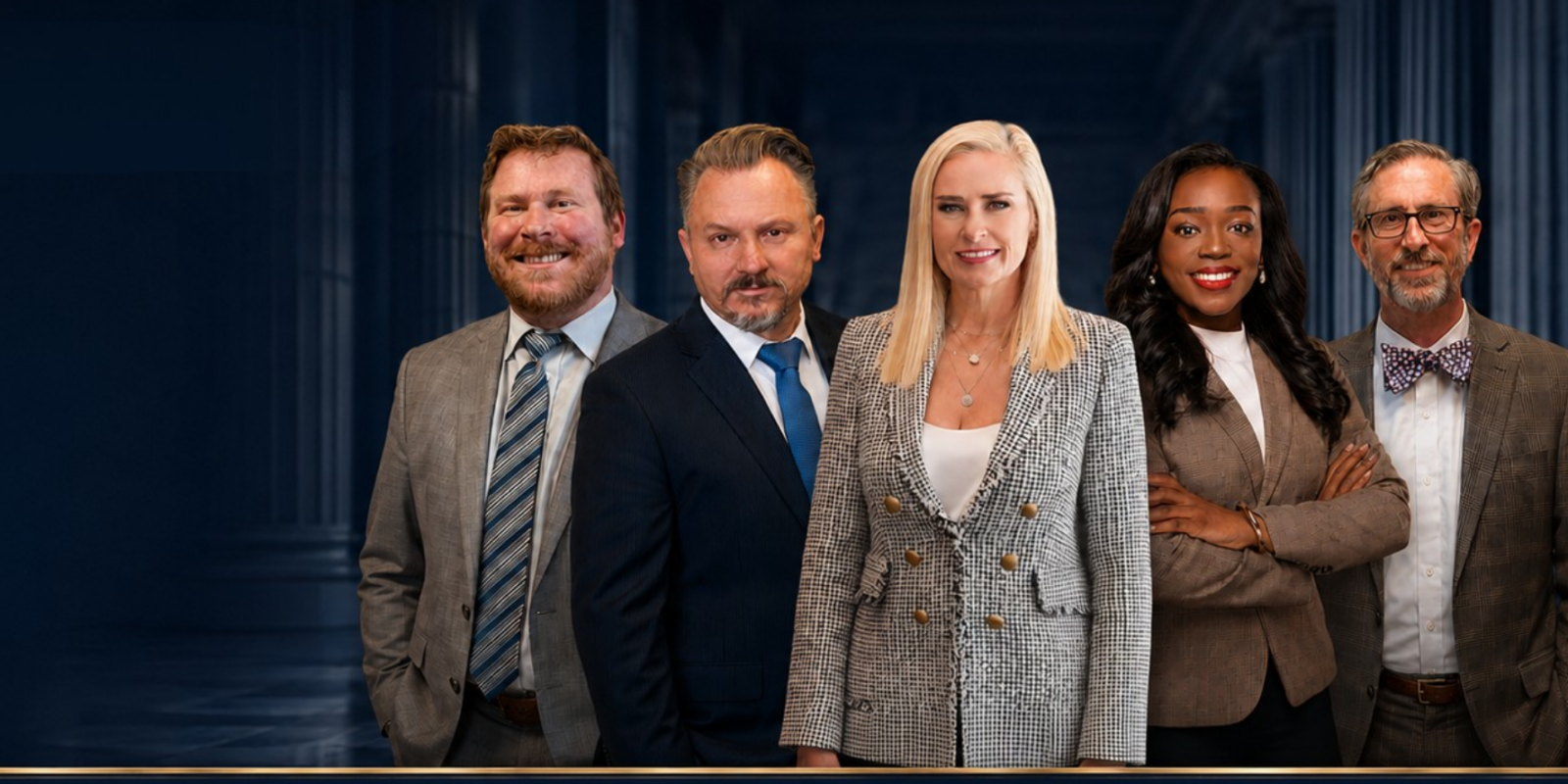
Meet the attorneys who will personally handle your healthcare fraud defense.


Offices Handling These Cases
Find the Deandra Grant Law office nearest you for healthcare fraud defense across Texas.
Allen
1333 W. McDermott Drive, Suite 180, Allen, TX 75013 Visit This Office
Dallas (HQ)
3300 Oak Lawn Avenue, Suite 700, Dallas, TX 75219 Visit This Office
Denton
1317 E. McKinney Street, Suite 101A, Denton, TX 76209 Visit This Office
Fort Worth
4500 Airport Freeway, Suite 101, Fort Worth, TX 76117 Visit This Office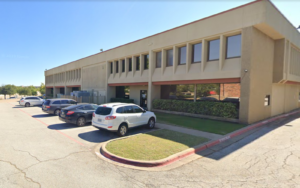

Waco
605 Austin Avenue, Suite 5, Waco, TX 76701 Visit This OfficeCourthouses We Appear In
Courthouses where our attorneys represent clients facing this charge across Texas.
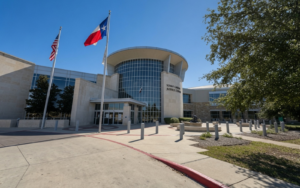
Bell County Courts
Everything you need to know about criminal court in Bell County, Texas: where cases are heard at the…
View Courthouse Info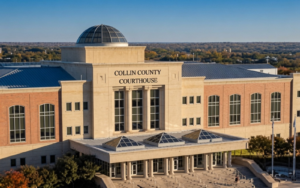
Collin County Courts
Everything you need to know about criminal court in Collin County, Texas: where cases are heard at the…
View Courthouse Info
Cooke County Courts
Everything you need to know about criminal court in Cooke County, Texas: where cases are heard in Gainesville,…
View Courthouse Info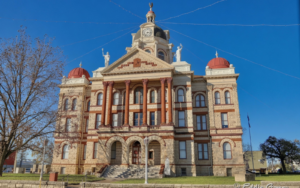
Coryell County Courts
Everything you need to know about criminal court in Coryell County, Texas: where cases are heard in Gatesville,…
View Courthouse Info
Dallas County Courts
Everything you need to know about criminal court in Dallas County, Texas: where cases are heard at the…
View Courthouse Info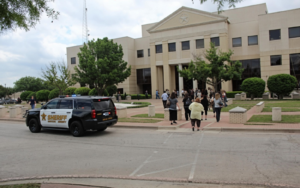
Denton County Courts
Everything you need to know about criminal court in Denton County, Texas: where cases are heard at the…
View Courthouse Info
Ellis County Courts
Everything you need to know about criminal court in Ellis County, Texas: where cases are heard at the…
View Courthouse Info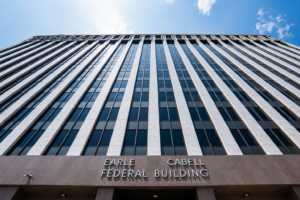
Federal Courts
Deandra Grant Law defends federal criminal cases across all four federal districts in Texas, the District of Columbia,…
View Courthouse Info
Johnson County Courthouse
Everything you need to know about criminal court in Johnson County, Texas: where cases are heard at the…
View Courthouse Info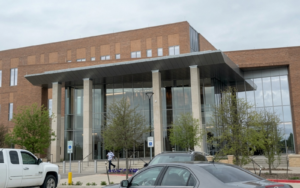
Kaufman County Courts
Everything you need to know about criminal court in Kaufman County, Texas: where cases are heard at the…
View Courthouse Info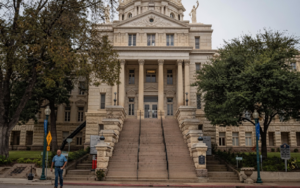
McLennan County Courts
Everything you need to know about criminal court in McLennan County, Texas: where cases are heard at the…
View Courthouse Info
Rockwall County Courts
Everything you need to know about criminal court in Rockwall County, Texas: where cases are heard at the…
View Courthouse Info