
Overview
This is the question people are afraid to ask their attorney: “What if I was actually drinking and driving? What if I’m guilty?”
If that is your situation, we want you to understand something important: being guilty and being convicted are two different things. The prosecution still has to prove its case. It still has to follow the law. The evidence still has to be reliable. And there are still meaningful differences between the worst possible outcome and a result that allows you to move forward with your life.
You Still Have Rights
Even if you were drinking and driving, the Constitution still applies to you. You still have the right to be free from unreasonable searches and seizures. You still have the right to remain silent. You still have the right to counsel. And you still have the right to hold the prosecution to its burden of proving every element of the offense beyond a reasonable doubt.
If the officer did not have reasonable suspicion to pull you over, the evidence can be suppressed even if you were intoxicated. If the blood test was contaminated, the result is unreliable even if you were over the legal limit. If the breath test machine was not properly calibrated, the number it produced is not trustworthy even if you had been drinking.
The Evidence May Not Be as Strong as You Think
Many people assume that because they were drinking, the prosecution’s case is airtight. That is often not true. Common issues we find in DWI cases where the client admits to drinking include:
- The BAC may have been rising. If you had your last drink shortly before driving, your blood alcohol level may have been below 0.08 while you were driving but above 0.08 by the time the test was administered. This is called rising blood alcohol, and it means the test result does not accurately reflect your BAC at the time of driving.
- The field sobriety tests may have been administered improperly. Officers frequently deviate from the standardized NHTSA protocols, which can produce unreliable results. Poor lighting, uneven surfaces, medical conditions, and officer scoring errors all affect SFST reliability. In addition, you may not have been a candidate for SFST’s due to weight, age or other physical factors.
- The breath or blood test may have errors. Our forensic training gives us the ability to identify scientific errors in testing that most attorneys would miss: partition ratio variability, in vitro fermentation, coelution, mouth alcohol contamination, and more.
- The officer’s observations may be exaggerated. Officers document their observations with an eye toward building the prosecution’s case. “Bloodshot eyes” can be caused by fatigue, allergies, or contact lenses. “Slurred speech” can be caused by anxiety, a speech impediment, or being nervous during a confrontation with police. “Odor of alcohol” does not establish intoxication.
Even If Conviction Is Likely, the Outcome Still Matters
If the evidence against you is strong and conviction is a realistic possibility, the focus shifts to minimizing the consequences. The difference between the worst possible outcome and the best achievable outcome can be enormous:
- Avoiding jail time through probation, community supervision, or alternative sentencing
- Preserving your driver’s license through occupational license applications and ALR hearing challenges
- Protecting your criminal record through deferred adjudication (where eligible under the 2019 law changes) or nondisclosure orders that seal your record from public view
- Reducing the charge from a Class A misdemeanor (BAC 0.15+, permanent conviction, no early termination of probation) to a Class B with deferred adjudication (eligible for nondisclosure and record sealing)
- Avoiding collateral consequences that affect your employment, professional licenses, insurance rates, and immigration status
Why You Still Need the Best Defense Possible
Prosecutors know that defendants who feel guilty are more likely to accept bad plea deals without fighting. They count on it. When you walk into court without an experienced attorney, the prosecution has no incentive to offer anything other than the maximum consequences they can get.
When you walk in with Deandra Grant Law, a firm that has defended thousands of DWI cases, that holds ACS-CHAL Forensic Lawyer-Scientist credentials, and that will prepare for trial on every case, prosecutors know they are dealing with a defense team that will challenge every piece of evidence and fight for every advantage. That changes the dynamic of the entire case.
Defend Your DWI Case with Science — Contact Deandra Grant Law
If you are facing DWI charges in Texas, contact Deandra Grant Law for a free, confidential consultation. Our attorneys hold ACS-CHAL Forensic Lawyer-Scientist designations, giving us the scientific training to challenge the prosecution’s evidence at a level most defense attorneys cannot match. Lead attorney Deandra Grant has defended thousands of DWI cases over 30+ years.
Call (214) 225-7117 or schedule an appointment online at texasdwisite.com.
Attorneys Who Handle This Charge

Douglas E. Huff
Read Attorney Profile
Jada Fairley
Read Attorney Profile
Jason Bowes
Read Attorney Profile
Kevin Sheneberger
Read Attorney ProfileOffices Handling These Cases
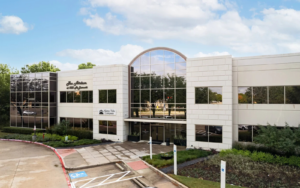
Allen
1333 W. McDermott Drive, Suite 180, Allen, TX 75013 Visit This Office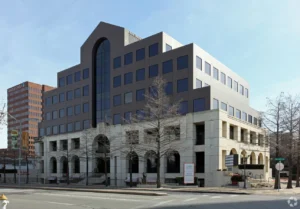
Dallas (HQ)
3300 Oak Lawn Avenue, Suite 700, Dallas, TX 75219 Visit This Office
Denton
1317 E. McKinney Street, Suite 101A, Denton, TX 76209 Visit This Office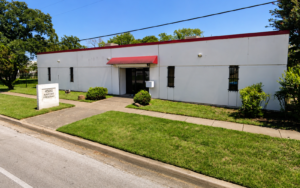
Fort Worth
4500 Airport Freeway, Suite 101, Fort Worth, TX 76117 Visit This Office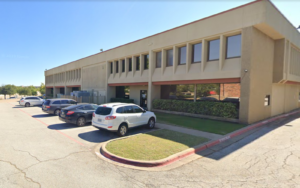
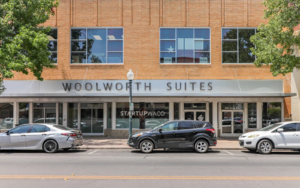
Waco
605 Austin Avenue, Suite 5, Waco, TX 76701 Visit This OfficeBooks & Guides
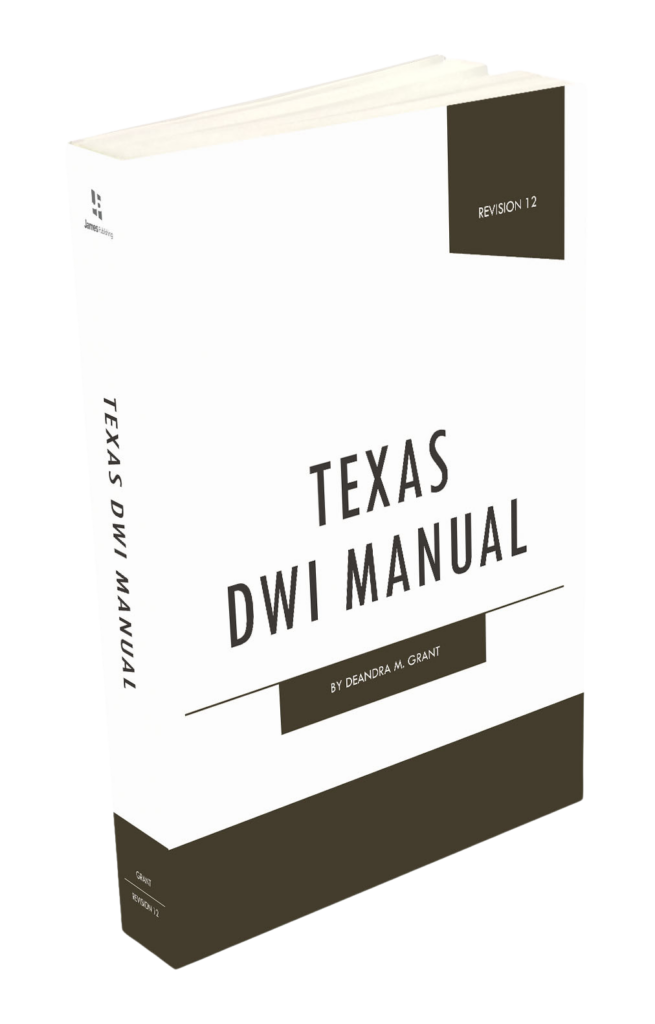
The Texas DWI Manual
Get the Book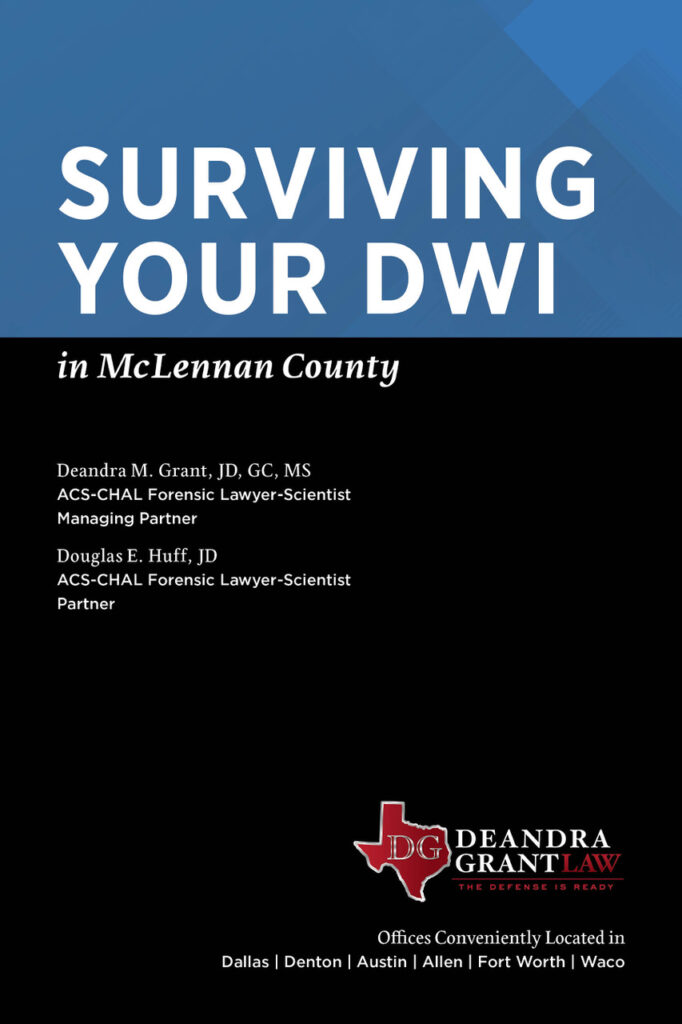
Surviving Your DWI in McLennan County
Get the Book
Surviving Your DWI in Bell County
Get the Book
Surviving Your DWI in Hays County
Get the Book
Surviving Your DWI in Tarrant County
Get the Book
Surviving Your DWI in Travis County
Get the Book
Surviving Your DWI in Kaufman County
Get the Book
Surviving Your DWI in Rockwall County
Get the Book
Surviving Your DWI in Ellis County
Get the Book
Surviving Your DWI in Grayson County
Get the Book
Surviving Your DWI in Cooke County
Get the Book
Surviving Your DWI in Collin County
Get the Book
Surviving Your DWI in Denton County
Get the Book