

Overview
Many Texans are surprised to learn that they can be charged with DWI for driving under the influence of medication that was legally prescribed to them by their doctor. Under Texas Penal Code §49.01, intoxication includes not having the normal use of mental or physical faculties by reason of the introduction of “a drug, a dangerous drug, a combination of two or more of those substances, or any other substance into the body.” Having a valid prescription is not a defense to DWI in Texas.
An entire chapter in Deandra’s book, The Texas DWI Manual, is devoted to drugged driving defense. In addition, Deandra has a Master’s Degree in Pharmaceutical Science.
Common Prescription Drugs That Lead to DWI Charges
- Benzodiazepines (Xanax, Valium, Klonopin, Ativan) — prescribed for anxiety, panic disorders, and insomnia. Can cause drowsiness, slowed reaction time, impaired coordination, and confusion.
- Opioid pain medications (hydrocodone, oxycodone, morphine, fentanyl patches) — can cause drowsiness, dizziness, slowed reflexes, and impaired judgment
- Sleep medications (Ambien, Lunesta, trazodone) — designed to induce sleep, and residual effects can impair driving the next morning
- Muscle relaxants (Soma, Flexeril, Robaxin) — cause drowsiness and impaired coordination
- Antihistamines (diphenhydramine/Benadryl, hydroxyzine) — cause significant drowsiness in many users
- ADHD medications (Adderall, Ritalin) — when taken in doses higher than prescribed or combined with other substances
- Antidepressants and antipsychotics — some cause drowsiness, blurred vision, or impaired coordination
Why Prescription Drug DWI Cases Are Different
No Per Se Standard
Unlike alcohol DWI, there is no concentration level of any prescription drug that automatically establishes intoxication in Texas. The prosecution must prove that the drug caused you to lose the normal use of your mental or physical faculties which is a subjective standard that depends on the officer’s observations, your performance on field sobriety tests, and toxicology results.
Therapeutic vs. Impairing Levels
A blood test showing the presence of a prescription drug does not prove impairment. Most prescription drugs have a therapeutic range which is a concentration range at which the drug provides its intended medical benefit without causing impairment. If your blood concentration is within the therapeutic range prescribed by your doctor, you may not have been impaired even though the drug was present in your system.
Drug Tolerance
Patients who take prescription medications regularly develop tolerance to the sedating or impairing side effects over time. A dose that would impair a first-time user may have no impairing effect on a long-term patient. The prosecution often fails to account for this tolerance when arguing impairment.
Defense Strategies
- Challenge the officer’s basis for suspecting drug impairment. Officers are trained primarily in alcohol detection. Their observations of “impairment” may actually reflect your medical condition, fatigue, or anxiety rather than drug effects.
- Challenge the DRE evaluation. Drug Recognition Expert protocols have known limitations and are subject to officer subjectivity. The signs attributed to drug impairment often overlap with symptoms of medical conditions or normal variations in physical presentation.
- Present therapeutic use evidence. Your prescribing physician can testify about the medication’s intended effects at your prescribed dose and whether impairment would be expected.
- Challenge the toxicology results. Blood tests may detect the presence of a drug without establishing an impairing concentration. Our forensic training allows us to evaluate whether the detected levels are consistent with therapeutic use or with impairment.
- Raise the “involuntary intoxication” defense. If you were not warned by your doctor or pharmacist that the medication could impair driving, you may argue a lack of knowledge of the impairing effects.
Defend Your DWI Case with Science — Contact Deandra Grant Law
If you are facing DWI charges in Texas, contact Deandra Grant Law for a free, confidential consultation. Our attorneys hold ACS-CHAL Forensic Lawyer-Scientist designations and Deandra has a Master’s Degree in Pharmaceutical Science which gives us the scientific training to challenge the prosecution’s evidence at a level most defense attorneys cannot match. Lead attorney Deandra Grant has defended thousands of DWI cases over 30+ years.
Call (214) 225-7117 or schedule an appointment online at texasdwisite.com.
Attorneys Who Handle This Charge
Meet the attorneys who will personally handle your prescription-drug DWI defense.

Douglas E. Huff
Read Attorney Profile
Jada Fairley
Read Attorney Profile
Jason Bowes
Read Attorney Profile
Kacey Simmons
Read Attorney Profile
Kevin Sheneberger
Read Attorney ProfileOffices Handling These Cases
Find the Deandra Grant Law office nearest you for prescription-drug DWI defense across Texas.
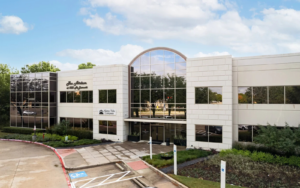
Allen
1333 W. McDermott Drive, Suite 180, Allen, TX 75013 Visit This Office
Dallas (HQ)
3300 Oak Lawn Avenue, Suite 700, Dallas, TX 75219 Visit This Office
Denton
1317 E. McKinney Street, Suite 101A, Denton, TX 76209 Visit This Office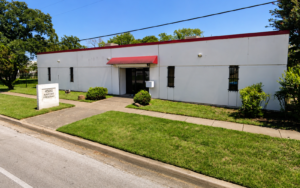
Fort Worth
4500 Airport Freeway, Suite 101, Fort Worth, TX 76117 Visit This Office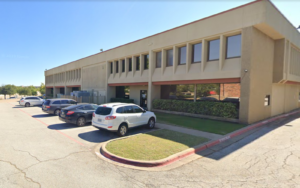

Waco
605 Austin Avenue, Suite 5, Waco, TX 76701 Visit This OfficeCourthouses We Appear In
Courthouses where our attorneys represent clients facing this charge across Texas.
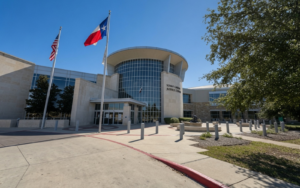
Bell County Courts
Everything you need to know about criminal court in Bell County, Texas: where cases are heard at the…
View Courthouse Info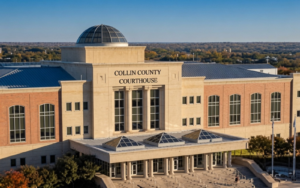
Collin County Courts
Everything you need to know about criminal court in Collin County, Texas: where cases are heard at the…
View Courthouse Info
Cooke County Courts
Everything you need to know about criminal court in Cooke County, Texas: where cases are heard in Gainesville,…
View Courthouse Info
Coryell County Courts
Everything you need to know about criminal court in Coryell County, Texas: where cases are heard in Gatesville,…
View Courthouse Info
Dallas County Courts
Everything you need to know about criminal court in Dallas County, Texas: where cases are heard at the…
View Courthouse Info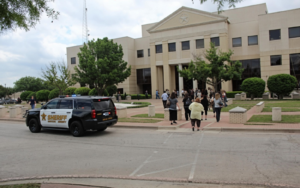
Denton County Courts
Everything you need to know about criminal court in Denton County, Texas: where cases are heard at the…
View Courthouse Info
Ellis County Courts
Everything you need to know about criminal court in Ellis County, Texas: where cases are heard at the…
View Courthouse Info
Federal Courts
Deandra Grant Law defends federal criminal cases across all four federal districts in Texas, the District of Columbia,…
View Courthouse Info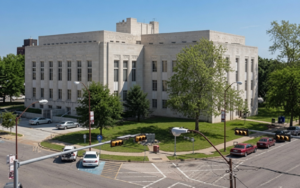
Grayson County Courts
Everything you need to know about criminal court in Grayson County, Texas: where cases are heard in Sherman,…
View Courthouse Info
Johnson County Courthouse
Everything you need to know about criminal court in Johnson County, Texas: where cases are heard at the…
View Courthouse Info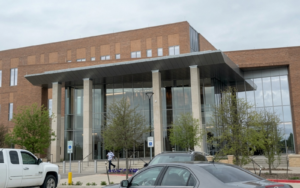
Kaufman County Courts
Everything you need to know about criminal court in Kaufman County, Texas: where cases are heard at the…
View Courthouse Info
McLennan County Courts
Everything you need to know about criminal court in McLennan County, Texas: where cases are heard at the…
View Courthouse Info
Rockwall County Courts
Everything you need to know about criminal court in Rockwall County, Texas: where cases are heard at the…
View Courthouse Info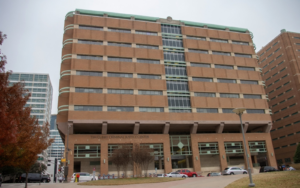
Tarrant County Courts
Everything you need to know about criminal court in Tarrant County, Texas: where cases are heard at the…
View Courthouse InfoBooks & Guides
Free books and guides on prescription-drug DWI, explaining your rights and options.
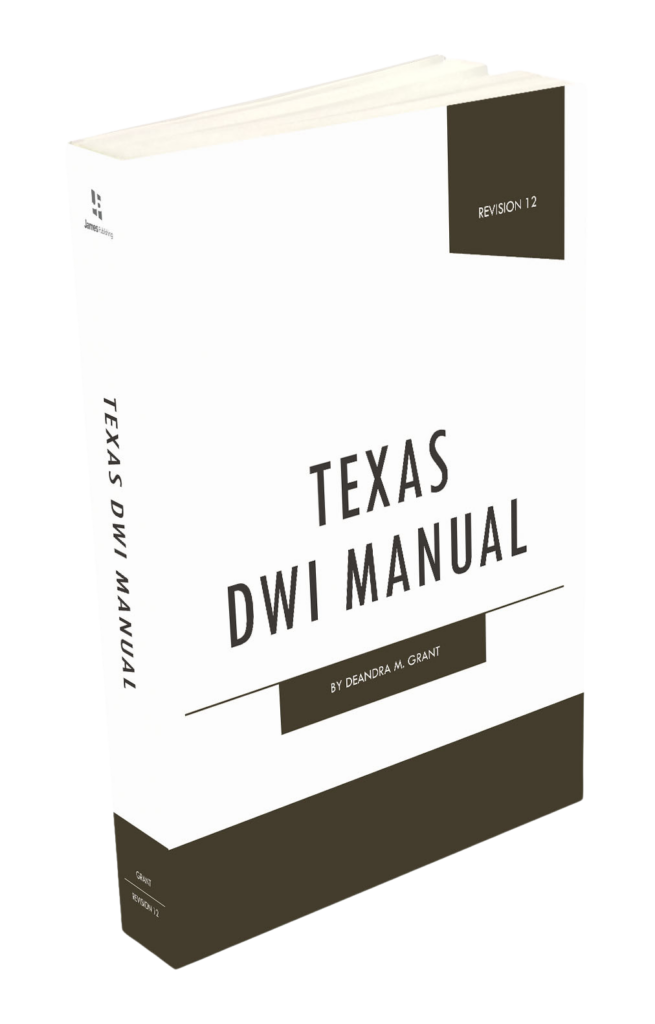
The Texas DWI Manual
Get the Book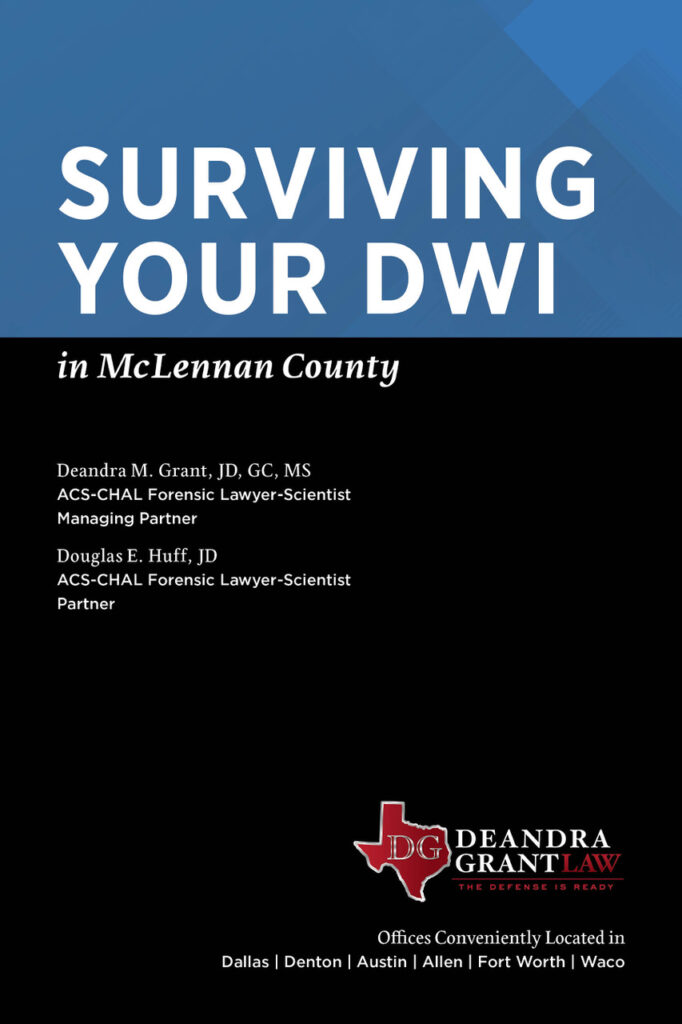
Surviving Your DWI in McLennan County
Get the Book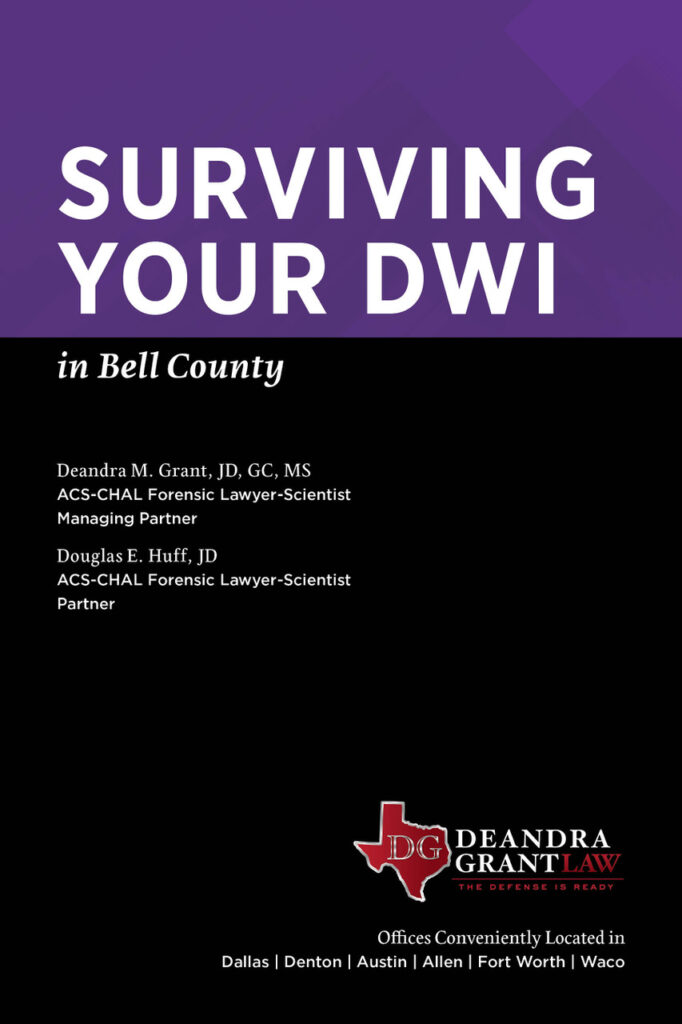
Surviving Your DWI in Bell County
Get the Book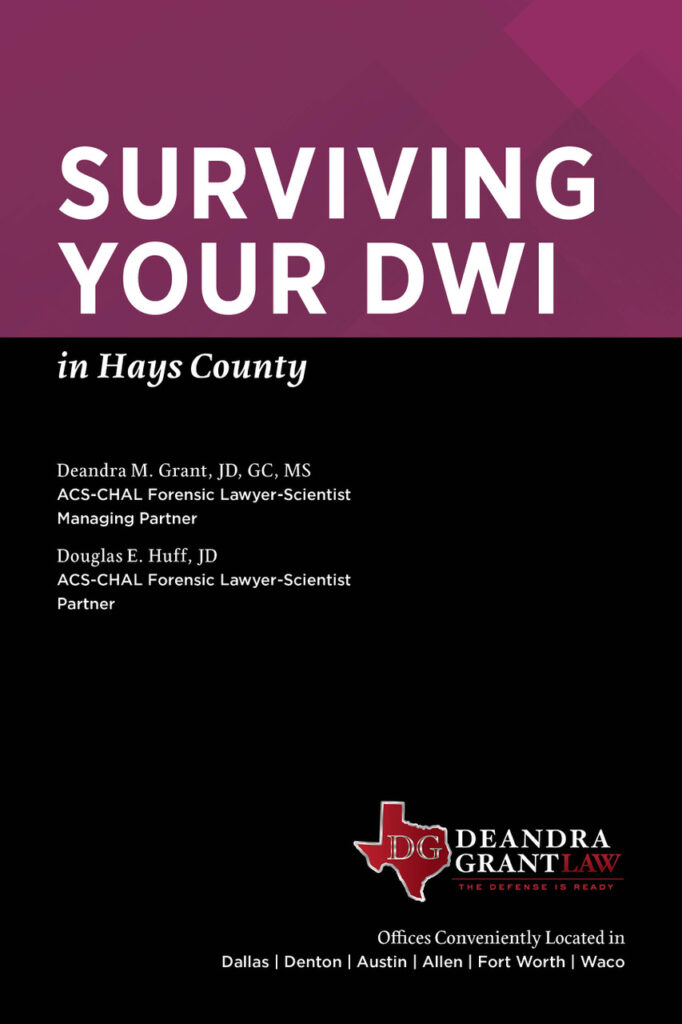
Surviving Your DWI in Hays County
Get the Book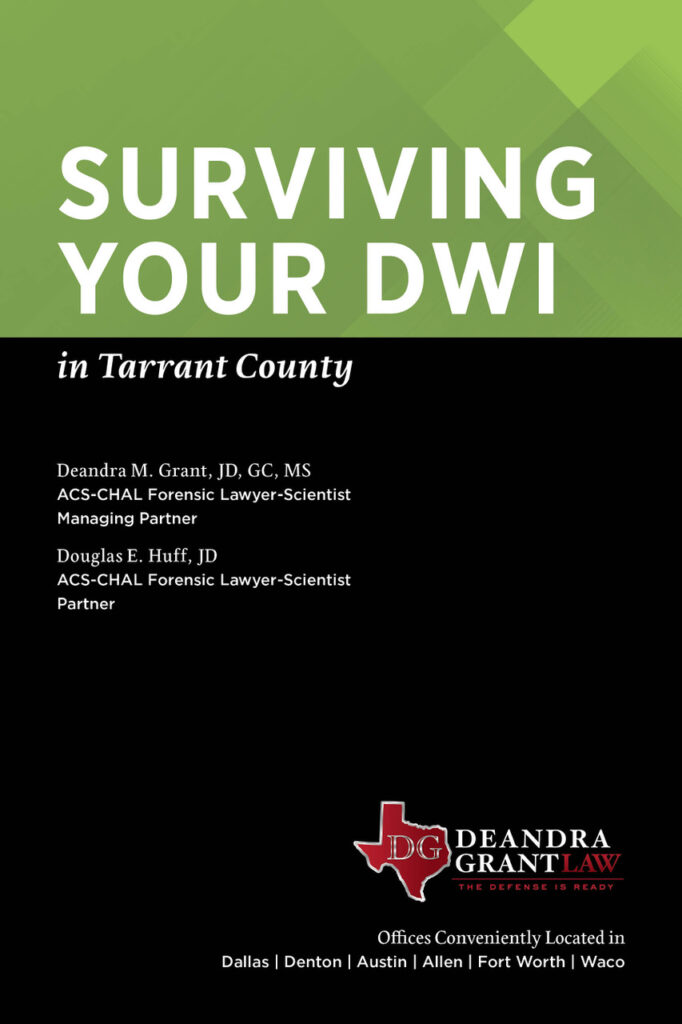
Surviving Your DWI in Tarrant County
Get the Book
Surviving Your DWI in Travis County
Get the Book
Surviving Your DWI in Kaufman County
Get the Book
Surviving Your DWI in Rockwall County
Get the Book
Surviving Your DWI in Ellis County
Get the Book
Surviving Your DWI in Grayson County
Get the Book
Surviving Your DWI in Cooke County
Get the Book
Surviving Your DWI in Collin County
Get the Book
Surviving Your DWI in Denton County
Get the Book
Surviving Your DWI in Dallas County
Get the BookVideos
Watch our attorneys explain prescription-drug DWI and how we defend these cases.