
Overview
A federal child sexual assault charge is among the most serious criminal allegations anyone can face. Federal prosecutors bring vast investigative resources to these cases (FBI agents, forensic laboratories, digital forensics specialists, and child forensic interviewers) and they pursue convictions aggressively. The penalties upon conviction include mandatory minimum prison sentences measured in decades, lifetime sex offender registration, and permanent collateral consequences that affect every aspect of a person’s life.
Defending against these charges requires a federal trial attorney with deep experience navigating the federal system and a defense team that can evaluate the government’s forensic evidence at a scientific level. At Deandra Grant Law, Attorney James Lee Bright leads our federal criminal defense practice with more than 25 years of experience in federal courts across Texas and the District of Columbia, including the three-month Stewart Rhodes/Oath Keepers seditious conspiracy trial in Washington, D.C.
Federal Statutes Governing Child Sexual Assault
- 18 U.S.C. §2241— Aggravated Sexual Abuse. When the victim is under 12, the mandatory minimum is 30 years and the maximum is life in federal prison. Offenses involving force or threat against any victim carry a maximum of life.
- 18 U.S.C. §2242— Sexual Abuse. Covers sexual contact through threats or with persons unable to consent. Maximum of 20 years, or life if the victim is under 12.
- 18 U.S.C. §2243— Sexual Abuse of a Minor. Applies when the victim is between 12 and 15 and the defendant is at least four years older. Maximum of 15 years.
- 18 U.S.C. §2244— Abusive Sexual Contact. Covers sexual touching involving force, threats, or incapacity. Penalties range from 2 to 10 years.
- 18 U.S.C. §2246— Jurisdiction. Federal jurisdiction arises when the alleged offense occurred on military installations, national parks, tribal lands, federal buildings, or other federal property.
When Child Sexual Assault Becomes a Federal Case
Most child sexual assault cases in Texas are prosecuted in state court. A case becomes federal when specific jurisdictional triggers are present:
- The alleged offense occurred on federal property — a military base (Fort Hood, Joint Base San Antonio, Fort Bliss), a national park, tribal land, or a federal courthouse or building
- The alleged offense involved interstate activity — the accused allegedly crossed state lines to engage in sexual contact with a minor, or used the internet or interstate electronic communications to facilitate the offense
- The case is connected to a broader federal investigation — such as a child exploitation, CSAM, or human trafficking investigation
- Federal agencies initiated the investigation — the FBI, Homeland Security Investigations, the Internet Crimes Against Children Task Force, or the U.S. Marshals Service
How We Challenge the Government’s Forensic Evidence
Forensic Interviews
The child’s forensic interview is typically the prosecution’s most important piece of evidence. These interviews are governed by established protocols (the NICHD Protocol, CornerHouse RATAC, and Finding Words/ChildFirst) developed specifically to minimize suggestibility and elicit accurate information from child witnesses. Deviations from these protocols compromise the reliability of the child’s statements.
Our defense team reviews the complete recording of every forensic interview, evaluating it against the applicable protocol and the peer-reviewed literature on child suggestibility. Specific issues we identify include: leading or suggestive questions that presuppose the alleged conduct; positive reinforcement of particular answers; repetition of questions the child has already answered; introduction of details by the interviewer before the child volunteered them; pre-interview contamination through conversations with parents, law enforcement, or medical personnel; and whether the interviewer adhered to the protocol’s open-ended questioning structure throughout the interview.
Medical Examination Findings
Physical examination evidence in child sexual assault cases is frequently misunderstood and misrepresented. The peer-reviewed literature is consistent: the majority of children with confirmed histories of sexual abuse have completely normal physical examinations. A normal physical finding does not mean abuse did not occur, and an abnormal finding does not establish that it did.
Our team evaluates medical findings against current peer-reviewed standards, identifying: normal anatomical variants that examiners may misclassify as trauma; accidental injuries that produce findings similar to those associated with abuse; medical conditions (dermatological, congenital, infectious) that can mimic abuse findings; and outdated classification criteria that are no longer consistent with the current scientific literature. We work with qualified medical experts to ensure the court receives an accurate interpretation of the physical evidence.
DNA Evidence
DNA evidence is often presented as the most powerful evidence in a sexual assault case, but a DNA result requires careful scientific evaluation before it can be understood as proof of anything. Our team examines collection procedures and chain of custody from the time of the physical examination through laboratory analysis; evaluates mixture interpretation methodology and whether the statistics reported accurately reflect the weight of the evidence; assesses the significance of reported matches in the specific context of the case; and reviews whether the laboratory followed its own validated protocols and applicable accreditation standards.
A DNA result that places a person’s genetic material at a location does not, by itself, prove when the material was deposited, how it was deposited, or whether a criminal act occurred. These contextual interpretations are argued by the prosecution and are subject to challenge.
Digital Forensic Evidence
Federal child sexual assault investigations frequently involve the seizure and forensic examination of electronic devices. The defense team will need to evaluate: whether devices were properly write-blocked before examination; whether IP address evidence actually identifies a specific person rather than merely a network connection; whether files could have been placed on a device by malware or unauthorized access; whether metadata and timestamps are accurate; and whether forensic imaging and analysis followed accepted scientific protocols.
Federal Sentencing: Mandatory Minimums and Mitigation
Federal child sexual assault convictions carry mandatory minimum sentences of 15 to 30 years, with life sentences possible for the most serious offenses under §2241. The Sentencing Guidelines’ Chapter 2A3 provisions, combined with specific offense characteristics for victim age, relationship, and other factors, can drive guidelines ranges well above the mandatory minimums.
Lee’s extensive experience in federal sentencing proceedings gives him a deep understanding of where opportunities for guideline departures and variances exist, how federal judges in the Northern District approach mitigation in these cases, and what the Sentencing Commission’s data shows about how courts have exercised their discretion.
Lead Attorney: James Lee Bright
James Lee Bright has spent more than 25 years defending clients against the most serious federal charges in courts across Texas and the country.
- Juris Doctor, University of Tennessee College of Law (1996)
- LL.M. in International Law, SMU Dedman School of Law (2003) — Phi Delta Phi honor fraternity
- Admitted to all four U.S. District Courts in Texas (Northern, Eastern, Southern, and Western Districts)
- Admitted to the U.S. District Court for the District of Columbia
- Admitted to the U.S. Court of Appeals for the Fifth Circuit
- Admitted to the United States Supreme Court
- Lead defense counsel in the Stewart Rhodes/Oath Keepers seditious conspiracy trial which was a three-month federal trial in Washington, D.C., among the most significant federal conspiracy prosecutions in recent history
- President, Dallas Criminal Defense Lawyers Association (2010–2011)
- Super Lawyers® (2021–2024)
- D Magazine Best Lawyers — multiple appearances
Facing Federal Child Sexual Assault Charges? Contact Us Now.
Federal child sexual assault cases move quickly and the consequences are devastating. Early involvement of defense counsel is critical. Contact Deandra Grant Law for a free, confidential consultation with Attorney James Lee Bright. We serve clients in all four Texas federal districts, the District of Columbia, and the Fifth Circuit Court of Appeals.
Call (214) 949-4295 or schedule an appointment online.
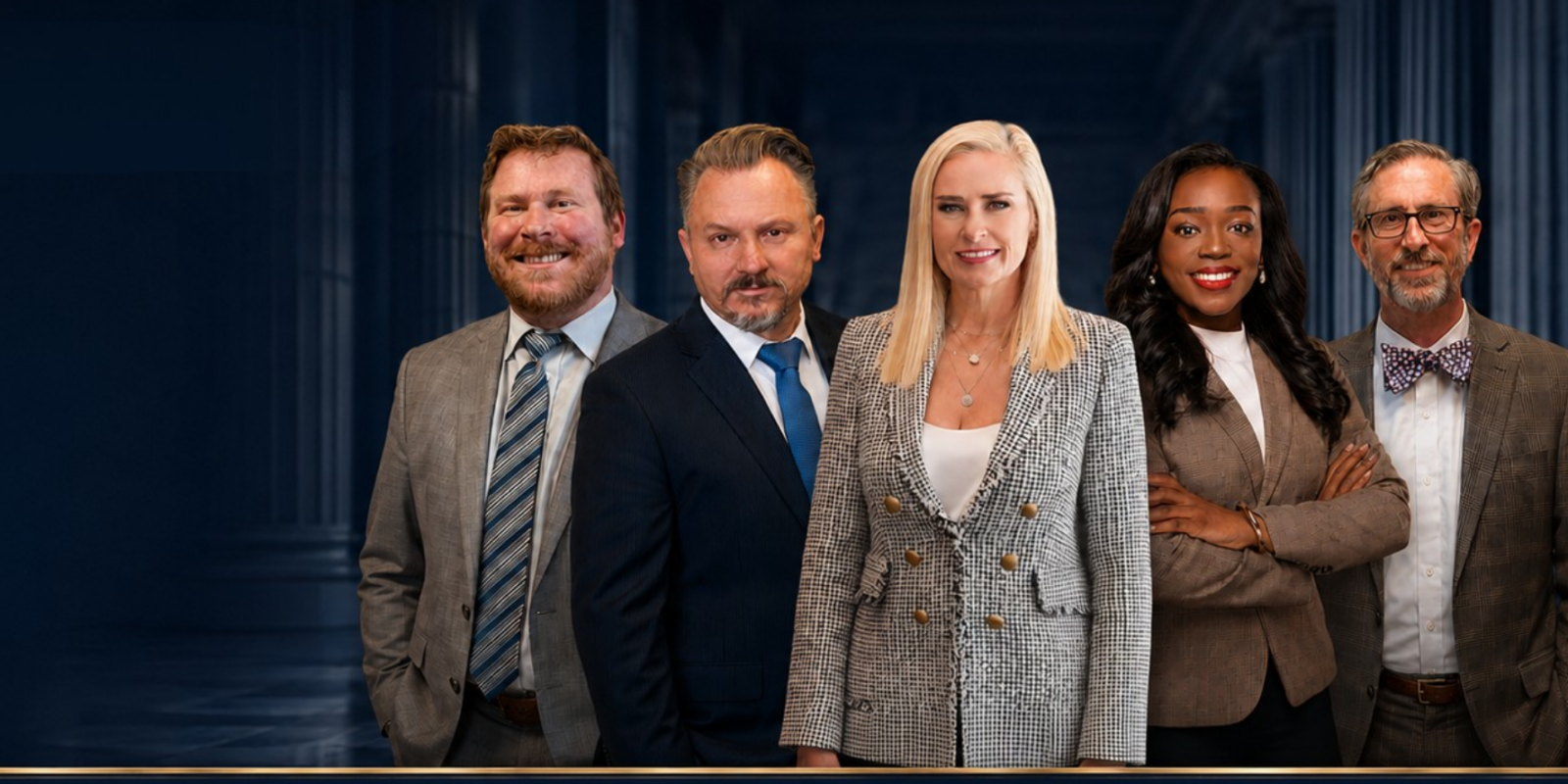
Attorneys Who Handle This Charge
Meet the attorneys who will personally handle your child sexual assault defense.

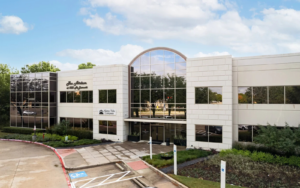
Offices Handling These Cases
Find the Deandra Grant Law office nearest you for child sexual assault defense across Texas.
Allen
1333 W. McDermott Drive, Suite 180, Allen, TX 75013 Visit This Office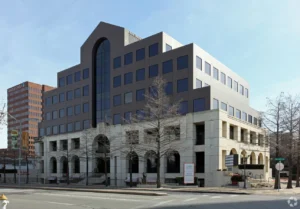
Dallas (HQ)
3300 Oak Lawn Avenue, Suite 700, Dallas, TX 75219 Visit This Office
Denton
1317 E. McKinney Street, Suite 101A, Denton, TX 76209 Visit This Office
Fort Worth
4500 Airport Freeway, Suite 101, Fort Worth, TX 76117 Visit This Office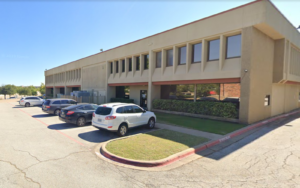

Waco
605 Austin Avenue, Suite 5, Waco, TX 76701 Visit This OfficeCourthouses We Appear In
Courthouses where our attorneys represent clients facing this charge across Texas.
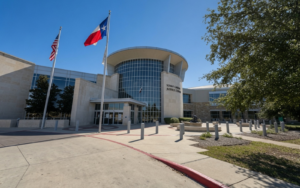
Bell County Courts
Everything you need to know about criminal court in Bell County, Texas: where cases are heard at the…
View Courthouse Info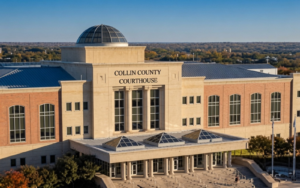
Collin County Courts
Everything you need to know about criminal court in Collin County, Texas: where cases are heard at the…
View Courthouse Info
Cooke County Courts
Everything you need to know about criminal court in Cooke County, Texas: where cases are heard in Gainesville,…
View Courthouse Info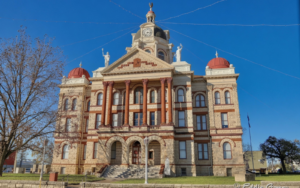
Coryell County Courts
Everything you need to know about criminal court in Coryell County, Texas: where cases are heard in Gatesville,…
View Courthouse Info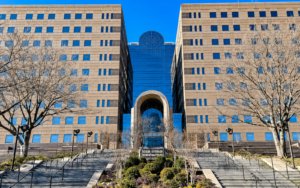
Dallas County Courts
Everything you need to know about criminal court in Dallas County, Texas: where cases are heard at the…
View Courthouse Info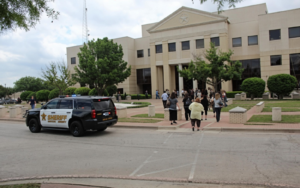
Denton County Courts
Everything you need to know about criminal court in Denton County, Texas: where cases are heard at the…
View Courthouse Info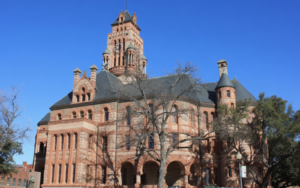
Ellis County Courts
Everything you need to know about criminal court in Ellis County, Texas: where cases are heard at the…
View Courthouse Info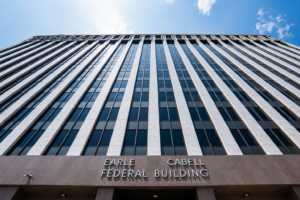
Federal Courts
Deandra Grant Law defends federal criminal cases across all four federal districts in Texas, the District of Columbia,…
View Courthouse Info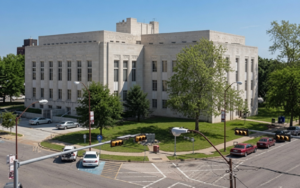
Grayson County Courts
Everything you need to know about criminal court in Grayson County, Texas: where cases are heard in Sherman,…
View Courthouse Info
Johnson County Courthouse
Everything you need to know about criminal court in Johnson County, Texas: where cases are heard at the…
View Courthouse Info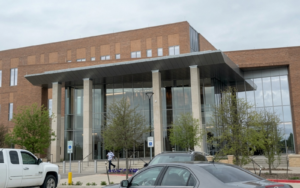
Kaufman County Courts
Everything you need to know about criminal court in Kaufman County, Texas: where cases are heard at the…
View Courthouse Info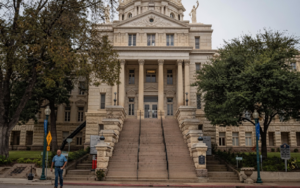
McLennan County Courts
Everything you need to know about criminal court in McLennan County, Texas: where cases are heard at the…
View Courthouse Info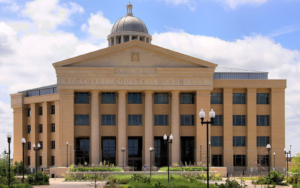
Rockwall County Courts
Everything you need to know about criminal court in Rockwall County, Texas: where cases are heard at the…
View Courthouse Info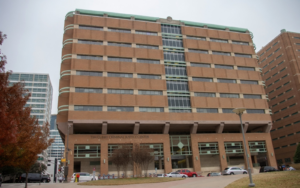
Tarrant County Courts
Everything you need to know about criminal court in Tarrant County, Texas: where cases are heard at the…
View Courthouse InfoVideos
Watch our attorneys explain child sexual assault and how we defend these cases.
Can Child Sex Assault Charges Be Dismissed?
Watch the Video
When a Minor Accuses an Adult of Sexual Assault
Watch the Video
Is a Child’s Statement Enough for a Sex Assault Charge?
Watch the Video