


Overview
Drug manufacturing charges in Texas encompass a wide range of conduct from a single individual synthesizing a controlled substance in a home lab to large-scale commercial production operations. What they share is a forensic evidence profile unlike any other drug offense: chemical residue analysis, precursor compound identification, synthesis byproduct profiling, and laboratory methodology that must be evaluated at the chemistry level to be effectively challenged.
This is where a Master’s Degree in Pharmaceutical Science matters. Managing Partner Deandra Grant’s graduate training covers the same scientific foundation that underlies both the prosecution’s forensic analysis and the defense’s challenge to it. Partner Douglas Huff holds the ACS-CHAL Forensic Lawyer-Scientist designation and has completed digital forensics training, applicable to the communications and digital evidence that frequently accompanies manufacturing investigations.
What “Manufacturing” Means Under Texas Law
Texas Health and Safety Code §481.002 defines “manufacture” broadly: the production, preparation, propagation, compounding, conversion, or processing of a controlled substance, directly or indirectly, by extraction from substances of natural origin, independently by chemical synthesis, or by a combination of extraction and chemical synthesis. It includes any packaging or repackaging of the substance or labeling of its container.
This definition is intentionally expansive. It covers:
• Chemical synthesis — creating a controlled substance through a chemical reaction, including methamphetamine production from precursor chemicals
• Extraction — deriving a controlled substance from a natural source, including extracting THC from plant material to produce oil or concentrate
• Propagation — growing a controlled substance, including marijuana cultivation
• Conversion — chemically transforming one compound into a controlled substance
• Repackaging — which means that repackaging a purchased controlled substance into smaller units can technically constitute manufacturing, though this is rarely the theory charged in practice
The breadth of this definition means that conduct ranging from cultivating marijuana plants to operating a methamphetamine synthesis lab can fall under the same statutory provision. The defense analysis begins by examining exactly what conduct is alleged and whether it actually satisfies the statutory definition.
The Forensic Evidence in Manufacturing Cases
Manufacturing cases are built on physical and chemical evidence seized from the location of the alleged manufacturing operation. Each category of evidence is subject to independent forensic examination.
Precursor chemical identification. The prosecution will present evidence of precursor chemicals as proof that manufacturing was occurring or intended. The presence of a precursor chemical does not establish that manufacturing occurred or was planned. Many precursors have legitimate household, industrial, or agricultural uses. The defense should examine whether the identified chemicals were actually precursors to the specific controlled substance alleged, whether the quantities present are consistent with manufacturing versus legitimate use, and whether the chemical identification methodology was properly applied.
Analysis of seized substances. Any substance alleged to be a controlled substance or a synthesis intermediate must be identified through validated analytical methodology. Some labs still use gas chromatography-mass spectrometry (GC-MS) which separates and identifies compounds by molecular weight and fragmentation pattern. The better way is through analysis via Liquid Chromatography-Tandem Mass Spectrometry (LC-MS/MS). The defense should obtain the complete lab data and not just the summary laboratory report. Identification errors, reference standard failures, and instrument calibration deficiencies are all grounds for challenge.
Synthesis byproduct profiling. A forensic chemist can sometimes identify the synthesis route used based on the specific byproducts present in a seized substance. This analysis requires expertise in organic chemistry and pharmaceutical synthesis. The defense can challenge both the methodology of the byproduct analysis and the conclusions drawn from it.
Quantification and the weight-based penalty threshold. The penalty level is determined by the weight of the controlled substance manufactured or possessed for manufacturing. The same mixture-weight rule applies here as in delivery cases: the full mixture, not just the pure controlled substance, is weighed. At penalty thresholds (particularly the 4-gram boundary between second-degree and first-degree felony, and the 200-gram and 400-gram enhanced minimums) the margin of error of the measurement instrument is a legitimate forensic challenge.
Digital and communications evidence. Manufacturing investigations frequently involve search warrants for cell phones, computers, and online communications. Purchase history for precursor chemicals, communications about synthesis methods, and financial records are all potential evidence categories. Doug Huff’s digital forensics training means this evidence is examined for completeness, authentication, and chain of custody and not simply accepted as the prosecution presents it.
Search and seizure of the premises. Clandestine lab searches are often conducted under warrants that describe the premises and the items to be seized. Warrants that are overbroad, that are executed beyond their stated scope, or that are issued without adequate probable cause are subject to suppression challenges under Texas Code of Criminal Procedure Article 38.23. Evidence seized in excess of the warrant’s scope may be suppressed.
Methamphetamine Manufacturing: The Most Common Clandestine Lab Case
Methamphetamine synthesis cases are the most common drug manufacturing prosecutions in North and Central Texas. These cases involve chemical reactions using precursor compounds including pseudoephedrine, ephedrine, and various reagents depending on the synthesis method. Texas law restricts pseudoephedrine purchases and requires identification and logging at the point of sale. This purchase history is frequently the evidentiary foundation of a meth manufacturing case.
Defense analysis in meth lab cases includes: whether the precursor quantities purchased are consistent with personal use versus manufacturing; whether the synthesis equipment identified in the search actually constitutes a functional manufacturing operation; whether chemical residues identified on equipment are consistent with the alleged synthesis route; and whether the law enforcement handling of hazardous chemicals during the investigation followed proper protocols that preserved the integrity of the evidence.
Texas Health and Safety Code §481.124 also creates a separate offense of possession or delivery of a chemical precursor with intent to manufacture which means a person can face manufacturing-level consequences based on precursor possession alone, without evidence that actual synthesis occurred. The intent element must be proven, and proof of precursor possession alone does not establish intent to manufacture.
Marijuana Cultivation
Marijuana cultivation is charged under the marijuana statutory scheme (§481.120 et seq.) rather than the penalty group manufacturing provisions. Cultivation of any amount of marijuana is a felony at higher weight thresholds and a misdemeanor at lower amounts. The weight used to calculate the charge level is the weight of the plant material, including stems and seeds.
In marijuana cultivation cases, the forensic identification of the plant as Cannabis sativa L. is a required element. Colorimetric field tests that produce a positive result are presumptive, not confirmatory. The defense should require confirmation through GC-MS, LC-MS/MS or other validated analytical methodology before accepting the identification as established.
Penalty Structure
Manufacturing — Penalty Group 1 (§481.112)
Penalty Group 1 includes methamphetamine, cocaine, heroin, oxycodone, and fentanyl.
• Less than 1 gram: State jail felony — 180 days to 2 years, fine up to $10,000.
• 1 to less than 4 grams: Second-degree felony — 2 to 20 years, fine up to $10,000.
• 4 to less than 200 grams: First-degree felony — 5 to 99 years or life, fine up to $10,000.
• 200 to less than 400 grams: First-degree felony, enhanced minimum — 10 to 99 years or life, fine up to $100,000.
• 400 grams or more: First-degree felony, enhanced minimum — 15 to 99 years or life, fine up to $250,000.
Manufacturing — Penalty Group 2 (§481.113)
Penalty Group 2 includes MDMA/ecstasy, PCP, and THC concentrate.
• Less than 1 gram: State jail felony — 180 days to 2 years, fine up to $10,000.
• 1 to less than 4 grams: Second-degree felony — 2 to 20 years, fine up to $10,000.
• 4 to less than 400 grams: First-degree felony — 5 to 99 years or life, fine up to $10,000.
• 400 grams or more: First-degree felony, enhanced minimum — 10 to 99 years or life, fine up to $100,000.
Manufacturing — Penalty Groups 3 and 4 (§481.114)
• Less than 28 grams: State jail felony — 180 days to 2 years, fine up to $10,000.
• 28 to less than 200 grams: Second-degree felony — 2 to 20 years, fine up to $10,000.
• 200 to less than 400 grams: First-degree felony — 5 to 99 years or life, fine up to $10,000.
• 400 grams or more: First-degree felony, enhanced minimum — 10 to 99 years or life, fine up to $100,000.
Why Deandra Grant Law
• ACS-CHAL Forensic Lawyer-Scientist — both Deandra Grant and Douglas Huff.
• Digital forensics training. Cell phone data, social media, CDR records, and metadata examined at the data level.
• 30+ years of criminal defense experience. 500+ trials to verdict across North and Central Texas.
• 17 published law books. Including Arrested for Drugs in Texas
• Texas Super Lawyer since 2011. AV® Preeminent rated by Martindale-Hubbell®.
• Offices in Dallas, Fort Worth, Allen, Denton, Waco, and Rockwall. North and Central Texas courts served directly.
• Federal defense capability. James Lee Bright handles federal charges in all four Texas federal districts.
If you are facing drug manufacturing charges in Texas, call (214) 225-7117 for a free, confidential consultation. Or schedule online at texasdwisite.com.
Attorneys Who Handle This Charge
Meet the attorneys who will personally handle your drug manufacturing defense.

Douglas E. Huff
Read Attorney Profile
Jada Fairley
Read Attorney Profile
Jason Bowes
Read Attorney Profile
Kevin Sheneberger
Read Attorney ProfileOffices Handling These Cases
Find the Deandra Grant Law office nearest you for drug manufacturing defense across Texas.
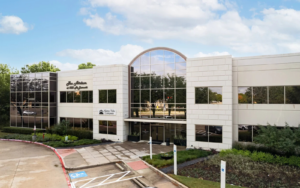
Allen
1333 W. McDermott Drive, Suite 180, Allen, TX 75013 Visit This Office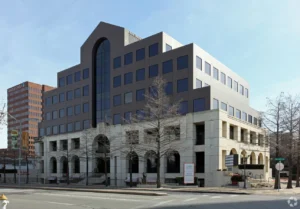
Dallas (HQ)
3300 Oak Lawn Avenue, Suite 700, Dallas, TX 75219 Visit This Office
Denton
1317 E. McKinney Street, Suite 101A, Denton, TX 76209 Visit This Office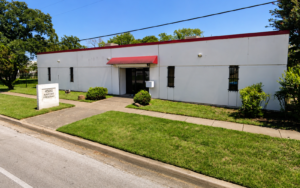
Fort Worth
4500 Airport Freeway, Suite 101, Fort Worth, TX 76117 Visit This Office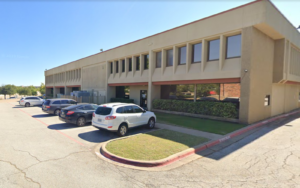

Waco
605 Austin Avenue, Suite 5, Waco, TX 76701 Visit This OfficeCourthouses We Appear In
Courthouses where our attorneys represent clients facing this charge across Texas.
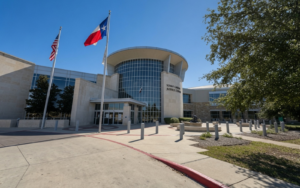
Bell County Courts
Everything you need to know about criminal court in Bell County, Texas: where cases are heard at the…
View Courthouse Info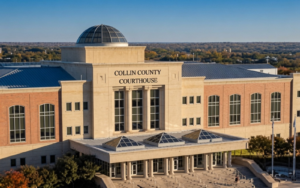
Collin County Courts
Everything you need to know about criminal court in Collin County, Texas: where cases are heard at the…
View Courthouse Info
Cooke County Courts
Everything you need to know about criminal court in Cooke County, Texas: where cases are heard in Gainesville,…
View Courthouse Info
Coryell County Courts
Everything you need to know about criminal court in Coryell County, Texas: where cases are heard in Gatesville,…
View Courthouse Info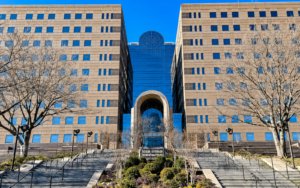
Dallas County Courts
Everything you need to know about criminal court in Dallas County, Texas: where cases are heard at the…
View Courthouse Info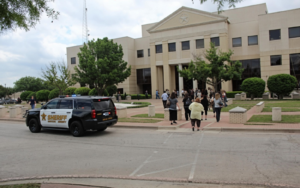
Denton County Courts
Everything you need to know about criminal court in Denton County, Texas: where cases are heard at the…
View Courthouse Info
Ellis County Courts
Everything you need to know about criminal court in Ellis County, Texas: where cases are heard at the…
View Courthouse Info
Federal Courts
Deandra Grant Law defends federal criminal cases across all four federal districts in Texas, the District of Columbia,…
View Courthouse Info
Grayson County Courts
Everything you need to know about criminal court in Grayson County, Texas: where cases are heard in Sherman,…
View Courthouse Info
Johnson County Courthouse
Everything you need to know about criminal court in Johnson County, Texas: where cases are heard at the…
View Courthouse Info
Kaufman County Courts
Everything you need to know about criminal court in Kaufman County, Texas: where cases are heard at the…
View Courthouse Info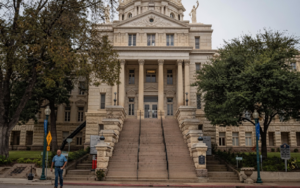
McLennan County Courts
Everything you need to know about criminal court in McLennan County, Texas: where cases are heard at the…
View Courthouse Info
Rockwall County Courts
Everything you need to know about criminal court in Rockwall County, Texas: where cases are heard at the…
View Courthouse Info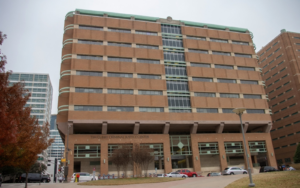
Tarrant County Courts
Everything you need to know about criminal court in Tarrant County, Texas: where cases are heard at the…
View Courthouse Info