Boating While Intoxicated (BWI)
Operating a watercraft while intoxicated, carrying penalties similar to a Texas DWI.
Learn More
Science-driven defense for every Texas DWI charge, from a first offense to felony DWI.

The criminal penalties for a DWI (fines, jail time, and license suspension) are only part of the picture. The conviction itself can follow you into every background check, every professional license application, and every employment decision for the rest of your life.
Being charged with DWI is not the same as being convicted. Most DWI prosecutions are built on forensic evidence (a breath test, a blood draw, field sobriety tests, or some combination) and every category of that evidence has known limitations and conditions under which the results are unreliable. The question is whether you have an attorney with the scientific training to challenge that evidence at the level the challenge requires.
Managing Partner Deandra M. Grant holds the ACS-CHAL Forensic Lawyer-Scientist designation, a Master’s Degree in Pharmaceutical Science, a Graduate Certificate in Forensic Toxicology, and is a trained SFST instructor who administers and grades the ACS-CHAL Forensic Lawyer-Scientist and DUIDLA Board Certification examinations. Partner Douglas E. Huff holds the same ACS-CHAL designation. The forensic challenges in DWI cases at Deandra Grant Law are conducted at the chemistry and methodology level and not just at the legal argument level.
The full range of DWI charges we handle in courts across Texas. Each of the following has dedicated page coverage with detailed analysis of the specific legal issues and forensic challenges involved.
Operating a watercraft while intoxicated, carrying penalties similar to a Texas DWI.
Learn MoreA DWI based on drugs rather than alcohol, where the State must prove impairment from a controlled substance.
Learn MoreDriving while impaired by marijuana, prosecuted the same as alcohol-based DWI.
Learn MoreDriving while impaired by prescription medication, charged the same as alcohol DWI.
Learn MoreA commercial driver charged with DWI faces license disqualification and career-ending consequences.
Learn MoreDriving while intoxicated with a child under fifteen aboard, a felony in Texas.
Learn MoreA first driving-while-intoxicated charge in Texas, usually a Class B misdemeanor.
Learn MoreCausing serious bodily injury to another while driving intoxicated, a third-degree felony.
Learn MoreCausing a death while driving intoxicated, a second-degree felony in Texas.
Learn MoreA second or subsequent DWI carries harsher penalties than a first offense.
Learn MoreA driver under twenty-one with any detectable alcohol faces DWI or DUI charges.
Learn MoreReal outcomes from real Texas DWI cases we have taken to verdict.
Felony intoxication manslaughter reduced to a misdemeanor before trial
Boating while intoxicated charge dismissed
DUI charge dismissed
DWI with high blood alcohol content dismissed
Second offense DWI charge dismissed
Not guilty verdict on DWI charge at trial
Prior results do not guarantee a similar outcome. Each case is unique.
Six reasons clients across Texas trust us to defend their DWI charges.
Attorney Deandra Grant is the only Texas DWI attorney holding the ACS-CHAL designation, a pharmaceutical-science master's, and forensic-toxicology training.
Since 1994 the firm has tried over 500 cases to verdict statewide, exclusively DWI and criminal defense.
Attorney Deandra Grant prosecuted DWI cases as a Dallas County ADA, so she knows exactly how the State builds them.
Comprehensive mitigation reports with clinical assessments, work specialists charge $3,500 to $5,000+, provided at no additional cost.
Attorney Deandra Grant authored the Texas DWI Manual and 17 legal books defense lawyers across the state rely on.
Attorney Grant administers and grades the ACS-CHAL and DUIDLA board exams that certify other DWI attorneys nationwide.
The awards, ratings, and credentials that set our DWI defense apart statewide.










The media outlets that turn to our attorneys for insight on Texas DWI law.





Texas Penal Code §49.04 defines DWI as operating a motor vehicle in a public place while intoxicated. Intoxication means either a BAC of 0.08% or higher, or not having the normal use of mental or physical faculties by reason of the introduction of alcohol or any other substance into the body. The second definition means a driver can be convicted of DWI at any BAC level if the prosecution proves impairment of normal faculties.
Deferred adjudication for first-offense DWI — HB 3582. Effective 2023, Texas law allows deferred adjudication community supervision for a first-offense DWI where the recorded BAC was below 0.15% and the defendant has no prior DWI convictions. An ignition interlock device is required as a condition of the deferred supervision. If the defendant successfully completes the supervision period, the case is dismissed and the defendant may seek non-disclosure of the record making this the one path to a sealable DWI record for eligible first-time offenders.
Deferred adjudication is not available for: second or subsequent DWI offenses; first-offense DWI with a recorded BAC of 0.15% or higher; DWI with child passenger; intoxication assault; intoxication manslaughter; or any other DWI offense elevated to a felony. For those offenses, a conviction results in a permanent, non-sealable record.
The Intoxilyzer 9000 is the breath testing instrument used in Texas. It measures alcohol in deep lung air and converts that measurement to an estimated blood alcohol concentration using a fixed partition ratio of 2100:1. The actual partition ratio varies across the population from approximately 1100:1 to 3400:1. A driver with a partition ratio higher than assumed will have a lower actual BAC than the instrument reports. The instrument’s calibration records, the 15-minute observation period compliance, and the presence of any interfering substances are all subject to independent examination.
A blood draw provides a direct measurement but is only as reliable as the collection, storage, and analysis procedures that produced it. In vitro fermentation (the conversion of residual blood sugars to alcohol by bacteria after collection) can occur when specimens are improperly stored or when the sodium fluoride preservative is inadequate. GC-FID is the standard analytical methodology for blood alcohol. The raw laboratory data (the chromatogram, calibration curve, internal standard performance, and quality control records) is what the defense reviews, not just the final reported number.
The three standardized field sobriety tests (HGN, Walk and Turn, and One Leg Stand) were validated by NHTSA under controlled conditions with trained officers. Their accuracy claims apply only when the tests are administered exactly as specified in the NHTSA manual, in comparable conditions, to subjects from the studied population. HGN has more than 47 documented causes other than alcohol. Physical conditions, age, weight, inner ear disorders, neurological conditions, medications, environmental factors, and protocol deviations all affect reliability. Deandra Grant is a certified SFST instructor who administers and grades these tests professionally.
When a blood or breath test is administered some time after the traffic stop, the prosecution may use retrograde extrapolation to project the BAC backward to the time of driving. This requires assumptions about absorption rate, elimination rate, and whether the driver was in the absorption or elimination phase at the time of the stop. Those assumptions are variable across individuals and are subject to challenge at the pharmacokinetic level.
When a Texas driver is arrested for DWI and fails or refuses a breath or blood test, DPS initiates an Administrative License Revocation. The driver receives a notice of suspension and has 15 days from the date of receiving that notice to request an ALR hearing. Missing this deadline means the suspension takes effect automatically with no opportunity to contest it.
Requesting the ALR hearing delays the suspension. The arresting officer must appear and testify under oath. This provides the defense an early opportunity for sworn cross-examination and fact development before the criminal case is resolved. Every DWI defendant who received a notice of suspension should request the ALR hearing without exception.
If you or someone you know has been arrested for DWI in Texas, call (214) 225-7117 for a free, confidential consultation. If you received a notice of suspension, the 15-day ALR deadline is already running. Or schedule online at texasdwisite.com/schedule-consultation.
Meet the forensic-trained trial lawyers who will personally handle your case.





Find a Deandra Grant Law office near you, with locations across Texas.
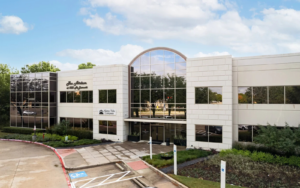
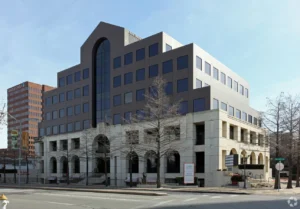

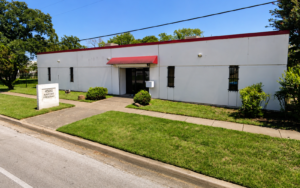
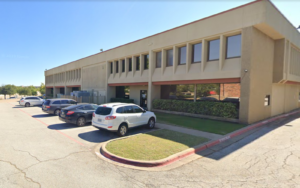
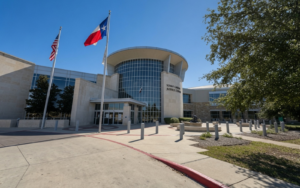
Everything you need to know about criminal court in Bell County, Texas: where cases are heard at the…
View Courthouse Info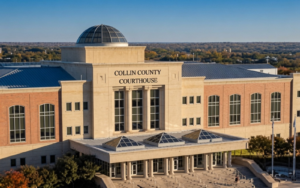
Everything you need to know about criminal court in Collin County, Texas: where cases are heard at the…
View Courthouse Info
Everything you need to know about criminal court in Cooke County, Texas: where cases are heard in Gainesville,…
View Courthouse Info
Everything you need to know about criminal court in Coryell County, Texas: where cases are heard in Gatesville,…
View Courthouse Info
Everything you need to know about criminal court in Dallas County, Texas: where cases are heard at the…
View Courthouse Info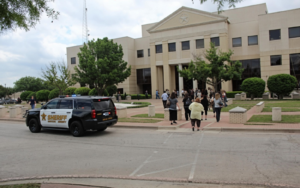
Everything you need to know about criminal court in Denton County, Texas: where cases are heard at the…
View Courthouse Info
Everything you need to know about criminal court in Ellis County, Texas: where cases are heard at the…
View Courthouse Info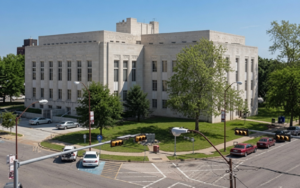
Everything you need to know about criminal court in Grayson County, Texas: where cases are heard in Sherman,…
View Courthouse Info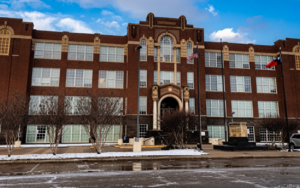
Everything you need to know about criminal court in Johnson County, Texas: where cases are heard at the…
View Courthouse Info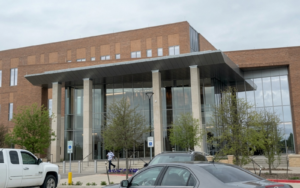
Everything you need to know about criminal court in Kaufman County, Texas: where cases are heard at the…
View Courthouse Info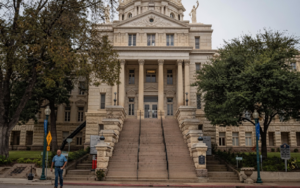
Everything you need to know about criminal court in McLennan County, Texas: where cases are heard at the…
View Courthouse Info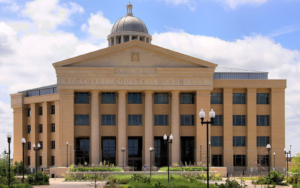
Everything you need to know about criminal court in Rockwall County, Texas: where cases are heard at the…
View Courthouse Info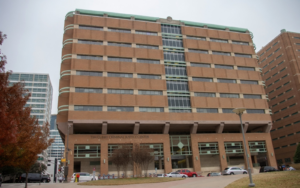
Everything you need to know about criminal court in Tarrant County, Texas: where cases are heard at the…
View Courthouse InfoFree books and guides to help you understand your Texas DWI case.
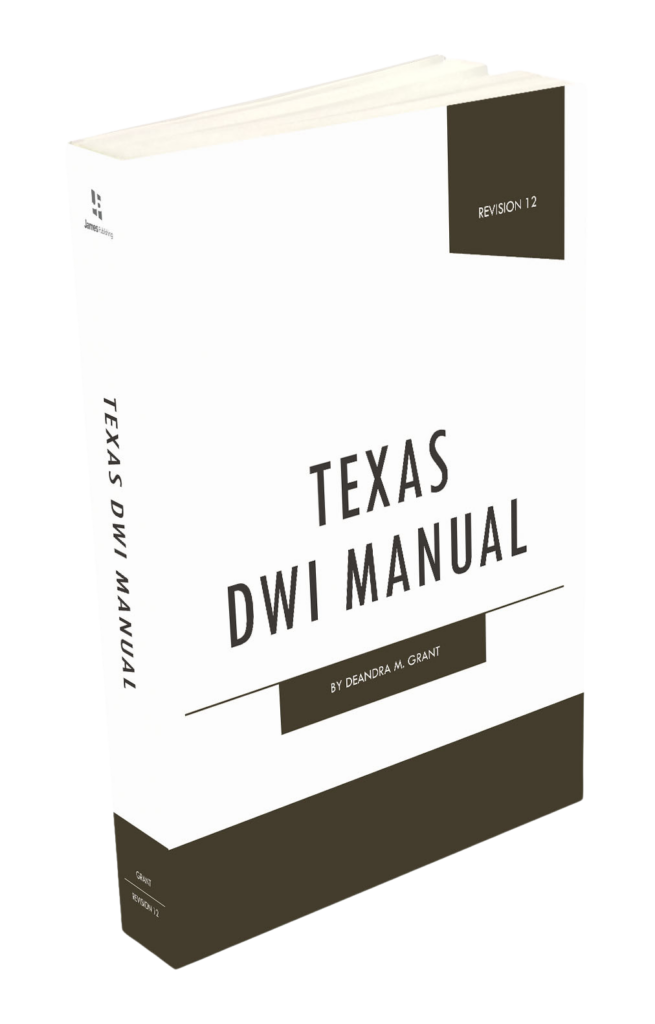
Watch our attorneys explain DWI charges, penalties, and how we build defenses.










































































































































![Can You Travel to Canada After a Texas DWI Conviction? Find Out the Legal Facts! [Part 5]](https://img.youtube.com/vi/EVuOo8LnBhY/hqdefault.jpg)
![Need to Travel to Canada After a DWI Conviction? Emergency Options Explained! [Part 4]](https://img.youtube.com/vi/D5jdGgiQvCE/hqdefault.jpg)
![Travel to Canada after a Texas DWI Conviction? Find Out Here! [Part 3]](https://img.youtube.com/vi/mTyvtblTE7s/hqdefault.jpg)
![How Can You Overcome a DWI Travel Ban to Canada? Find Out Your Options! [Part 2]](https://img.youtube.com/vi/CEK-_k6z_eY/hqdefault.jpg)
![Can You Travel to Canada After a Texas DWI Conviction? Here’s What You Need to Know! [Part 1]](https://img.youtube.com/vi/aAmuI0yYiy0/hqdefault.jpg)




What our clients say about working with Deandra Grant Law.
Lifesavers! Deandra Grant Law Helped Me Navigate My DWI Charge I can't recommend Deandra Grant Law enough! From the very beginning, they were incredibly supportive and understanding throughout my DWI case. Their expertise in the legal system was reassuring, and their communication was fantastic. They kept me informed every step of the way and truly fought for the best possible outcome in my case. Thanks to my attorney, Kevin , I was able to get the charges reduced, and avoid jail time. If you're facing a DWI charge, don't hesitate to contact them. They're the best!
Deandra Grant Law and the whole staff were very helpful in my DWI case. Through the client portal they are very quick to help and answer any questions you have. To them no question is a stupid one and they will always answer truthfully and respectfully. I was looking at a possible 24 months supervised probation but this team worked magic and got me 16 months! Amazing—highly recommended to anyone who is having doubts about their DWI case.
Highly recommended! Excellent, efficient, and highly educated attorney's and staff that keep up with the "now" and not the past. If you find yourself in the middle of a criminal charge or want to clear your record on an eligible non conviction/not guilty charge (including DWI), give Hamilton Grant a call, they are the best! I promise :)
Answers to the questions Texans ask most about DWI charges and defense.
Yes. Even a first DWI is a criminal charge that can mean jail time, a fine, and a license suspension, and it stays on your record permanently. A lawyer can challenge the stop and the testing, protect your license at the ALR hearing, and often keep a first offense from becoming a conviction.
Fees depend on the county, the level of the charge, and whether the case goes to trial. We talk through fees openly at the first consultation so there are no surprises, and we offer payment options. The cost of a conviction, in fines, surcharges, and insurance, usually dwarfs the cost of a defense.
When you are arrested for DWI, the State moves to suspend your license automatically. You have 15 days from the date of arrest to request an Administrative License Revocation hearing. Requesting that hearing keeps your license valid while the case is pending and lets your lawyer cross-examine the arresting officer.
Yes. DWI cases are dismissed or reduced when the stop was unlawful, the testing was flawed, or the State cannot prove intoxication at the time of driving. Outcomes depend on the facts, but every case is worth examining closely before anyone assumes a conviction is inevitable.
Not automatically, if you act in time. A suspension can come from the ALR process and from a conviction, but requesting the ALR hearing within 15 days protects your license while the case proceeds. We handle the ALR hearing and the criminal case together.
In Texas, DWI (driving while intoxicated) applies to adults and is the more serious charge, based on intoxication or a BAC of 0.08 or higher. DUI under the Alcoholic Beverage Code applies to drivers under 21 with any detectable alcohol. The two are charged under different laws and carry different penalties.
Every case starts with a conversation. Reach out today and put an experienced, trial-tested team in your corner. We’re available 24/7 across all six Texas offices.
Tell us what happened. We’ll respond within one business hour.
Submitting this form does not create an attorney-client relationship. All communications are confidential.