

Overview
Federal wire fraud under 18 U.S.C. §1343 is one of the most broadly applied criminal statutes in the federal system. Because it covers any scheme to defraud that uses electronic communications (ex. emails, phone calls, text messages, wire transfers, and virtually any internet activity) federal prosecutors use it as a catch-all charge in cases ranging from complex financial fraud to business disputes, regulatory violations, and political corruption. Each count carries a maximum of 20 years. If the fraud affects a financial institution, the maximum increases to 30 years and a fine of up to $1,000,000 per count.
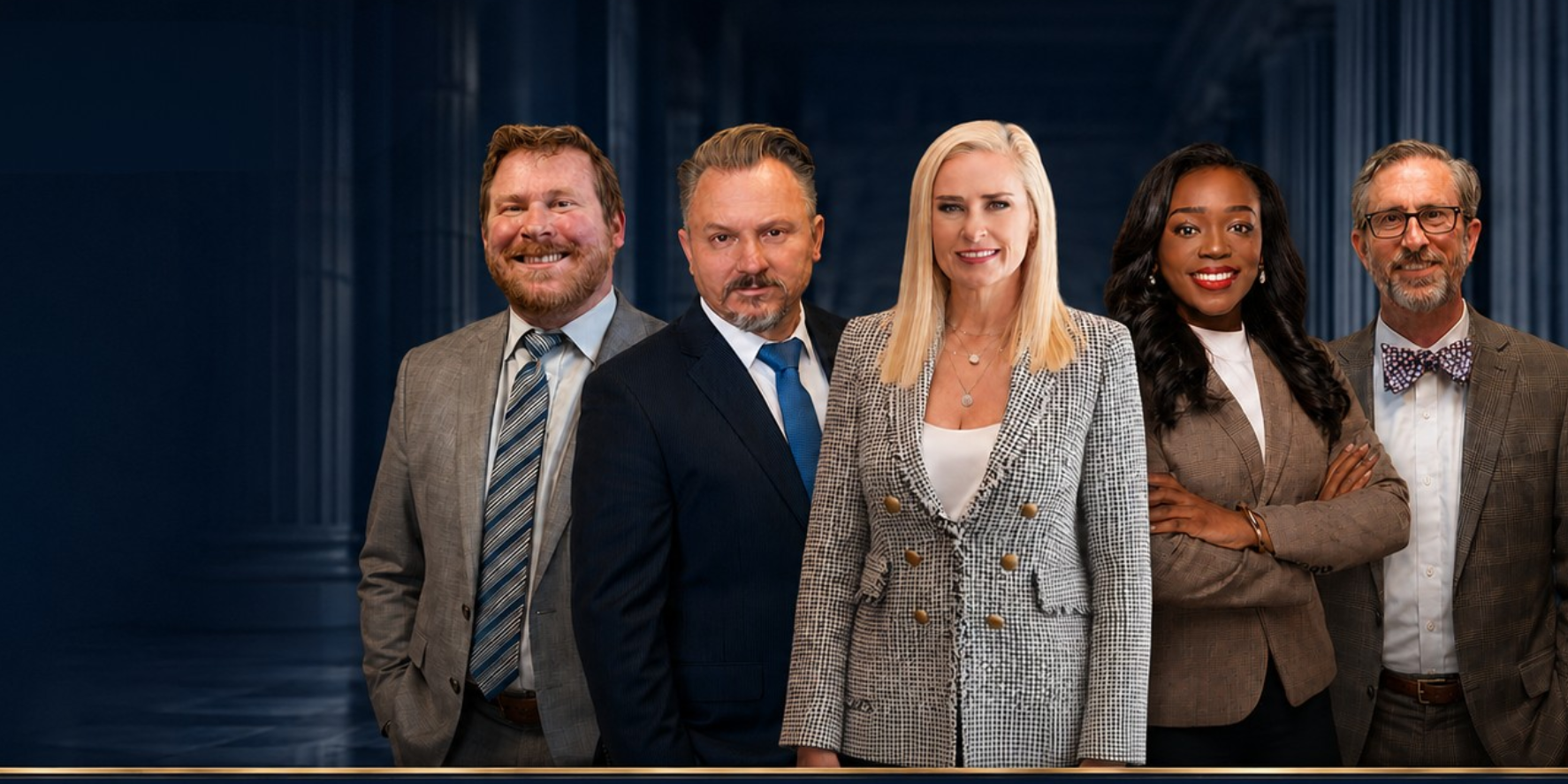
Of Counsel James Lee Brightleads Deandra Grant Law’s federal wire fraud defense. Lee has spent more than 25 years defending clients in the complex, document-intensive federal prosecutions that wire fraud cases produce including white-collar cases, multi-defendant conspiracies, and high-profile federal trials. PartnerDouglas Huff’s digital forensics training is directly applicable to the electronic evidence that drives wire fraud prosecutions.
Elements of Federal Wire Fraud
1. A scheme or artifice to defraud. The government must prove that the defendant engaged in a plan to deceive for financial gain, involving material misrepresentations or omissions. Following Neder v. United States, 527 U.S. 1 (1999), the misrepresentation must be material which means it must be capable of influencing a reasonable person’s decision. Non-actionable opinions, projections, and puffery are not material misrepresentations.
2. Intent to defraud. The defendant must have acted knowingly and with specific intent to deceive. Good-faith business decisions, honest mistakes, reliance on professional advisors, and broken promises are not wire fraud. The government must prove that the defendant knew their representations were false and intended to cause financial harm.
3. Use of interstate wire communications. At least one electronic communication must cross state lines. This element is met in virtually every modern business transaction involving email or electronic funds transfer. The wire transmission itself does not need to carry the fraudulent content directly. It only needs to be made in furtherance of the scheme.
Common Federal Wire Fraud Cases in Texas
• Business and investment fraud — Ponzi schemes, securities fraud, fraudulent solicitations
• Real estate and mortgage fraud — fraudulent applications, inflated appraisals, straw buyer schemes
• Insurance fraud — fraudulent claims, staged accidents
• Government contract fraud — false billing, misrepresentation of qualifications
• Business email compromise (BEC) — compromised or spoofed emails redirecting wire transfers
• Cryptocurrency and digital asset fraud — fraudulent ICOs, rug pulls, fake exchanges
• COVID-era relief fraud — PPP and EIDL applications charged under both wire fraud and 18 U.S.C. §1014
How We Challenge the Government’s Evidence
Intent to defraud. The intent element is the most contested issue in most wire fraud cases. Not every business failure is fraud. Lee examines whether the government is criminalizing bad business outcomes, recharacterizing contractual disputes, relying on hindsight, or conflating aggressive business practices with criminal conduct. His decades of federal trial experience give him the ability to present these distinctions persuasively to federal judges and juries.
Digital evidence and electronic communications. The defense must evaluate whether email accounts and devices have been properly attributed to the defendant, whether communications are presented in full context or selectively excerpted, whether metadata and timestamps are accurate, and whether the government’s timeline is consistent with the underlying data.
Financial evidence and loss calculations. Lee works with forensic accountants to independently analyze financial evidence, challenge inflated loss calculations, identify legitimate transactions included in the government’s loss figure, and present alternative calculations. Reducing the calculated loss amount can significantly reduce the Guidelines sentencing range.
Materiality and reliance. Following Neder, wire fraud requires proof that misrepresentations were material. Lee examines whether alleged misrepresentations were actually capable of influencing a reasonable person, whether victims relied on them, and whether statements were facts or non-actionable opinions, projections, or puffery.
Federal Sentencing in Wire Fraud Cases
Sentences are heavily driven by the loss amount under U.S.S.G. §2B1.1. The loss table adds levels to the base offense level based on the calculated financial harm:
• Loss over $6,500: +2 levels
• Loss over $15,000: +4 levels
• Loss over $40,000: +6 levels
• Loss over $95,000: +8 levels
• Loss over $250,000: +12 levels
• Loss over $550,000: +14 levels
• Loss over $1,500,000: +16 levels
• Loss over $3,500,000: +18 levels
• Loss over $9,500,000: +20 levels
Additional enhancements apply for large victim counts, sophisticated means, leadership role, and abuse of trust. The loss calculation is frequently the most important variable in federal financial crime sentencing and it is subject to independent challenge at the sentencing hearing.
James Lee Bright — Federal Wire Fraud Defense
• 25+ years of federal trial experience across all four Texas federal districts
• Admitted: Northern, Eastern, Southern, and Western Districts of Texas; District of Columbia; Fifth Circuit; U.S. Supreme Court
• J.D., University of Tennessee College of Law (1996)
• LL.M. in International Law, SMU Dedman School of Law (2003) — Phi Delta Phi honor fraternity
• Three-month federal trial in the District of Columbia — national prominence, covered by legal and news organizations worldwide
• President, Dallas Criminal Defense Lawyers Association (2010–2011)
• Texas Super Lawyers® 2021–2024 | D Magazine Best Lawyers
If you are facing federal wire fraud charges in Texas, call (214) 225-7117 for a free, confidential consultation with James Lee Bright. Or schedule online at texasdwisite.com.
Attorneys Who Handle This Charge
Meet the attorneys who will personally handle your wire fraud defense.


Offices Handling These Cases
Find the Deandra Grant Law office nearest you for wire fraud defense across Texas.

Allen
1333 W. McDermott Drive, Suite 180, Allen, TX 75013 Visit This Office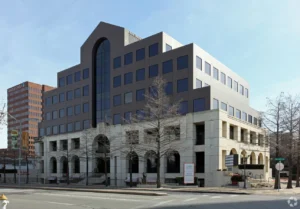
Dallas (HQ)
3300 Oak Lawn Avenue, Suite 700, Dallas, TX 75219 Visit This Office
Denton
1317 E. McKinney Street, Suite 101A, Denton, TX 76209 Visit This Office
Fort Worth
4500 Airport Freeway, Suite 101, Fort Worth, TX 76117 Visit This Office

Waco
605 Austin Avenue, Suite 5, Waco, TX 76701 Visit This OfficeCourthouses We Appear In
Courthouses where our attorneys represent clients facing this charge across Texas.
Bell County Courts
Everything you need to know about criminal court in Bell County, Texas: where cases are heard at the…
View Courthouse Info
Collin County Courts
Everything you need to know about criminal court in Collin County, Texas: where cases are heard at the…
View Courthouse Info
Cooke County Courts
Everything you need to know about criminal court in Cooke County, Texas: where cases are heard in Gainesville,…
View Courthouse Info
Coryell County Courts
Everything you need to know about criminal court in Coryell County, Texas: where cases are heard in Gatesville,…
View Courthouse Info
Dallas County Courts
Everything you need to know about criminal court in Dallas County, Texas: where cases are heard at the…
View Courthouse Info
Denton County Courts
Everything you need to know about criminal court in Denton County, Texas: where cases are heard at the…
View Courthouse Info
Ellis County Courts
Everything you need to know about criminal court in Ellis County, Texas: where cases are heard at the…
View Courthouse Info
Federal Courts
Deandra Grant Law defends federal criminal cases across all four federal districts in Texas, the District of Columbia,…
View Courthouse Info
Johnson County Courthouse
Everything you need to know about criminal court in Johnson County, Texas: where cases are heard at the…
View Courthouse Info
Kaufman County Courts
Everything you need to know about criminal court in Kaufman County, Texas: where cases are heard at the…
View Courthouse Info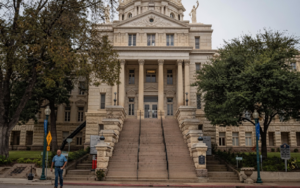
McLennan County Courts
Everything you need to know about criminal court in McLennan County, Texas: where cases are heard at the…
View Courthouse Info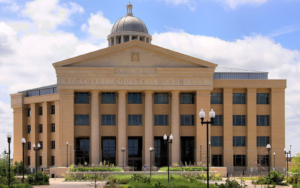
Rockwall County Courts
Everything you need to know about criminal court in Rockwall County, Texas: where cases are heard at the…
View Courthouse Info