

Do You Need Legal Help?

"Deandra Grant Law fights hard for their clients and is always willing to go above and beyond. They are the best firm for DWI cases in DFW and beyond. Definitely hire them to represent you in any pending cases."
- P. Williams
"Deandra Grant made a tough situation so much better. She listened to my concerns and helped me so much with my case. I would recommend her to anyone needing legal services."
- M. Haley
"Deandra Grant Law handled my case with diligence and professionalism. Deandra Grant's reputation is stellar and now I know why. She has a team of individuals who provide quality service."
- N. Coulter
As Seen On





A Fighting Team On Your Side
Since 1994 when our doors opened, Deandra Grant Law has helped thousands of clients get their DWI charges reduced or dismissed. We're ready to fight on your behalf.

Managing Partner

Partner & Criminal Division Chief

Criminal Division Senior Associate

Criminal Division DWI Trial Chief

Immigration Division Chief & Criminal Division Deputy Chief

Criminal Division Associate
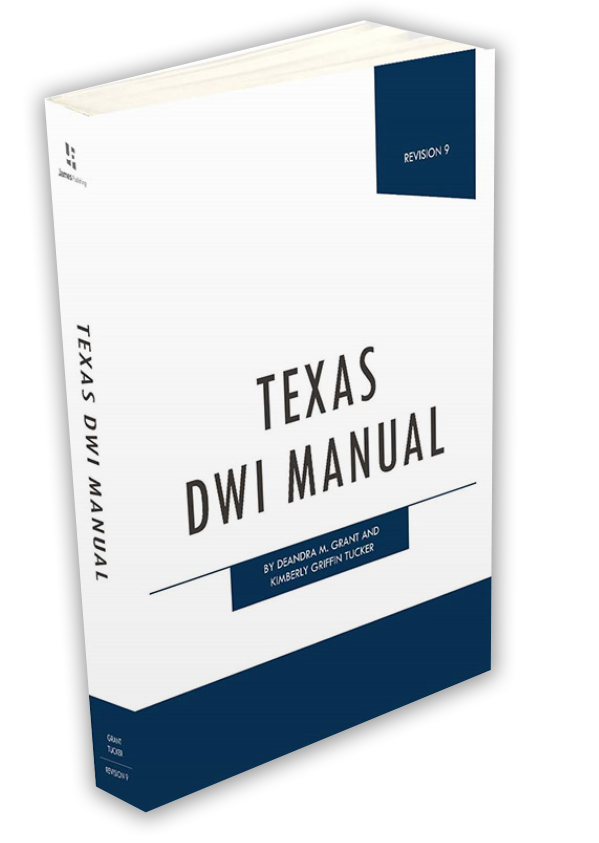
Texas DWI Manual
By Attorney Deandra Grant
Fighting DWI charges can present many challenges, not only for the defense, but prosecutors as well. This is why it is important to be armed with the necessary knowledge so you understand the DWI process.
Attorney Deandra M. Grant is the co-author of the Texas DWI Manual, offering legal advice to both clients and fellow attorneys. Fighting DWI charges can present may challenges, not only for the defense, but prosecutors as well. This is why it is important to be armed with the necessary knowledge so that you understand the DWI criminal process.
Learn MoreFort Worth DWI Attorneys
Facing a DWI charge in Fort Worth, TX, can be a distressing and overwhelming experience. At Deandra Grant Law, we understand the uncertainty and worry you may be feeling, and we are here to help. If you find yourself on this page, know that you are not alone, and our team of experienced Fort Worth DWI Attorneys are ready to provide the guidance and support you need during this challenging time.
Understanding DWI Charges in Fort Worth, TX
Driving While Intoxicated (DWI) is a serious offense in Fort Worth, TX. If you are arrested for DWI, you could be facing significant penalties, including fines, suspension of your driver’s license, mandatory alcohol education programs, and even potential jail time. Additionally, a DWI conviction can have long-term consequences, affecting your employment, reputation, and future opportunities.
The Numbers Don’t Lie
According to the Texas Department of Transportation, there were over 65,000 alcohol-related crashes in the state in a recent year. These crashes resulted in more than 25,000 injuries and over 1,200 fatalities. The authorities are dedicated to cracking down on drunk driving to keep the roads safe, but this vigilance can sometimes lead to false arrests or overly harsh charges.
Penalties for DWI in Texas
In Texas, the penalties for DWI (Driving While Intoxicated) can vary depending on the specific circumstances of the offense and the number of prior DWI convictions. Generally, the penalties become more severe with each subsequent offense. Here are the typical penalties for DWI in Texas:
First DWI Offense:
- Class B misdemeanor
- Up to 180 days in jail
- Fine of up to $2,000
- Driver’s license suspension for up to 1 year
- Annual surcharge of $1,000 or $2,000 for three years to retain driver’s license
Second DWI Offense:
- Class A misdemeanor
- 30 days to 1 year in jail
- Fine of up to $4,000
- Driver’s license suspension for up to 2 years
- Annual surcharge of $1,000, $1,500, or $2,000 for three years to retain driver’s license
Third DWI Offense:
- Third-degree felony
- 2 to 10 years in prison
- Fine of up to $10,000
- Driver’s license suspension for up to 2 years
- Annual surcharge of $1,000, $1,500, or $2,000 for three years to retain driver’s license
DWI with a Child Passenger:
- State jail felony
- 180 days to 2 years in state jail
- Fine of up to $10,000
Intoxication Assault (causing serious bodily injury while intoxicated):
- Third-degree felony
- 2 to 10 years in prison
- Fine of up to $10,000
Intoxication Manslaughter (causing death while intoxicated):
- Second-degree felony
- 2 to 20 years in prison
- Fine of up to $10,000
Related Videos
Certified in the science and testing of DWI enforcement
Appealing a DWI or BWI
Biggest Mistakes of a DWI Charge
Lawyer Scientist Certification
Boating while intoxicated with a child
DWI with a child in the car
Can I travel out of country with a DWI?
Going to Canada with a DWI
Choosing a DWI attorney
Choosing quality over cost with a DWI attorney
Cost of a DWI attorney
Cost of a BWI attorney
DWI on your criminal record
DWI probable cause
DWI while operating a boat
DWI with prior convictions
Emotional state of a DWI client
How long does a DWI conviction stay on my record?
How long will a DWI case take?
Operating a boat during pending DWI charges
Out-of-state DWI Arrest
Police didn’t have probable cause
Relieving stress of a DWI client
Prescription Drug DWI
Texas DWI Manual
Underage DWI Penalties
Hiring a lawyer who has an ACS-CHAL Forensic Lawyer-Scientist designation
What do officers watch for during a DWI traffic stop?
How do police reports affect a DWI case?
No Miranda warning given
Prior DWI conviction penalties
Challenging breathalyzer and blood test results
Legal strategies to challenging DWI charges
Mandatory minimum sentences for DWI convictions
Steps to take after being pulled over for DWI
Criminal process of a DWI
Charged with a DWI while sitting in your car
First time DWI charge
Second DWI charges
Third DWI charges
Being sent to jail for a first time DWI
Being sent to jail for multiple DWIs
Can I defend myself against a DWI charge?
Can I refuse a breathalyzer test?
Can refusing a breath or blood test help my case?
College age child arrested for DWI
Court process for a DWI charge
DWI license suspension
Driving during your license suspension
Legal alcohol limit
DWI with injury penalties
DWI written case evaluations
Expunging a DWI charge
Ignition Interlock Device
Losing your job from a DWI
Losing your license from a DWI
Penalties from a DWI conviction
Plea bargaining a DWI charge
Will pleading guilty reduce a DWI charge?
Refusing to answer police questions during a DUI arrest
Refusing field sobriety tests
Why you should choose a DWI attorney with lawyer scientist certification
Should I take a field sobriety test?
Administrative license revocation (ALR) process
Diversion programs for first-time DWI offenders
DWI defenses
What causes poor performance of field sobriety tests?
Charged with DWI after blowing below .08 BAC
Handgun in your vehicle during a DWI arrest
Can I choose between a breath or blood test?
What evidence is used against me for DWI?
Relevant Statistical Data
According to data from the Texas Department of Transportation, Fort Worth experienced a significant number of alcohol-related crashes in recent years. These statistics underscore the importance of taking DWI charges seriously and seeking legal representation from experienced Fort Worth DWI Attorneys.
The Importance of Hiring Our Fort Worth DWI Attorneys
Navigating the legal system on your own can be complex and daunting, especially when it comes to DWI cases. Hiring our experienced Fort Worth DWI Attorneys is crucial to ensure you have the best chance at a favorable outcome. Our attorneys have a deep understanding of DWI laws, court procedures, and the tactics used by the prosecution. We will use this knowledge to build a strong defense strategy tailored to your case, with the goal of securing positive results.
Our Approach to DWI Defense
At Deandra Grant Law, our approach to DWI defense is rooted in empathy, dedication, and skill. We take the time to listen to your side of the story and analyze the evidence against you. Our Fort Worth DWI Attorneys works tirelessly to uncover any weaknesses in the prosecution’s case, ensuring that your rights are protected throughout the legal process.
- Free Consultations: We understand that you may have many questions and concerns about your DWI case. That’s why we offer free consultations to discuss the details of your situation and provide you with an honest assessment of your options.
- Serious Consequences: DWI convictions in Fort Worth can result in fines, jail time, a criminal record, and the suspension of your driver’s license. With so much at stake, having a dedicated legal team is crucial to protect your rights and defend against these potential penalties.
- Experienced Guidance: Navigating the legal complexities of a DWI case can be overwhelming. Our experienced Fort Worth DWI Attorneys are well-versed in DWI laws, court procedures, and administrative proceedings. We will guide you through every step of the process, ensuring you understand your rights and options.
- Tailored Defense Strategy: Each DWI case is unique, and a one-size-fits-all approach won’t suffice. At Deandra Grant Law, we understand the importance of crafting a personalized defense strategy tailored to the specific circumstances of your case.
- Advocacy for Your Future: Our Fort Worth DWI Attorneys are dedicated to fighting for your future. We will work tirelessly to challenge the prosecution’s evidence, identify weaknesses in their case, and advocate for a positive outcome for you.
Related Blogs

Understanding DWI in Texas: What You Need to Know
Driving while intoxicated (DWI) is a serious offense that can have significant legal consequences in [...]

Understanding DWI vs. DUI in Texas: Navigating Legal Waters
Are you facing the daunting reality of DWI or DUI charges in Texas? Understanding the [...]

Steering Clear When Pulled Over for a DWI
In a recent article on AttorneyAtLawMagazine.com, Makenzie Zarate sheds light on the potential challenges and [...]

DWI/DUI Charges in Waco, TX: Legal Options and Consequences
Driving While Intoxicated (DWI) or Driving Under the Influence (DUI) charges are serious offenses that [...]

DWI and Commercial Drivers: Laws and Consequences in Travis County, TX
Driving while intoxicated (DWI) is a serious offense that poses a significant risk to road [...]

The Importance of Timely Action in Travis County, TX Multiple DWI Cases
In the sprawling landscape of legal intricacies surrounding multiple DWI cases in Travis County, Texas, [...]

How Police Encounters and Miranda Rights Apply to Underage DWI Arrests in Cooke County, TX
The picturesque landscapes of Cooke County, Texas, belie the challenges that may arise in legal [...]

Effective defense strategies for Fort Worth, TX hit and run DWI charges
In the bustling city of Fort Worth, Texas, navigating the legal landscape can be challenging, [...]
Avoiding Common Mistakes After a DWI Arrest in Fort Worth, TX: How Deandra Grant Law Can Help
Facing a DWI arrest in Fort Worth, TX, can be a frightening and overwhelming experience. In the midst of uncertainty, it’s crucial to avoid certain mistakes that could potentially harm your case and future. At Deandra Grant Law, our team of experienced Fort Worth DWI Attorneys are here to guide you through this challenging time and provide the expert legal assistance you need to protect your rights. Below are some common mistakes to avoid and how we can help you navigate your DWI charge.
Mistake 1: Admitting Guilt Without Legal Counsel
After a DWI arrest, you may feel pressured to cooperate with law enforcement and make statements without seeking legal advice. It is important to remember that you have the right to remain silent and consult with a DWI Attorney before answering any questions. Admitting guilt or providing self-incriminating information can significantly weaken your defense. Reach out to Deandra Grant Law immediately after your arrest to ensure your rights are protected and to receive expert counsel.
Mistake 2: Failing to Understand Your Rights
Understanding your rights during a DWI arrest is crucial. You have the right to remain silent, the right to legal representation, and the right to refuse field sobriety tests and chemical testing (with potential consequences). Our Fort Worth DWI Attorneys can educate you on your rights and help you make informed decisions that are in your best interest.
Mistake 3: Delaying Legal Action
DWI cases in Fort Worth require prompt action. Failing to act quickly can result in missed opportunities to gather crucial evidence, locate witnesses, or challenge the validity of the arrest. Contact Deandra Grant Law as soon as possible after your DWI arrest to start building a strong defense strategy.
Mistake 4: Representing Yourself
Navigating the complexities of DWI laws and legal proceedings without the expertise of a skilled DWI Attorney can be detrimental to your case. Our experienced Fort Worth DWI Attorneys have a comprehensive understanding of DWI laws, court procedures, and defense strategies. We will fight tirelessly on your behalf to pursue a positive outcome for your case.
Frequently Asked Questions About DWI Arrests in Fort Worth, TX
What should I do if I've been arrested for a DWI in Fort Worth?
If you’ve been arrested for a DWI in Fort Worth, the first and most important step is to remain calm and cooperative with law enforcement. Avoid making any statements or admissions of guilt without consulting with a DWI Attorney. Contact Deandra Grant Law as soon as possible to discuss your case and get professional legal advice.
Can I refuse to take a breathalyzer or field sobriety tests during the arrest?
In Texas, you have the right to refuse both the breathalyzer test and field sobriety tests. However, refusing the tests can result in the automatic suspension of your driver’s license. It’s important to understand the potential consequences and consult with an experienced DWI Attorney before making a decision.
Will I lose my driver's license after a DWI arrest?
Upon a DWI arrest in Fort Worth, your driver’s license may be subject to suspension. You have a limited time to request an administrative license revocation (ALR) hearing to challenge the suspension. A skilled DWI Attorney from Deandra Grant Law can help you navigate the ALR process and fight to retain your driving privileges.
What are the potential penalties for a DWI conviction in Fort Worth?
DWI penalties in Fort Worth vary depending on factors such as previous convictions, blood alcohol concentration (BAC), and whether there were any injuries or property damage involved. Penalties may include fines, jail time, probation, community service, mandatory alcohol education programs, and a criminal record.
Can I represent myself in court for a DWI case?
While you have the right to represent yourself, it is not recommended for DWI cases. DWI laws in Fort Worth can be complex, and the consequences of a conviction can be severe. Hiring an experienced DWI Attorney from Deandra Grant Law can significantly increase your chances of obtaining a favorable outcome.
How can a DWI Attorney help with my case?
A skilled DWI Attorney can analyze the evidence against you, identify potential weaknesses in the prosecution’s case, negotiate with the prosecution for reduced charges or penalties, and represent you in court. Deandra Grant Law’s Fort Worth DWI Attorneys will work diligently to build a strong defense strategy and protect your rights throughout the legal process.
Is it possible to have my DWI charges reduced or dismissed?
Yes, it is possible to have DWI charges reduced or dismissed, especially with the help of an experienced DWI Attorney. Depending on the circumstances of your case, your attorney may be able to negotiate with the prosecution for a plea agreement or challenge the evidence in court to seek a dismissal.
How can I afford legal representation for my DWI case?
Deandra Grant Law offers free consultations for DWI cases in Fort Worth. During the consultation, you can discuss the details of your case, explore available options, and get an understanding of the potential costs involved. Our firm is committed to providing affordable and effective legal representation to those facing DWI charges.
DWI Defense Client Story
This client story is for educational purposes only.
In the heart of Fort Worth, Texas, there lived a woman named Isabel who always cherished her freedom and independence. She loved the feeling of the open road and the wind in her hair as she drove through the city she called home. One fateful evening, as she was returning from a gathering with friends, her life took an unexpected turn.
Isabel was pulled over by the police on suspicion of driving while intoxicated (DWI). Fear and panic swept over her like a sudden storm. She knew the consequences of a DWI conviction in Fort Worth could be severe – fines, jail time, and a tarnished record that could haunt her for years to come. Her dreams of a bright future suddenly felt distant, lost in the darkness of uncertainty.
With a heavy heart and trembling hands, Isabel reached out to Deandra Grant Law for help. She had heard of their renowned team of Fort Worth DWI Attorneys and hoped that they would be her guiding light through this dark and difficult journey.
Upon meeting Attorney Deandra Grant, Isabel found solace in her presence. Deandra’s warm and compassionate nature instantly made her feel understood and supported. She listened intently to Isabel’s story, her fears, and her dreams, vowing to fight for her with every ounce of her expertise and determination.
As the legal battle ensued, Deandra Grant tirelessly investigated every detail of Isabel’s case. With unwavering dedication, she examined the evidence, questioned witnesses, and challenged any inconsistencies she found. Her fierce advocacy and commitment to justice gave Isabel a glimmer of hope in the midst of her despair.
Throughout the process, Deandra kept Isabel informed and reassured her that she was not alone. The weight on Isabel’s shoulders began to lighten, and she felt a renewed sense of strength knowing that she had a knowledgeable and compassionate ally by her side.
The day of the trial arrived, and anxiety gripped Isabel’s heart. But as the courtroom doors opened, she saw Deandra’s reassuring smile, and a sense of calm washed over her. Deandra presented a compelling defense, leaving no stone unturned, and fought relentlessly for Isabel’s rights.
Finally, the verdict was announced – not guilty. Tears of relief and gratitude streamed down Isabel’s cheeks. The nightmare was over, and she owed it all to Deandra Grant Law.
Contact Our Experienced Fort Worth DWI Attorneys at Deandra Grant Law
If you find yourself facing a DWI charge in Fort Worth, Texas, the road ahead may seem uncertain and overwhelming. But you don’t have to face it alone. At Deandra Grant Law, our team of experienced Fort Worth DWI Attorneys are here to be your advocate and guide throughout this challenging process.
We understand the fear and worry that comes with a DWI arrest, and we want to assure you that we are here to help. Our firm offers free consultations, where we will listen to your story, assess your case, and provide you with honest and reliable legal advice. We will work tirelessly to build a strong defense, examine every detail of your case, and fight passionately for your rights.
Our goal is to pursue a positive outcome for your DWI case. We know the serious consequences a DWI conviction can have – from hefty fines and jail time to a damaged record and suspended driver’s license. That’s why we will leave no stone unturned in our quest for justice and the protection of your future.
With Deandra Grant Law by your side, you can rest assured that you are in capable hands. Our experienced Fort Worth DWI attorneys will guide you through the complexities of court and administrative proceedings, helping you make informed decisions every step of the way.
If you or a loved one is facing a DWI charge in Fort Worth, don’t wait another moment. Reach out to us today to schedule your free consultation. Let us be your beacon of hope and strength as we navigate this challenging journey together. Remember, you are not alone – Deandra Grant Law is here to fight for you and to help you pursue a positive outcome for your DWI case.
Client Reviews

“Deandra Grant Law handled my case with diligence and professionalism. Deandra Grant’s reputation is stellar and now I know why. She has a team of individuals who provide quality service.”