

By Deandra Grant, J.D., M.S. (Pharmaceutical Science), ACS-CHAL Forensic Lawyer-Scientist You didn’t drive anywhere. You pulled into a parking lot, or you never left the spot where you were parked. The car may have been running. You may have been asleep. But you didn’t drive. Can you still be convicted of DWI in Texas? The […]
Category Archives: DWI Defense

Of all the scientific challenges to blood test accuracy in DWI cases, coelution may be the most technically significant and the least understood by defense attorneys. Coelution occurs when two or more chemical compounds exit the gas chromatography column at the same time, causing their detector signals to overlap. When this happens, the instrument cannot […]

The Intoxilyzer 9000 measures the amount of alcohol in a breath sample using infrared spectroscopy. It assumes that all detected alcohol came from deep lung air and represents the defendant’s blood alcohol concentration. But several common medical conditions can introduce substances into the breath that the instrument misidentifies as ethanol — or that elevate the […]

The prosecution’s blood test result in your DWI case is only as reliable as the integrity of the blood sample it was derived from. If the sample was contaminated at any point (during collection, transportation, storage, or analysis) the BAC result does not accurately reflect the alcohol concentration in your bloodstream at the time the […]

Every breath test result presented in a Texas DWI case is based on an assumption that the prosecution never tells the jury about: the partition ratio. This single assumption, built into the hardware and software of the Intoxilyzer 9000, can cause the instrument to overestimate your blood alcohol concentration by 20%, 30%, or more. Understanding […]
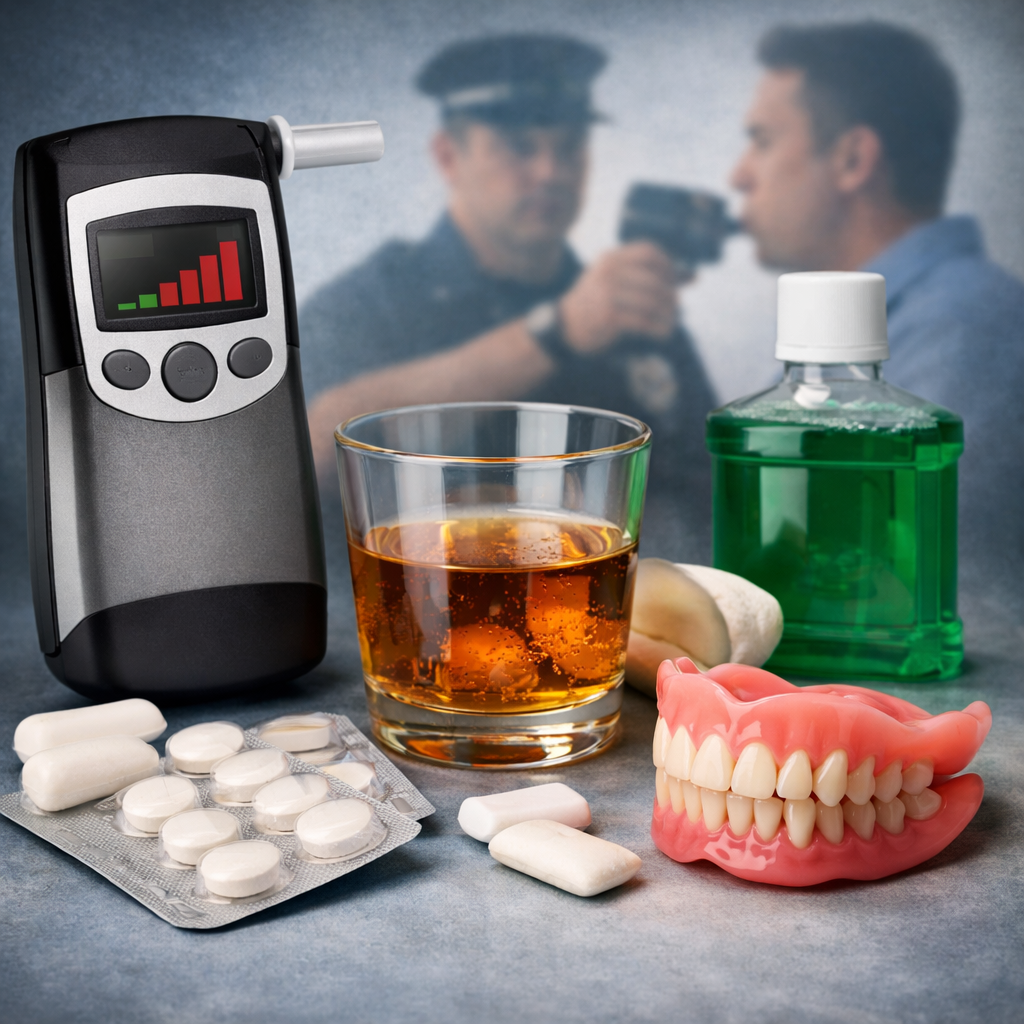
Breath testing instruments like the Intoxilyzer 9000 are designed to measure alcohol in deep lung air which is air from the alveoli of the lungs where gas exchange occurs between the blood and the breath. The instrument assumes that the alcohol it detects came from the lungs and uses that measurement to estimate blood alcohol […]
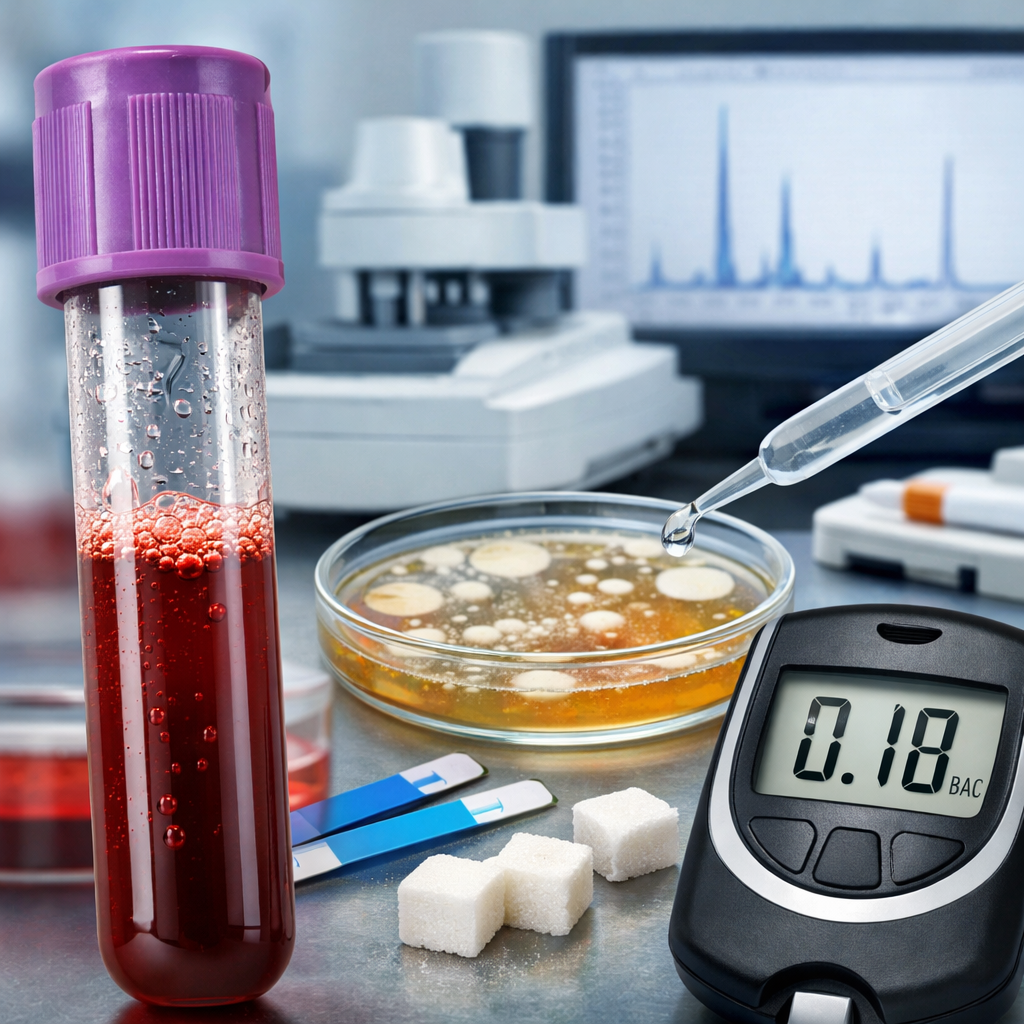
One of the most significant and least understood challenges to blood test accuracy in DWI cases is in vitro fermentation. This is the process by which microorganisms inside the blood collection tube produce alcohol after the blood was drawn, artificially inflating the BAC result. When in vitro fermentation occurs, the laboratory is not measuring the […]
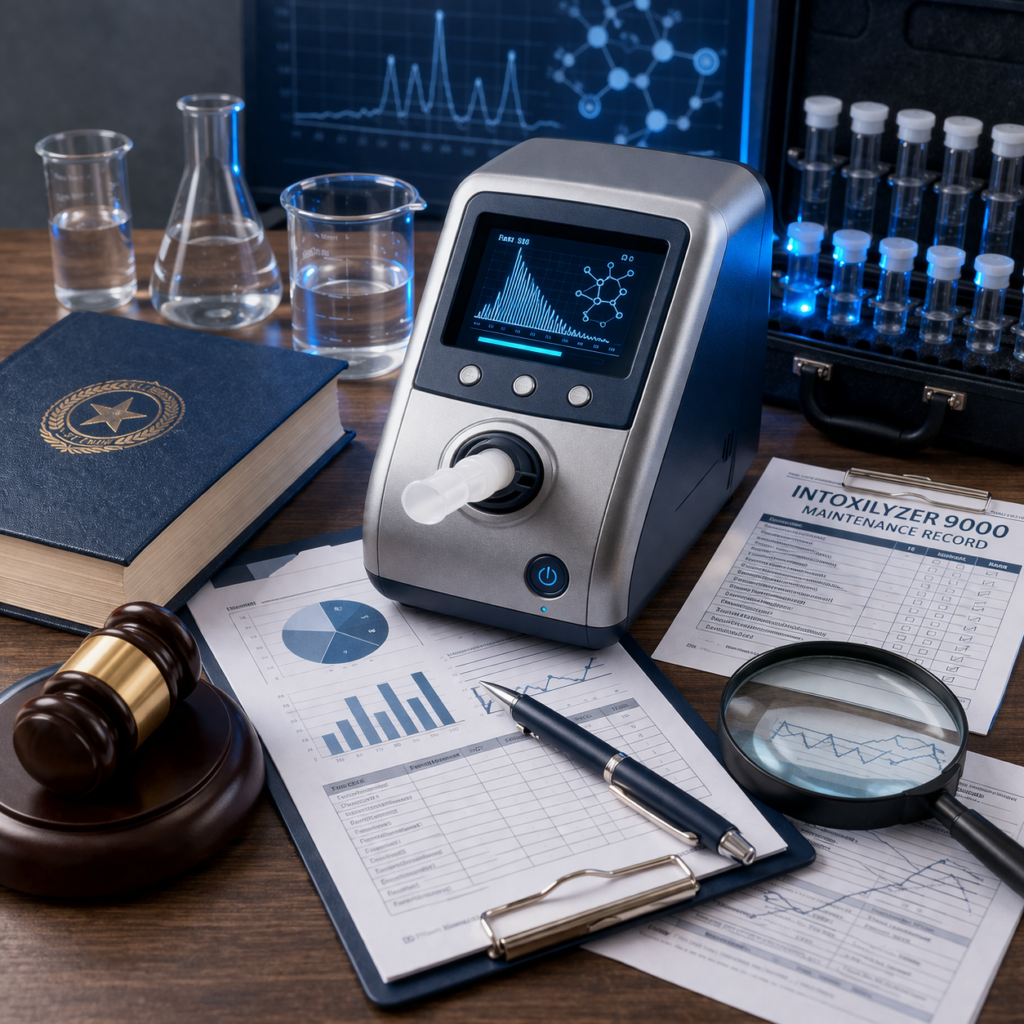
By Deandra Grant, J.D., M.S. (Pharmaceutical Science), ACS-CHAL Forensic Lawyer-Scientist, Certified Intoxilyzer Operator and Maintenance Technician If you submitted to a breath test during a DWI arrest in Texas, the instrument that generated your result was the Intoxilyzer 9000, manufactured by CMI, Inc. of Owensboro, Kentucky. Texas adopted the Intoxilyzer 9000 around 2015, replacing the […]

By Deandra Grant, J.D., M.S. (Pharmaceutical Science), ACS-CHAL Forensic Lawyer-Scientist The prosecution’s theory in every drug DWI case rests on a simple equation: the defendant had drugs in their system, therefore the defendant was impaired. The relationship between blood alcohol concentration and impairment is well-established and reasonably consistent across individuals. But for virtually every other […]

By Deandra Grant, J.D., M.S. (Pharmaceutical Science), ACS-CHAL Forensic Lawyer-Scientist, Instructor, Axion Analytical Labs If you were arrested for DWI in Texas and a blood sample was taken, the number that the prosecution will use against you in court was almost certainly generated by a specific laboratory instrument: a headspace gas chromatograph with flame ionization […]