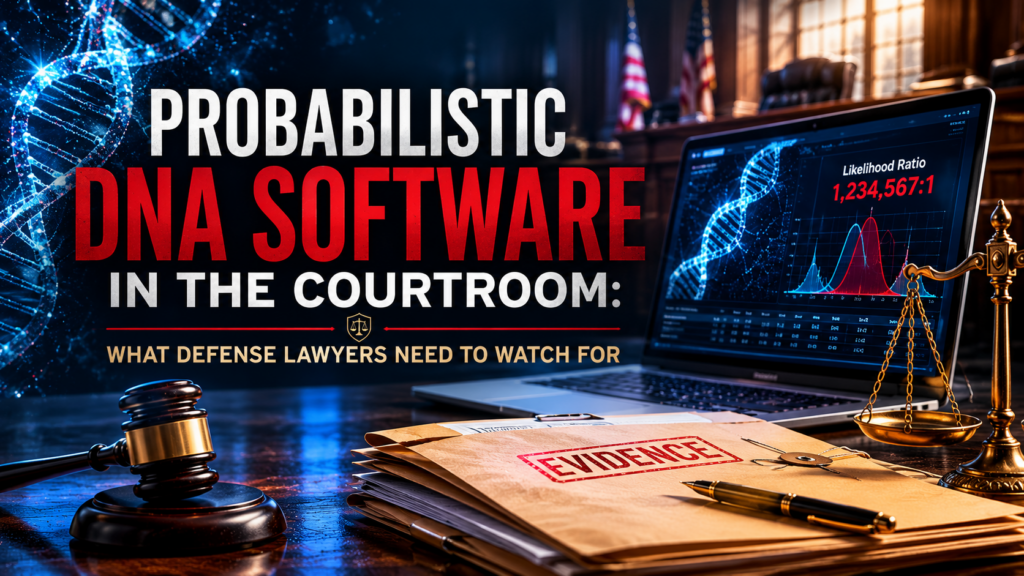
This month Cybergenetics (the company behind the TrueAllele probabilistic genotyping system) announced the launch of the TrueAllele Investigative Database (TA-ID), a tool built to re-examine DNA evidence that crime labs previously set aside as “inconclusive”: the low-level, partial, degraded, and mixed samples that traditional analysis could not search. The pitch is that thousands of stalled […]
Category Archives: Forensic Science
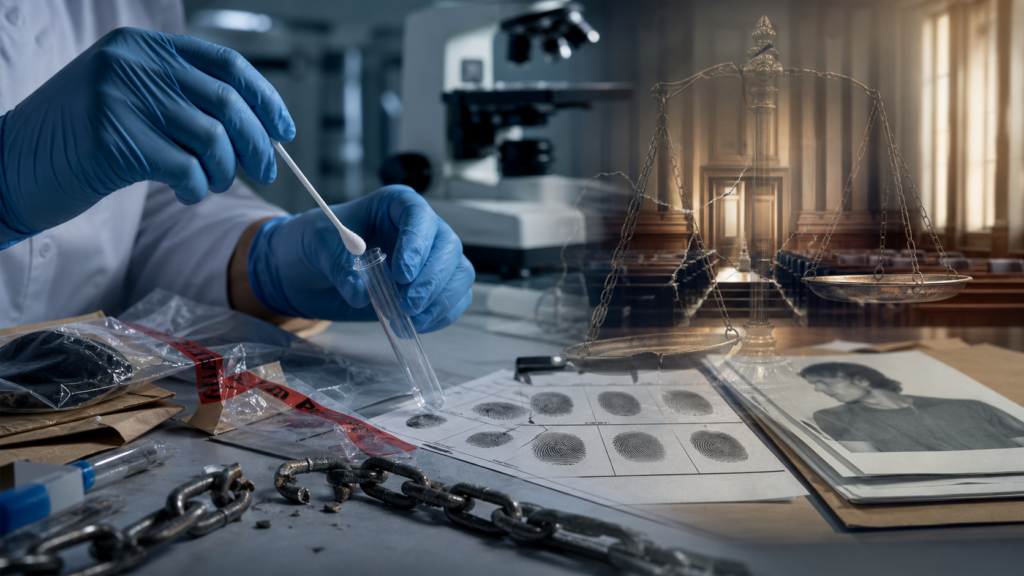
For 29 years, Yvonne “Missy” Woods was a star analyst at the Colorado Bureau of Investigation. She testified in high-profile murder trials. She was trusted as the gold standard in DNA testing. Prosecutors built cases around her results. Juries convicted defendants on the strength of her reports. Then, in September 2023, an intern doing a […]
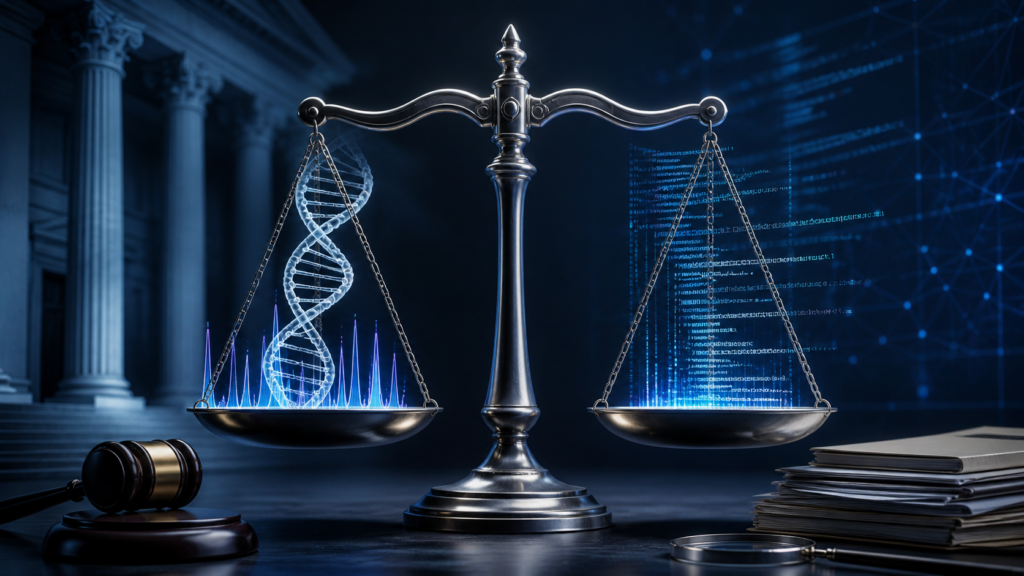
In March 2026, the U.S. Court of Appeals for the Third Circuit handed prosecutors a significant victory in DNA mixture litigation. In United States v. Anderson, No. 25-1223, the court ruled that TrueAllele (a proprietary DNA interpretation software used by crime labs across the country) is reliable enough under Federal Rule of Evidence 702 to […]

Forensic laboratories that serve the criminal justice system are required to maintain accreditation through bodies such as ANAB (ANSI National Accreditation Board) or A2LA (American Association for Laboratory Accreditation). Accreditation requires compliance with established quality standards and periodic external audits that assess whether the laboratory is meeting those standards. When problems are found, accreditation can […]
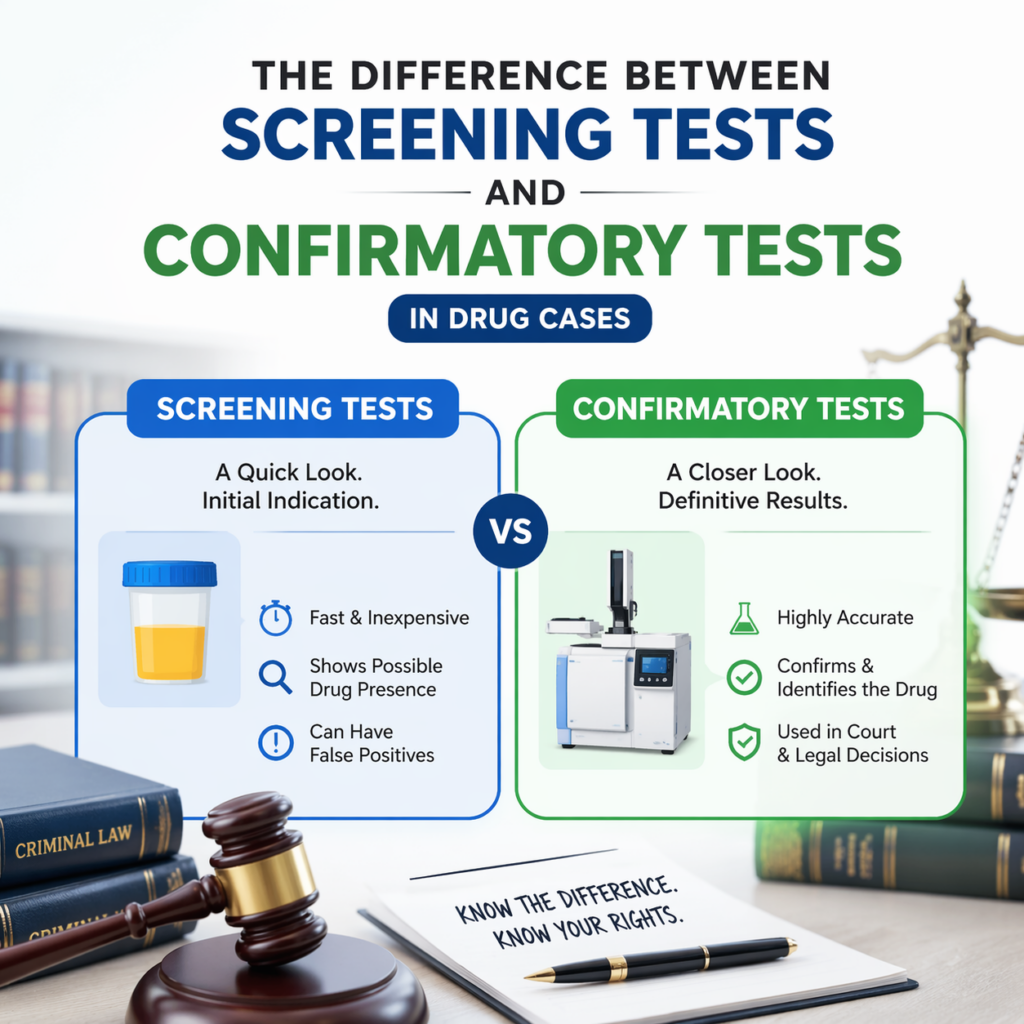
In any Texas drug case (whether arising from a probation drug test, a workplace test, or a drug possession arrest) understanding the difference between a screening test and a confirmatory test is foundational. These are not two names for the same thing. They are two different analytical processes with different purposes, different reliability characteristics, different […]
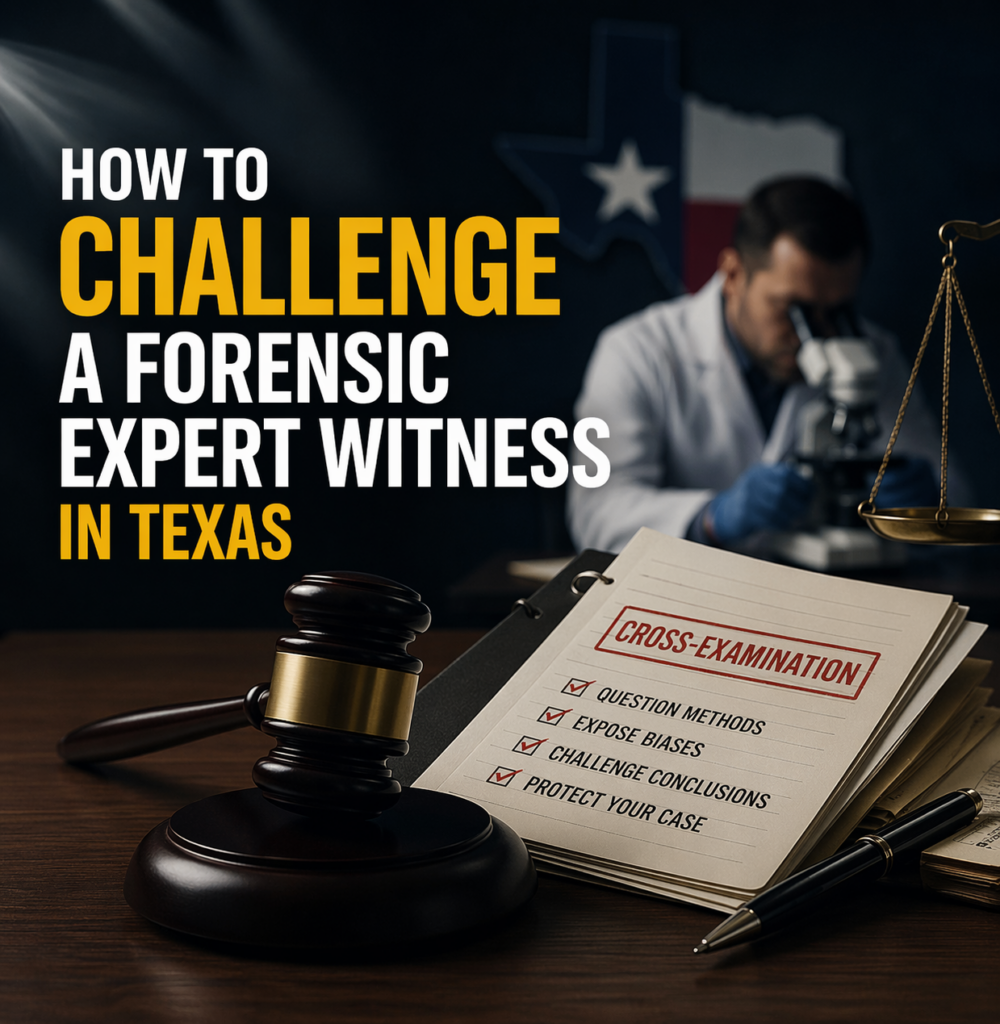
Forensic expert witnesses carry unusual authority in criminal trials. A jury that might skeptically evaluate an eyewitness’s account often defers to a laboratory analyst who presents technical findings in confident, technical language. The perception that science is objective (that a GC-MS result or a DNA match speaks for itself) can overwhelm the jury’s usual critical […]
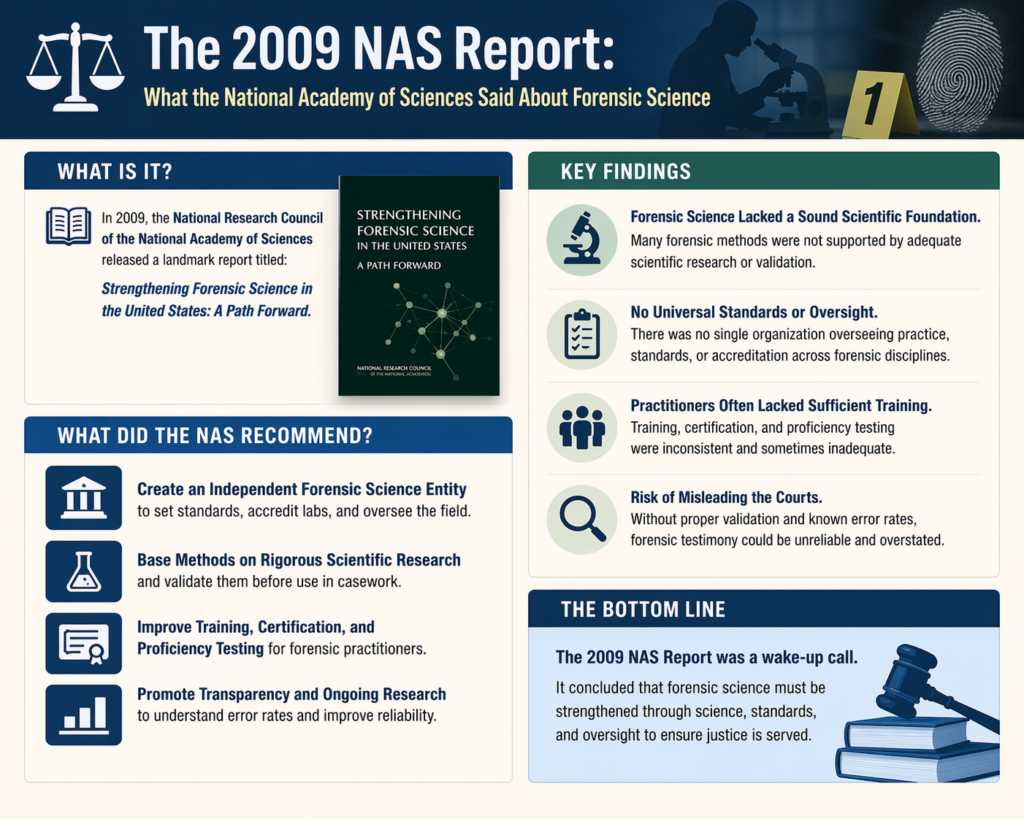
In February 2009, the National Research Council of the National Academies published a report that fundamentally changed how forensic science evidence is understood in the American legal system. Titled “Strengthening Forensic Science in the United States: A Path Forward,” the report was the product of a congressionally mandated study examining the state of forensic science […]
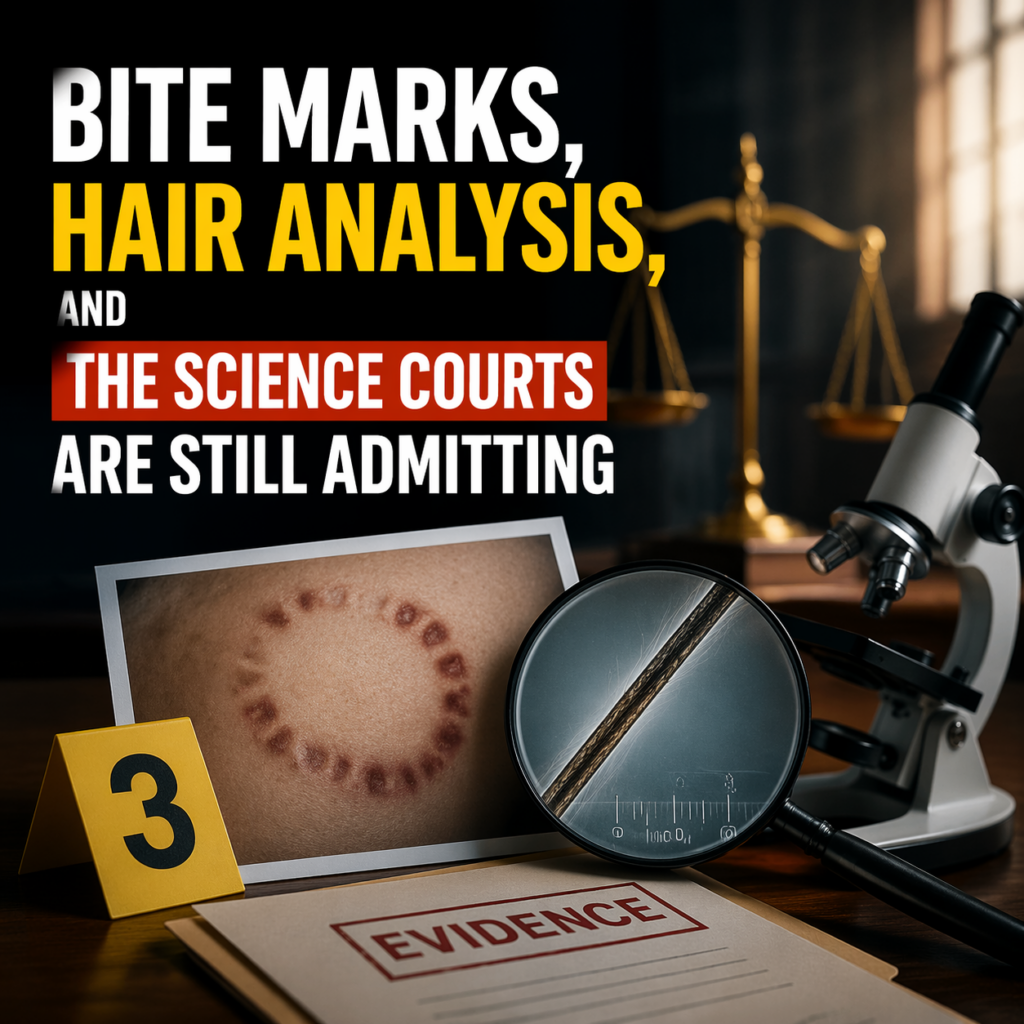
In 2016, the President’s Council of Advisors on Science and Technology (PCAST) published a detailed scientific assessment of forensic feature-comparison methods used in criminal courts. Feature-comparison methods are those that attempt to determine whether a crime scene sample came from a specific source (a person, a weapon, a shoe) by comparing patterns or features. Bite […]
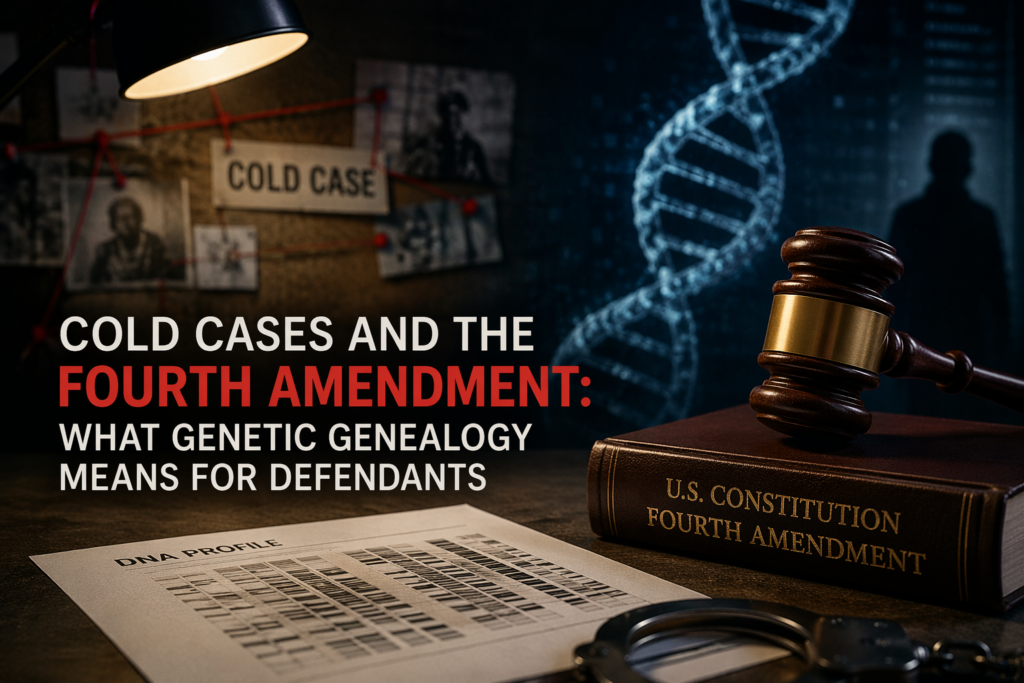
Florida Attorney General James Uthmeier announced this week a $600,000 partnership with Othram (a Texas-based forensic biotechnology company) to deploy investigative genetic genealogy against Florida’s backlog of more than 21,000 unsolved homicides, some dating back to the 1960s. The initiative begins with three cold cases from the 1970s and 1980s in Broward County, Miami-Dade, and […]
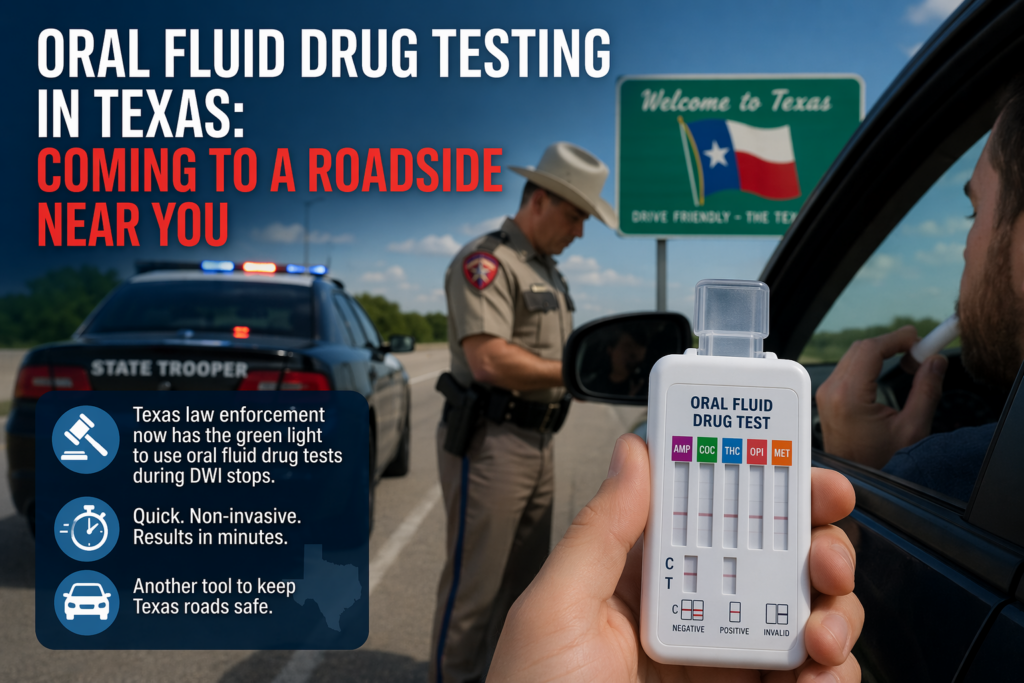
Oral fluid drug testing (collecting saliva and testing it for the presence of drugs) is expanding in both criminal justice and workplace settings, and Texas is actively developing its use in roadside DWI investigations. Understanding what oral fluid testing can and cannot show, how it differs from urine and blood testing, and where its reliability […]