
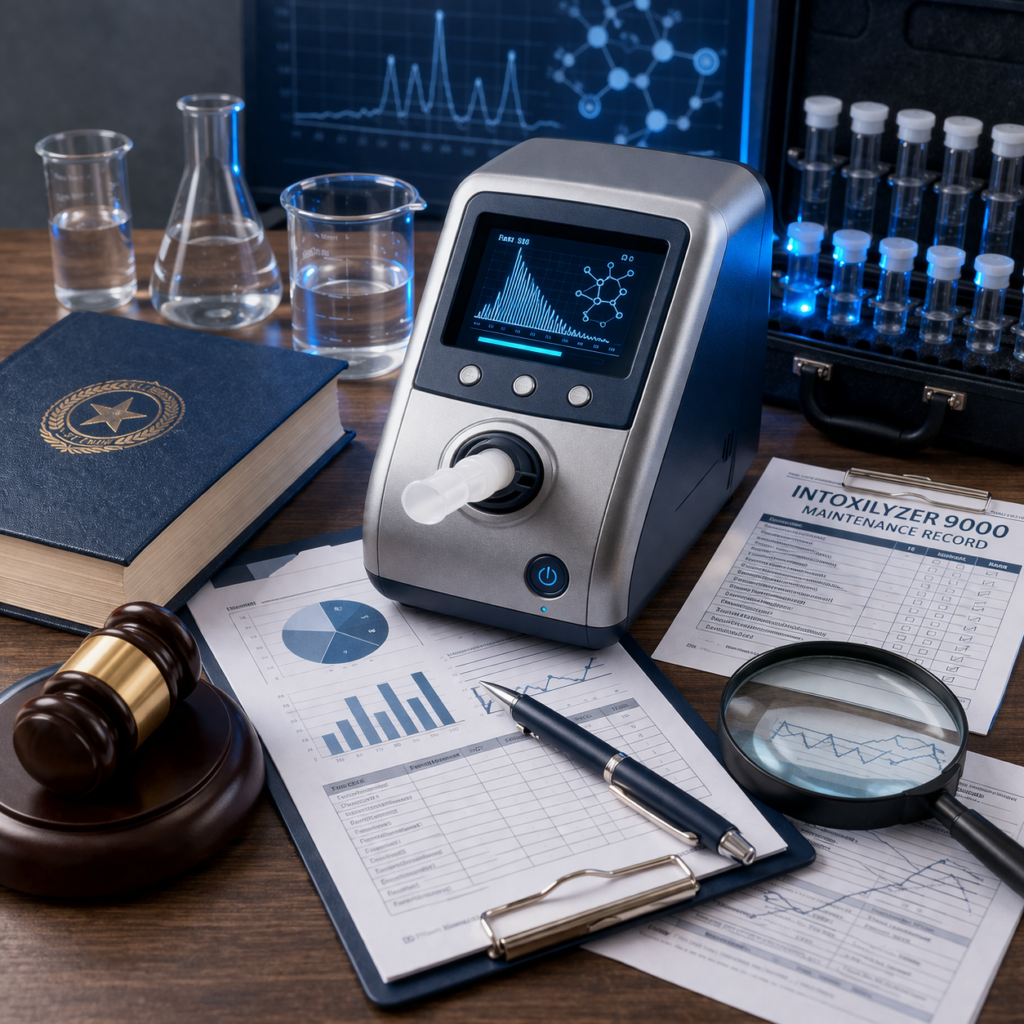
By Deandra Grant, J.D., M.S. (Pharmaceutical Science), ACS-CHAL Forensic Lawyer-Scientist, Certified Intoxilyzer Operator and Maintenance Technician If you submitted to a breath test during a DWI arrest in Texas, the instrument that generated your result was the Intoxilyzer 9000, manufactured by CMI, Inc. of Owensboro, Kentucky. Texas adopted the Intoxilyzer 9000 around 2015, replacing the […]
Category Archives: Forensic Science

By Deandra Grant, J.D., M.S. (Pharmaceutical Science), ACS-CHAL Forensic Lawyer-Scientist The prosecution’s theory in every drug DWI case rests on a simple equation: the defendant had drugs in their system, therefore the defendant was impaired. The relationship between blood alcohol concentration and impairment is well-established and reasonably consistent across individuals. But for virtually every other […]

By Deandra Grant, J.D., M.S. (Pharmaceutical Science), ACS-CHAL Forensic Lawyer-Scientist, Instructor, Axion Analytical Labs If you were arrested for DWI in Texas and a blood sample was taken, the number that the prosecution will use against you in court was almost certainly generated by a specific laboratory instrument: a headspace gas chromatograph with flame ionization […]
By Deandra Grant, J.D., M.S. (Pharmaceutical Science), ACS-CHAL Forensic Lawyer-Scientist In Texas DWI cases involving blood draws, the prosecution presents the lab result as if it is a fact: “The defendant’s blood alcohol concentration was 0.12.” But that number is only as reliable as every step in the chain from the moment the needle entered […]
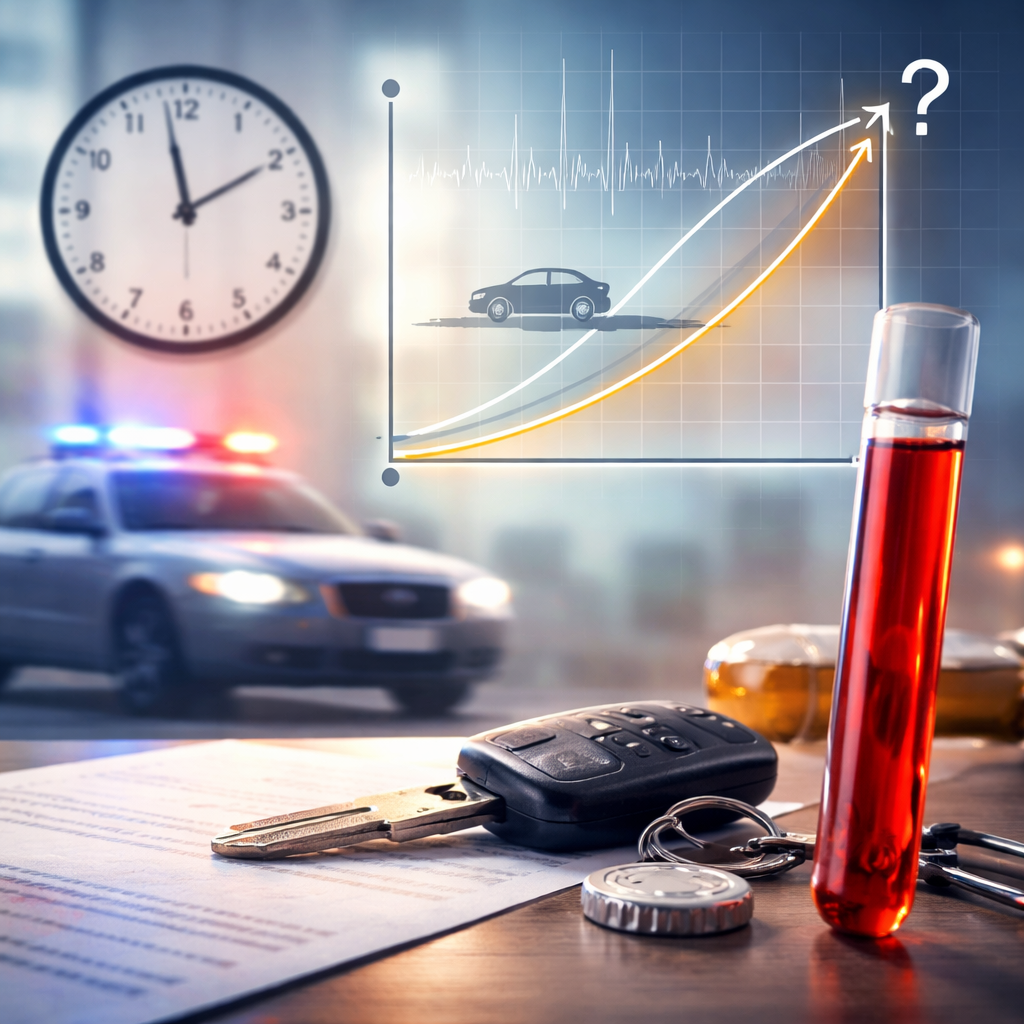
By Deandra Grant, J.D., M.S. (Pharmaceutical Science), ACS-CHAL Forensic Lawyer-Scientist You were pulled over at 11:00 PM. Your blood was drawn at 12:15 AM. The lab reports your blood alcohol concentration (BAC) at 0.09. The legal limit is 0.08. But in Texas the prosecution’s question is not what your BAC was at 12:15 AM. It […]

By Deandra Grant, J.D., M.S. (Pharmaceutical Science), ACS-CHAL Forensic Lawyer-Scientist, and Sol Bobst, Ph.D., DABT, ToxSci Advisors LLC As cannabis legalization expands across the United States, law enforcement agencies are searching for a reliable way to detect recent cannabis use at the roadside. The goal is understandable: impaired driving kills people, and officers need tools. […]
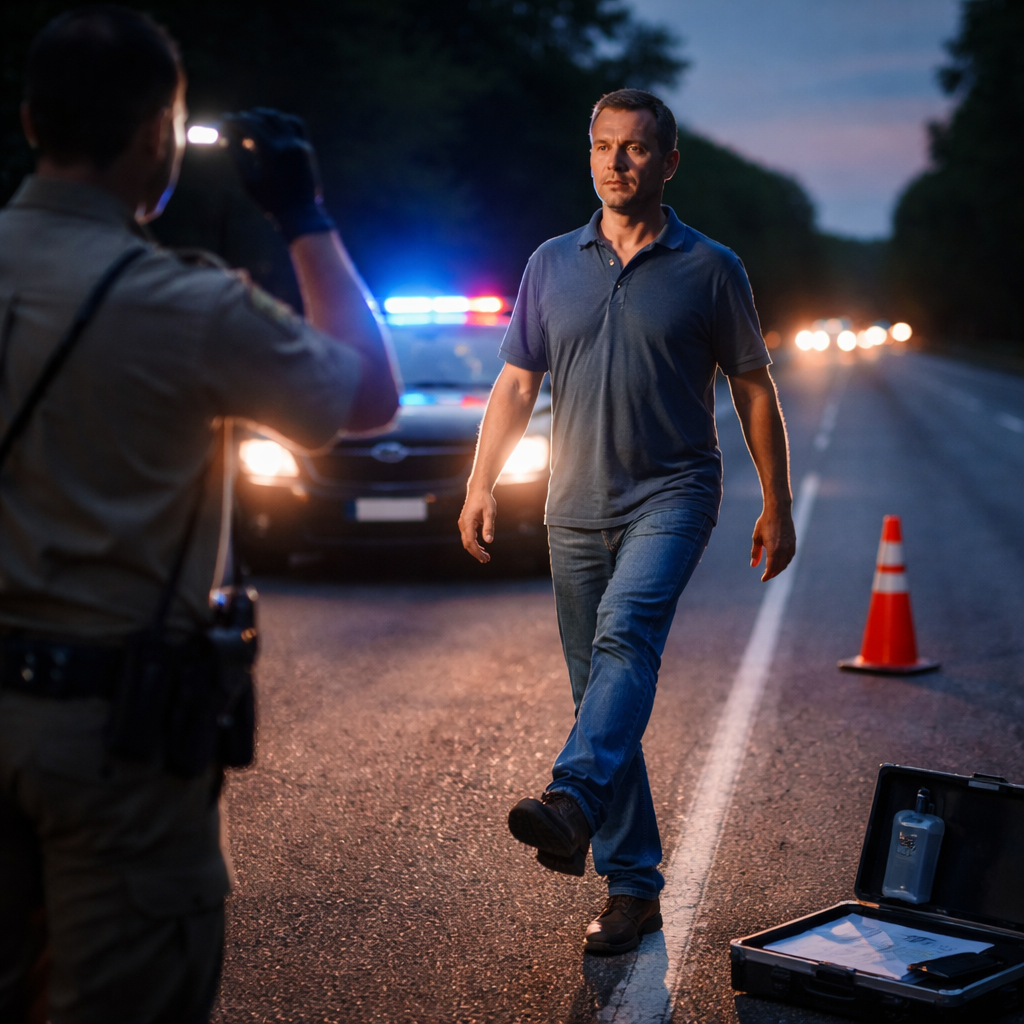
By Deandra Grant, J.D., G.C., M.S. (Pharmaceutical Science), ACS-CHAL Forensic Lawyer-Scientist, SFST Instructor Every DWI arrest in America follows essentially the same script. An officer pulls you over, asks if you’ve been drinking, and then asks you to step out of the car to perform “a few tests.” Those tests (the Horizontal Gaze Nystagmus (HGN), […]
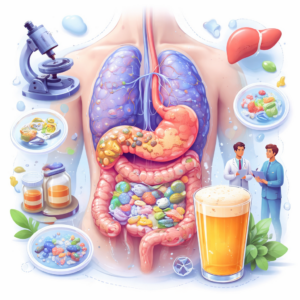
Imagine feeling drunk without drinking a drop of alcohol. Imagine failing a breathalyzer test after eating a plate of pasta. For people living with auto-brewery syndrome (ABS), this is not a hypothetical. It is daily life. Also known as gut fermentation syndrome, ABS is a condition in which microbes in the gastrointestinal tract ferment ordinary […]
In Texas, a driver can be charged with DWI if their blood alcohol concentration reaches 0.08 percent or higher at the time of testing. What many people do not realize is that alcohol takes time to absorb into the bloodstream. This delay can create a situation where a driver was under the legal limit while […]