Stop & Arrest
Your rights at the stop, checkpoints, implied consent, blood warrants, and jail release.
Explore Stop & Arrest
Deandra Grant Law provides science-driven defense for every Texas DWI charge, from a first offense to felony DWI.












Deandra Grant Law defends people charged with DWI across Dallas-Fort Worth, North Texas, and Waco. We handle every level of the offense, from a first-offense DWI to high-BAC, repeat, and felony charges, including DWI with a child passenger, intoxication assault, intoxication manslaughter, and drugged driving. Clients work with us from any of our six Texas offices in Dallas, Fort Worth, Allen, Denton, Rockwall, and Waco.
A DWI charge is not a conviction, and the evidence behind it is rarely as solid as it looks. The firm has tried more than 500 cases to verdict and built its reputation on the science, led by a forensic lawyer-scientist who authors the Texas DWI Manual and trains other DWI attorneys. That combination of trial record, forensic credentials, and statewide recognition is why clients across Texas trust us with their cases.
Getting started is simple and at no cost to you. Call us or schedule an appointment online to talk through what happened, understand your options, and arrange representation. The sooner we begin, the more we can do to protect your license and your record.
In Texas, DWI stands for Driving While Intoxicated. Under Texas Penal Code Section 49.04, a person commits a DWI by operating a motor vehicle in a public place while intoxicated. “Intoxicated” means either:
A first DWI is usually a Class B misdemeanor. The charge rises quickly with a high BAC, a child passenger, repeat offenses, or an accident that injures or kills someone.
This is the short version. For the full breakdown, see What Is a DWI?, and for how it differs from an underage charge, see DWI vs DUI in Texas.
A Texas DWI case has many moving parts. Each hub below covers one part in depth, from the roadside stop to clearing your record.
Your rights at the stop, checkpoints, implied consent, blood warrants, and jail release.
Explore Stop & ArrestHow breath, blood, and field sobriety tests work, and how each one can be wrong.
Explore Tests & EvidenceThe 15-day rule, ALR hearings, suspensions, and how to keep driving.
Explore ALR & LicenseJail, fines, probation, interlock, and classes, broken down by offense level.
Explore PenaltiesWhat happens from your first court setting through plea, diversion, or trial.
Explore Court ProcessHow a DWI affects your job, insurance, immigration status, guns, and travel.
Explore Collateral ConsequencesPublic intoxication, open container, MIP, evading arrest, and more.
Explore Related OffensesThe full range of DWI charges we handle in courts across Texas. Each of the following has dedicated page coverage with detailed analysis of the specific legal issues and forensic challenges involved.
Operating a watercraft while intoxicated, carrying penalties similar to a Texas DWI.
Learn MoreA DWI based on drugs rather than alcohol, where the State must prove impairment from a controlled substance.
Learn MoreDriving while impaired by marijuana, prosecuted the same as alcohol-based DWI.
Learn MoreDriving while impaired by prescription medication, charged the same as alcohol DWI.
Learn MoreA commercial driver charged with DWI faces license disqualification and career-ending consequences.
Learn MoreDriving while intoxicated with a child under fifteen aboard, a felony in Texas.
Learn MoreA first driving-while-intoxicated charge in Texas, usually a Class B misdemeanor.
Learn MoreCausing serious bodily injury to another while driving intoxicated, a third-degree felony.
Learn MoreCausing a death while driving intoxicated, a second-degree felony in Texas.
Learn MoreA second or subsequent DWI carries harsher penalties than a first offense.
Learn MoreA driver under twenty-one with any detectable alcohol faces DWI or DUI charges.
Learn MoreReal outcomes from real Texas DWI cases we have taken to verdict.
Felony intoxication manslaughter reduced to a misdemeanor before trial
Boating while intoxicated charge dismissed
DUI charge dismissed
DWI with high blood alcohol content dismissed
Second offense DWI charge dismissed
Not guilty verdict on DWI charge at trial
Prior results do not guarantee a similar outcome. Each case is unique.
Six reasons clients across Texas trust us to defend their DWI charges.
Attorney Deandra Grant is the only Texas DWI attorney holding the ACS-CHAL designation, a pharmaceutical-science master's, and forensic-toxicology training.
Since 1994 the firm has tried over 500 cases to verdict statewide, exclusively DWI and criminal defense.
Attorney Deandra Grant prosecuted DWI cases as a Dallas County ADA, so she knows exactly how the State builds them.
Comprehensive mitigation reports with clinical assessments, work specialists charge $3,500 to $5,000+, provided at no additional cost.
Attorney Deandra Grant authored the Texas DWI Manual and 17 legal books defense lawyers across the state rely on.
Attorney Grant administers and grades the ACS-CHAL and DUIDLA board exams that certify other DWI attorneys nationwide.
The media outlets that turn to our attorneys for insight on Texas DWI law.





Meet the forensic-trained trial lawyers who will personally handle your case.





Find a Deandra Grant Law office near you, with locations across Texas.

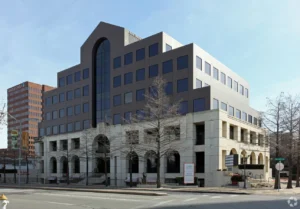





Everything you need to know about criminal court in Bell County, Texas: where cases are heard at the…
View Courthouse Info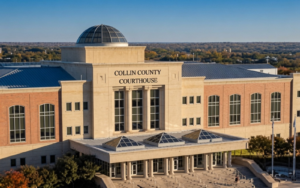
Everything you need to know about criminal court in Collin County, Texas: where cases are heard at the…
View Courthouse Info
Everything you need to know about criminal court in Cooke County, Texas: where cases are heard in Gainesville,…
View Courthouse Info
Everything you need to know about criminal court in Coryell County, Texas: where cases are heard in Gatesville,…
View Courthouse Info
Everything you need to know about criminal court in Dallas County, Texas: where cases are heard at the…
View Courthouse Info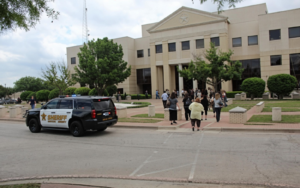
Everything you need to know about criminal court in Denton County, Texas: where cases are heard at the…
View Courthouse Info
Everything you need to know about criminal court in Ellis County, Texas: where cases are heard at the…
View Courthouse Info
Everything you need to know about criminal court in Grayson County, Texas: where cases are heard in Sherman,…
View Courthouse Info
Everything you need to know about criminal court in Johnson County, Texas: where cases are heard at the…
View Courthouse Info
Everything you need to know about criminal court in Kaufman County, Texas: where cases are heard at the…
View Courthouse Info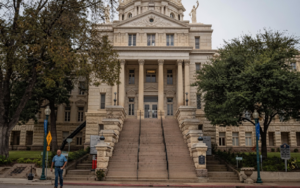
Everything you need to know about criminal court in McLennan County, Texas: where cases are heard at the…
View Courthouse Info
Everything you need to know about criminal court in Rockwall County, Texas: where cases are heard at the…
View Courthouse Info
Everything you need to know about criminal court in Tarrant County, Texas: where cases are heard at the…
View Courthouse InfoFree books and guides to help you understand your Texas DWI case.
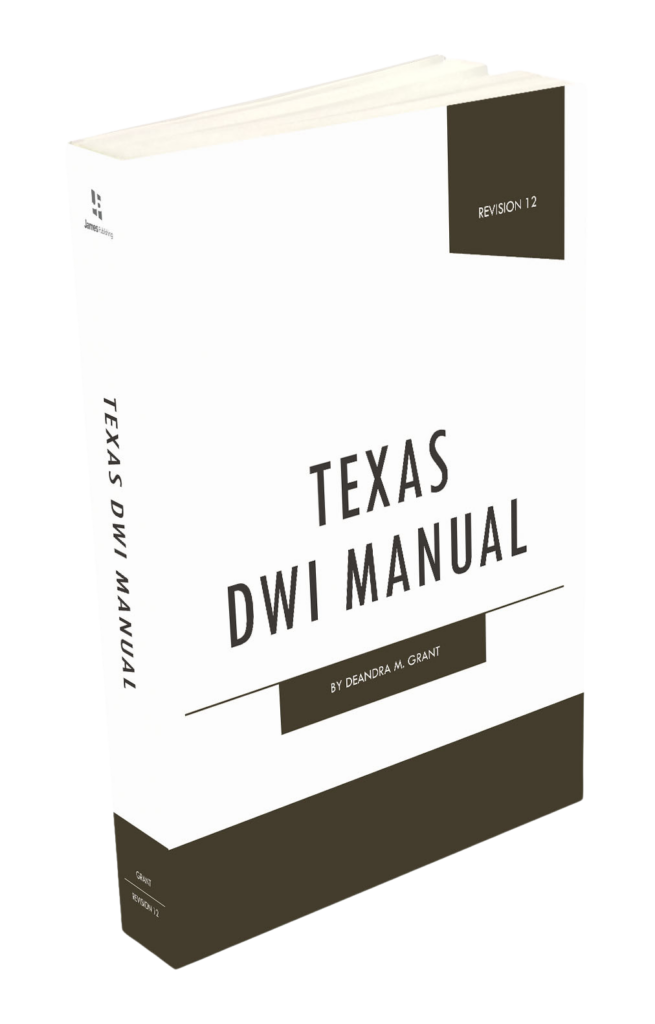
Clear articles on Texas DWI law, common defenses, and the court process.





Watch our attorneys explain DWI charges, penalties, and how we build defenses.





What our clients say about working with Deandra Grant Law.
Lifesavers! Deandra Grant Law Helped Me Navigate My DWI Charge I can't recommend Deandra Grant Law enough! From the very beginning, they were incredibly supportive and understanding throughout my DWI case. Their expertise in the legal system was reassuring, and their communication was fantastic. They kept me informed every step of the way and truly fought for the best possible outcome in my case. Thanks to my attorney, Kevin , I was able to get the charges reduced, and avoid jail time. If you're facing a DWI charge, don't hesitate to contact them. They're the best!
Deandra Grant Law and the whole staff were very helpful in my DWI case. Through the client portal they are very quick to help and answer any questions you have. To them no question is a stupid one and they will always answer truthfully and respectfully. I was looking at a possible 24 months supervised probation but this team worked magic and got me 16 months! Amazing—highly recommended to anyone who is having doubts about their DWI case.
Highly recommended! Excellent, efficient, and highly educated attorney's and staff that keep up with the "now" and not the past. If you find yourself in the middle of a criminal charge or want to clear your record on an eligible non conviction/not guilty charge (including DWI), give Hamilton Grant a call, they are the best! I promise :)
Answers to the questions Texans ask most about DWI charges and defense.
Most first and second DWIs are misdemeanors. A DWI becomes a felony on a third offense, when a child under 15 is in the car, or when someone is seriously injured or killed.
The limit is a BAC of 0.08 for most drivers, 0.04 for commercial drivers, and any detectable amount for drivers under 21.
You have 15 days from your arrest to request an ALR hearing. If you miss that deadline, your license suspension begins automatically.
Yes. Texas implied consent law means refusal carries a license suspension, but you can still decline, and there are situations where that matters for your defense.
Not automatically, if you act in time. A suspension can come from the ALR process and from a conviction, but requesting the ALR hearing within 15 days protects your license while the case proceeds. We handle the ALR hearing and the criminal case together.
Sometimes. If your case was dismissed or you were acquitted, you may qualify for an expunction. Certain cases can be sealed with an order of nondisclosure.
No. Texas law has no statutory definition of "operating" a vehicle, so courts apply a "totality of the circumstances" test. A person found behind the wheel of a parked car, even asleep with the engine running, can be charged if the facts show they took action to use the vehicle.
Yes. Texas removed its 10-year "remoteness" rule in 2005, so a prior DWI can raise a new charge no matter how long ago it happened. A decades-old first DWI can still make a new one a second offense.
Anywhere that counts as a "public place," which Texas defines broadly as any place the public can access, including streets, highways, parking lots, and the common areas of apartments and office buildings, not just public roads.
Every case starts with a conversation. Reach out today and put an experienced, trial-tested team in your corner. We’re available 24/7 across all six Texas offices.
Tell us what happened. We’ll respond within one business hour.
Submitting this form does not create an attorney-client relationship. All communications are confidential.