

Overview
Under Texas Penal Code §49.045, driving while intoxicated with a passenger under 15 is automatically a state jail felony, even on a first offense, even with no harm, and regardless of BAC. It carries 180 days to 2 years in a state jail facility and a fine up to $10,000, and it can trigger a parallel CPS investigation. It can also, in the right case, be reduced to a misdemeanor.
How Do You Get Out of Jail After This Arrest?
Because this is a felony, a magistrate sets bond individually rather than from a misdemeanor schedule, and amounts run higher than a standard DWI. Expect conditions: an ignition interlock, no alcohol, and sometimes a monitor. A violation can return you to jail while the case is pending.
Be aware that the arrest may generate a Child Protective Services referral the same day, separate from the criminal case. Anything you say to a caseworker can cross over into the criminal file, so loop in counsel before those conversations.
The 15-day license deadline runs from your suspension notice
If you failed or refused testing, the Texas Department of Public Safety moves to suspend your license through Administrative License Revocation, or ALR. You have 15 days from the date you are served with the notice of suspension to request a hearing, or the suspension is automatic. The hearing also lets your lawyer question the officer under oath early.
What Should You Do Right Now?
This charge runs on two tracks at once, criminal and CPS, and the early days shape both. In order:
- Request your ALR hearing within 15 days of notice of suspension. It protects your license and creates an early, sworn look at the officer.
- Do not talk about the case, to anyone. Not to officers, not to a CPS caseworker, not on social media. Statements in the CPS matter can be used in the criminal case and the reverse.
- Get counsel who can coordinate both cases. The criminal defense and any family or CPS matter need to move in step, not in conflict.
- Write down what happened. The reason for the stop, the testing, and the circumstances, while it is fresh.
- Hire an attorney immediately. A felony goes to a grand jury, and early work can influence the charge that is returned.
What Is DWI with a Child Passenger in Texas?
Under Penal Code §49.045, the State has to prove only two things: that you operated a motor vehicle in a public place while intoxicated, and that a passenger under 15 was in the vehicle at the time.
That is the entire offense. The State does not have to prove the child was harmed, frightened, or even aware anything was wrong. It is a strict-liability enhancement: the child’s presence is the aggravating fact that turns a misdemeanor DWI into a felony.
What Evidence Do Prosecutors Need to Convict You?
The case has two parts, and each can be contested.
Intoxication. The same proof as any DWI: a breath or blood test, field sobriety tests, the officer’s observations, and the video. If the State cannot prove you were intoxicated, the child-passenger enhancement has nothing to attach to.
The child’s age. The State must prove the passenger was under 15. Where age is genuinely in question, that burden is the State’s to carry.
What Are the Penalties for DWI with a Child Passenger?
It is a state jail felony:
- 180 days to 2 years in a state jail facility
- a fine up to $10,000
- a driver’s license suspension of 180 days
- a felony on your permanent record
- a possible CPS investigation that proceeds on a parallel track
The CPS case is its own matter. It can examine allegations of endangerment and, in some situations, affect custody or visitation. Because the two cases run alongside each other, what is said in one can surface in the other, which is why they have to be handled together.
Can You Fight a DWI with a Child Passenger?
Yes. Realistic outcomes include dismissal when the stop or test fails review, reduction to a standard misdemeanor DWI when the circumstances support it, probation rather than confinement, and acquittal at trial. Because the felony depends on the intoxication finding and the child’s age, defeating or weakening either contests the whole charge.
No lawyer can promise a result, and you should be wary of one who does. A breath or blood number is not a verdict, and a felony built on a strict-liability enhancement is often a strong candidate for reduction when the underlying DWI is weak.
How Is This Different From a Regular First DWI?
The only added fact is a passenger under 15, but that one fact changes the category of the case. A standard first DWI is a Class B misdemeanor heard in county court, with no jail required. DWI with a child passenger is a state jail felony heard in district court, carries 180 days to 2 years in a state jail facility, leaves a permanent felony record, and can open a CPS investigation, even when it is your first offense and no one was hurt.
See our first-offense DWI page for how the underlying misdemeanor works, and our felony DWI page for the broader felony picture.
How We Defend DWI with a Child Passenger Cases
We challenge the intoxication finding with science
Managing Partner Deandra Grant holds a Master’s Degree in Pharmaceutical Science and the ACS-CHAL Forensic Lawyer-Scientist designation, and Partner Douglas Huff holds the same designation. We examine the breath instrument’s records or pull the full blood lab package, reviewing the draw, storage, chain of custody, and method. If intoxication is not proven, the enhancement falls with it.
We contest the child’s age where it is in question
The felony turns on the passenger being under 15. Where that is genuinely disputed, we hold the State to its burden.
We start with the stop
Under Texas Code of Criminal Procedure Article 38.23, evidence from an unlawful stop is suppressible. If the stop is deemed to be unlawful, the evidence behind the whole case may be suppressed.
We coordinate the CPS case
We work with family-law counsel so your rights are protected on both tracks at once, and so a statement in one case does not become a weapon in the other.
We negotiate toward a misdemeanor where the facts allow
In the right case we press for reduction to a standard misdemeanor DWI, showing the circumstances do not warrant a felony, which also helps resolve the parallel CPS concerns.
Do You Really Need a Lawyer for This Charge?
This is a felony with your family attached to it. A conviction means a permanent felony record, possible state jail time, and a CPS finding that can follow you in custody and licensing matters for years. A quick plea accepts all of that based on evidence no one tested.
The court will appoint counsel if you cannot afford it, but the parallel CPS case and the forensic challenge to the DWI both demand focused, coordinated work that overloaded appointed dockets rarely allow. The value of counsel here is fighting the criminal case and protecting your family in the same breath.
How Long Does This Case Take?
Most child-passenger DWI cases run roughly 8 to 24 months from arrest to resolution, moving through bond, the ALR hearing within weeks, grand jury indictment, then discovery, lab records, and motions before a plea, dismissal, or trial. The CPS matter runs on its own timeline and can resolve sooner or later than the criminal case.
Slow is not bad. Pulling the lab records and building the reduction argument takes time, and that work is what produces dismissals and misdemeanor outcomes. We keep you updated at each step.
How Much Does This Defense Cost?
The fee depends on the county, whether blood evidence needs independent review, whether a parallel CPS or family case is involved, and whether it resolves before trial. A felony with a CPS component is a more involved engagement than a standard misdemeanor.
We quote a fee after a free consultation, so you know the investment up front. Weigh it against what a felony conviction and an adverse CPS finding cost over time, in your record, your career, and your family.
How These Cases Move Through North and Central Texas Courts
As a state jail felony, DWI with a child passenger is heard in the district courts: the Frank Crowley Courts Building in Dallas, the Tim Curry Criminal Justice Center in Fort Worth, and the district courts in Collin, Denton, Rockwall, and McLennan. Any CPS case proceeds separately, often in the same county’s family or district courts, which is why we coordinate across both.
We appear in these courthouses every week. See our courthouse guides for what to expect at each one.
What Are the Long-Term Effects of This Charge?
Your record. A conviction is a permanent felony that cannot be expunged, surfacing on every background check for life.
Your family. A CPS finding can affect custody, visitation, foster or adoption eligibility, and jobs that involve children, independent of the criminal sentence.
Rights and licensing. A felony conviction costs firearm rights and the right to vote during the sentence and can trigger professional-board action.
Immigration. For non-citizens, a felony DWI can carry serious immigration consequences and needs immigration-aware counsel from the start. The permanence of all of this is the strongest reason to fight the charge now.
DWI with Child Passenger FAQs
Is it still a felony if my child was not hurt?
Yes. The offense is complete the moment an intoxicated driver has a passenger under 15 in the vehicle. No harm, no danger, and no awareness by the child is required. It is a strict-liability enhancement.
Can I be charged with a separate felony for each child in the car?
No. Texas courts treat the unit of prosecution as the act of driving while intoxicated, not the number of passengers, so there is one count per driving incident regardless of how many children were aboard.
Will CPS take my children?
A referral triggers an investigation, not an automatic removal. CPS evaluates safety and can seek restrictions in serious cases, but many investigations close without removal, especially when the criminal case is handled well. Coordinated counsel matters here.
Can this charge be reduced to a misdemeanor?
Sometimes. In the right case we negotiate a reduction to a standard misdemeanor DWI by showing the circumstances do not warrant felony treatment, which often turns on the strength of the underlying intoxication evidence.
What counts as a child for this law?
Any passenger under 15 at the time of the offense. A passenger who was 15 or older does not trigger this enhancement, though other charges could still apply.
Should I talk to the CPS caseworker on my own?
Not without your lawyer. The CPS case and the criminal case run in parallel, and statements to a caseworker can be used against you in the criminal matter. Let counsel guide those conversations.
Talk to a Lawyer Who Can Protect Your Record and Your Family
DWI with a child passenger is a felony and, often, a CPS case at the same time. Deandra Grant Law challenges the intoxication evidence with the science it was built on, and coordinates your defense across both tracks. We have offices in Dallas, Fort Worth, Allen, Denton, Rockwall, and Waco, with more than 30 years in North and Central Texas courts.
Call (214) 225-7117 for a free, confidential consultation. Available 24/7. No cost, no obligation.
Reviewed by Deandra Grant, Managing Partner, ACS-CHAL Forensic Lawyer-Scientist with an MS in Pharmaceutical Science.
Attorneys Who Handle This Charge
Meet the attorneys who will personally handle your DWI with a child passenger defense.

Douglas E. Huff
Read Attorney Profile
Jada Fairley
Read Attorney Profile
Jason Bowes
Read Attorney Profile
Kevin Sheneberger
Read Attorney ProfileOffices Handling These Cases
Find the Deandra Grant Law office nearest you for DWI with a child passenger defense across Texas.

Allen
1333 W. McDermott Drive, Suite 180, Allen, TX 75013 Visit This Office
Dallas (HQ)
3300 Oak Lawn Avenue, Suite 700, Dallas, TX 75219 Visit This Office
Denton
1317 E. McKinney Street, Suite 101A, Denton, TX 76209 Visit This Office
Fort Worth
4500 Airport Freeway, Suite 101, Fort Worth, TX 76117 Visit This Office

Waco
605 Austin Avenue, Suite 5, Waco, TX 76701 Visit This OfficeCourthouses We Appear In
Courthouses where our attorneys represent clients facing this charge across Texas.

Bell County Courts
Everything you need to know about criminal court in Bell County, Texas: where cases are heard at the…
View Courthouse Info
Collin County Courts
Everything you need to know about criminal court in Collin County, Texas: where cases are heard at the…
View Courthouse Info
Cooke County Courts
Everything you need to know about criminal court in Cooke County, Texas: where cases are heard in Gainesville,…
View Courthouse Info
Coryell County Courts
Everything you need to know about criminal court in Coryell County, Texas: where cases are heard in Gatesville,…
View Courthouse Info
Dallas County Courts
Everything you need to know about criminal court in Dallas County, Texas: where cases are heard at the…
View Courthouse Info
Denton County Courts
Everything you need to know about criminal court in Denton County, Texas: where cases are heard at the…
View Courthouse Info
Ellis County Courts
Everything you need to know about criminal court in Ellis County, Texas: where cases are heard at the…
View Courthouse Info
Federal Courts
Deandra Grant Law defends federal criminal cases across all four federal districts in Texas, the District of Columbia,…
View Courthouse Info
Grayson County Courts
Everything you need to know about criminal court in Grayson County, Texas: where cases are heard in Sherman,…
View Courthouse Info
Johnson County Courthouse
Everything you need to know about criminal court in Johnson County, Texas: where cases are heard at the…
View Courthouse Info
Kaufman County Courts
Everything you need to know about criminal court in Kaufman County, Texas: where cases are heard at the…
View Courthouse Info
McLennan County Courts
Everything you need to know about criminal court in McLennan County, Texas: where cases are heard at the…
View Courthouse Info
Rockwall County Courts
Everything you need to know about criminal court in Rockwall County, Texas: where cases are heard at the…
View Courthouse Info
Tarrant County Courts
Everything you need to know about criminal court in Tarrant County, Texas: where cases are heard at the…
View Courthouse InfoBooks & Guides
Free books and guides on DWI with a child passenger, explaining your rights and options.
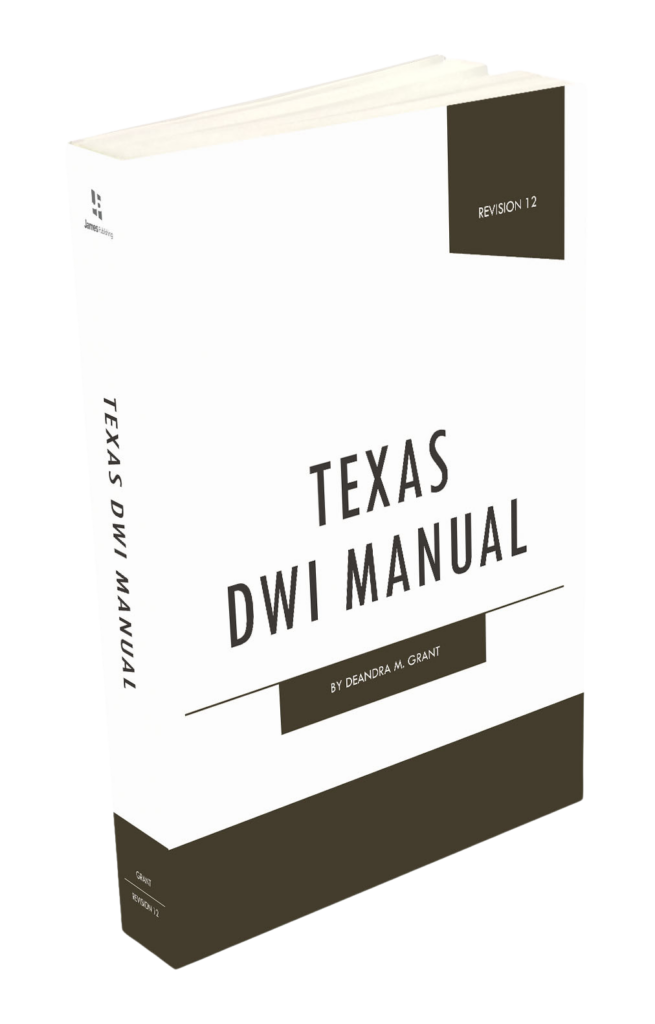
The Texas DWI Manual
Get the Book
Surviving Your DWI in McLennan County
Get the Book
Surviving Your DWI in Bell County
Get the Book
Surviving Your DWI in Hays County
Get the Book
Surviving Your DWI in Tarrant County
Get the Book
Surviving Your DWI in Travis County
Get the Book
Surviving Your DWI in Kaufman County
Get the Book
Surviving Your DWI in Rockwall County
Get the Book
Surviving Your DWI in Ellis County
Get the Book
Surviving Your DWI in Grayson County
Get the Book
Surviving Your DWI in Cooke County
Get the Book
Surviving Your DWI in Collin County
Get the Book
Surviving Your DWI in Denton County
Get the Book
Surviving Your DWI in Dallas County
Get the BookVideos
Watch our attorneys explain DWI with a child passenger and how we defend these cases.