
DWI Defense
The science and law behind every DWI — blood and breath testing, the NHTSA field sobriety tests, and retrograde extrapolation. Written by attorneys who teach this material, including the first in Texas to pass the Forensic Sobriety Assessment Certification exam.

Latest in DWI Defense

What Counts as ‘Reasonable Suspicion’? A Plain-English Guide to the Supreme Court’s Latest Fourth Amendment Ruling
On April 20, 2026, the United States Supreme Court issued its decision in District of Columbia v. R.W., No. 25-248, reversing the D.C. Court of Appeals and holding that a Metropolitan Police…
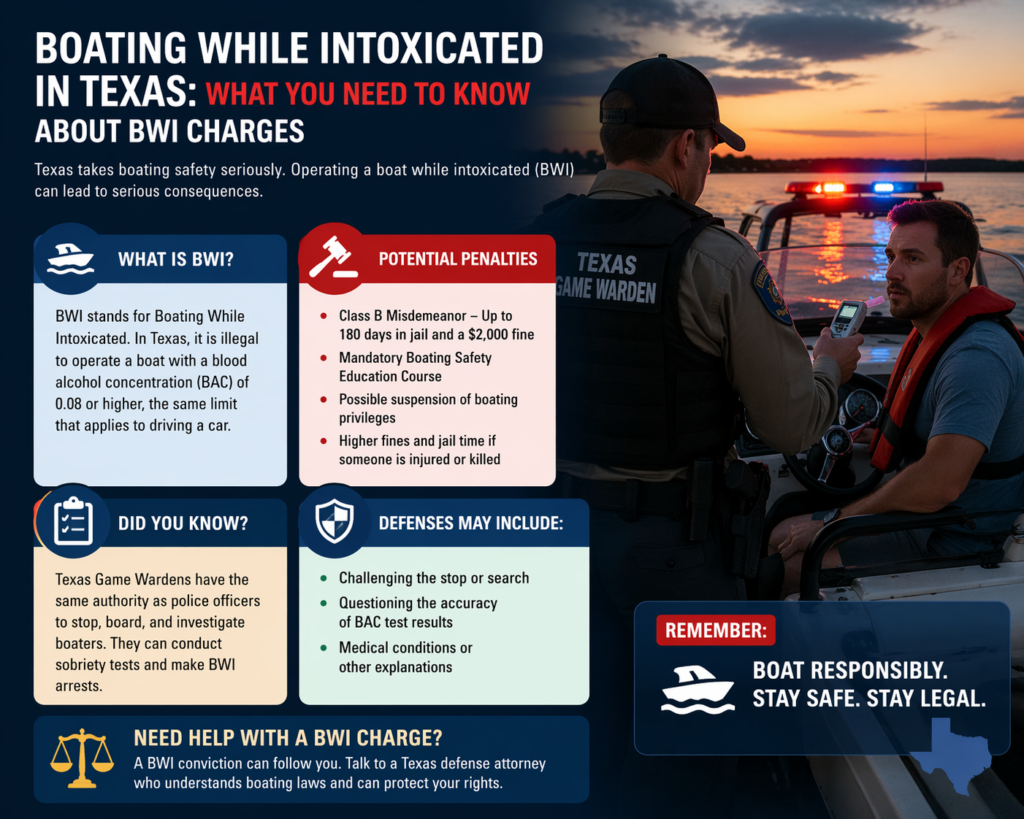
Boating While Intoxicated in Texas: What You Need to Know About BWI Charges
Texas has more than 800,000 registered recreational watercraft and some of the most active boating lakes in the country. Lake Texoma, Lewisville Lake, Possum Kingdom, Ray Hubbard, Joe Pool: every weekend from…

Before You Launch: BWI Enforcement on North and Central Texas Lakes
Texas has more than 560,000 registered boats and an estimated 359,000 additional unregistered watercraft operating on its lakes, rivers, and coastal waters. In the first half of 2025, the state recorded a…

Can You Get Life in Prison for a DWI in Texas? The Peace Officer Enhancement Explained
A Tarrant County jury recently sentenced DeAujalae Evans, 26, to life in prison after she pleaded guilty to intoxication manslaughter in the death of Fort Worth Police Sgt. Billy Randolph. Sergeant Randolph…
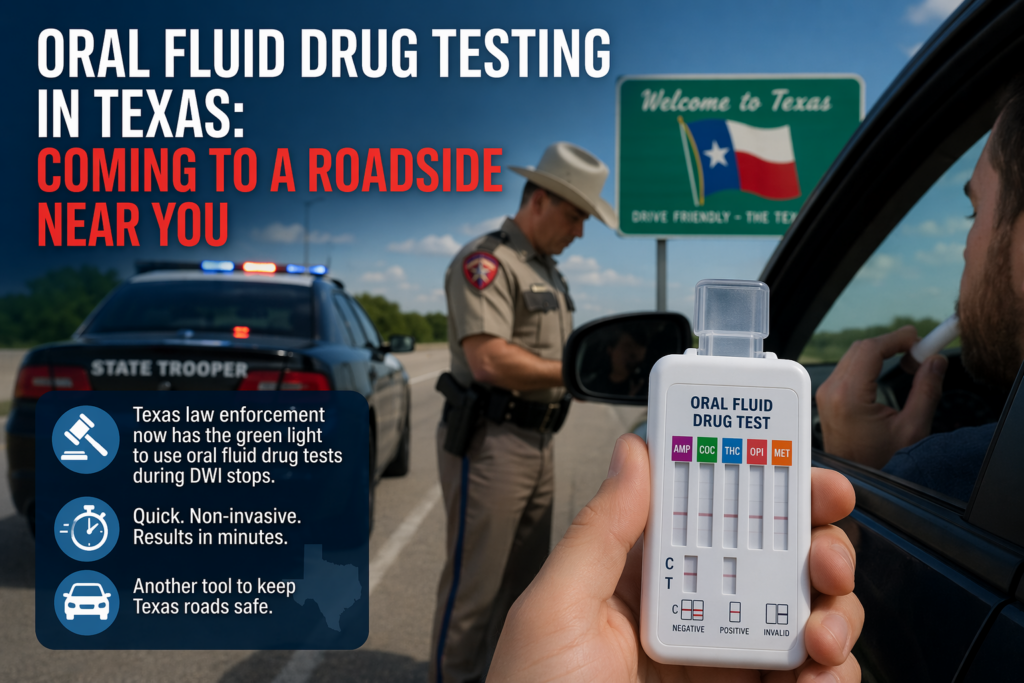
Oral Fluid Drug Testing in Texas: Coming to a Roadside Near You
Oral fluid drug testing (collecting saliva and testing it for the presence of drugs) is expanding in both criminal justice and workplace settings, and Texas is actively developing its use in roadside…
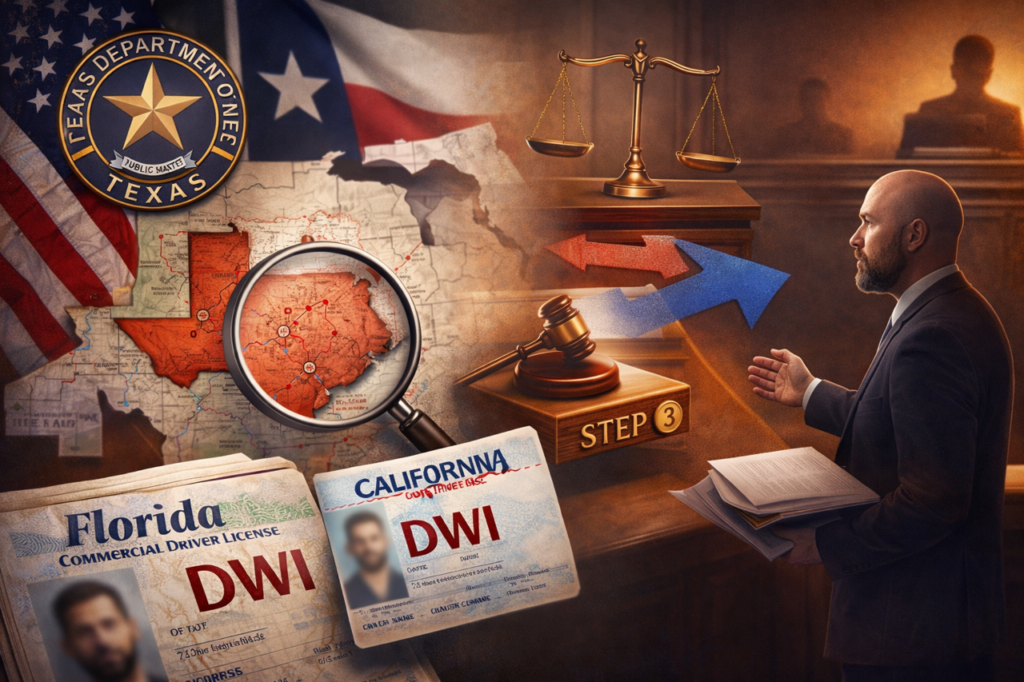
How Texas Uses Out-of-State DWI Convictions for Enhancement and How the Defense Challenges Them
Texas Penal Code §49.09 contains two facts that surprise most people who come to us with a prior DWI from another state. First, Texas has no lookback period so a DWI conviction…
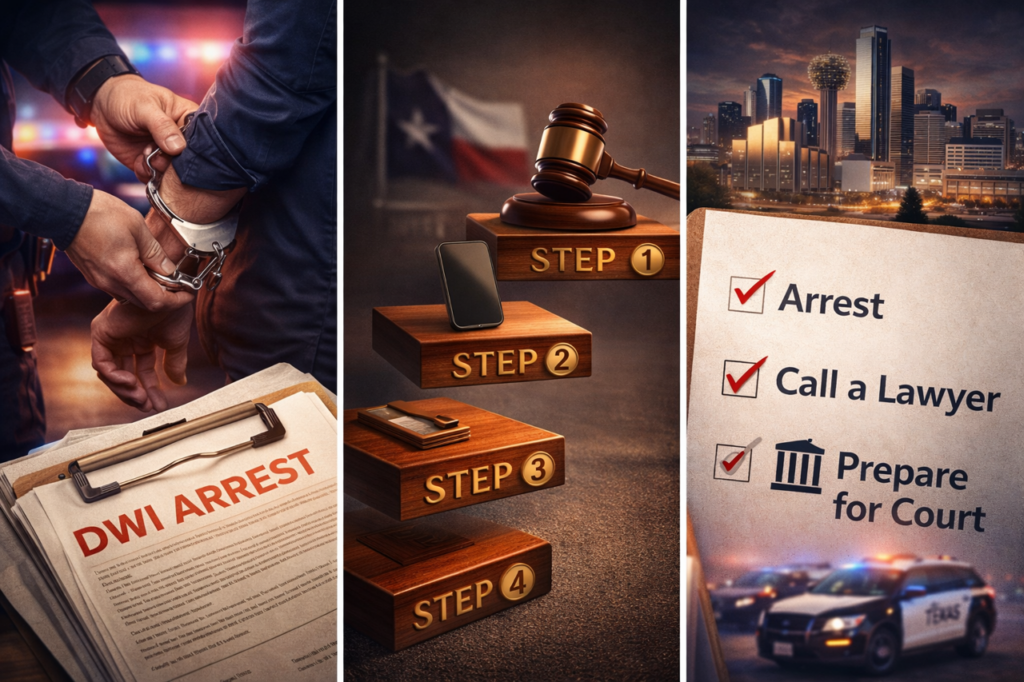
What to Do After a DWI Arrest in Texas: A Step-by-Step Guide
A DWI arrest in Texas opens two simultaneous legal proceedings that run on different clocks and have different consequences. The criminal case will take months to resolve. The administrative license revocation (ALR)…
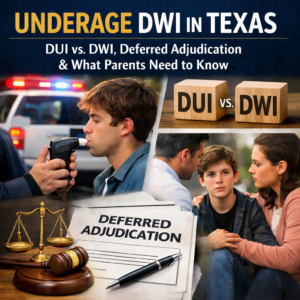
Underage DWI in Texas: DUI vs. DWI, Deferred Adjudication, and What Parents Need to Know
When a minor is stopped for alcohol and driving in Texas, two separate statutes may apply and which one applies determines the offense level, the available penalties, and whether deferred adjudication is…

CDL DWI in Texas: What Commercial Drivers Need to Know
For a CDL holder, a DWI arrest is not just a criminal matter. It is a career emergency. The administrative consequences (CDL disqualification) move faster than the criminal case, there is no…
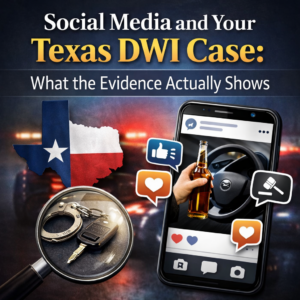
Social Media and Your Texas DWI Case: What the Evidence Actually Shows
Every criminal defense attorney will tell you to stop posting on social media after a DWI arrest. That advice is correct. But it’s the beginning of the conversation, not the end of…