Category Archives: Murder Defense

How Killing a Cop Went from Murder to Manslaughter

How Killing a Cop Went from Murder to Manslaughter

A New York jury recently acquitted Guy Rivera of first-degree murder in the 2024 shooting death of NYPD Detective Jonathan Diller during a traffic stop in Queens. Rivera was convicted of manslaughter and weapons charges instead. He faces up to 90 years in prison. When that verdict was reported, the reaction in many corners was […]

A Last-Minute Confession Before a Texas Execution: What Does It Take to Stop One?

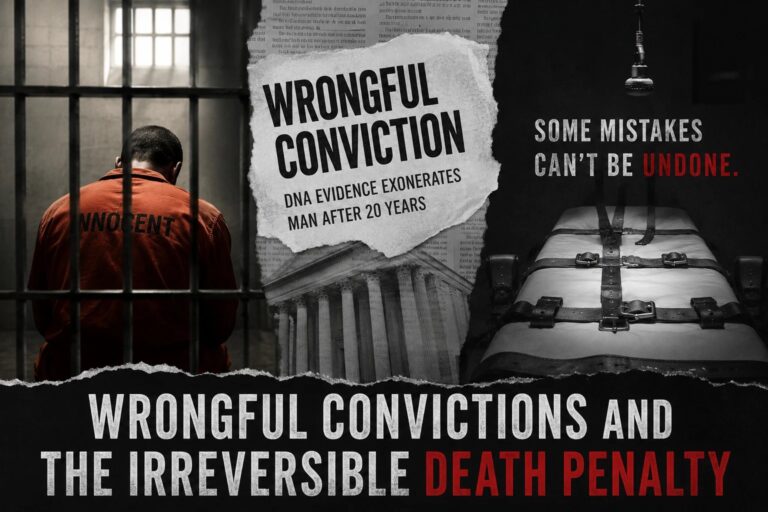
A Last-Minute Confession Before a Texas Execution What Does It Take to Stop One

James Broadnax was convicted in Dallas County in 2009 for the robbery and murder of two men in Garland. He is scheduled to die by lethal injection on April 30, 2026. His cousin, Demarius Cummings, has submitted a sworn affidavit confessing that he (not Broadnax) was the one who pulled the trigger. Cummings says he […]

Sudden Passion in Texas Murder Cases: How a First-Degree Felony Becomes a Second-Degree Sentence

Sudden Passion in Texas Murder Cases: How a First-Degree Felony Becomes a Second-Degree Sentence

By Deandra Grant, J.D., M.S. (Pharmaceutical Science), ACS-CHAL Forensic Lawyer-Scientist Under Texas law, murder is a first-degree felony punishable by 5 to 99 years or life in prison. But there is a narrow and powerful provision in the Penal Code that can reduce that sentence dramatically: the sudden passion defense under §19.02(d). If the defense […]

Self-Defense in Texas Murder Cases: Stand Your Ground, the Castle Doctrine, and What the Law Actually Requires

Self-Defense in Texas Murder Cases: Stand Your Ground, the Castle Doctrine, and What the Law Actually Requires

By Deandra Grant, J.D., M.S. (Pharmaceutical Science), ACS-CHAL Forensic Lawyer-Scientist Texas has the most robust self-defense laws in the country. A person who kills another person in self-defense has committed no crime. This is not a technicality, an excuse, or a mitigation strategy. It is a complete defense that, if proven, results in an acquittal. […]

The Mitigation Investigation: What It Is, Why It Matters, and How It Changes Sentencing Outcomes in Texas Felony Cases

The Mitigation Investigation: What It Is, Why It Matters, and How It Changes Sentencing Outcomes in Texas Felony Cases

By Deandra Grant, J.D., M.S. (Pharmaceutical Science), ACS-CHAL Forensic Lawyer-Scientist In serious felony cases (murder, aggravated assault, aggravated sexual assault, aggravated robbery, and other offenses carrying decades of prison time) the guilt-innocence phase of trial receives the most attention. But for many defendants, the punishment phase is where the case is actually decided. A defendant […]

Manslaughter vs. Murder in Texas: The Mental State That Changes Everything

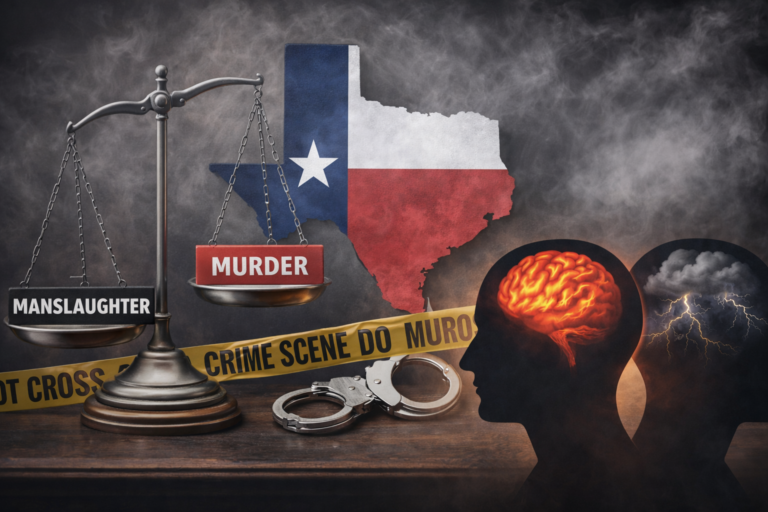
Manslaughter vs. Murder in Texas: The Mental State That Changes Everything

By Deandra Grant, J.D., M.S. (Pharmaceutical Science), ACS-CHAL Forensic Lawyer-Scientist The difference between murder and manslaughter in Texas comes down to one word: the mental state. Murder requires that the defendant acted intentionally or knowingly. Manslaughter requires only recklessness. That single distinction determines whether a defendant faces a first-degree felony (5–99 years or life) or […]

Challenging Forensic Evidence in Texas Homicide Cases: What the Prosecution Presents and Where It Breaks Down

Challenging Forensic Evidence in Texas Homicide Cases: What the Prosecution Presents and Where It Breaks Down

By Deandra Grant, J.D., M.S. (Pharmaceutical Science), ACS-CHAL Forensic Lawyer-Scientist In Texas homicide cases, the prosecution builds its case on forensic evidence. DNA, blood spatter, ballistics, digital forensics, toxicology, autopsy findings, and cell tower data are presented to the jury as scientific proof that the defendant committed the killing. Jurors tend to trust this evidence […]

Felony Murder in Texas: When a Death During Another Crime Becomes a Murder or Capital Murder Charge

Felony Murder in Texas: When a Death During Another Crime Becomes a Murder or Capital Murder Charge

By Deandra Grant, J.D., M.S. (Pharmaceutical Science), ACS-CHAL Forensic Lawyer-Scientist Felony murder is one of the most misunderstood charges in Texas criminal law. A person who never intended to kill anyone and who may not have even been the one who caused the death can be charged with murder or capital murder if someone dies […]

What Happens After a Murder Arrest in Dallas County: The Process From Jail to Trial at Frank Crowley

What Happens After a Murder Arrest in Dallas County: The Process From Jail to Trial at Frank Crowley

By Deandra Grant, J.D., M.S. (Pharmaceutical Science), ACS-CHAL Forensic Lawyer-Scientist If someone you love has been arrested for murder in Dallas County, the next 48 to 72 hours will be some of the most critical of the case. Bond will be set. Conditions will be imposed. The investigation will continue. And the decisions made at […]

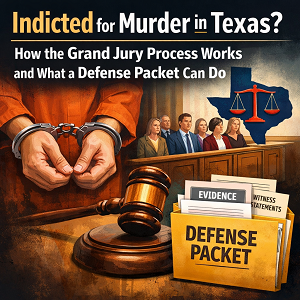
Under Investigation for Murder in Texas? How the Grand Jury Process Works — and How a Defense Packet Can Change the Outcome

Under Investigation for Murder in Texas

If you or someone you know has been arrested for murder in Texas, or if law enforcement has indicated that a murder investigation is underway, the period between the arrest and a formal indictment is one of the most consequential (and most often wasted) windows in the entire case. This is when the grand jury […]