
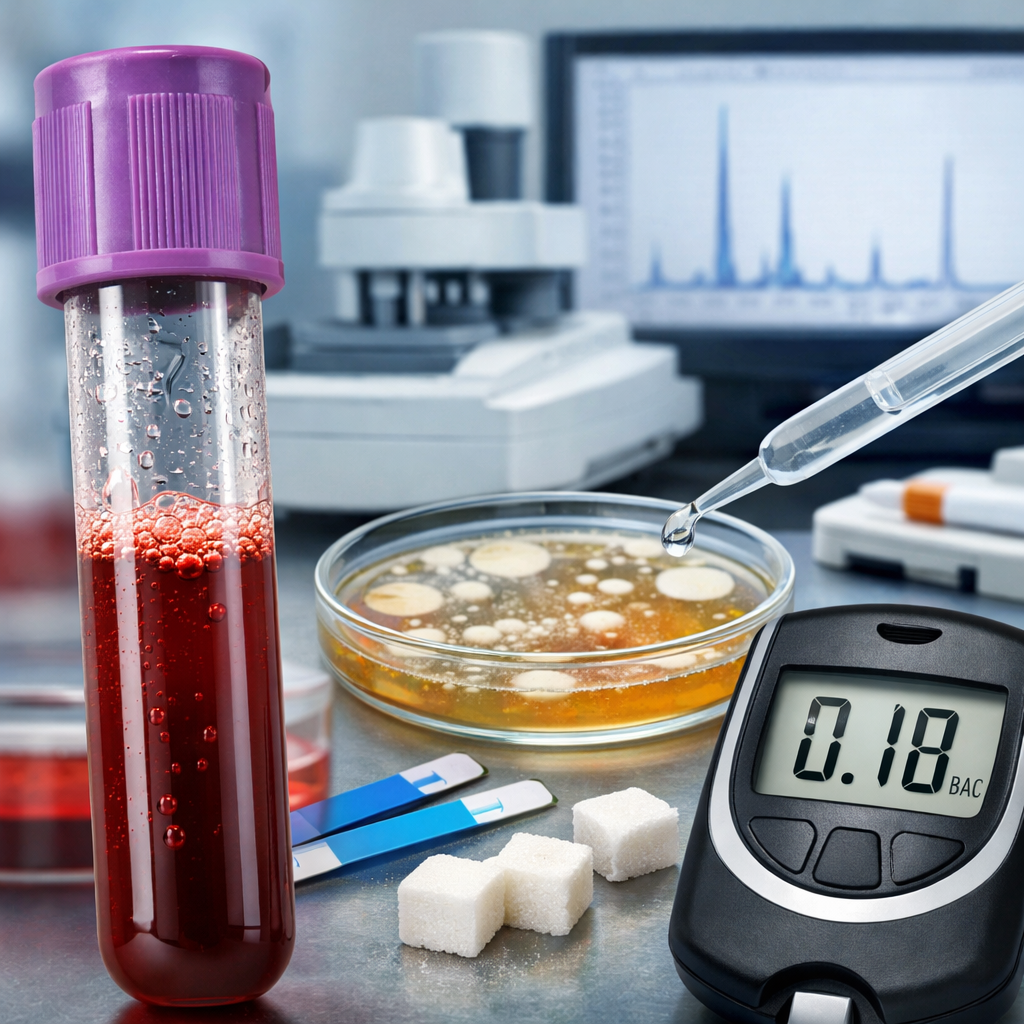
One of the most significant and least understood challenges to blood test accuracy in DWI cases is in vitro fermentation. This is the process by which microorganisms inside the blood collection tube produce alcohol after the blood was drawn, artificially inflating the BAC result. When in vitro fermentation occurs, the laboratory is not measuring the […]
Category Archives: DWI Defense
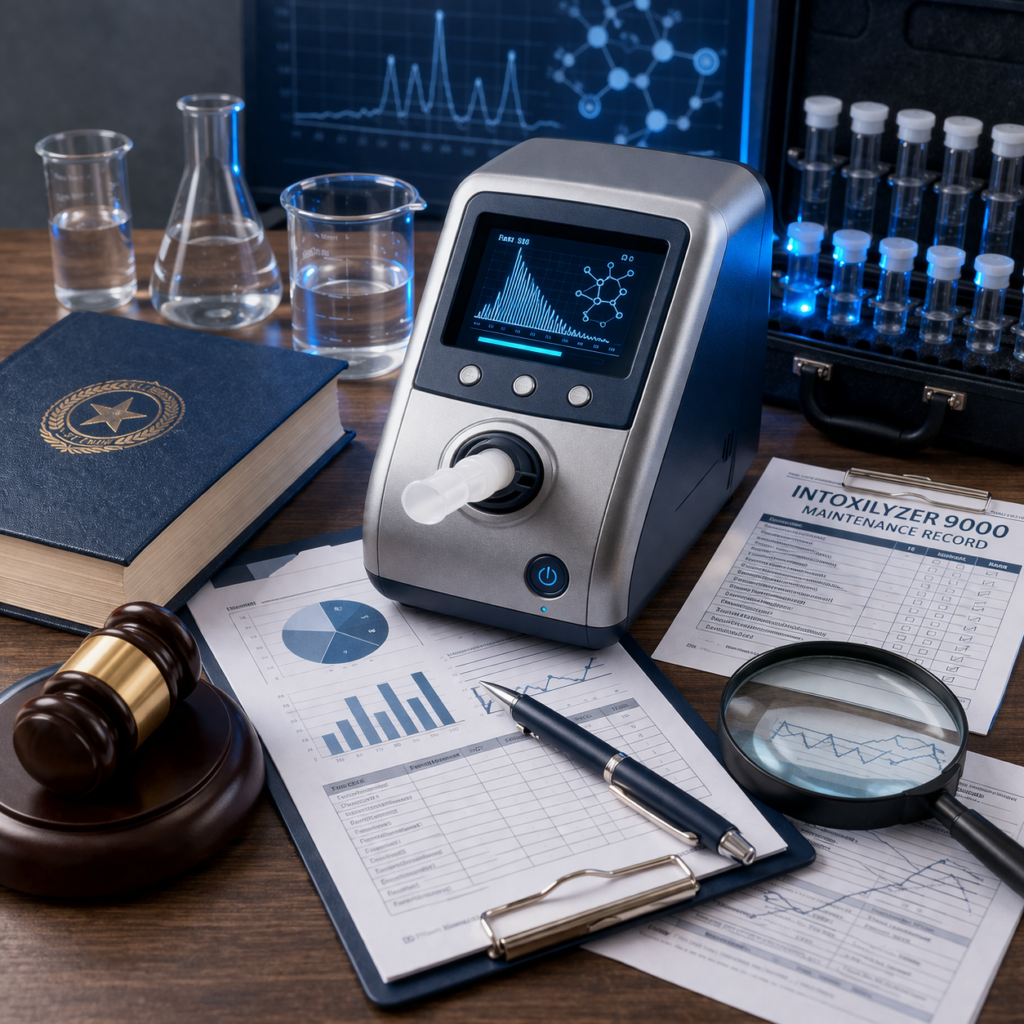
By Deandra Grant, J.D., M.S. (Pharmaceutical Science), ACS-CHAL Forensic Lawyer-Scientist, Certified Intoxilyzer Operator and Maintenance Technician If you submitted to a breath test during a DWI arrest in Texas, the instrument that generated your result was the Intoxilyzer 9000, manufactured by CMI, Inc. of Owensboro, Kentucky. Texas adopted the Intoxilyzer 9000 around 2015, replacing the […]

By Deandra Grant, J.D., M.S. (Pharmaceutical Science), ACS-CHAL Forensic Lawyer-Scientist The prosecution’s theory in every drug DWI case rests on a simple equation: the defendant had drugs in their system, therefore the defendant was impaired. The relationship between blood alcohol concentration and impairment is well-established and reasonably consistent across individuals. But for virtually every other […]

By Deandra Grant, J.D., M.S. (Pharmaceutical Science), ACS-CHAL Forensic Lawyer-Scientist, Instructor, Axion Analytical Labs If you were arrested for DWI in Texas and a blood sample was taken, the number that the prosecution will use against you in court was almost certainly generated by a specific laboratory instrument: a headspace gas chromatograph with flame ionization […]
By Deandra Grant, J.D., M.S. (Pharmaceutical Science), ACS-CHAL Forensic Lawyer-Scientist In Texas DWI cases involving blood draws, the prosecution presents the lab result as if it is a fact: “The defendant’s blood alcohol concentration was 0.12.” But that number is only as reliable as every step in the chain from the moment the needle entered […]
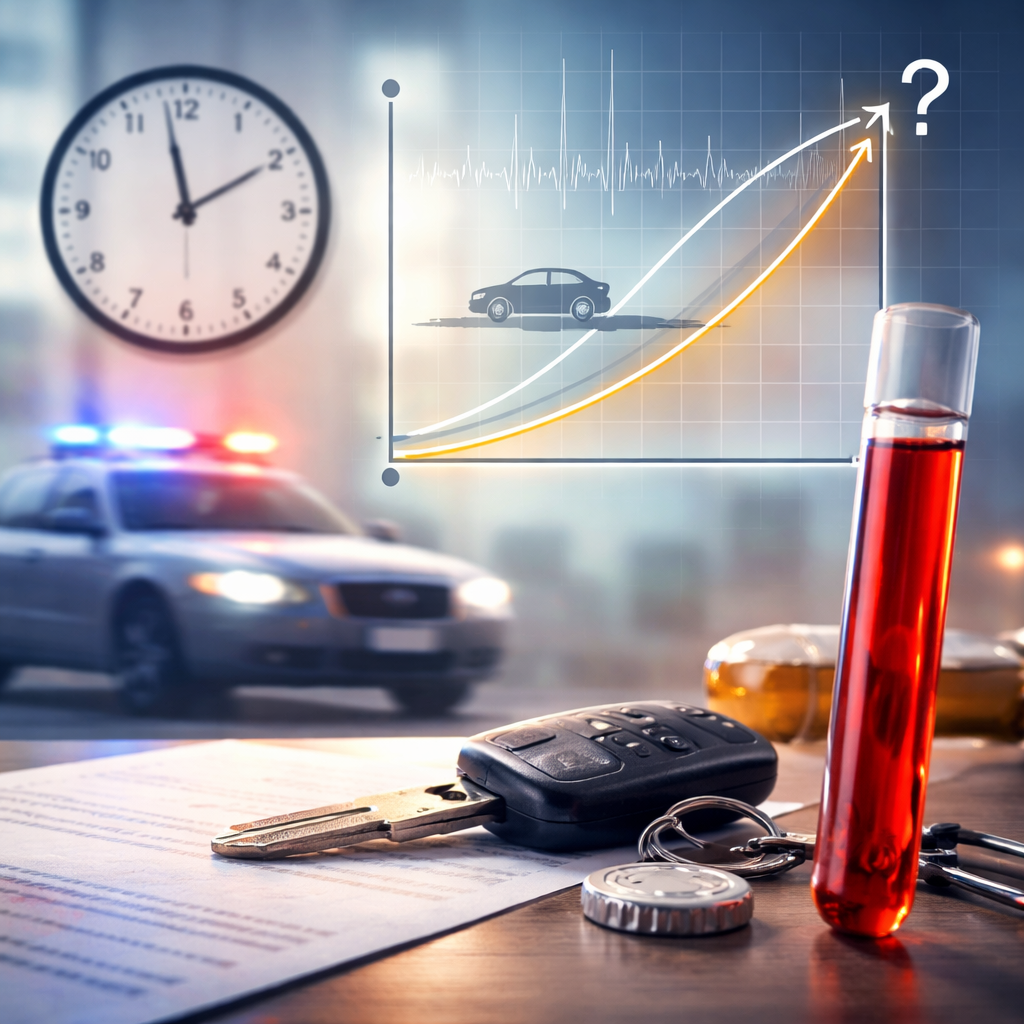
By Deandra Grant, J.D., M.S. (Pharmaceutical Science), ACS-CHAL Forensic Lawyer-Scientist You were pulled over at 11:00 PM. Your blood was drawn at 12:15 AM. The lab reports your blood alcohol concentration (BAC) at 0.09. The legal limit is 0.08. But in Texas the prosecution’s question is not what your BAC was at 12:15 AM. It […]
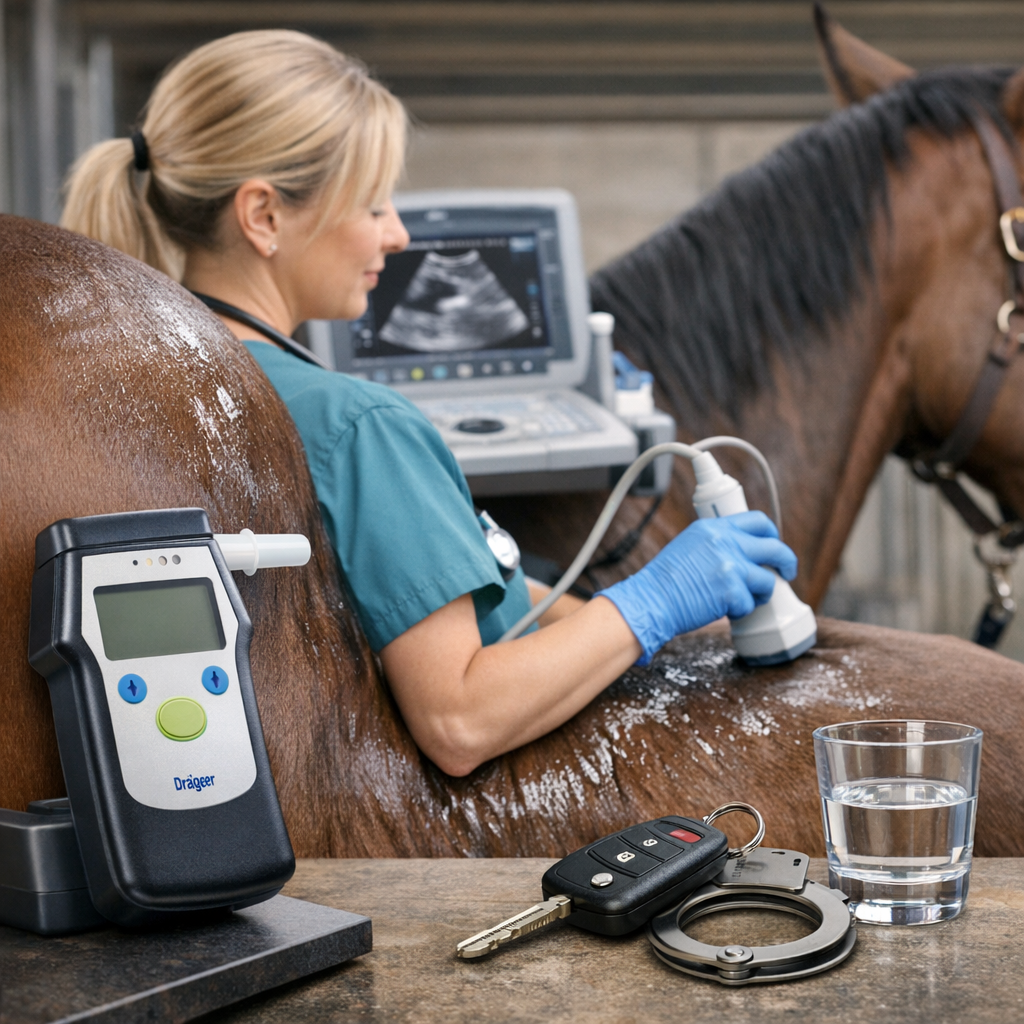
By Deandra Grant, J.D., M.S. (Pharmaceutical Science), ACS-CHAL Forensic Lawyer-Scientist A peer-reviewed study published in Veterinary Sciences examined what happens when equine veterinarians perform abdominal ultrasounds on horses using ethanol as a coupling agent which is a standard, routine procedure in equine medicine. The veterinarians did not drink any alcohol. They poured or sprayed ethanol […]
By Deandra Grant, J.D., M.S. (Pharmaceutical Science), ACS-CHAL Forensic Lawyer-Scientist When a forensic laboratory analyst takes the stand in a DWI or drug case, one of the first things the prosecution establishes is that the laboratory is “accredited.” The word is deployed like a seal of infallibility: the lab is accredited, therefore the results are […]
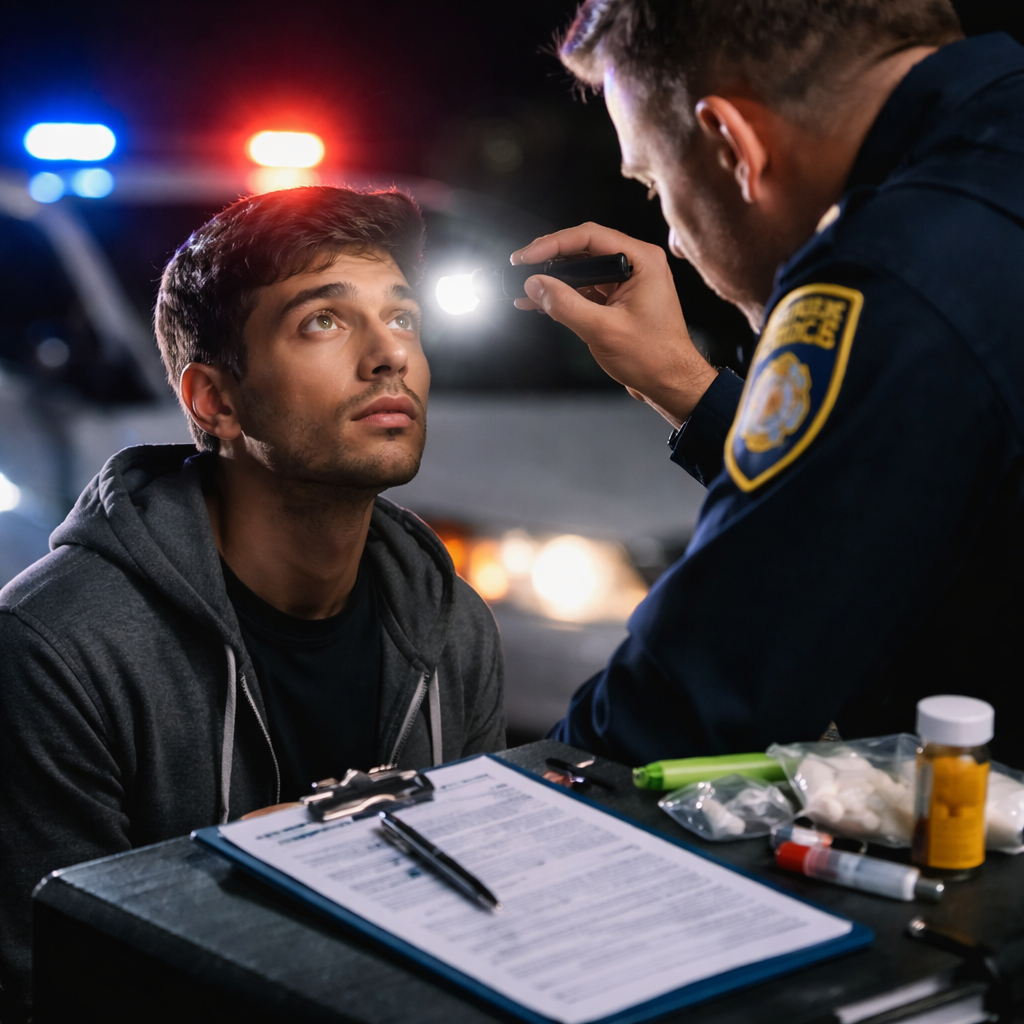
When a police officer suspects a driver is impaired by drugs rather than alcohol, a specialized officer called a Drug Recognition Expert (DRE) may be called to the scene or the station to conduct a Drug Influence Evaluation (DIE). The DRE follows a 12-step protocol and, at its conclusion, renders an “opinion” about which category […]
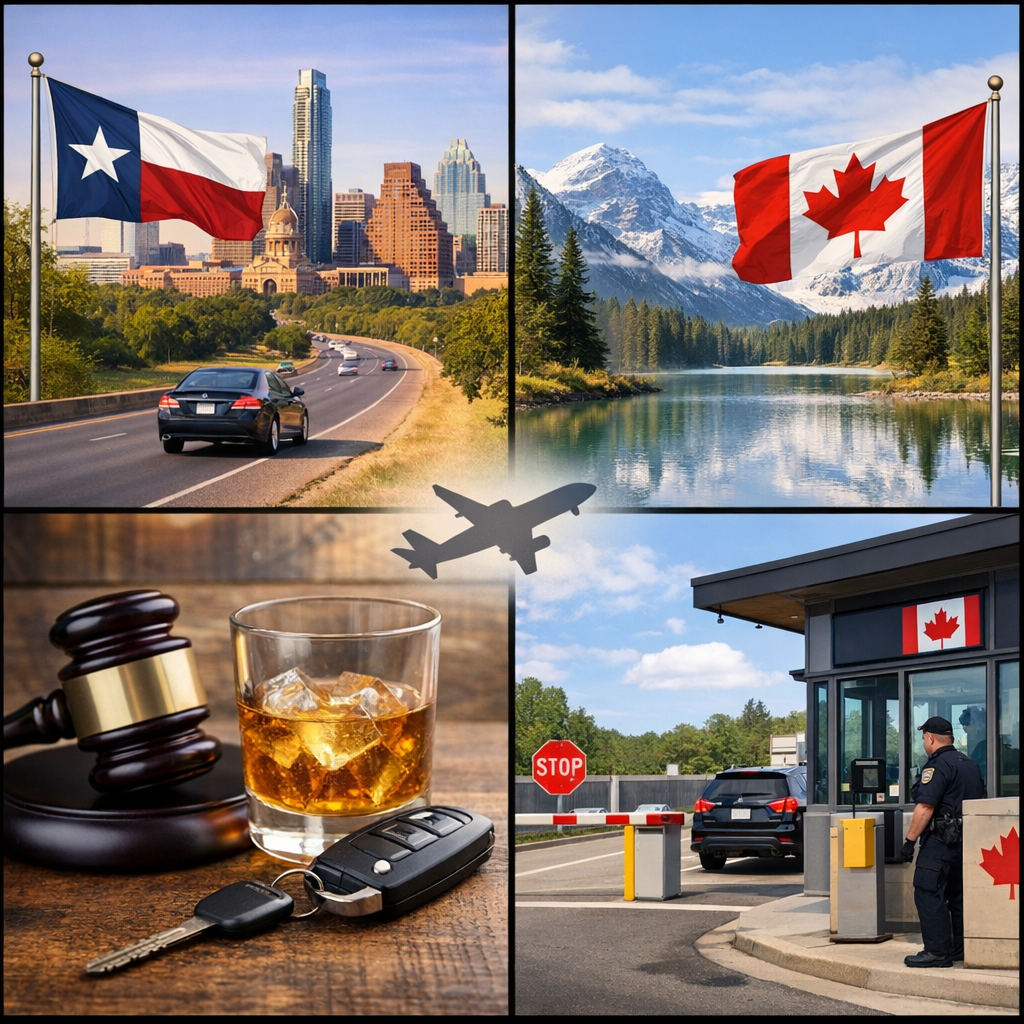
By Deandra Grant, J.D., M.S. (Pharmaceutical Science), Deandra Grant Law, Dallas, Texas and Kyla Lee, Acumen Law Corporation, Vancouver, British Columbia One of the most common questions DWI defense attorneys in the United States hear from clients has nothing to do with courtrooms or probation. It’s this: “Will I still be able to go to […]