

Do You Need Legal Help?

"Deandra Grant Law fights hard for their clients and is always willing to go above and beyond. They are the best firm for DWI cases in DFW and beyond. Definitely hire them to represent you in any pending cases."
- P. Williams
"Deandra Grant made a tough situation so much better. She listened to my concerns and helped me so much with my case. I would recommend her to anyone needing legal services."
- M. Haley
"Deandra Grant Law handled my case with diligence and professionalism. Deandra Grant's reputation is stellar and now I know why. She has a team of individuals who provide quality service."
- N. Coulter
As Seen On





A Fighting Team On Your Side
Since 1994 when our doors opened, Deandra Grant Law has helped thousands of clients get their DWI charges reduced or dismissed. We're ready to fight on your behalf.

Managing Partner

Partner & Criminal Division Chief

Criminal Division Senior Associate

Criminal Division DWI Trial Chief

Immigration Division Chief & Criminal Division Deputy Chief

Criminal Division Associate

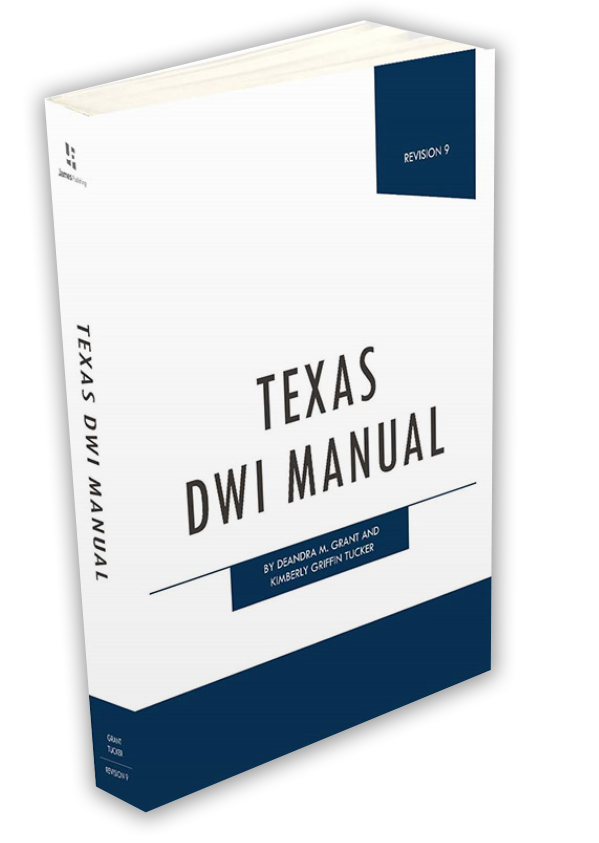
Texas DWI Manual
By Attorney Deandra Grant
Fighting DWI charges can present many challenges, not only for the defense, but prosecutors as well. This is why it is important to be armed with the necessary knowledge so you understand the DWI process.
Attorney Deandra M. Grant is the co-author of the Texas DWI Manual, offering legal advice to both clients and fellow attorneys. Fighting DWI charges can present may challenges, not only for the defense, but prosecutors as well. This is why it is important to be armed with the necessary knowledge so that you understand the DWI criminal process.
Learn MoreDallas DUID Lawyers
Driving Under the Influence of Drugs Defense
Facing a DUID charge in Dallas, TX can be a distressing and overwhelming experience. If you’ve found yourself on this page, know that you are not alone. At Deandra Grant Law – our Dallas DUID Lawyers understand the anxiety and uncertainty that comes with such charges. We are here to provide you with the support and legal expertise you need to navigate this challenging time.
Driving Under the Influence of Drugs Defense: Protecting Your Rights and Future
When it comes to DUID charges, the consequences can be severe. Not only can you face fines and possible jail time, but a conviction can also lead to a tarnished criminal record, loss of driving privileges, and other long-term repercussions. That’s why it’s crucial to have our experienced Dallas DUID Lawyers on your side, fighting to protect your rights and future.
Understanding the Charges: What You Need to Know
In Dallas, TX, the law takes driving under the influence of drugs very seriously. If you are found to be operating a vehicle while under the influence of drugs, you can be charged with a DUID offense. The penalties for DUID can vary depending on the circumstances of the case, but they can be harsh and life-altering.
Texas Driving Under the Influence of Drugs Information
You can be arrested and charged for DWI if your driving has been impaired by any of the following:
- Prescription drugs—such as Xanax, Valium, Vicodin, Ambien, Soma, and Alprazolam—whether you have a valid prescription from a doctor or not
- Illegal drugs, such as marijuana, cocaine, heroin, LSD, methamphetamine, or others
- Over-the-counter drugs, such as cold medicines, allergy medicines, sleep aids, and cough medicines
- Any substance that causes dizziness, drowsiness, sleepiness, or impairs your motor skills, judgment, or reaction time may bring on a DWI arrest
You could be facing potential jail time, hefty fines, probation, the loss of your license, other court-ordered sanctions and programs, and a permanent criminal record upon conviction. State prosecutors pursue DWI charges aggressively in their goal of serving the public interest. That is why you need the skills and services of the team at Deandra Grant Law who can combat your charges with an aggressive and skilled defense.
Why Choose Our Dallas DUID Lawyers For Your Defense?
At Deandra Grant Law, we have a team of skilled and experienced Dallas DUID Lawyers who are dedicated to providing aggressive and effective defense strategies for those facing driving under the influence of drugs charges. We have a proven track record of success in handling DUID cases, and we are committed to pursuing a positive outcome for each of our clients.
Relevant Statistical Data: The Impact of Driving Under the Influence of Drugs
The prevalence of drug-related DWI cases is a matter of concern. According to the Texas Department of Transportation, in 2020, there were thousands of DWI arrests involving drugs in the state. These statistics underscore the importance of having our qualified DUID Lawyers on your side to protect your rights and interests.
Defending Against Driving Under the Influence of Drugs Charges: Choose Deandra Grant Law for Expert Guidance
When you’re dealing with DUID charges, the stakes are high. A conviction can lead to significant penalties, including hefty fines, possible jail time, a lasting criminal record, and the suspension of your driver’s license. It’s crucial to have a team of experienced Dallas DUID Lawyers who understand the complexities of these cases and can skillfully navigate the legal system on your behalf.
Free Consultations: Your First Step Towards a Strong Defense
At Deandra Grant Law, we understand the worry and uncertainty that come with DUID charges. That’s why we offer free consultations to anyone facing such charges in Dallas, TX. During this consultation, we will listen to the details of your case, answer your questions, and provide you with a clear understanding of your legal options moving forward.
Serious Consequences of Driving Under the Influence of Drugs Convictions
A DUID conviction can have far-reaching consequences that can impact your life for years to come. With the potential for fines, imprisonment, a criminal record, and the loss of your driving privileges, the impact on your personal and professional life can be significant. Our team at Deandra Grant Law is dedicated to providing aggressive defense to help you mitigate these consequences.
Experienced Guidance Through Complicated Proceedings
Navigating the legal system can be overwhelming, especially when facing driving under the influence of drugs charges. At Deandra Grant Law, our experienced Dallas DUID Lawyers will guide you through every step of the process. From court proceedings to administrative hearings, we’ll provide you with the support and knowledge you need to make informed decisions and maximize your chances of a successful outcome.
Related Blogs

Understanding DWI Laws for CDL Holders in Texas
Driving while intoxicated (DWI) is a serious offense with severe repercussions for anyone found guilty. [...]

Understanding DWI Charges in Texas
Driving while intoxicated (DWI) is a serious offense in Texas, carrying severe penalties that can [...]

What to Do If You’re Pulled Over for a Suspected DWI in Texas
Driving in Texas can be a liberating experience, with its sprawling highways and scenic routes. [...]

Navigating First-Time DWI Offenses in Texas
Facing a first-time DWI charge in Texas can be overwhelming and daunting. The legal system’s [...]

Navigating Field Sobriety Tests in Texas DWI Cases
Driving while intoxicated (DWI) charges in Texas are serious legal matters that can have significant [...]

DWI Probation Rules in Texas
Driving while intoxicated (DWI) is a serious offense in Texas, carrying significant consequences. However, for [...]

Understanding DWI in Texas: What You Need to Know
Driving while intoxicated (DWI) is a serious offense that can have significant legal consequences in [...]

Understanding DWI vs. DUI in Texas: Navigating Legal Waters
Are you facing the daunting reality of DWI or DUI charges in Texas? Understanding the [...]
Common Mistakes After Driving Under the Influence of Drugs Arrest: How Deandra Grant Law Can Assist You
Being arrested for DUID in Dallas, TX can be overwhelming and confusing. Your actions after the arrest can significantly impact the outcome of your case. It’s essential to avoid certain mistakes and seek expert legal counsel to protect your rights and build a strong defense. Deandra Grant Law is here to help guide you through this challenging time and provide the support you need to make informed decisions.
Talking to the Police Without Legal Representation
After your DUID arrest, it’s crucial to exercise your right to remain silent and avoid speaking with the police without a lawyer present. Anything you say can be used against you in court, and innocent statements can be misinterpreted or used against you. By consulting with our experienced Dallas DUID Lawyers, we can advise you on how to interact with law enforcement and protect your best interests.
Failing to Understand Your Rights and Options
Many individuals arrested for driving under the influence of drugs may not fully comprehend their rights and legal options. It’s essential to seek counsel from knowledgeable attorneys who can explain the charges against you, potential consequences, and available defenses. At Deandra Grant Law, we provide free consultations to help you understand your situation and make informed decisions about your case.
Delaying in Seeking Legal Representation
Time is of the essence in DUID cases. Delaying in seeking legal representation can be detrimental to your defense. Evidence may deteriorate or become unavailable, and crucial witnesses may forget important details. By contacting Deandra Grant Law promptly, we can start building your defense strategy and protecting your rights from the beginning.
Failing to Preserve Evidence
Preserving evidence is vital in DUID cases. If you were stopped by law enforcement, any dashcam or body camera footage, as well as surveillance footage from the location, may be crucial to your defense. Additionally, preserving any medication or substance involved in the case can be vital to challenge the prosecution’s evidence. Our experienced DUID Lawyers at Deandra Grant Law will ensure all relevant evidence is properly collected and preserved.
Frequently Asked Questions about Driving Under the Influence of Drugs in Dallas, TX
If you have been recently arrested for driving under the influence of drugs in Dallas, TX, you likely have many questions and concerns about your situation. At Deandra Grant Law, we understand the complexities of driving under the influence of drugs cases and are here to provide you with answers to some of the most commonly asked questions.
What is DUID?
DUID, also known as Driving While Intoxicated by Drugs, occurs when a person operates a vehicle while under the influence of drugs or a combination of drugs and alcohol. It is illegal to drive with any detectable amount of drugs in your system that may impair your ability to drive safely.
What are the consequences of a DUID conviction?
A driving under the influence of drugs conviction can have severe consequences, including fines, probation, mandatory drug education programs, community service, driver’s license suspension, and even jail time. Additionally, a driving under the influence of drugs conviction can result in a criminal record, which can affect your future employment and other opportunities.
Can I refuse a drug test if I am pulled over for suspicion of driving under the influence of drugs?
In Texas, if you are lawfully arrested for driving under the influence of drugs, you are required to take a blood or urine test to determine if you have drugs in your system. Refusing to take the test can result in the suspension of your driver’s license.
Can I challenge the results of a drug test?
Yes, it is possible to challenge the results of a drug test. There are various factors that can lead to inaccurate test results, such as improper testing procedures or contamination of the sample. An experienced DUID lawyer can examine the details of your case and determine if there are grounds to challenge the test results.
Should I hire a lawyer for my driving under the influence of drugs case?
Yes, it is highly recommended to hire a skilled DUID lawyer to defend you against the charges. A lawyer can protect your rights, examine the evidence against you, identify potential weaknesses in the prosecution’s case, and develop a strong defense strategy to achieve a positive outcome for your case.
How can Deandra Grant Law help me with my driving under the influence of drugs case?
At Deandra Grant Law, our experienced Dallas DUID Lawyers will provide you with expert legal representation and support throughout your case. We will analyze the details of your arrest, conduct a thorough investigation, and build a robust defense to challenge the charges against you. Our goal is to protect your rights, minimize the potential consequences, and help you move forward with your life.
Is it possible to have my charges reduced or dismissed?
Yes, it is possible to have your driving under the influence of drugs charges reduced or dismissed with the help of an experienced lawyer. Depending on the circumstances of your case, there may be opportunities to negotiate with the prosecution or challenge the evidence against you. Deandra Grant Law will explore all available options to pursue a positive outcome for your case.
DUID Client Story
This client story is for educational purposes only.
In the bustling city of Dallas, Texas, there lived a vibrant woman named Caroline. She was a hardworking and caring individual, always striving to be the best version of herself. One fateful evening, Caroline’s life took an unexpected turn when she found herself in the midst of a distressing situation.
After a long day at work, Caroline decided to unwind with some friends at a local gathering. Little did she know that her life was about to change forever. As the night progressed, she made the regrettable decision to get behind the wheel after having a couple of drinks. Her judgment clouded, she was pulled over by the flashing lights of a police car.
Overwhelmed with fear and regret, Caroline was arrested for driving under the influence of drugs. Her heart sank as she realized the grave mistake she had made, knowing the consequences she might face. The weight of guilt and worry seemed unbearable, and Caroline felt lost and alone.
But amidst the darkness, a guiding light emerged in the form of Attorney Douglas Huff from Deandra Grant Law. Douglas was a dedicated and experienced DUID lawyer, known for his unwavering commitment to his clients. From the moment they met, he reassured Caroline that he would fight fiercely on her behalf.
With Douglas by her side, Caroline began to see a glimmer of hope. He patiently listened to her story, understanding the challenges she had faced and the remorse she felt. He carefully reviewed every detail of her case, determined to build a solid defense to protect her rights.
Throughout the legal proceedings, Douglas provided Caroline with unwavering support and compassion. He explained the complex legalities in a way that she could understand, ensuring she was well-informed every step of the way. Despite the stress and anxiety she felt, Douglas’s reassuring presence gave her the strength to carry on.
As the trial date approached, Douglas left no stone unturned in preparing for Caroline’s defense. He worked tirelessly, gathering evidence, interviewing witnesses, and challenging the prosecution’s case. His dedication and expertise shone through every aspect of the trial.
Finally, the day of reckoning arrived, and Caroline stood before the court with her heart pounding. But she knew she was not alone; she had Douglas and the entire team at Deandra Grant Law standing strong beside her. Their belief in her innocence fueled her determination to fight for justice.
Through Douglas’s skilled advocacy, the truth prevailed, and Caroline was found not guilty of the charges against her. Tears of relief streamed down her cheeks as she realized that her life could start anew. The weight of uncertainty lifted, and a sense of gratitude overwhelmed her.
Contact Our Experienced Dallas DUID Lawyers Today
If you find yourself facing the overwhelming burden of driving under the influence of drugs charges in Dallas, TX, know that you are not alone. Deandra Grant Law is here to be your unwavering advocate and guide throughout this challenging process.
Our team of experienced Dallas DUID lawyers, led by dedicated professionals like Deandra Grant, is committed to helping you achieve a positive outcome for your case. We understand the fear and uncertainty you may be experiencing, and we are here to provide you with the support and legal expertise you need during this difficult time.
At Deandra Grant Law, we offer free consultations, so you can discuss your situation with us without any financial burden. During this initial meeting, we will carefully listen to your story, analyze the details of your case, and provide you with honest and compassionate advice on the right course of action.
With our years of experience and extensive knowledge of driving under the influence of drugs defense, we will leave no stone unturned in building a strong and strategic defense tailored to your unique circumstances. Our goal is to protect your rights, challenge the evidence against you, and seek the most favorable outcome possible.
Rest assured that we will be by your side every step of the way, guiding you through the complex legal process and providing you with the information you need to make informed decisions. Our commitment to your case goes beyond the courtroom; we genuinely care about your well-being and will support you through this challenging time.
Contact Deandra Grant Law today to schedule your free consultation. Let us be the steadfast ally you need to fight for justice and a brighter future. Together, we will navigate the legal complexities and work towards securing a positive outcome for your driving under the influence of drugs case. Remember, you have rights, and we are here to defend them vigorously.
Client Reviews

“Deandra Grant Law handled my case with diligence and professionalism. Deandra Grant’s reputation is stellar and now I know why. She has a team of individuals who provide quality service.”