
Driving under the influence is a serious offense that can have significant consequences, both legally and personally. In Waco, Texas, Boating While Intoxicated (BWI) cases involve similar legal complexities as Driving While Intoxicated (DWI) cases on the road. One crucial aspect of BWI cases in Waco, TX, is the administration of field sobriety tests. These tests play a pivotal role in determining whether an individual is operating a boat under the influence of alcohol or drugs. However, challenging the validity of these tests is a common defense strategy. In this article, we will delve into how to challenge field sobriety tests in Waco, TX BWI cases and the specific requirements associated with these challenges.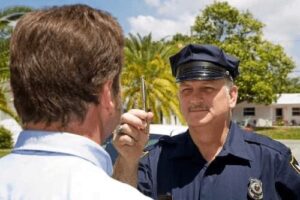
Understanding Field Sobriety Tests in Waco BWI Cases
Before delving into the challenges, it’s essential to understand what field sobriety tests entail in Waco BWI cases. Law enforcement officers often use standardized field sobriety tests to assess a boater’s level of impairment. These tests are designed to measure a person’s coordination, balance, and ability to follow instructions, all of which can be impacted by alcohol or drug consumption.
Common field sobriety tests include the Horizontal Gaze Nystagmus (HGN) test, Walk-and-Turn test, and One-Leg Stand test. During the HGN test, an officer observes the involuntary jerking of the eyes as the individual follows a moving object, such as a pen. The Walk-and-Turn test requires the individual to take nine heel-to-toe steps along a straight line and then turn and return in the same manner. In the One-Leg Stand test, the individual must stand on one leg for a specified duration.
Challenges to Field Sobriety Tests
Challenging field sobriety tests in Waco, TX BWI cases involves questioning their reliability and the manner in which they were administered. Several factors can impact the accuracy of these tests, and a skilled defense attorney will thoroughly examine each aspect to build a robust defense strategy.
Officer Training and Administration
One key aspect to challenge is the training of the officer administering the field sobriety tests. Officers are required to undergo specific training to properly administer these tests, and any deviation from the standardized procedures can compromise the validity of the results. If it can be demonstrated that the officer lacked proper training or failed to adhere to established protocols, it raises questions about the accuracy of the test results.
Environmental Factors
Environmental conditions can significantly affect an individual’s ability to perform field sobriety tests accurately. Factors such as uneven terrain, poor lighting, or adverse weather conditions can impact balance and coordination, leading to false indications of impairment. Challenging the environmental factors at the time of the test is a viable strategy to question the reliability of the results.
Medical Conditions and Physical Limitations
Certain medical conditions or physical limitations may hinder an individual’s performance on field sobriety tests. Conditions such as inner ear problems, back pain, or neurological disorders can affect balance and coordination. If the accused has a documented medical condition or disability, it can be used as a basis for challenging the results of the tests.
Inherent Flaws in the Tests
Field sobriety tests are not foolproof, and their inherent limitations can be exploited in the defense’s favor. For example, the accuracy of the HGN test can be influenced by factors other than alcohol consumption, such as fatigue or certain medications. Highlighting the potential for false positives and challenging the reliability of the tests is a common defense strategy.
Requirements for Challenging Field Sobriety Tests in Waco, TX BWI Cases
Successfully challenging field sobriety tests in Waco, TX BWI cases requires a strategic approach and a thorough understanding of the legal requirements associated with such challenges.
Detailed Documentation of the Arrest
A critical requirement for challenging field sobriety tests is a detailed documentation of the arrest. This includes obtaining the police report, any video footage of the arrest, and any other relevant evidence that sheds light on the circumstances surrounding the administration of the tests. Scrutinizing these documents can reveal discrepancies or deviations from proper procedures that form the basis for a challenge.
Expert Witnesses and Testimony
Engaging expert witnesses can strengthen the defense’s case when challenging field sobriety tests. An expert in the field of forensic science or a medical professional can provide testimony regarding the limitations of these tests and how various factors can lead to inaccurate results. Their testimony can be instrumental in convincing the court of the need to question the reliability of the field sobriety tests in the specific case.
Legal Knowledge and Strategy
Challenging field sobriety tests requires a deep understanding of the relevant legal principles and precedents. A skilled defense attorney will be well-versed in the legal requirements for administering these tests and will strategically use this knowledge to build a compelling case. This may involve filing motions to suppress evidence, presenting legal arguments in court, and cross-examining prosecution witnesses effectively.
Alternative Explanations and Evidence
In challenging field sobriety tests, it’s imperative to explore alternative explanations for the observed behavior during the tests. For instance, fatigue, stress, or even nervousness can mimic the signs of impairment. An adept defense attorney will investigate and present evidence that supports alternative explanations for the individual’s performance on the field sobriety tests. This can include establishing a timeline of events leading up to the arrest or presenting witnesses who can attest to the individual’s state of mind and physical condition at the time of the BWI stop.
Cross-Examination of Prosecution Witnesses
Cross-examining the prosecution’s witnesses, particularly the arresting officer who administered the field sobriety tests, is a critical component of challenging their validity. Through strategic questioning, the defense can highlight inconsistencies, lapses in memory, or deviations from established procedures. By casting doubt on the reliability of the officer’s testimony, the defense can sow seeds of uncertainty regarding the accuracy of the field sobriety test results.
Challenging field sobriety tests in Waco, TX BWI cases is a complex yet essential aspect of mounting a strong defense against charges of boating under the influence. By understanding the nuances of these challenges and meeting the necessary requirements, individuals facing BWI charges can enhance their chances of a favorable outcome.
If you or someone you know is facing BWI charges in Waco, TX, it’s crucial to consult with an experienced defense attorney who can assess the specifics of the case and develop a tailored defense strategy. Contact Deandra Grant Law today to schedule a consultation and take proactive steps towards building a robust defense against BWI charges.