
Home »

Do You Need Legal Help?

"Deandra Grant Law fights hard for their clients and is always willing to go above and beyond. They are the best firm for DWI cases in DFW and beyond. Definitely hire them to represent you in any pending cases."
- P. Williams
"Deandra Grant made a tough situation so much better. She listened to my concerns and helped me so much with my case. I would recommend her to anyone needing legal services."
- M. Haley
"Deandra Grant Law handled my case with diligence and professionalism. Deandra Grant's reputation is stellar and now I know why. She has a team of individuals who provide quality service."
- N. Coulter
As Seen On





A Fighting Team On Your Side
Since opening in 1994, Deandra Grant Law – Criminal & DWI Defense has helped thousands of clients get their DWI charges reduced or dismissed. With experience in over 500+ trials, we're ready to fight on your behalf.

Managing Partner

Partner & Criminal Division Chief

Criminal Trial Division
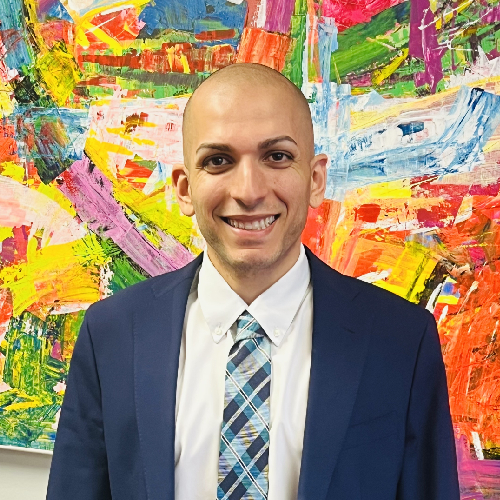
Criminal Trial Division

Associate Attorney

Of Counsel


Download Our Free Texas Criminal Guide
Learn what you should and shouldn't be doing to help your criminal defense case.
Dallas Murder Defense Attorneys
Facing a murder charge in Dallas, TX is undoubtedly a daunting and overwhelming experience. If you find yourself on this page, we want you to know that Deandra Grant Law – Criminal & DWI Defense is here to help and support you during this difficult time. Our team of experienced Dallas Murder Defense Attorneys understands the gravity of the situation you are facing and is committed to providing you with the right defense.
Regardless of how complex your matter seems or what evidence the prosecutor may have against you, the criminal defense attorneys at Deandra Grant Law – Criminal & DWI Defense can provide the legal representation you need. We have defended those accused of crimes for over 20 years and have obtained victories for past clients. Our Dallas murder defense attorneys examine every detail to uncover weaknesses in the prosecution’s arguments and strengthen our clients’ defenses. We know the long-term effects of a conviction, especially one for murder, and give our all to ensure we are doing everything necessary to protect our clients’ rights and best interests. When you choose our murder defense attorneys in Dallas, you can be confident that you will have a zealous advocate on your side, fighting aggressively for you.
Deandra Grant Law – Criminal & DWI Defense Helps Residents across Texas with Criminal Defense Matters – Including: Allen , Arlington, Belton, Cleburne, Collin County, Dallas, Denton, Fairview, Fort Worth, Frisco, Gainesville, Granbury, Hood County, Johnson County, Lewisville, Little Elm, McKinney, Park Cities, Parker County, Plano, Princeton, Richardson, Rockwall, Rowlett, Royse City, Southlake, Sunnyvale, The Colony, Waco, and Weatherford.
Understanding Murder Charges in Dallas, TX
Being charged with murder in Dallas, TX is one of the most serious offenses a person can face. Murder is defined as the unlawful and intentional killing of another person with malice aforethought. Texas takes murder charges very seriously, and the penalties can be severe, ranging from life imprisonment to the death penalty.
What is Texas’s Murder Law
Under Texas Penal Code 19.01, a person can be charged with murder in the following ways:
- They caused someone else’s death, and they did so knowingly or intentionally. These states of mind mean that the alleged offender’s objective was to kill another or they were aware that their actions would lead to death;
- They intended to seriously injure someone, and when carrying out the conduct to affect such a result, they engaged in an act so dangerous, they caused that person’s death; or
- They were committing or attempting to commit a felony, and while doing so (or while fleeing the scene after doing so), they engaged in dangerous conduct that caused someone’s death.
What is Texas’s Capital Murder Law
The Texas Penal Code also has a law concerning capital murder. This offense is considered more serious than murder. What increases the severity of the crime is how it was committed or who it was committed against.
There are 10 ways a person could be accused of capital murder:
- They killed an on-duty police officer or fireman;
- They intentionally murdered someone while committing or attempting to commit any of the following:
- Kidnapping
- Burglary
- Robbery
- Aggravated sexual assault
- Arson
- Obstruction or retaliation, or
- Terroristic threat;
- The person was hired to kill another, or they hired someone to commit the murder;
- The offender was escaping or attempting to escape a penal institution;
- They were incarcerated and killed an employee of the facility;
- They were incarcerated and murdered an inmate;
- They killed two or more people either during the same crime or different but related offenses
- They murdered a minor under 10 years of age;
- They murdered someone between 10 and 14 years of age; or
- They killed a judge or justice in retaliation for their service
What are the Penalties for Murder in Texas?
The punishments a judge can levy upon a conviction depend on the nature of the offense and whether the defendant was accused of murder or capital murder.
Generally, murder is charged as a first-degree felony. The minimum term of imprisonment is 5 years, and the maximum is 99 years.
If the defendant can prove that they caused the other’s death because they were provoked, they could be convicted of a second-degree felony. Potential penalties include between 2 and 20 years in prison and/or a fine of up to $10,000.
Capital murder is a capital felony. A defendant can be sentenced to imprisonment for life without parole or to death.
Related Videos
Why should I hire an attorney for a murder charge?
Choosing a murder defense attorney
How long does a murder case take?
Mistakes of a murder defense client
Legal strategies that can be used to challenge murder charges
Different degrees of murder
Preparing for court appearances and interactions with the prosecution for murder
Jury selection process for murder trials
Mental health defenses for murder charges
Consequences of a guilty plea vs. going to trial with a murder charge
Why You Need a Skilled Murder Defense Attorney
Facing murder charges is a highly complex and intricate legal battle. It requires a team of skilled and experienced Murder Defense Attorneys who can navigate the complexities of the legal system and fight for your rights aggressively. A murder trial involves intense investigation, analyzing evidence, building a strong defense strategy, and challenging the prosecution’s case.
The Importance of Choosing Deandra Grant Law – Criminal & DWI Defense
At Deandra Grant Law – Criminal & DWI Defense, we have a proven track record of successfully defending clients against murder charges in Dallas, TX. Our experienced team of Murder Defense Attorneys has the knowledge, experience, and resources to thoroughly investigate your case, challenge the evidence against you, and present a compelling defense in court.
Relevant Statistical Data of Murder Cases
Statistical data shows that having skilled legal representation significantly impacts the outcome of murder cases. According to a study conducted by the Death Penalty Information Center, defendants who are represented by experienced and qualified attorneys are more likely to avoid the death penalty and receive reduced sentences.
Our Commitment to You
We understand the weight of the burden you are carrying, and we want you to know that we are here to support you every step of the way. Our team at Deandra Grant Law – Criminal & DWI Defense is committed to providing you with compassionate and personalized legal representation. We will listen to your side of the story, treat you with respect and empathy, and work tirelessly to defend your rights and pursue a positive outcome for your case.
The Importance of Experienced Dallas Murder Defense Attorneys
Murder charges are among the most serious offenses in the legal system, carrying severe consequences that can impact your life forever. Having experienced Murder Defense Attorneys on your side is crucial to ensure that your rights are protected and that every aspect of your case is thoroughly examined. At Deandra Grant Law – Criminal & DWI Defense, our team has extensive experience defending clients against murder charges, and we are committed to providing you with the skilled representation you need during this challenging time.
The Consequences of a Murder Conviction
A murder conviction can lead to life-altering consequences, including hefty fines, long-term imprisonment, and in some cases, even the death penalty. Your future, reputation, and freedom are all at stake, and the gravity of the situation demands the expertise of a dedicated and experienced legal team.
Free Consultations to Assess Your Case
We understand the anxiety and uncertainty you are facing, which is why we offer free consultations to individuals who have been arrested for murder in Dallas, TX. During this consultation, we will take the time to listen to your side of the story, assess the details of your case, and provide you with honest and insightful legal advice. This initial meeting allows us to understand your unique circumstances and tailor our defense strategy to your specific needs.
Guiding You Through the Legal Process
Navigating the legal system can be overwhelming, especially when you are facing such serious charges. Our team at Deandra Grant Law – Criminal & DWI Defense is here to guide you through every step of the complicated court and administrative proceedings. We will explain the legal process to you in clear and simple terms, ensuring that you have a comprehensive understanding of what to expect.
Determining the Best Outcome for Your Case
Our ultimate goal is to help you achieve a positive outcome for your case. With our experience and dedication, we will carefully analyze the evidence, challenge any weaknesses in the prosecution’s case, and present a robust defense on your behalf. Our priority is to protect your rights, your freedom, and your future.
In such a critical moment, having the right defense team by your side can make all the difference. If you or a loved one is facing murder charges in Dallas, TX, don’t hesitate to reach out to us for a free consultation. The sooner you secure experienced legal representation, the stronger your defense will be. Let Deandra Grant Law – Criminal & DWI Defense fight for you and work towards securing a positive outcome for your case.
Related Blogs

Money Laundering Charges in Texas: How Investigations Work and How to Defend Against Them
By Deandra Grant, J.D., M.S. (Pharmaceutical Science), ACS-CHAL Forensic Lawyer-Scientist Money laundering prosecutions are among [...]

Dallas County Is Holding People in Jail After Their Release Dates — and Paying for It
By Deandra Grant, J.D., M.S. (Pharmaceutical Science), ACS-CHAL Forensic Lawyer-Scientist A judge says you’ve served [...]

Theft Charges in Texas: Shoplifting, Theft by Deception, Receiving Stolen Property, and How the Numbers Add Up
By Deandra Grant, J.D., M.S. (Pharmaceutical Science), ACS-CHAL Forensic Lawyer-Scientist Theft charges in Texas cover [...]

The Mitigation Investigation: What It Is, Why It Matters, and How It Changes Sentencing Outcomes in Texas Felony Cases
By Deandra Grant, J.D., M.S. (Pharmaceutical Science), ACS-CHAL Forensic Lawyer-Scientist In serious felony cases (murder, [...]

Permitless Carry in Texas After HB 1927: What’s Legal, Who’s Still Prohibited, and Where You Still Can’t Carry
By Deandra Grant, J.D., M.S. (Pharmaceutical Science), ACS-CHAL Forensic Lawyer-Scientist On September 1, 2021, House [...]

How Prosecutors Win a Poisoning Case Without a Smoking Gun: Lessons from the Kouri Richins Trial
By Deandra Grant, J.D., M.S. (Pharmaceutical Science), ACS-CHAL Forensic Lawyer-Scientist Kouri Richins was convicted of [...]

What Is a Geofence Warrant — and Is Your Phone Putting You at a Crime Scene You Never Visited?
By Deandra Grant, J.D., M.S. (Pharmaceutical Science), ACS-CHAL Forensic Lawyer-Scientist Right now, your phone knows [...]

A Texas DWI and Traveling to Canada in 2026: A Cross-Border Guide from a Texas Defense Attorney and a Canadian Defence Lawyer
By Deandra Grant, J.D., M.S. (Pharmaceutical Science), Deandra Grant Law, Dallas, Texas and Kyla Lee, [...]
Mistakes to Avoid When Arrested for Murder in Dallas, TX
If you or someone you know has been arrested for murder in Dallas, TX, it is crucial to handle the situation with utmost care and avoid making any missteps that could potentially harm your case. Here are some common mistakes to avoid, and how Deandra Grant Law – Criminal & DWI Defense can provide the guidance and support you need during this challenging time.
Speaking to the Police Without Legal Representation: One of the most significant mistakes people make after their arrest is speaking to the police without the presence of an attorney. It is essential to remember that anything you say to the authorities can be used against you in court. Law enforcement may try to pressure you into providing information or making statements that could incriminate you. To safeguard your rights and protect your defense, it is crucial to remain silent and seek legal counsel immediately.
Failing to Seek Legal Advice Promptly: Time is of the essence when facing murder charges. Delaying in seeking legal advice can have serious consequences on your case. Consulting with an experienced Murder Defense Attorney at Deandra Grant Law – Criminal & DWI Defense as soon as possible is vital to ensure that evidence is preserved, witnesses are interviewed, and a strong defense strategy is developed.
Discussing the Case Publicly or on Social Media: Avoid discussing your case publicly or on social media platforms. Anything you say, write, or post online can potentially be used against you. It is best to refrain from sharing any information related to your case with anyone other than your attorney.
Ignoring the Importance of Evidence: Evidence is critical in any criminal defense case, and this is especially true in murder cases. Failing to gather and preserve evidence that may support your defense can be detrimental to your case. Our team at Deandra Grant Law – Criminal & DWI Defense is well-versed in conducting a thorough investigation, ensuring that no valuable evidence is overlooked.
Choosing the Wrong Defense Attorney: Selecting the right Murder Defense Attorney to represent you is a decision that can significantly impact the outcome of your case. It is essential to choose an experienced and dedicated legal team, such as Deandra Grant Law – Criminal & DWI Defense, who has a proven track record of successfully defending clients facing murder charges. Our team will provide you with compassionate and personalized legal guidance, advocating for your rights and working tirelessly to achieve a positive outcome for your case.
Frequently Asked Questions About Murder Charges in Dallas, TX
Facing murder charges in Dallas, TX is an incredibly serious and complex situation that can leave individuals with numerous questions and uncertainties about their legal rights and options. At Deandra Grant Law – Criminal & DWI Defense, we understand the gravity of this situation and are here to provide answers and guidance. Here are some frequently asked questions and their answers that you may find helpful if you have been recently arrested for murder:
What is considered murder under Texas law?
In Texas, murder is the intentional and unlawful killing of another person. It can also include cases where a person causes the death of another during the commission of certain felonies, such as robbery, burglary, or kidnapping.
What are the potential consequences of a murder conviction in Texas?
If convicted of murder, the potential consequences can be severe. Depending on the circumstances, the penalties can range from long prison sentences to life imprisonment without the possibility of parole, or even the death penalty.
Can I get bail if I have been arrested for murder?
Bail is not guaranteed for murder charges. It is up to the judge to decide whether to grant bail based on various factors, including the seriousness of the crime, the potential flight risk of the defendant, and the safety of the community.
Should I talk to the police without an attorney present?
It is highly advised not to speak to the police without an attorney present. Anything you say can be used against you, and law enforcement may use tactics to elicit information that could be harmful to your defense. It is crucial to exercise your right to remain silent and seek legal representation immediately.
How can a Murder Defense Attorney help me?
A skilled Murder Defense Attorney can provide essential legal advice, protect your rights, and advocate for your best interests throughout the legal process. They will conduct a thorough investigation, challenge the prosecution’s evidence, negotiate with prosecutors, and present a strong defense on your behalf.
What are some potential defenses against murder charges?
Potential defenses against murder charges can vary depending on the specifics of the case. Some common defenses include self-defense, defense of others, mistaken identity, lack of intent, or the presence of an alibi. Your attorney will assess the circumstances to determine the best defense strategy.
Will my case go to trial, or can it be resolved through negotiation?
Whether your case goes to trial or can be resolved through negotiation depends on the specific details of the case and the strength of the evidence against you. Your attorney will discuss the potential outcomes and options with you and advise you on the right course of action.
How do I choose the right Murder Defense Attorney?
Choosing the right Murder Defense Attorney is crucial to the outcome of your case. Look for an attorney with extensive experience in defending murder charges, a track record of success, and a dedication to providing personalized attention to your case.
If you have been arrested for murder in Dallas, TX, we understand the fear and uncertainty you may be facing. At Deandra Grant Law – Criminal & DWI Defense, we are here to provide you with the skilled and compassionate legal representation you need. Contact us today for a free consultation, and let our experienced Dallas Murder Defense Attorneys guide you through this challenging time.
Murder Defense Client Story
This client story is for educational purposes only.
In the bustling city of Dallas, Texas, there lived a man named Michael. He was a kind-hearted soul who had dreams of a brighter future, but his life took a devastating turn when he was arrested for a crime he didn’t commit – Murder. The weight of the accusation fell heavily upon his shoulders, and his heart was consumed by fear and uncertainty.
As Michael’s world seemed to crumble around him, he knew he needed a guiding light to help him navigate through the darkness. That guiding light came in the form of a compassionate and skilled attorney named Douglas Huff from Deandra Grant Law – Criminal & DWI Defense. From the moment they met, Michael felt a glimmer of hope that maybe, just maybe, he could find justice.
Douglas listened attentively to Michael’s story, never judging or doubting his innocence. He saw the pain in Michael’s eyes, the fear in his voice, and the determination in his heart to prove his innocence. With unwavering dedication, Douglas took on Michael’s case, vowing to fight fiercely for justice to prevail.
The days turned into weeks, and the weeks into months as the legal battle intensified. With each passing day, Douglas meticulously examined every piece of evidence, leaving no stone unturned. He enlisted the help of experts, investigated every detail, and built a solid defense that would withstand the scrutiny of the courtroom.
Through it all, Michael found strength in knowing he had a dedicated advocate by his side. Douglas became more than just an attorney; he became a confidante and a pillar of support for Michael during his darkest hours. He gave Michael the courage to face the storm and to stand tall against the accusations.
Finally, the day of the trial arrived. As the courtroom hushed in anticipation, Michael saw the determination in Douglas’s eyes. He knew that his fate rested in the hands of this skilled attorney, and he held onto hope like a lifeline.
With eloquence and passion, Douglas presented Michael’s case, dismantling the prosecution’s arguments one by one. His dedication and hard work were evident to all who listened. He painted a vivid picture of Michael’s innocence, leaving no room for doubt.
And then, the moment came – the verdict. As the words “not guilty” resounded through the courtroom, Michael felt a wave of relief and gratitude wash over him. In that moment, he knew that he owed his freedom and his future to the unwavering dedication of Douglas Huff and Deandra Grant Law – Criminal & DWI Defense.
Contact Our Dedicated Dallas Murder Defense Attorneys if You Were Charged with Murder in Texas
If you or a loved one are facing the daunting prospect of a murder charge in Dallas, TX, don’t face it alone. The team of experienced Murder Defense Attorneys at Deandra Grant Law – Criminal & DWI Defense is here to help you through this challenging time. We understand the fear and uncertainty that comes with such serious allegations, and we are dedicated to providing you with the strong and compassionate legal representation you need.
Our firm offers free consultations, where we will take the time to listen to your story and understand the details of your case. We will work tirelessly to build a robust defense strategy, leaving no stone unturned in our pursuit of justice. Our goal is to get a positive outcome for your case, and we will fight passionately on your behalf.
Facing a murder charge can be overwhelming, but you don’t have to face it alone. Contact Deandra Grant Law – Criminal & DWI Defense today, and let our experienced Dallas Murder Defense Attorneys be your advocates in the courtroom. We are here to guide you through the legal process, providing you with the support and representation you need to protect your rights and your future. Trust in our dedication, experience, and commitment to fighting for your best interests. Your freedom and future matter, and we are here to help.
Client Reviews

“Deandra Grant Law – Criminal & DWI Defense handled my case with diligence and professionalism. Deandra Grant’s reputation is stellar and now I know why. She has a team of individuals who provide quality service.”
N. Coulter


(214) 225-7117
Experienced DWI Defense