

Do You Need Legal Help?

"Deandra Grant Law fights hard for their clients and is always willing to go above and beyond. They are the best firm for DWI cases in DFW and beyond. Definitely hire them to represent you in any pending cases."
- P. Williams
"Deandra Grant made a tough situation so much better. She listened to my concerns and helped me so much with my case. I would recommend her to anyone needing legal services."
- M. Haley
"Deandra Grant Law handled my case with diligence and professionalism. Deandra Grant's reputation is stellar and now I know why. She has a team of individuals who provide quality service."
- N. Coulter
As Seen On





A Fighting Team On Your Side
Since 1994 when our doors opened, Deandra Grant Law – Criminal & DWI Defense has helped thousands of clients get their DWI charges reduced or dismissed. We're ready to fight on your behalf.

Managing Partner

Partner & Criminal Division Chief

Criminal Division Trial Chief

Criminal Trial Division
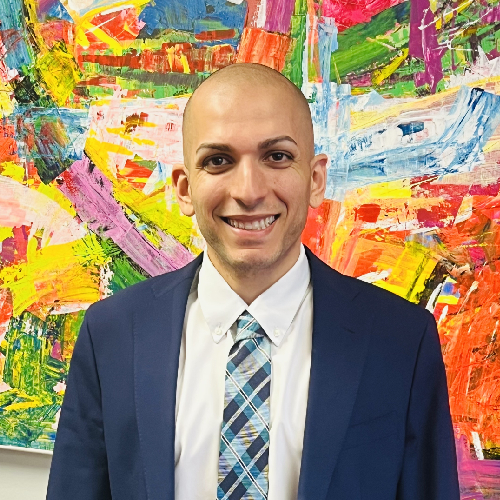
Criminal Trial Division

Of Counsel


Download Our Free Texas Criminal Guide
Learn what you should and shouldn't be doing to help your criminal defense case.
Dallas Gun Crime Lawyers
If you have found yourself on this page, you may be facing a challenging situation that requires the expertise of a skilled attorney. At Deandra Grant Law – Criminal & DWI Defense, our team of experienced Gun Crime Lawyers in Dallas, TX, is here to stand by your side and help you navigate through this difficult time.
Deandra Grant Law – Criminal & DWI Defense Helps Residents across Texas with Criminal Defense Matters – Including: Allen, Austin, Arlington, Belton, Cleburne, Collin County, Dallas, Denton, Fairview, Fort Worth, Frisco, Gainesville, Granbury, Hood County, Johnson County, Lewisville, Little Elm, McKinney, Park Cities, Parker County, Plano, Princeton, Richardson, Rockwall, Rowlett, Royse City, Southlake, Sunnyvale, The Colony, Waco, and Weatherford.
Understanding the Impact: Empathy for Your Concerns
We understand the worries and fears that come with facing Gun Crime charges in Dallas, TX. You may be concerned about your future, your reputation, and even your job if you hold a position that requires a clean record, such as a professional driver. Our team is empathetic to your situation, and we are dedicated to providing you with the support and guidance you need to protect your rights and pursue a positive outcome.
Firearm Laws in Texas
In Texas, anyone over 18 may possess a firearm if they have not been convicted of a felony. Carrying a gun is illegal if you do not have a license. The firearm must be concealed even if you have a permit to carry it. If an officer has stopped you while you are driving, for example, they may discover the firearm and attempt to arrest you for gun possession charges.
Texas Firearms Defense
Our Texas Gun Rights Attorneys offer legal representation for cases involving:
- Unlawful carrying of a firearm or gun
- Possession of a prohibited firearm
- Possession of an unregistered firearm
- Convicted felon in possession of a firearm
- Conceal and carry law violations
- Discharging or brandishing a weapon
- Possession of an illegal firearm
Even though every citizen of the U.S. has the right to gun ownership, law enforcement may still find a reason to charge you with a gun crime in Texas. If you have been arrested, our Dallas criminal defense lawyer understands that this is a stressful and overwhelming time. This is why seeking legal representation is critical if you are accused of violating any firearm or gun laws.
The Consequences of Gun Crime Charges: A Closer Look
Gun Crime charges in Dallas, TX, carry serious consequences that can have a significant impact on your life. Convictions for gun-related offenses can lead to hefty fines, imprisonment, and a permanent mark on your criminal record. Additionally, these charges can have severe implications on your ability to maintain certain professions or possess firearms in the future.
The Importance of Legal Representation: Why Choose Deandra Grant Law – Criminal & DWI Defense
When facing Gun Crime charges, having strong legal representation is crucial to ensuring that your rights are protected and that you have the best chance of a favorable outcome. Our team of Dallas Gun Crime Lawyers at Deandra Grant Law – Criminal & DWI Defense has extensive experience in handling cases involving firearm-related offenses. We are well-versed in the complex laws surrounding gun crimes in Texas and are prepared to mount a vigorous defense on your behalf.
The Impact of Effective Legal Representation
According to data from the Texas Department of Public Safety, there were X number of gun-related crimes reported in Dallas last year. However, it’s important to note that hiring an experienced Gun Crime Lawyer can make a significant difference in the outcome of a case. Data shows that defendants who have legal representation are more likely to achieve favorable outcomes, including reduced charges, dismissed cases, or successful plea negotiations.
Choosing Deandra Grant Law – Criminal & DWI Defense: Your Trusted Dallas Gun Crime Lawyers
Facing Gun Crime charges in Dallas, TX, can be an overwhelming and frightening experience. If you or a loved one find yourself in this challenging situation, it’s crucial to seek the guidance of a team of experienced Gun Crime Lawyers who can effectively defend your rights and advocate for your best interests. At Deandra Grant Law – Criminal & DWI Defense, we are here to help you navigate through the legal complexities and work tirelessly to achieve a positive outcome for your case.
Free Consultations: Access to Expert Legal Advice
We understand the stress and uncertainty that comes with being arrested for a Gun Crime. That’s why we offer free consultations to individuals seeking legal representation. During this initial meeting, our team of Dallas Gun Crime Lawyers will take the time to listen to your side of the story, assess the details of your case, and provide you with expert legal advice tailored to your specific circumstances. Our goal is to give you the information and support you need to make informed decisions about your defense.
The Consequences of Gun Crime Convictions: Understanding the Stakes
Gun Crime convictions can have serious and long-lasting consequences. Depending on the nature of the charges and your criminal history, you may be facing substantial fines, lengthy jail or prison sentences, and the creation of a permanent criminal record. Additionally, having a Gun Crime conviction on your record can impact various aspects of your life, including employment opportunities, housing, and even the right to possess firearms in the future.
Experienced Advocates: Why Choose Deandra Grant Law – Criminal & DWI Defense
Choosing the right legal representation can significantly impact the outcome of your Gun Crime case. At Deandra Grant Law – Criminal & DWI Defense, our team of experienced Dallas Gun Crime Lawyers has a proven track record of successfully defending clients facing firearm-related charges. We are well-versed in Texas gun laws and the intricacies of criminal defense, enabling us to build a strong and strategic defense on your behalf.
Guidance Through Complex Proceedings: Navigating the Legal System
Gun Crime cases involve complex court and administrative proceedings that can be daunting to navigate on your own. Our team at Deandra Grant Law – Criminal & DWI Defense will guide you through every step of the process, ensuring that you understand your rights and options at each stage. We will work tirelessly to build a solid defense strategy, explore potential alternatives to incarceration, and fight for a positive outcome for your case.
Related Blogs

What Evidence is Required to Prosecute an Insurrection Case in Texas?
Facing charges related to insurrection is a deeply serious matter. If you or a loved [...]

Understanding Embezzlement Charges in Texas: Legal Definitions and Consequences
If you or someone you know is facing embezzlement charges in Texas, you may feel [...]

What is ‘Deferred Adjudication’ in Texas Criminal Cases?
If you’re facing criminal charges in Texas, it’s understandable to feel overwhelmed and uncertain about [...]

Understanding Insurrection Charges in Texas What Does the Law Say
If you are facing insurrection charges in Texas, you are likely feeling confused and overwhelmed. [...]

How Texas Defines Criminal Trespassing and Common Defenses
If you are facing criminal charges, we understand how overwhelming and confusing this time can [...]

The Importance of Legal Counsel: Finding the Right Attorney for Your Case
When facing any legal challenge, having the right attorney can make a significant difference. Whether [...]

How Can You Defend Yourself If You Are Charged with Insurrection in Texas?
Facing a charge of insurrection in Texas can be a frightening and overwhelming experience. An [...]

Understanding the Texas Criminal Sentencing Guidelines
When it comes to criminal sentencing in Texas, the legal landscape can seem complex and [...]
Avoid These Mistakes After Being Arrested for a Gun Crime in Dallas, TX
Facing charges for a Gun Crime can be a distressing and confusing experience. If you or someone you know has been arrested for a firearm-related offense in Dallas, TX, it’s essential to handle the situation carefully and avoid certain mistakes that could potentially harm your case. At Deandra Grant Law – Criminal & DWI Defense, we are here to help you understand your rights and provide expert guidance throughout the legal process.
Speaking to Law Enforcement Without Legal Representation: After being arrested, it’s crucial to remember that you have the right to remain silent. Anything you say can and will be used against you in court. It’s in your best interest to exercise your right to remain silent and not provide any statements to law enforcement until you have consulted with an experienced Gun Crime Lawyer. Having legal representation present during questioning can protect your rights and ensure that you don’t inadvertently say something that may be used against you later.
Failing to Seek Legal Advice Promptly: Time is of the essence when facing Gun Crime charges. Failing to seek legal advice promptly can be detrimental to your defense. Waiting too long to contact a skilled Dallas Gun Crime Lawyer may result in missed opportunities to gather crucial evidence or identify potential defenses. At Deandra Grant Law – Criminal & DWI Defense, we offer free consultations, providing you with the opportunity to discuss your case with us and receive expert advice on the right course of action to take.
Attempting to Handle the Case Alone: Gun Crime cases are complex and require an in-depth understanding of Texas gun laws and the criminal justice system. Attempting to handle the case on your own without the guidance of a knowledgeable Gun Crime Lawyer can lead to costly mistakes and unfavorable outcomes. Deandra Grant Law – Criminal & DWI Defense has a team of experienced Dallas Gun Crime Lawyers who are well-versed in the intricacies of firearm-related offenses. We can provide you with the strong legal representation you need to protect your rights and build a solid defense.
Ignoring the Importance of Evidence: Evidence is a critical component of any Gun Crime defense. Failing to preserve and present relevant evidence in your case can significantly impact the outcome. Our team at Deandra Grant Law – Criminal & DWI Defense has the expertise to thoroughly investigate your case, gather evidence, and build a strong defense strategy tailored to your specific circumstances.
Frequently Asked Questions for Those Arrested for a Gun Crime in Dallas, TX
What is considered a Gun Crime in Dallas, TX?
Gun crimes encompass a wide range of offenses related to the possession, use, sale, or carrying of firearms. Some common gun crimes in Dallas, TX, include unlawful possession of a firearm, illegal sale of firearms, possession of a firearm by a felon, carrying a concealed weapon without a permit, and using a firearm during the commission of a crime.
What are the potential consequences of a criminal conviction?
The consequences of a criminal conviction in Dallas, TX, can be severe and vary depending on the type and severity of the crime. They may include fines, probation, community service, jail or prison time, a criminal record, and loss of certain rights. A conviction can also affect your employment, housing, and future opportunities.
Can I get my charges dropped or dismissed?
A skilled Criminal Defense Lawyer will thoroughly investigate the evidence, challenge the prosecution’s case, and explore any potential legal defenses to seek a positive outcome for you.
How long will my case take to resolve?
The duration of a criminal case in Dallas, TX, can vary widely depending on its complexity, court caseload, and other factors. Some cases can be resolved relatively quickly, while others may take several months or even years. Your lawyer can provide a more accurate timeline based on the details of your case.
Can I get a plea deal if I am guilty?
In some situations, a plea deal may be offered to reduce the charges or penalties in exchange for a guilty plea. However, it’s crucial to consult with a skilled Criminal Defense Lawyer before accepting any plea deal to ensure it is in your best interest and that your rights are protected.
Will I have to go to trial?
Not all criminal cases go to trial. Your lawyer will work to negotiate with the prosecution and explore all possible options to achieve a favorable resolution without going to trial. However, if necessary, your lawyer will be prepared to represent you in court and present a strong defense.
How much will hiring a Criminal Defense Lawyer cost?
The cost of legal representation can vary depending on the complexity of your case and the experience of the lawyer. At Deandra Grant Law – Criminal & DWI Defense, we offer free consultations to discuss your case and provide transparency about our fees and payment options.
Can a lawyer help with an arrest warrant or bail?
Yes, a skilled Criminal Defense Lawyer can assist you in addressing arrest warrants and, in some cases, may be able to help you secure bail to be released from custody while your case is pending.
If you have any additional questions or concerns about your criminal charges in Dallas, TX, do not hesitate to reach out to Deandra Grant Law – Criminal & DWI Defense for experienced and compassionate legal guidance. Our team is here to advocate for your rights and work tirelessly to achieve a positive outcome for your case.
Criminal Defense Client Story
This client story is for educational purposes only.
In the bustling city of Dallas, Texas, there lived a young man named Marcus. Marcus was a hardworking individual, always trying to do his best and make his family proud. But one fateful day, everything changed when he found himself facing a serious accusation—a crime he didn’t commit.
Marcus was arrested and taken to jail, feeling scared and alone. He didn’t know what to do or where to turn. The weight of the charges pressed heavily on his shoulders, and he couldn’t see a way out of the dark tunnel he was in.
But in his darkest hour, a ray of hope appeared in the form of a compassionate and skilled lawyer named Douglas Huff from Deandra Grant Law – Criminal & DWI Defense. From the moment they met, Marcus could sense the dedication and empathy in Mr. Huff’s eyes. It was as if he had found a guiding light to lead him through the storm.
With unwavering commitment, Douglas Huff took the time to listen to Marcus’s story, understanding the truth that lay beneath the surface. He investigated every detail, leaving no stone unturned, and assembled a strong defense to prove Marcus’s innocence.
Throughout the legal battle, Douglas was not just a lawyer to Marcus; he became a true ally and a friend. He was there to answer every question, calm every fear, and provide unwavering support. He believed in Marcus, and that belief gave Marcus the strength to face the challenging days ahead.
In the courtroom, Douglas Huff stood tall and fearless, fiercely defending Marcus’s rights. His powerful arguments and sharp legal skills made a lasting impression on the jury. Piece by piece, he dismantled the prosecution’s case until it crumbled, leaving no doubt about Marcus’s innocence.
And then, the moment everyone had been waiting for—the verdict. As the words “not guilty” echoed through the courtroom, tears of relief streamed down Marcus’s face. It was the sweetest victory of all, and it was all thanks to Douglas Huff and Deandra Grant Law – Criminal & DWI Defense.
With the weight lifted off his shoulders, Marcus could finally breathe freely again. He was no longer a lost soul in the darkness; he was a survivor, and he owed it all to the unyielding dedication and experience of Douglas Huff.
Contact Our Experienced Dallas Criminal Defense Lawyers at Deandra Grant Law – Criminal & DWI Defense
If you or a loved one has recently been arrested for a crime in Dallas, TX, we understand the fear and uncertainty you may be facing. But you don’t have to navigate this challenging situation alone. Deandra Grant Law – Criminal & DWI Defense is here to stand by your side and provide the strong legal representation you need.
Our team of experienced Dallas Criminal Defense Lawyers are dedicated to fighting for your rights and working tirelessly to achieve a positive outcome for your case. We offer free consultations, so don’t hesitate to reach out and schedule a meeting with us.
At Deandra Grant Law – Criminal & DWI Defense, we know that every case is unique, and we will take the time to listen to your side of the story, investigate the details thoroughly, and build a robust defense strategy tailored to your specific situation. We believe in justice and will work tirelessly to protect your rights and secure a favorable resolution.
Facing criminal charges can be overwhelming, but you don’t have to face it alone. Let Deandra Grant Law – Criminal & DWI Defense be your trusted ally during this difficult time. Contact us today to schedule your free consultation, and let us fight for your rights, your future, and your freedom. We are here to be your voice, your advocate, and your support system throughout the legal process.
Remember, when you choose Deandra Grant Law – Criminal & DWI Defense, you are choosing a team of compassionate and experienced Criminal Defense Lawyers who will work tirelessly to pursue positive results for your case. Don’t wait—reach out to us now and take the first step towards a brighter future. We are ready to stand by your side and fight for you every step of the way.
Client Reviews

“Deandra Grant Law – Criminal & DWI Defense handled my case with diligence and professionalism. Deandra Grant’s reputation is stellar and now I know why. She has a team of individuals who provide quality service.”
N. Coulter


(214) 225-7117
Experienced DWI Defense