

Do You Need Legal Help?

"Deandra Grant Law fights hard for their clients and is always willing to go above and beyond. They are the best firm for DWI cases in DFW and beyond. Definitely hire them to represent you in any pending cases."
- P. Williams
"Deandra Grant made a tough situation so much better. She listened to my concerns and helped me so much with my case. I would recommend her to anyone needing legal services."
- M. Haley
"Deandra Grant Law handled my case with diligence and professionalism. Deandra Grant's reputation is stellar and now I know why. She has a team of individuals who provide quality service."
- N. Coulter
As Seen On





A Fighting Team On Your Side
Since 1994 when our doors opened, Deandra Grant Law has helped thousands of clients get their DWI charges reduced or dismissed. We're ready to fight on your behalf.

Managing Partner

Partner & Criminal Division Chief

Criminal Division Senior Associate

Criminal Division DWI Trial Chief

Immigration Division Chief & Criminal Division Deputy Chief

Criminal Division Associate

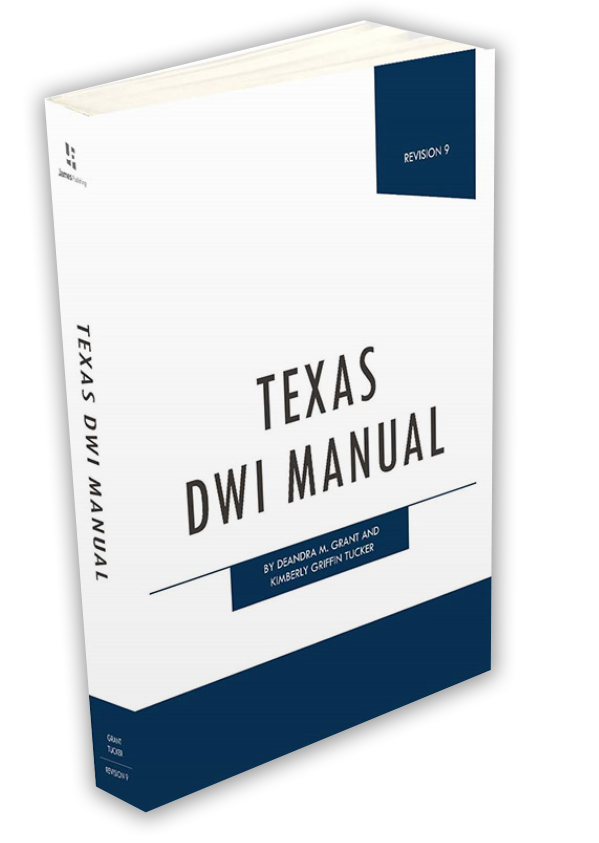
Texas DWI Manual
By Attorney Deandra Grant
Fighting DWI charges can present many challenges, not only for the defense, but prosecutors as well. This is why it is important to be armed with the necessary knowledge so you understand the DWI process.
Attorney Deandra M. Grant is the co-author of the Texas DWI Manual, offering legal advice to both clients and fellow attorneys. Fighting DWI charges can present may challenges, not only for the defense, but prosecutors as well. This is why it is important to be armed with the necessary knowledge so that you understand the DWI criminal process.
Learn MoreWaco DUID Lawyers
Driving Under the Influence of Drugs Defense
If you have found yourself on this page, you may be facing the daunting reality of a driving under the influence of drugs (DUID) charge in Waco, TX. We understand that this is an incredibly distressing time for you, filled with worry and uncertainty about your future. At Deandra Grant Law, we want you to know that we are here for you, and our experienced Waco DUID Lawyers are ready to stand by your side and fight for your rights.
Understanding Driving Under the Influence of Drugs Charges in Waco, TX
A driving under the influence of drugs charge in Waco, TX is a serious legal matter that carries potentially severe consequences. Driving while under the influence of drugs endangers both the driver and others on the road, leading to accidents and injuries. Texas law takes these charges seriously, and offenders can face significant penalties, including fines, driver’s license suspension, mandatory drug education programs, and even jail time.
Drug Possession DWI:
If you’re found to be operating a vehicle while under the influence of a controlled substance, you can face charges for driving under the influence of drugs. These charges can be as severe as alcohol-related DWI charges. Penalties might include fines, license suspension, and potential jail time.
Felony DWI Charges:
In cases where the controlled substance is classified as a dangerous drug or a controlled substance group, you might face felony DWI charges. The severity of the charges can vary based on the type of drug, the amount in your possession, and your criminal history. Felony DWI charges can result in substantial fines and long periods of incarceration.
Enhanced Penalties for Certain Substances
If you’re arrested for driving under the influence of drugs involving certain substances, such as cocaine or methamphetamine, the penalties can be more severe due to the heightened danger associated with these drugs. Additionally, if you’re found with a large quantity of drugs or evidence of intent to distribute, your charges could be further elevated.
Possible Defenses
Defending against DWI drug charges requires a nuanced understanding of both DUI/DWI laws and drug-related regulations. At Deandra Grant Law, we explore various defenses, including challenging the validity of drug tests, questioning the legality of the traffic stop, and ensuring your rights were upheld throughout the process.
Navigating DWI Drug Charges: Your Partner in Defense
Dealing with DWI drug charges can be overwhelming, but you don’t have to face them alone. Our experienced Waco DUID lawyers at Deandra Grant Law is dedicated to providing you with expert guidance, tailored defense strategies, and a comprehensive understanding of your rights.
Why You Need Our Skilled Waco DUID Lawyers
Facing driving under the influence of drugs charges can be overwhelming, but you don’t have to navigate through the legal system alone. Hiring our experienced Waco DUID Lawyers can make all the difference in the outcome of your case. Here’s why you should choose Deandra Grant Law to defend you:
Choose Deandra Grant Law: Your Trusted Defense Against Driving Under the Influence of Drugs Charges in Waco, TX
- Experience You Can Rely On: Facing driving under the influence of drugs charges in Waco, TX can be an overwhelming and frightening experience. The legal process can be complex and confusing, and the stakes are high. That’s why it’s crucial to have an experienced team of Waco DUID Lawyers on your side. At Deandra Grant Law, we have a proven track record of successfully defending clients against driving under the influence of drugs charges. Our team of skilled Waco DUID Lawyers have a deep understanding of Texas DWI laws and the intricacies of drug-related DUI cases, giving you the advantage you need in court.
- Compassion and Understanding: We understand that being arrested for driving under the influence of drugs can be a distressing and emotional ordeal. You may be feeling scared, anxious, and uncertain about your future. At Deandra Grant Law, we are here to support you through this difficult time. Our compassionate Waco DUID Lawyers will listen to your concerns, answer your questions, and provide you with the guidance and reassurance you need during the legal process.
- The Serious Consequences of DUID Convictions: A driving under the influence of drugs conviction in Waco, TX can have life-altering consequences. You may face hefty fines, jail time, a permanent criminal record, and the suspension of your driver’s license. Additionally, a driving under the influence of drugs conviction can negatively impact your personal and professional life, affecting your employment opportunities and social standing. That’s why it’s essential to have skilled legal representation from the outset to protect your rights and pursue a positive outcome for your case.
- We Guide You Through Complicated Proceedings: Navigating through the legal system can be overwhelming, especially when it comes to driving under the influence of drugs cases. There are often complicated court and administrative proceedings to navigate, with scientific evidence and legal technicalities to consider. At Deandra Grant Law, our experienced Waco DUID Lawyers will guide you every step of the way. We will thoroughly investigate the details of your arrest, review police reports and drug tests, and build a strong defense tailored to your unique circumstances.
- Determining Your Best Chances for Success: Each driving under the influence of drugs case is unique, and the success of your defense will depend on a variety of factors. At Deandra Grant Law, we are committed to helping you determine your best chances for a successful outcome. Our skilled Waco DUID Lawyers will assess the strengths and weaknesses of the prosecution’s case and explore all potential defenses to craft a robust strategy that gives you the best opportunity to achieve a favorable result.
- Free Consultation: Your First Step Towards Defense: The first step in protecting your future is to seek legal advice. Deandra Grant Law offers free consultations for individuals facing driving under the influence of drugs charges in Waco, TX. During this consultation, you can discuss the details of your case with our experienced Waco DUID Lawyers without any financial obligation. We will provide you with honest and informed advice, empowering you to make confident decisions about your defense.
Related Blogs

Understanding DWI Laws for CDL Holders in Texas
Driving while intoxicated (DWI) is a serious offense with severe repercussions for anyone found guilty. [...]

Understanding DWI Charges in Texas
Driving while intoxicated (DWI) is a serious offense in Texas, carrying severe penalties that can [...]

What to Do If You’re Pulled Over for a Suspected DWI in Texas
Driving in Texas can be a liberating experience, with its sprawling highways and scenic routes. [...]

Navigating First-Time DWI Offenses in Texas
Facing a first-time DWI charge in Texas can be overwhelming and daunting. The legal system’s [...]

Navigating Field Sobriety Tests in Texas DWI Cases
Driving while intoxicated (DWI) charges in Texas are serious legal matters that can have significant [...]

DWI Probation Rules in Texas
Driving while intoxicated (DWI) is a serious offense in Texas, carrying significant consequences. However, for [...]

Understanding DWI in Texas: What You Need to Know
Driving while intoxicated (DWI) is a serious offense that can have significant legal consequences in [...]

Understanding DWI vs. DUI in Texas: Navigating Legal Waters
Are you facing the daunting reality of DWI or DUI charges in Texas? Understanding the [...]
Avoiding Costly Mistakes After a Driving Under the Influence of Drugs Arrest in Waco, TX
If you’ve been arrested for driving under the influence of drugs in Waco, TX, it’s normal to feel scared and unsure about what to do next. The actions you take in the aftermath of your arrest can significantly impact the outcome of your case. To give yourself the best chance at a favorable result, it’s crucial to avoid making common mistakes that could jeopardize your defense. At Deandra Grant Law, we are here to help you navigate through this challenging time and provide you with the guidance you need to protect your rights and pursue a successful defense.
Waiting Too Long to Seek Legal Representation
One of the most significant mistakes you can make after a driving under the influence of drugs arrest is waiting too long to seek legal representation. The legal process can be time-sensitive, and delaying action could result in the loss of crucial evidence and weaken your defense. It’s essential to consult with our experienced Waco DUID Lawyers as soon as possible after your arrest. At Deandra Grant Law, we offer free consultations to help you understand your rights and the right course of action moving forward.
Talking to the Police Without Legal Counsel
It’s natural to want to cooperate with law enforcement during an arrest, but it’s essential to remember that anything you say to the police can be used against you in court. Talking to the police without legal counsel present can lead to unintentional self-incrimination and weaken your defense. To protect your rights and ensure that you don’t say anything that could harm your case, exercise your right to remain silent until you have spoken with our experienced Waco DUID Lawyers from Deandra Grant Law.
Failing to Preserve Evidence
Preserving evidence is crucial in building a strong defense against driving under the influence of drugs charges. Unfortunately, valuable evidence can be lost or destroyed if not promptly secured. It’s essential to take photographs, gather contact information from witnesses, and preserve any documentation related to your case. Our experienced Waco DUID Lawyers from Deandra Grant Law can help you identify and preserve critical evidence that could be pivotal in your defense.
Representing Yourself in Court
Attempting to represent yourself in court without the expertise of a seasoned Waco DUID Lawyer is a significant mistake. Driving under the influence of drugs cases involve complex legal and scientific issues that require specialized knowledge to navigate effectively. Without legal representation, you may miss critical opportunities to challenge evidence or present a strong defense. At Deandra Grant Law, our experienced attorneys have a deep understanding of driving under the influence of drugs cases and will fight tirelessly on your behalf to achieve a positive outcome.
Not Seeking Legal Advice
Facing driving under the influence of drugs charges is a serious matter that requires expert legal advice. Failing to seek legal counsel from our experienced Waco DUID Lawyers could lead to uninformed decisions that negatively impact your case. Deandra Grant Law offers free consultations, during which you can discuss the details of your arrest and receive informed advice about your defense strategy.
Frequently Asked Questions About Driving Under the Influence of Drugs in Waco, TX
If you’ve recently been arrested for driving under the influence of drugs in Waco, TX, you likely have many questions about the legal process, potential consequences, and how to defend yourself. At Deandra Grant Law, we understand the uncertainty and worry you may be experiencing, and we are here to provide you with the answers and guidance you need during this difficult time. Below are some frequently asked questions about driving under the influence of drugs in Waco, along with informative answers to help you better understand your situation.
What is considered driving under the influence of drugs in Waco, TX?
In Waco, TX, a person can be charged with driving under the influence of drugs if they are found to be operating a motor vehicle while under the influence of any controlled substance, such as illegal drugs or prescription medications that impair their ability to drive safely.
What are the potential consequences of a driving under the influence of drugs conviction in Waco?
A driving under the influence of drugs conviction in Waco, TX can have severe consequences, including fines, probation, mandatory drug education programs, suspension of your driver’s license, and even jail time, especially if it’s not your first offense.
Can I refuse a drug test during a driving under the influence of drugs arrest?
In Texas, implied consent laws apply, meaning that by driving on the roads, you are considered to have given consent to be tested for drugs if law enforcement suspects you of driving under the influence of drugs. Refusing a drug test can result in an automatic driver’s license suspension.
Do I need a lawyer for my driving under the influence of drugs case in Waco, TX?
Yes, it is highly recommended to seek legal representation for your driving under the influence of drugs case in Waco. A skilled DUID lawyer from Deandra Grant Law can help you navigate the legal process, protect your rights, and build a robust defense to pursue a positive outcome for your case.
Can I fight a driving under the influence of drugs charge?
Yes, you can fight a driving under the influence of drugs charge with the help of an experienced Waco DUID Lawyer. Your lawyer will examine the evidence, challenge the validity of drug tests, review police procedures, and explore potential defenses to give you the best chance of achieving a favorable result.
Will a driving under the influence of drugs conviction stay on my record permanently?
A driving under the influence of drugs conviction can leave a permanent mark on your criminal record, which may impact your future employment opportunities and personal life. Seeking skilled legal representation from Deandra Grant Law can help you pursue options for minimizing the long-term consequences of a conviction.
How can Deandra Grant Law help me with my driving under the influence of drugs case?
Deandra Grant Law has a team of experienced Waco DUID Lawyers who are dedicated to guiding you through the legal process and providing you with a strong defense. We will advocate for your rights, challenge evidence, and explore every available avenue to help you achieve a positive outcome for your case.
Is there a statute of limitations for driving under the influence of drugs charges in Waco, TX?
The statute of limitations for driving under the influence of drugs charges in Waco is generally two years. However, it’s essential to consult with a Waco DUID Lawyer from Deandra Grant Law to understand how specific circumstances may affect the statute of limitations in your case.
DUID Defense Client Story
This client story is for educational purposes only.
In the heart of Waco, Texas, Meryl found herself entangled in a nightmare she never saw coming. It was a dark evening, and the road ahead seemed foggy, both literally and metaphorically. Meryl had made a regrettable decision – getting behind the wheel after taking prescribed medication for her chronic pain. She had no idea that this moment would change her life forever.
The flashing lights in the rearview mirror pierced through the darkness, sending shivers down Meryl’s spine. Her heart raced, and panic washed over her like an ocean wave. The realization that she might be arrested for driving under the influence of drugs hit her like a ton of bricks. Meryl knew she needed help, someone who could guide her through this daunting journey and bring hope back into her life.
In her search for an attorney, Meryl came across Deandra Grant Law, a name that resonated with hope and expertise. Douglas Huff, one of the skilled Waco DUID Lawyers, took on her case. From the very first meeting, Meryl felt a glimmer of hope. Douglas listened to her story with empathy, understanding the fear and anxiety she was experiencing.
As the legal process unfolded, Douglas Huff became Meryl’s guiding light. He meticulously investigated every aspect of her case, leaving no stone unturned. With dedication and a passion for justice, he challenged the prosecution’s evidence, including the reliability of the drug tests and the procedures followed during her arrest.
Throughout the journey, Meryl felt the weight of her mistakes being lifted from her shoulders, replaced by the assurance that she was in capable hands. Douglas provided her with not only legal representation but also emotional support. He constantly reminded Meryl that she was more than her mistakes and that everyone deserves a second chance.
As the trial approached, Meryl’s anxiety resurfaced. But Douglas stood steadfast beside her, calming her nerves and preparing her for what lay ahead. In the courtroom, his expertise shone brightly as he skillfully presented her defense, advocating for her rights with unwavering determination.
The moment of truth arrived when the jury returned with their verdict. To Meryl’s relief and joy, the words “Not Guilty” echoed through the courtroom. Douglas Huff had achieved the impossible – he had secured her freedom and given her a chance to rebuild her life.
Contact Our Experienced Waco DUID Lawyers at Deandra Grant Law
Facing driving under the influence of drugs charges is overwhelming, but you don’t have to go through it alone. Contact our Waco DUID lawyers at Deandra Grant Law today to schedule your free consultation and take the first step towards a strong defense. Let our expertise and dedication be your shield as we fight for your future and work towards a brighter tomorrow. Your freedom is worth fighting for, and we are here to stand by your side throughout the legal process.
Client Reviews

“Deandra Grant Law handled my case with diligence and professionalism. Deandra Grant’s reputation is stellar and now I know why. She has a team of individuals who provide quality service.”