


Do You Need Legal Help?

"Deandra Grant Law fights hard for their clients and is always willing to go above and beyond. They are the best firm for DWI cases in DFW and beyond. Definitely hire them to represent you in any pending cases."
- P. Williams
"Deandra Grant made a tough situation so much better. She listened to my concerns and helped me so much with my case. I would recommend her to anyone needing legal services."
- M. Haley
"Deandra Grant Law handled my case with diligence and professionalism. Deandra Grant's reputation is stellar and now I know why. She has a team of individuals who provide quality service."
- N. Coulter
As Seen On





A Fighting Team On Your Side
Since 1994 when our doors opened, Deandra Grant Law has helped thousands of clients get their DWI charges reduced or dismissed. We're ready to fight on your behalf.

Managing Partner

Partner & Criminal Division Chief

Criminal Division Senior Associate

Criminal Division DWI Trial Chief

Immigration Division Chief & Criminal Division Deputy Chief

Criminal Division Associate

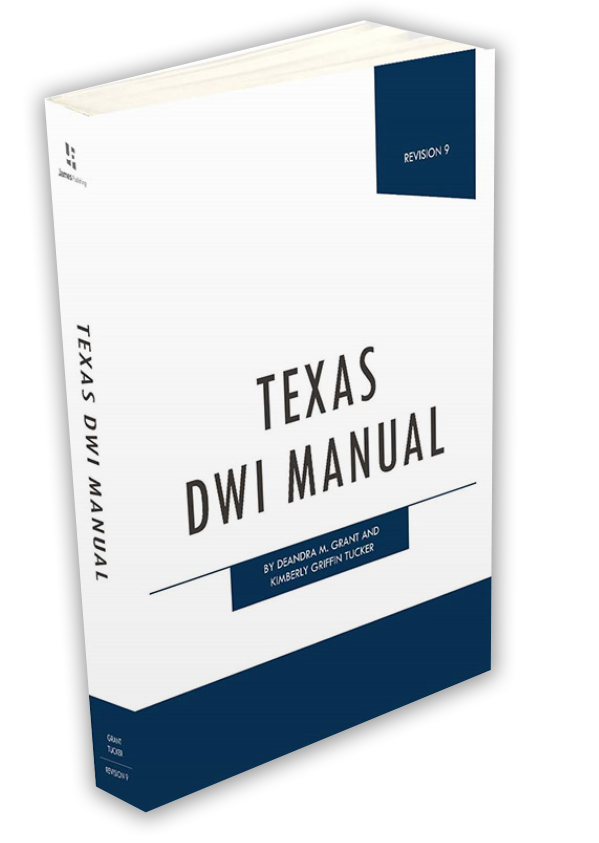
Texas DWI Manual
By Attorney Deandra Grant
Fighting DWI charges can present many challenges, not only for the defense, but prosecutors as well. This is why it is important to be armed with the necessary knowledge so you understand the DWI process.
Attorney Deandra M. Grant is the co-author of the Texas DWI Manual, offering legal advice to both clients and fellow attorneys. Fighting DWI charges can present may challenges, not only for the defense, but prosecutors as well. This is why it is important to be armed with the necessary knowledge so that you understand the DWI criminal process.
Learn MoreWaco Underage DWI Lawyers
Defending Your Future: Underage DWI Defense in Waco, TX
Welcome to Deandra Grant Law, where we understand that facing an Underage DWI charge in Waco, TX, can be an overwhelming and frightening experience. If you find yourself on this page, you may be seeking the support of experienced Waco Underage DWI Lawyers who can guide you through this challenging time. We want you to know that our firm is here to help, and we empathize with your worries about the potential consequences you may face.
The Seriousness of Underage DWI Charges in Waco, TX
As an experienced Underage DWI Lawyer in Waco, TX, I know that the law takes underage drinking and driving offenses very seriously. Despite being under the legal drinking age, being charged with DWI can have severe consequences that may impact your future in significant ways.
The Charges You May Face
If you are arrested for Underage DWI in Waco, TX, the potential charges you may face include:
Driving Under the Influence (DUI): In Texas, the legal blood alcohol concentration (BAC) limit for individuals under 21 is 0.02%. If your BAC is found to be above this limit while driving, you can be charged with DUI.
DWI by Minor with Any Detectable Amount of Alcohol: Even if your BAC is below 0.02%, you can still be charged with DWI by Minor with Any Detectable Amount of Alcohol if the authorities believe that alcohol impaired your driving abilities.
Texas Underage DWI Laws
In Texas, it is illegal for anyone under the age of 21 to operate a motor vehicle with any detectable amount of alcohol in their system. This zero-tolerance policy means that even a small amount of alcohol can lead to a DWI charge for an underage driver.
The legal blood alcohol concentration (BAC) limit for drivers aged 21 and over in Texas is 0.08%. However, for underage drivers, any amount of alcohol in their system is considered a violation. If an underage driver is found to have a BAC of 0.02% or higher, they can face DWI charges.
Penalties for underage DWI in Texas can vary depending on the circumstances, but they generally include fines, suspension of driving privileges, mandatory participation in alcohol education programs, community service, probation, and even potential jail time.
Related Videos
Certified in the science and testing of DWI enforcement
Appealing a DWI or BWI
Biggest Mistakes of a DWI Charge
Lawyer Scientist Certification
Boating while intoxicated with a child
DWI with a child in the car
Can I travel out of country with a DWI?
Going to Canada with a DWI
Choosing a DWI attorney
Choosing quality over cost with a DWI attorney
Cost of a DWI attorney
Cost of a BWI attorney
DWI on your criminal record
DWI probable cause
DWI while operating a boat
DWI with prior convictions
Emotional state of a DWI client
How long does a DWI conviction stay on my record?
How long will a DWI case take?
Operating a boat during pending DWI charges
Out-of-state DWI Arrest
Police didn’t have probable cause
Relieving stress of a DWI client
Prescription Drug DWI
Texas DWI Manual
Underage DWI Penalties
Charged with a DWI while sitting in your car
First time DWI charge
Second DWI charges
Third DWI charges
Being sent to jail for a first time DWI
Being sent to jail for multiple DWIs
Can I defend myself against a DWI charge?
Can I refuse a breathalyzer test?
Can refusing a breath or blood test help my case?
College age child arrested for DWI
Court process for a DWI charge
DWI license suspension
Driving during your license suspension
Legal alcohol limit
DWI with injury penalties
DWI written case evaluations
Expunging a DWI charge
Ignition Interlock Device
Losing your job from a DWI
Losing your license from a DWI
Penalties from a DWI conviction
Plea bargaining a DWI charge
Will pleading guilty reduce a DWI charge?
Refusing to answer police questions during a DUI arrest
Refusing field sobriety tests
Why you should choose a DWI attorney with lawyer scientist certification
Consequences of Underage DWI Convictions
Being convicted of Underage DWI can lead to serious penalties, including:
- Driver’s License Suspension: Your driver’s license could be suspended, making it challenging to commute to school or work and maintain your responsibilities.
- Fines and Fees: You may be subjected to substantial fines, which can be financially burdensome.
- Probation: The court may impose probation, which can restrict your freedom and require regular check-ins with a probation officer.
- Education Programs: You may be required to attend alcohol education programs, further affecting your schedule and expenses.
Why You Need a Skilled Waco Underage DWI Lawyer
Facing an Underage DWI charge can be a life-altering experience, but you don’t have to navigate it alone. Hiring one of our experienced Waco Underage DWI Lawyers can make a significant difference in your case. Here’s why:
-
Expertise in Underage DWI Defense
Our attorneys have a deep understanding of the laws and procedures related to Underage DWI cases in Waco, TX. We will leverage this expertise to build a strong defense strategy tailored to your unique situation.
-
Protecting Your Future
A conviction for Underage DWI can have long-term consequences on your education, employment, and overall future. Our goal is to protect your interests and minimize the impact of the charges on your life.
-
Investigation and Evidence
Our team will conduct a thorough investigation into the circumstances surrounding your arrest. We will analyze the evidence and challenge any weak or unreliable aspects of the prosecution’s case.
-
Knowledge of Alternative Programs
In some cases, alternative programs such as diversion or deferred adjudication may be available to first-time offenders. We will explore all available options to pursue a positive outcome for your case.
Choosing Experienced Waco Underage DWI Lawyers: Your Future Depends on It
If you or a loved one has been arrested for Underage DWI in Waco, TX, the consequences can be severe and life-altering. As experienced Underage DWI Lawyers in Waco, TX, we understand the worries and anxieties that come with such charges. This is a critical moment in your life, and the decisions you make now can have a lasting impact on your future.
Related Blogs

Understanding DWI Laws for CDL Holders in Texas
Driving while intoxicated (DWI) is a serious offense with severe repercussions for anyone found guilty. [...]

Understanding DWI Charges in Texas
Driving while intoxicated (DWI) is a serious offense in Texas, carrying severe penalties that can [...]

What to Do If You’re Pulled Over for a Suspected DWI in Texas
Driving in Texas can be a liberating experience, with its sprawling highways and scenic routes. [...]

Navigating First-Time DWI Offenses in Texas
Facing a first-time DWI charge in Texas can be overwhelming and daunting. The legal system’s [...]

Navigating Field Sobriety Tests in Texas DWI Cases
Driving while intoxicated (DWI) charges in Texas are serious legal matters that can have significant [...]

DWI Probation Rules in Texas
Driving while intoxicated (DWI) is a serious offense in Texas, carrying significant consequences. However, for [...]

Understanding DWI in Texas: What You Need to Know
Driving while intoxicated (DWI) is a serious offense that can have significant legal consequences in [...]

Understanding DWI vs. DUI in Texas: Navigating Legal Waters
Are you facing the daunting reality of DWI or DUI charges in Texas? Understanding the [...]
The Seriousness of Underage DWI Convictions
Underage DWI convictions can result in harsh penalties that can affect various aspects of your life, including:
- Fines: You may be subjected to substantial fines, which can cause financial strain and difficulties.
- Jail Time: Depending on the circumstances of the case, you could face incarceration, disrupting your education, job, and personal life.
- Criminal Record: A conviction for Underage DWI can lead to a criminal record, affecting future employment opportunities and academic pursuits.
- Driver’s License Suspension: Your driver’s license may be suspended, making it challenging to commute to school or work and maintain your responsibilities.
Avoiding Mistakes after an Underage DWI Arrest in Waco, TX
Facing an Underage DWI charge in Waco, TX, can be a frightening and overwhelming experience, especially if it’s your first encounter with the legal system. To ensure a positive outcome for your case, it’s crucial to avoid common mistakes that could have serious consequences. As experienced Waco Underage DWI Lawyers, we want to guide you on the right path and help you make informed decisions during this challenging time.
Mistake #1: Not Seeking Legal Representation
One of the most significant mistakes you can make after an Underage DWI arrest is not seeking legal representation immediately. Attempting to handle the legal complexities on your own can lead to unfavorable outcomes. Hiring an experienced Waco Underage DWI Lawyer is essential to protect your rights and build a strong defense strategy tailored to your case.
Mistake #2: Admitting Guilt Without Legal Counsel
After an Underage DWI arrest, you may feel pressured to admit guilt or provide information without the presence of an attorney. It’s crucial to remember that anything you say can be used against you in court. Speaking with law enforcement without legal counsel can inadvertently harm your defense.
Mistake #3: Failing to Preserve Evidence
In Underage DWI cases, evidence plays a crucial role in building a strong defense. Failing to preserve essential evidence related to the incident can weaken your case significantly.
Mistake #4: Missing Court Deadlines and Administrative Hearings
The legal process following an Underage DWI arrest involves multiple court dates and administrative hearings. Missing any of these deadlines can lead to additional penalties and complications.
Mistake #5: Delaying Legal Action
Time is of the essence in Underage DWI cases. Delaying legal action can hamper your defense and limit your options for a successful outcome.
Frequently Asked Questions about Underage DWI in Waco, TX
What is Underage DWI, and what are the consequences?
Underage DWI refers to driving while under the influence of alcohol or drugs when you are under the legal drinking age (21). In Texas, the legal blood alcohol concentration (BAC) limit for individuals under 21 is 0.02%. If you are found driving with a BAC above this limit, you can be charged with Underage DWI. Consequences of a conviction may include fines, jail time, driver’s license suspension, and a criminal record.
Will I lose my driver's license if I'm charged with Underage DWI?
If you are convicted of Underage DWI in Waco, TX, your driver’s license may be subject to suspension. The length of the suspension period will depend on the specific circumstances of your case and whether it is your first offense.
Can I get my Underage DWI charges reduced or dismissed?
While every case is unique, it is possible to have Underage DWI charges reduced or dismissed with the help of an experienced attorney. A skilled lawyer will thoroughly assess the evidence and circumstances surrounding your case to identify potential weaknesses in the prosecution’s argument and explore negotiation opportunities.
What should I do if I've been arrested for Underage DWI in Waco, TX?
If you’ve been arrested for Underage DWI, it’s essential to remain calm and cooperate with law enforcement. Avoid making any statements without the presence of an attorney. Contact a Waco Underage DWI Lawyer as soon as possible to protect your rights and seek legal guidance.
Should I hire a lawyer for my Underage DWI case, and why is it important?
Absolutely. Hiring an experienced Waco Underage DWI Lawyer is crucial to ensure that your rights are protected and to build a strong defense strategy tailored to your case. A skilled lawyer can navigate the complexities of the legal system, investigate the circumstances of the incident, and advocate on your behalf to pursue a positive outcome.
Can I get my criminal record expunged after an Underage DWI conviction?
In some cases, it may be possible to have your criminal record expunged or sealed after an Underage DWI conviction. Expungement means that your criminal record is effectively erased, and you can legally deny the existence of the arrest or conviction in most circumstances. However, eligibility for expungement varies, and consulting with an attorney is essential to determine if you qualify.
How can Deandra Grant Law help me with my Underage DWI case?
At Deandra Grant Law, our team of experienced Waco Underage DWI Lawyers is dedicated to providing you with expert guidance and support throughout the legal process. We will thoroughly examine the details of your case, gather essential evidence, and build a robust defense tailored to your unique situation. Our goal is to protect your rights and pursue a positive outcome for your future.
Is it worth fighting an Underage DWI charge in Waco, TX, or should I just plead guilty?
Every case is different, and it’s essential to consult with an experienced Underage DWI lawyer to understand your options. Pleading guilty without exploring your defense possibilities may result in severe consequences. Our skilled attorneys will assess the specifics of your case and advise you on the right course of action based on the circumstances.
Underage DWI Defense Client Story
This client story is for educational purposes only.
In the heart of Waco, Texas, a young woman named Jackie found herself in a world of darkness after being arrested for Underage DWI at the tender age of 19. The weight of the charges pressed against her felt like an insurmountable burden, and she couldn’t see a glimmer of hope in her future. Little did she know that her life was about to take an unexpected turn, thanks to the guiding light of Douglas Huff, an experienced lawyer from Deandra Grant Law.
Caught in the Storm
As the rain poured down on that fateful night, Jackie made a decision that would change her life forever. She got behind the wheel after a few drinks, thinking she was fine to drive. But fate had other plans, and before she knew it, flashing lights appeared in her rearview mirror. The realization of her mistake hit her like a tidal wave.
Arrested for Underage DWI, Jackie’s dreams of a bright future seemed to vanish before her eyes. She felt lost, ashamed, and afraid of the consequences that awaited her. But in the darkest of moments, a glimmer of hope emerged in the form of Douglas Huff.
A Guiding Light in the Darkness
From the moment they met, Douglas exuded a calm and reassuring presence that immediately put Jackie at ease. Instead of judgment, she found compassion and understanding. Douglas listened attentively as she tearfully recounted the events that led to her arrest, and he promised to fight for her with unwavering dedication.
With Douglas by her side, Jackie embarked on a journey of redemption and transformation. He meticulously examined every detail of her case, leaving no stone unturned in his pursuit of justice. He believed in her innocence, and that belief ignited a spark of hope within Jackie’s heart.
The Trial: A Test of Strength
As the trial approached, anxiety threatened to consume Jackie once again. But with Douglas in her corner, she found the strength to face the courtroom with courage. His guidance and expertise were like a beacon in the storm, leading her through the complicated legal proceedings.
Throughout the trial, Douglas fought fiercely for Jackie’s rights. He presented compelling evidence and skillfully challenged the prosecution’s arguments. He was not just a lawyer; he was a guide, a friend, and an unwavering advocate.
The Verdict: Not Guilty
In a moment that felt like an eternity, the verdict was delivered – “Not Guilty.” Tears of relief streamed down Jackie’s cheeks as she realized that she had been given a second chance at life. Douglas had succeeded in proving her innocence, and a weight she had carried for so long was finally lifted from her shoulders.
Contact Our Experienced Waco Underage DWI Lawyers at Deandra Grant Law!
If you or someone you know has been arrested for Underage DWI in Waco, TX, the road ahead may seem uncertain and daunting. But you don’t have to face this challenging time alone. Deandra Grant Law and our team of experienced Waco Underage DWI Lawyers are here to be your trusted allies and advocates.
Don’t wait to seek the legal support and representation you need after an Underage DWI arrest in Waco, TX. Contact Deandra Grant Law today for a free consultation, and let us be your allies in pursuing a positive outcome for your case. Your future matters, and we are here to fight for it. Reach out now and take the first step toward building a strong defense and a brighter tomorrow.
Client Reviews

“Deandra Grant Law handled my case with diligence and professionalism. Deandra Grant’s reputation is stellar and now I know why. She has a team of individuals who provide quality service.”