
If you are arrested for a DWI (driving while intoxicated) in Texas, one of the first and most important legal proceedings you will face is the ALR hearing. The ALR, or Administrative License Revocation hearing, is a critical part of the DWI process that determines whether your driver’s license will be suspended. This page will guide you through what to expect at your ALR hearing, how the process works, and the potential outcomes. If you have been arrested for DWI in Texas, it’s important to understand the significance of this hearing and how a qualified attorney can help you navigate the complexities of the legal system.
Firm Accolades D Magazine






















What is an ALR Hearing in Texas? 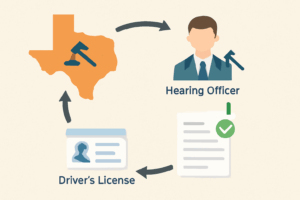
An ALR hearing is a civil proceeding that takes place after a DWI arrest. The Texas Department of Public Safety (DPS) schedules the hearing, and its main purpose is to determine whether your driver’s license should be suspended due to your DWI arrest. The suspension is typically based on two main factors: whether you refused to take a breath or blood test, and whether the officer had reasonable grounds to believe you were driving under the influence of alcohol or drugs.
When you are arrested for a DWI in Texas, the arresting officer will likely ask you to submit to a breath or blood test. If you refuse to take the test or if you fail the test by having a BAC (blood alcohol concentration) over 0.08%, the officer will inform you of the consequences, which may include an automatic suspension of your driver’s license. This is where the ALR hearing comes into play.
When is the ALR Hearing Scheduled?
After your DWI arrest, the arresting officer will take your driver’s license and issue a temporary permit, which is typically valid for 40 days. This gives you a window of time in which you can request your ALR hearing. You must request the hearing within 15 days of your arrest, or you risk having your license suspended automatically. It is essential to act quickly and consult with an experienced attorney to ensure that your hearing is scheduled and that you are properly represented.
Managing Partner Partner & Criminal Division Chief Criminal Trial Division Criminal Trial Division Associate Attorney Of Counsel





The ALR Hearing Process
Once the hearing is scheduled, you will need to attend in person. The ALR hearing is different from a criminal trial, and the rules of evidence and procedure are more relaxed. However, the hearing is still an important legal proceeding, and it is advisable to have legal representation. Here’s what you can expect during the hearing process:
The Hearing Officer
The hearing will be overseen by an ALR hearing officer. The officer’s job is to review the evidence presented by both sides and make a decision on whether your license should be suspended. It’s important to note that the hearing officer is not a judge and does not have the authority to impose criminal penalties. Their role is strictly administrative.
The Evidence and Testimonies
During the hearing, both the DPS and your attorney will present evidence. The DPS will typically submit the officer’s report, evidence of your BAC (if applicable), and any other relevant documents such as the results of field sobriety tests or dashcam footage.
Your attorney will have the opportunity to cross-examine the officer and any witnesses, challenge the evidence, and present any exculpatory evidence that could help in your defense. This may include questioning the validity of the breathalyzer test or demonstrating that the officer did not have probable cause to arrest you.
"Deandra Grant Law – Criminal & DWI Defense handled my case with diligence and professionalism. Deandra Grant's reputation is stellar and now I know why. She has a team of individuals who provide quality service." "Deandra Grant Law – Criminal & DWI Defense fights hard for their clients and is always willing to go above and beyond. They are the best firm for DWI cases in DFW and beyond. Definitely hire them to represent you in any pending cases." "Deandra Grant made a tough situation so much better. She listened to my concerns and helped me so much with my case. I would recommend her to anyone needing legal services."
- N. Coulter
- P. Williams
- M. Haley
The Role of Your Attorney
Having an experienced attorney present at your ALR hearing is crucial. They can challenge the validity of the DWI arrest, contest the accuracy of the breath or blood test, and argue that your license should not be suspended. The attorney can also negotiate on your behalf for a possible reduction in the length of the suspension or seek alternative penalties, such as the installation of an ignition interlock device.
Potential Outcomes of the ALR Hearing
The outcome of the ALR hearing can vary based on the evidence presented and the strength of your defense. There are a few possible outcomes:
- License Suspension: If the hearing officer finds that the arrest was justified and you either refused to take the test or failed the test, your license may be suspended. The length of the suspension can vary, but for a first offense, it could be 90 days to one year.
- License Reinstatement: If the hearing officer finds that the evidence is insufficient to prove the suspension is warranted, your license may be reinstated. This is the desired outcome, but it is not always guaranteed.
- Conditional License: In some cases, the hearing officer may allow you to keep your license with conditions, such as the installation of an ignition interlock device, which requires you to pass a breath test before starting your car.
What Happens After the Hearing?
Once the hearing officer renders a decision, you will be notified of the outcome. If your license is suspended, you will receive a notice of suspension and be informed of your right to appeal the decision. If your license is reinstated, you will be able to continue driving without any further action required.
If you disagree with the outcome of the ALR hearing, you may be able to file an appeal in a district court. The appeal must be filed within 30 days of the hearing officer’s decision, and it will be heard by a judge rather than a hearing officer. An experienced attorney can help guide you through this process as well.
Biggest Mistakes of a DWI Charge Choosing a Personal Injury AttorneyRelated Videos
How Deandra Grant Law Can Help
Facing a DWI arrest and the ALR hearing process can be overwhelming, but with the right legal representation, you can protect your rights and work to minimize the consequences. Deandra Grant Law is experienced in handling DWI cases and ALR hearings in Texas. Our team of skilled attorneys will advocate for you at every step of the process, from challenging the evidence to negotiating for the best possible outcome.
If you have been arrested for DWI in Texas and are facing an ALR hearing, don’t navigate the process alone. Contact Deandra Grant Law today for a free consultation. We will help you understand your options and fight for your right to keep your driver’s license.
Case Results
The ALR hearing after a DWI arrest is a crucial part of the legal process in Texas. While it may seem intimidating, understanding what to expect can help you prepare for the best possible outcome. Whether your goal is to avoid a license suspension or reduce the length of your suspension, having an experienced attorney by your side can make a significant difference. If you are facing an ALR hearing after a DWI arrest, reach out to Deandra Grant Law for knowledgeable and dedicated representation.