

Overview
A probation violation hearing is one of the most misunderstood proceedings in the Texas criminal justice system. Most defendants assume that because they are not charged with a new crime, the procedural protections that apply in a criminal trial also apply at a revocation hearing. They do not. The state does not have to prove a probation violation beyond a reasonable doubt. The standard is preponderance of the evidence (more likely than not). There is no right to a jury. The judge decides. And the consequence of a finding of violation can be incarceration for the full original sentence, which may be years that were suspended when probation was granted.
Understanding the procedural differences between a probation revocation hearing and a criminal trial is the starting point for building an effective defense. Deandra Grant Law has defended probation violation proceedings across North and Central Texas for more than 30 years.
How Texas Probation Works: Community Supervision
In Texas, probation is formally called community supervision. It is governed by . Community supervision can be granted by a judge following a conviction (straight probation) or as a condition of deferred adjudication which is where the judge withholds a finding of guilt while the defendant completes supervision.
The distinction between straight probation and deferred adjudication matters significantly at a revocation hearing. A defendant on straight probation who is revoked has already been convicted. The judge imposes the sentence that was suspended. A defendant on deferred adjudication who is revoked has their case adjudicated and the judge enters a finding of guilt and then assesses punishment. For deferred adjudication on certain offenses, the judge has access to the full punishment range, not just the suspended sentence that would apply on straight probation.
What Constitutes a Probation Violation
A probation violation is any alleged failure to comply with the conditions of community supervision set by the court. Common violations include:
- Failure to report. Missing a scheduled meeting with the probation officer. One of the most common technical violations and often the result of transportation, employment, or communication difficulties rather than deliberate non-compliance.
- Positive drug or alcohol test. Testing positive for a prohibited substance. The reliability of the testing methodology, the chain of custody for the specimen, and whether the positive result can be explained by a prescribed medication are all subject to challenge.
- Failure to pay fines, court costs, or restitution. Under , 461 U.S. 660 (1983), a court cannot revoke probation for failure to pay if the defendant made bona fide efforts to pay and the failure was due to circumstances beyond their control. Inability to pay is a defense to revocation for non-payment.
- Commission of a new offense. An arrest for a new criminal offense can trigger a revocation motion even before the new charge is resolved. An arrest is not a conviction. The state still must establish the violation at the revocation hearing, and the outcome of the new charge affects the revocation proceedings.
- Failure to complete required programs. Missing counseling sessions, failing to complete community service hours, or not completing an anger management or substance abuse program.
- Violation of travel restrictions. Leaving the county or state without authorization from the probation officer or the court.
- Contact with prohibited persons. In family violence, sex offense, or other cases with no-contact conditions, any contact with the prohibited person can constitute a violation regardless of who initiated contact.
The Revocation Hearing: Procedure and Burden of Proof
A motion to revoke community supervision is filed by the state and served on the defendant. The defendant is entitled to a hearing before the judge who imposed the supervision, or another judge if that judge is unavailable. The defendant has the right to be represented by counsel and the right to confront and cross-examine witnesses.
The burden of proof is preponderance of the evidence. The state must show it is more likely than not that the violation occurred. This is materially lower than the beyond a reasonable doubt standard that applies in a criminal trial. Evidence that would be insufficient to support a conviction may be sufficient to support a revocation.
The judge, not a jury, decides whether the violation occurred and what the consequence will be. If the court finds a violation, it has several options: it can continue the supervision with modified conditions, extend the period of supervision, impose a period of jail as a condition of continued supervision (a “shock” sanction), or revoke supervision entirely and impose the sentence.
The Motion to Adjudicate in deferred adjudication cases follows the same procedural framework but carries a different consequence. If the court adjudicates guilt, it then conducts a punishment hearing and can assess any sentence within the applicable punishment range for the original offense, which may be significantly more severe than the originally suspended sentence in a straight probation case.
Early Termination of Community Supervision
permits the court to terminate community supervision early if the defendant has completed at least one-third of the supervision period (or two years, whichever is less), has paid all fines and restitution, and has otherwise complied with the conditions of supervision. Early termination discharges the supervision and, for deferred adjudication cases, permits the defendant to seek non-disclosure of the record.
If you are currently on community supervision and have maintained compliance, evaluating eligibility for early termination is a proactive step that should be considered rather than waiting for a violation motion that could put the entire case at risk.
Why Deandra Grant Law
- 30+ years of criminal defense across North and Central Texas. 500+ trials to verdict. Probation violation hearings are an area of active practice, not an occasional matter.
- Full understanding of the deferred adjudication vs. straight probation distinction. The consequence of revocation differs significantly between the two, and the defense strategy must account for that distinction.
- Mitigation presentation at the disposition phase. Winning at the violation phase is the goal. When that is not achievable, the disposition hearing is where incarceration can still be avoided or minimized.
- Texas Super Lawyer since 2011. AV® Preeminent rated by Martindale-Hubbell®.
- Offices in Dallas, Fort Worth, Allen, Denton, Waco, and Rockwall. North and Central Texas courts served directly.
If you are facing a probation violation motion in Texas, call (214) 225-7117 for a free, confidential consultation. Or schedule online at texasdwisite.com/schedule-consultation.
Attorneys Who Handle This Charge
Meet the attorneys who will fight your probation revocation.

Douglas E. Huff
Read Attorney Profile
Jada Fairley
Read Attorney Profile
Jason Bowes
Read Attorney Profile
Kevin Sheneberger
Read Attorney ProfileOffices Handling These Cases
Find the Deandra Grant Law office nearest you for a probation matter across Texas.
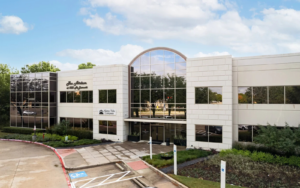
Allen
1333 W. McDermott Drive, Suite 180, Allen, TX 75013 Visit This Office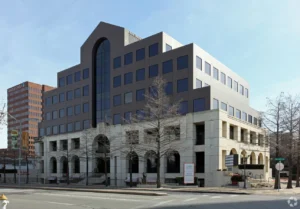
Dallas (HQ)
3300 Oak Lawn Avenue, Suite 700, Dallas, TX 75219 Visit This Office
Denton
1317 E. McKinney Street, Suite 101A, Denton, TX 76209 Visit This Office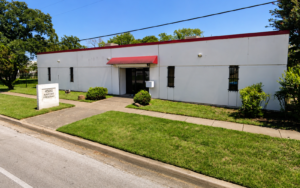
Fort Worth
4500 Airport Freeway, Suite 101, Fort Worth, TX 76117 Visit This Office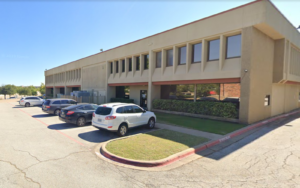
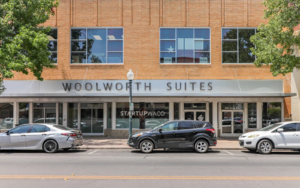
Waco
605 Austin Avenue, Suite 5, Waco, TX 76701 Visit This OfficeCourthouses We Appear In
Courthouses where our attorneys represent clients facing this charge across Texas.
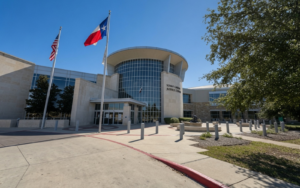
Bell County Courts
Everything you need to know about criminal court in Bell County, Texas: where cases are heard at the…
View Courthouse Info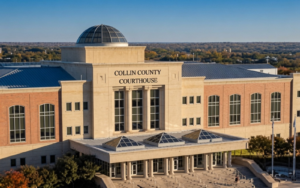
Collin County Courts
Everything you need to know about criminal court in Collin County, Texas: where cases are heard at the…
View Courthouse Info
Cooke County Courts
Everything you need to know about criminal court in Cooke County, Texas: where cases are heard in Gainesville,…
View Courthouse Info
Coryell County Courts
Everything you need to know about criminal court in Coryell County, Texas: where cases are heard in Gatesville,…
View Courthouse Info
Dallas County Courts
Everything you need to know about criminal court in Dallas County, Texas: where cases are heard at the…
View Courthouse Info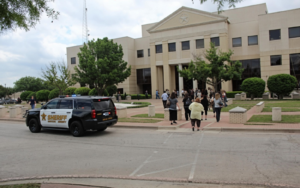
Denton County Courts
Everything you need to know about criminal court in Denton County, Texas: where cases are heard at the…
View Courthouse Info
Ellis County Courts
Everything you need to know about criminal court in Ellis County, Texas: where cases are heard at the…
View Courthouse Info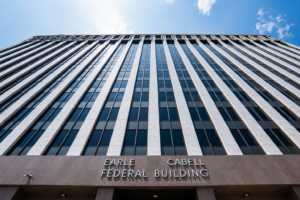
Federal Courts
Deandra Grant Law defends federal criminal cases across all four federal districts in Texas, the District of Columbia,…
View Courthouse Info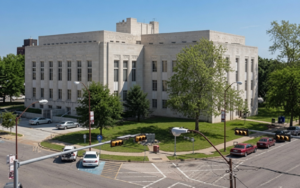
Grayson County Courts
Everything you need to know about criminal court in Grayson County, Texas: where cases are heard in Sherman,…
View Courthouse Info
Johnson County Courthouse
Everything you need to know about criminal court in Johnson County, Texas: where cases are heard at the…
View Courthouse Info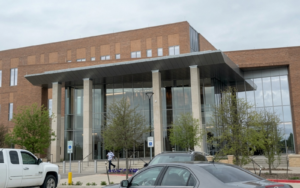
Kaufman County Courts
Everything you need to know about criminal court in Kaufman County, Texas: where cases are heard at the…
View Courthouse Info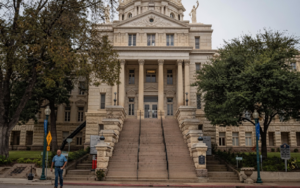
McLennan County Courts
Everything you need to know about criminal court in McLennan County, Texas: where cases are heard at the…
View Courthouse Info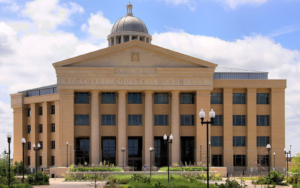
Rockwall County Courts
Everything you need to know about criminal court in Rockwall County, Texas: where cases are heard at the…
View Courthouse Info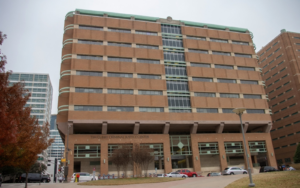
Tarrant County Courts
Everything you need to know about criminal court in Tarrant County, Texas: where cases are heard at the…
View Courthouse InfoVideos
Watch our attorneys explain probation violations and how we defend these cases.

Arrested For DWI While On Probation In Texas? Here’s What Happens Next!
Watch the Video
Texas Probation Violation Attorneys | Deandra Grant Law – Get Expert Help for Your Case Today!
Watch the Video
Are You Making These Common Probation Violation Mistakes in Texas? Learn How to Avoid Them
Watch the Video
What Are the Consequences of Violating Probation in Texas? | Contact Deandra Grant Law for Help!
Watch the Video
How Do You Choose the Best Probation Violation Attorney in Texas? Get The Tips! | Deandra Grant Law
Watch the Video
Should You Hire a Lawyer for a Probation Violation in Texas? Find Out Why Legal Help is Crucial!
Watch the Video
How Long are the Statute of Limitations for a Probation Violation in Texas?
Watch the Video
What Happens During a Probation Revocation Hearing in Texas? Know Your Rights!
Watch the Video
Can You Go to Jail After a Probation Violation in Texas? Here’s What You Need to Know!
Watch the VideoWhat Our Clients Say
What clients say after we defended them at a revocation hearing.
★★★★★
Deandra grant law helped me when no other law firm would take on my case. I was hit with no bonds for several charges while on probation in 3 county’s they came to my rescue and got me a bond within the 1st week of retaining them. The firm worked very well together and even reached out to my attorney in another county and helped me resolve my felony case with out any prison time with only 3 days time served, and within 2 court dates got me off 5 years drug court probation with time served. I really think this firm is one of the best in Denton county.
James Jordan