dismissed
Assault on a Peace Officer
Assault on a peace officer charge dismissed

Deandra Grant Law - Criminal & DWI Defense defends those accused of assaulting police, officials, or public servants

Assault on a public servant is one of the most commonly overcharged offenses in Texas. Under Texas Penal Code §22.01(b)(1), an assault that would otherwise be a misdemeanor is elevated to a third-degree felony(2 to 10 years in prison) when the victim is a public servant who was lawfully discharging an official duty at the time of the assault. This enhancement applies regardless of how minor the alleged injury was.
In practice, these charges arise most frequently during DWI arrests, traffic stops, and other encounters with law enforcement where a person who is handcuffed, restrained, or physically controlled by officers makes contact with an officer that the prosecution characterizes as an “assault.” At Deandra Grant Law, Attorney Douglas Huff defends clients against these charges and understands how to challenge the prosecution’s narrative.
Under Texas law, a “public servant” for purposes of the assault enhancement includes:
The public servant must have been lawfully discharging an official duty at the time of the alleged assault. If the officer was acting outside the scope of their authority using excessive force, conducting an unlawful arrest, or acting in a personal rather than official capacity then the enhancement may not apply.
The most common scenario: a person arrested for DWI is handcuffed and placed in a patrol car. During the process, they pull away from an officer’s grip, accidentally kick an officer while being placed in the vehicle, or make contact with an officer while being physically moved. The officer writes up the contact as an assault, and the defendant is now facing a felony in addition to the DWI charge. Many of these cases involve contact that was reflexive, involuntary, or incidental to the physical process of being arrested — not an intentional attack on the officer.
Individuals experiencing mental health emergencies who are contacted by law enforcement may make contact with officers during the crisis. Behavior driven by psychosis, mania, or extreme agitation may be charged as assault on a public servant even when the person lacked the capacity to form the intent required for the offense.
Physical encounters between civilians and police during protests, demonstrations, or other public events can result in assault on a public servant charges, even when the contact was incidental to crowd dynamics or the officer’s use of force.
If you or someone you love is facing assault charges in Texas, contact Deandra Grant Law for a free, confidential consultation. Attorney Douglas Huff has defended clients against violent felony charges throughout his career. Our firm’s forensic science credentials and 30+ years of criminal defense experience mean you get a level of defense that most firms cannot provide.
Call (214) 225-7117 or schedule an appointment online at texasdwisite.com.
Real results from assault on a public servant cases our team has defended across Texas.
Assault on a peace officer charge dismissed
Assault on a peace officer charge dismissed
Prior results do not guarantee a similar outcome. Each case is unique.
Meet the attorneys who will personally handle your assault on a public servant defense.





Find the Deandra Grant Law office nearest you for assault on a public servant defense across Texas.

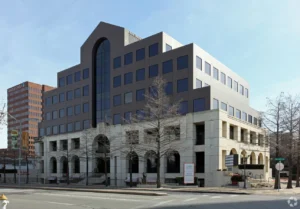




Courthouses where our attorneys represent clients facing this charge across Texas.
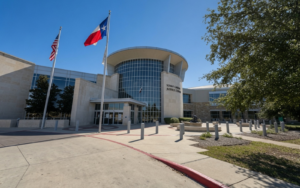
Everything you need to know about criminal court in Bell County, Texas: where cases are heard at the…
View Courthouse Info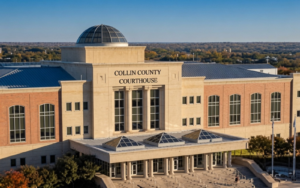
Everything you need to know about criminal court in Collin County, Texas: where cases are heard at the…
View Courthouse Info
Everything you need to know about criminal court in Cooke County, Texas: where cases are heard in Gainesville,…
View Courthouse Info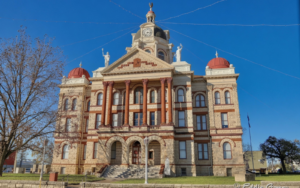
Everything you need to know about criminal court in Coryell County, Texas: where cases are heard in Gatesville,…
View Courthouse Info
Everything you need to know about criminal court in Dallas County, Texas: where cases are heard at the…
View Courthouse Info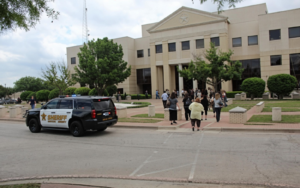
Everything you need to know about criminal court in Denton County, Texas: where cases are heard at the…
View Courthouse Info
Everything you need to know about criminal court in Ellis County, Texas: where cases are heard at the…
View Courthouse Info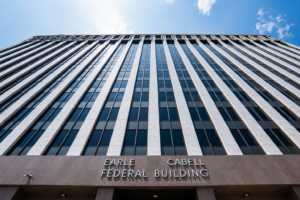
Deandra Grant Law defends federal criminal cases across all four federal districts in Texas, the District of Columbia,…
View Courthouse Info
Everything you need to know about criminal court in Grayson County, Texas: where cases are heard in Sherman,…
View Courthouse Info
Everything you need to know about criminal court in Johnson County, Texas: where cases are heard at the…
View Courthouse Info
Everything you need to know about criminal court in Kaufman County, Texas: where cases are heard at the…
View Courthouse Info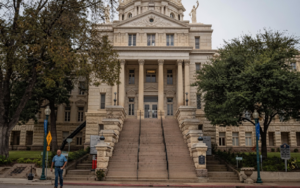
Everything you need to know about criminal court in McLennan County, Texas: where cases are heard at the…
View Courthouse Info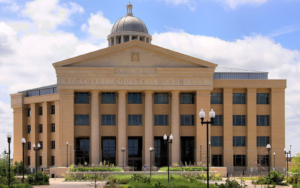
Everything you need to know about criminal court in Rockwall County, Texas: where cases are heard at the…
View Courthouse Info
Everything you need to know about criminal court in Tarrant County, Texas: where cases are heard at the…
View Courthouse InfoWatch our attorneys explain assault on a public servant and how we defend these cases.

Every case starts with a conversation. Reach out today and put an experienced, trial-tested team in your corner. We’re available 24/7 across all six Texas offices.
Tell us what happened. We’ll respond within one business hour.
Submitting this form does not create an attorney-client relationship. All communications are confidential.