dismissed
DUI
DUI charge dismissed

Deandra Grant Law - Criminal & DWI Defense defends drivers accused of operating a vehicle while impaired by drugs

Texas has no separate drugged-driving statute. Driving under the influence of drugs is charged as DWI under Penal Code §49.04 when a drug, legal or illegal, causes the loss of normal mental or physical faculties. There is no per se limit for most drugs, so the State must prove actual impairment, not just that a substance was present in your blood.
A first DUID is charged as a misdemeanor DWI, so release usually comes quickly, often on a personal recognizance or low cash bond commonly between $500 and $5000, with conditions that can include no alcohol or drug use and an interlock in some courts. Drug cases often involve a blood draw, and the lab results may not come back for weeks, which affects timing but not your release.
If you submitted to or refused a blood test, the Texas Department of Public Safety can move to suspend your license through Administrative License Revocation, or ALR. You have 15 days from the notice of suspension to request a hearing, or the suspension is automatic. The hearing also lets your lawyer question the officer under oath before the criminal case develops.
In a drug case the science is everything, and the facts you preserve now feed it. In order:
Texas does not have a separate DUID statute. It is prosecuted under the same DWI law as alcohol, Penal Code §49.04, using the loss-of-normal-use definition in §49.01: you are intoxicated if a controlled substance, a drug, a dangerous drug, or any other substance causes you to lose the normal use of your mental or physical faculties.
Unlike alcohol, where 0.08 creates a legal presumption of intoxication, Texas sets no impairment threshold for most drugs. The State has to prove the substance actually impaired you, not merely that it was present in your blood. Presence and impairment are not the same thing, and that gap is the foundation of many DUID defenses.
A valid prescription does not automatically defeat a DUID charge, because the question is impairment, not legality. But the prescription is highly relevant: it explains why the drug is in your blood and supports an argument that you took it as directed, within therapeutic levels, without impairment. See our prescription drugs DWI page for medication-specific cases.
Without a per se number, the State builds a drug case from softer, more challengeable material.
The officer’s observations and field sobriety tests, which were validated for alcohol, not drugs, and can misread a stimulant or a medical condition as impairment.
A Drug Recognition Expert evaluation. The DRE follows a 12-step protocol and renders an opinion about which of seven drug categories may be involved. That is an opinion, not a measurement, and it is only meaningful if toxicology later confirms a consistent substance.
The chemical test. Drug screening usually starts with an immunoassay, which is sensitive but not specific and can cross-react to produce false positives. Only confirmatory testing by GC-MS or LC-MS/MS actually identifies the compound and concentration. A case built on a screen alone is built on an unconfirmed result.
Because a DUID is a DWI, it carries the same penalty ladder as an alcohol DWI at the same level:
The drug allegation does not lower the stakes. A drugged-driving DWI carries the same record, license, and collateral consequences as an alcohol case at the same level.
Yes, and drug cases often have more openings than alcohol cases because the evidence is softer. Realistic outcomes include dismissal when the stop fails review or the toxicology is unconfirmed, reduction, and acquittal at trial. The central argument in many DUID cases is simple: a positive test shows presence, not impairment at the time of driving.
No lawyer can promise a result, and you should be wary of one who does. But a DRE opinion, an immunoassay screen, and a blood level that does not track impairment are all things to be tested, not a verdict.
The charge is the same statute, but the proof works in reverse. An alcohol case leans on a number, the 0.08 BAC, that the law treats as intoxication by itself. A drug case usually has no such number, so the State must prove actual impairment through observations, a DRE opinion, and toxicology that does not reliably tie a blood level to impairment at the moment of driving. That makes the science, not the result, the battleground.
For the medication-specific and cannabis-specific versions of these cases, see our prescription drugs DWI and marijuana DWI pages.
Managing Partner Deandra Grant holds a Master’s Degree in Pharmaceutical Science, a Graduate Certificate in Forensic Toxicology, and the ACS-CHAL Forensic Lawyer-Scientist designation, and Partner Douglas Huff holds the same ACS-CHAL designation. That training, pharmacokinetics, drug metabolism, and toxicology, is exactly what it takes to evaluate whether a blood concentration supports impairment at the time of driving, whether tolerance changes the picture, and whether the lab measured what it claims.
Many drugs linger in the body long after their effects end, and regular use builds tolerance, so a measurable level can coexist with no impairment at all. We make the State prove impairment, not mere presence.
The 12-step protocol depends on the officer’s subjective reading of pulse, pupil size, and balance, often estimated rather than measured. We examine the officer’s training, the documented observations, and whether the conclusion was ever confirmed by toxicology.
An immunoassay screen is not proof of a specific drug. We require GC-MS or LC-MS/MS confirmation and scrutinize the blood collection, preservative, storage, and chain of custody, the same way we do in an alcohol case.
Under Texas Code of Criminal Procedure Article 38.23, evidence from an unlawful stop is suppressible with no good faith exception. If the stop fails, the toxicology may fall with it.
A drug DWI carries the same penalties, license suspension, and permanent record as an alcohol DWI, but it turns on toxicology that most defense lawyers are not trained to read. A quick plea accepts a conviction based on a DRE opinion and a lab report no one challenged at the level of the science.
The value of counsel here is the ability to separate presence from impairment, demand confirmatory testing, and challenge the pharmacokinetics. In a DUID case, that scientific depth is the difference between a legal argument and a real rebuttal.
Most DUID cases run roughly 8 to 18 months, often longer than an alcohol case because drug toxicology takes time to produce and to analyze. The case moves through arrest and bond, the ALR hearing within weeks, then discovery, the confirmatory lab work, expert review, and any motions before a plea, dismissal, or trial.
Slower is often better. Waiting on the full lab package and analyzing it properly is exactly what produces dismissals and reductions in drug cases. We keep you updated at each step.
The fee depends on the county, the substance and complexity of the toxicology, whether an independent expert is needed, and whether the case resolves before trial. Drug cases often require more forensic work than alcohol cases, and that work is what changes outcomes.
We quote a flat fee after a free consultation, so you know the investment up front. Weigh it against the cost of a DWI conviction: the fine, the superfine, higher insurance, and a permanent record.
A first or second DUID is a misdemeanor heard in the county courts at law, and a felony-level drug DWI in the district courts. In Dallas County both run through the Frank Crowley Courts Building, Tarrant County cases through the Tim Curry Criminal Justice Center; and Collin, Denton, Rockwall, and McLennan County cases through their county criminal courts. Because drug toxicology drives these cases, lab-record production is an early and important fight wherever the case sits.
We appear in these courthouses every week. See our courthouse guides for what to expect at each one.
Your record. A DUID conviction is a DWI on your permanent record, a misdemeanor on a first offense and a felony at higher levels, and it cannot be expunged once final.
Your license and insurance. The same suspension and insurance consequences apply as in an alcohol DWI, including the SR-22 requirement.
Professional licensing. A drug-related DWI can draw separate board scrutiny for licensed professionals, sometimes more than an alcohol case, independent of the criminal outcome.
Future charges. A DUID conviction counts as a prior for any future DWI, alcohol or drug, raising the stakes on the next case. That permanence is the strongest reason to fight it now.
Yes. The charge is about impairment, not legality. A legally prescribed or lawfully purchased substance can still support a DWI if it caused you to lose normal faculties, though a valid prescription is important evidence for the defense.
No. A positive test shows the substance was present, not that you were impaired when you drove. Many drugs stay detectable long after their effects end, which is a central argument in DUID defense.
A DRE is an officer trained in a 12-step drug-influence protocol that ends in an opinion about a drug category. It is a subjective opinion, not a measurement, and it carries weight only if toxicology later confirms a consistent substance.
You can, but an officer can usually obtain a warrant and draw blood anyway, and a refusal triggers ALR license consequences. What the refusal does do is deny the State an easy result and shift the case onto more challengeable evidence.
Carefully, and often disputably. Tolerance, the time since use, individual metabolism, and redistribution all affect what a number means, which is why pharmacokinetic analysis by someone trained in it is essential.
Not reliably. The standard tests were validated for alcohol, and they can misread stimulant effects, a medical condition, or fatigue as impairment. That mismatch is a frequent point of challenge.
A DUID is a science case wearing a DWI label. Deandra Grant Law separates presence from impairment, demands real confirmation, and challenges the pharmacokinetics, with the training this firm was built on. We have offices in Dallas, Fort Worth, Allen, Denton, Rockwall, and Waco, with more than 30 years in North and Central Texas courts and a drugged-driving chapter in The Texas DWI Manual.
Call (214) 225-7117 for a free, confidential consultation. Available 24/7. No cost, no obligation.
Reviewed by Deandra Grant, Managing Partner, ACS-CHAL Forensic Lawyer-Scientist with an MS in Pharmaceutical Science and a Graduate Certificate in Forensic Toxicology.
Real results from DUID cases our team has defended across Texas.
DUI charge dismissed
DUI charge dismissed
Prior results do not guarantee a similar outcome. Each case is unique.
Meet the attorneys who will personally handle your DUID defense.





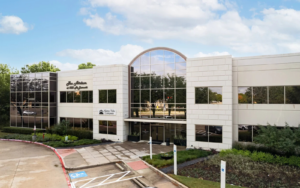
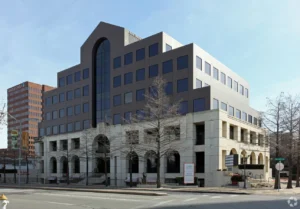
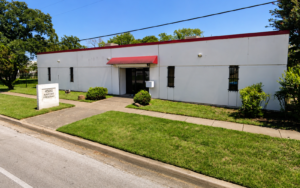
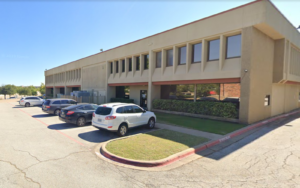
Find the Deandra Grant Law office nearest you for DUID defense across Texas.


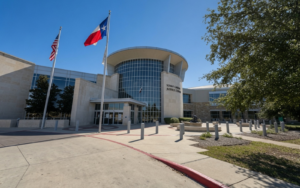
Everything you need to know about criminal court in Bell County, Texas: where cases are heard at the…
View Courthouse Info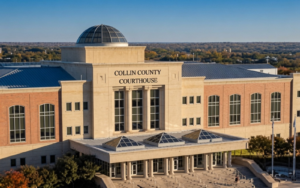
Everything you need to know about criminal court in Collin County, Texas: where cases are heard at the…
View Courthouse Info
Everything you need to know about criminal court in Cooke County, Texas: where cases are heard in Gainesville,…
View Courthouse Info
Everything you need to know about criminal court in Coryell County, Texas: where cases are heard in Gatesville,…
View Courthouse Info
Everything you need to know about criminal court in Dallas County, Texas: where cases are heard at the…
View Courthouse Info
Everything you need to know about criminal court in Denton County, Texas: where cases are heard at the…
View Courthouse Info
Everything you need to know about criminal court in Ellis County, Texas: where cases are heard at the…
View Courthouse Info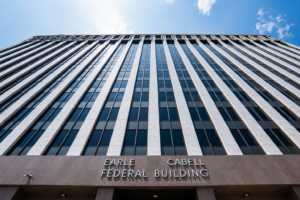
Deandra Grant Law defends federal criminal cases across all four federal districts in Texas, the District of Columbia,…
View Courthouse Info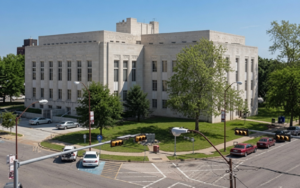
Everything you need to know about criminal court in Grayson County, Texas: where cases are heard in Sherman,…
View Courthouse Info
Everything you need to know about criminal court in Johnson County, Texas: where cases are heard at the…
View Courthouse Info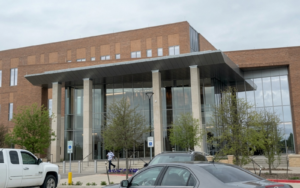
Everything you need to know about criminal court in Kaufman County, Texas: where cases are heard at the…
View Courthouse Info
Everything you need to know about criminal court in McLennan County, Texas: where cases are heard at the…
View Courthouse Info
Everything you need to know about criminal court in Rockwall County, Texas: where cases are heard at the…
View Courthouse Info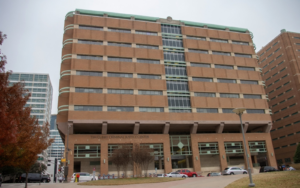
Everything you need to know about criminal court in Tarrant County, Texas: where cases are heard at the…
View Courthouse InfoEvery case starts with a conversation. Reach out today and put an experienced, trial-tested team in your corner. We’re available 24/7 across all six Texas offices.
Tell us what happened. We’ll respond within one business hour.
Submitting this form does not create an attorney-client relationship. All communications are confidential.