

Overview
Intoxication assault is a third-degree felony under Texas Penal Code §49.07. It means driving while intoxicated and, by reason of that intoxication, causing serious bodily injury to another person. A conviction carries 2 to 10 years in prison and a fine up to $10,000. The charge can be fought, and early defense work matters.
How Do You Get Out of Jail After an Intoxication Assault Arrest?
You get released by posting bond, and in most North Texas counties bond on an intoxication assault charge is commonly set between $5,000 and $50,000. The amount depends on the severity of the injury, your record, and the county. Because this is a felony arising from a crash with injuries, a magistrate sets the amount individually rather than from a standard schedule.
Expect conditions attached to your release. Courts routinely require an ignition interlock device on your vehicle, no alcohol use, and sometimes a portable alcohol monitor. Violating a bond condition can put you back in jail while the case is pending, so treat the conditions as seriously as the charge itself.
The 15-day license deadline runs from your suspension notice
If you failed or refused a breath or blood test, the Texas Department of Public Safety moves to suspend your driver’s license through a separate civil process called an Administrative License Revocation, or ALR. You have 15 days from the date you are served with notice that DPS intends to suspend your license to request an ALR hearing. In a blood test case, that notice often arrives by mail weeks after the arrest, once the lab returns your result, so the clock may not start the day you are released. Miss the deadline and the suspension takes effect automatically, no matter how strong your criminal defense is.
What Should You Do Right Now?
The first days after an intoxication assault arrest decide what evidence survives and what deadlines get met. Here is the order that matters:
- Request your ALR hearing within 15 days of notice of suspension. This is the single hard deadline in your case. Requesting the hearing protects your license and gives your defense an early chance to question the arresting officer under oath.
- Do not talk about the crash. Not to investigators, not to insurance adjusters, not on social media. Anything you say about speed, drinking, or fault becomes evidence.
- Write down everything you remember. What you ate and drank and when, the route you drove, road and weather conditions, and what the other driver did. Memory fades fast and timing details drive the blood defense.
- Preserve your vehicle. Do not authorize repairs or salvage. The car’s event data recorder holds speed, braking, and steering data from the seconds before impact, and that data is often the most reliable evidence in the case.
- Hire a DWI lawyer immediately. Felony cases go to a grand jury. Work done before indictment, including evidence preservation and early investigation, shapes everything that follows.
What Is Intoxication Assault in Texas?
Texas Penal Code §49.07 defines intoxication assault as operating a motor vehicle in a public place while intoxicated and, by reason of that intoxication, causing serious bodily injury to another person by accident or mistake. The State has to prove every piece of that sentence, and two pieces are heavily contested in almost every case: whether you were intoxicated at the time of driving, and whether the intoxication caused the injury.
What counts as intoxicated?
Intoxicated means either having a blood alcohol concentration, or BAC, of 0.08 or more, or not having the normal use of your mental or physical faculties because of alcohol, drugs, or a combination. BAC is the percentage of alcohol in your blood. The State can rely on either definition.
What counts as serious bodily injury?
Texas Penal Code §1.07(a)(46) defines serious bodily injury as an injury that creates a substantial risk of death, or causes death, permanent disfigurement, or protracted loss or impairment of the function of any bodily member or organ. The definition turns on the nature and duration of the injury. A fracture that fully heals may not qualify. A spinal injury causing long-term impairment almost certainly does. Because this is a medical question, your defense must independently evaluate the treating records rather than accept the prosecution’s characterization.
Causation is an element, not an assumption
The State must prove your intoxication caused the injury, not merely that you were intoxicated and present at a crash. If another driver’s negligence, a road defect, or a mechanical failure caused or contributed to the collision, the causal link between your BAC and the injury is directly contested. This concurrent causation analysis is the same one used in intoxication manslaughter cases.
Charges can be filed months later
Intoxication assault charges are sometimes filed long after the collision, when an injury worsens or a serious diagnosis emerges that was not apparent at the scene. A delayed filing does not weaken your defense rights. The original blood evidence, the crash scene data, and the medical progression of the injury all remain open to challenge.
What Evidence Do Prosecutors Need to Convict You?
To convict, the State needs proof beyond a reasonable doubt on intoxication, causation, and the seriousness of the injury. In practice that means four categories of evidence, and each has known weak points.
The blood result. In injury cases the blood draw is almost always taken under a warrant and analyzed at a government laboratory. In Dallas County that is SWIFS or a DPS lab. In Tarrant County it is the medical examiner’s lab or the Fort Worth Crime Lab. The number on the lab report reflects your BAC at the time of the draw, which may be hours after driving, not at the time you were behind the wheel.
The crash reconstruction. Law enforcement investigators produce speed estimates, skid mark analysis, point-of-impact findings, and a fault conclusion. These are technical judgments, and they can be wrong.
The medical records. The treating records, imaging, and prognosis are what make an injury legally serious or not. Prosecutors often characterize injuries at their worst early stage.
The officer’s account and video. Body camera, dash camera, and scene video either support or undercut the officer’s testimony about your condition. Video has a way of telling a different story than the offense report.
What Are the Penalties for Intoxication Assault in Texas?
Intoxication assault is a third-degree felony punishable by 2 to 10 years in the Texas Department of Criminal Justice and a fine up to $10,000. Probation is possible, but Texas law requires at least 30 days in county jail as a condition of probation for this offense, and deferred adjudication is not available for intoxication assault.
The charge can be enhanced. If the injured person is a firefighter or emergency medical worker hurt in the line of duty, the offense becomes a second-degree felony carrying 2 to 20 years. If the injured person is a peace officer or judge hurt in the line of duty, it becomes a first-degree felony carrying 5 to 99 years or life. If the injury leaves the victim in a persistent vegetative state, the offense is also a second-degree felony.
A conviction also brings a driver’s license suspension of up to 1 year, mandatory ignition interlock as a condition of any probation, and court costs on top of the fine. An occupational license can keep you driving to work and essential obligations during a suspension, and we handle that process as part of the defense.
Can You Fight an Intoxication Assault Charge?
Yes. These cases are won and lost on forensic details, and realistic outcomes range across the full spectrum: dismissal when the stop or warrant fails constitutional review, reduction to a lesser charge such as DWI or even a non-intoxication offense when the causation theory weakens, probation instead of prison, deferred resolutions on reduced charges, and acquittal at trial.
No lawyer can promise a result, and you should be skeptical of any who does. What we can tell you is that the blood number is not the verdict. Cases with a BAC over the limit have been dismissed, reduced, and won at trial because the science, the reconstruction, or the warrant did not hold up.
How Is Intoxication Assault Different From Intoxication Manslaughter?
The difference is the outcome of the crash. Intoxication assault under §49.07 applies when the crash causes serious bodily injury, and it is a third-degree felony carrying 2 to 10 years. Intoxication manslaughter under §49.08 applies when the crash causes a death, and it is a second-degree felony carrying 2 to 20 years.
The two charges share the same defense architecture: the blood evidence, the crash reconstruction, and the causation analysis are evaluated the same way in both. A case that begins as intoxication assault can become intoxication manslaughter if the injured person later dies, which is one more reason the defense investigation cannot wait. Learn more on our intoxication manslaughter page.
How We Defend Intoxication Assault Cases
We attack the blood evidence with science, not just objections
Managing Partner Deandra Grant holds a Master’s Degree in Pharmaceutical Science and the ACS-CHAL Forensic Lawyer-Scientist designation. Partner Douglas Huff holds the same forensic designation with advanced digital forensics training. That training is built for exactly this evidence.
The blood draw in your case happened hours after you drove. If alcohol was still absorbing at the time of the stop, your BAC at the test was higher than it was while driving. This rising BAC defense requires pharmacokinetic analysis, which is the study of how the body absorbs and eliminates substances over time. We also examine the chain of custody, the adequacy of the preservative in the sample tube, fermentation risk in the vial, and the laboratory’s methodology. See our blood test defense page for the full breakdown.
We retain independent crash reconstruction
The State’s reconstruction is a starting point, not a fact. Our experts evaluate the speed calculations, the skid mark analysis, and the point-of-impact findings against the physical evidence. Event data recorder evidence, the vehicle’s own record of speed, braking, and steering in the seconds before impact, is often more reliable than a reconstruction built after the fact.
We test the injury against the statute
Serious bodily injury is a legal standard, not a feeling. We obtain the complete treating records and imaging, and where appropriate retain an independent medical expert. Injuries first described as serious sometimes resolve without the permanent impairment or protracted loss of function the statute requires, and when that happens the felony theory collapses.
We start with the Constitution
Under Texas Code of Criminal Procedure Article 38.23, evidence obtained through a defective warrant or an unlawful stop is suppressible, and Texas does not recognize the broad federal good-faith exception. The validity of the blood warrant and the legality of the initial stop are the first two questions in every intoxication assault defense we build.
We defend with the civil case in view
The person injured in the crash can sue you, and a criminal conviction can be used as evidence in that civil lawsuit. A quick guilty plea that resolves the criminal case can create civil liability exposure that a contested defense would not. We make plea decisions with both cases on the table.
Do You Really Need a Lawyer for Intoxication Assault?
You will have one either way, because this is a felony and the court will appoint counsel if you cannot afford it. The real question is whether your lawyer will have the resources and the forensic background this specific charge demands.
Court-appointed attorneys include some excellent lawyers, but they carry heavy caseloads and rarely have funding for independent blood analysis, crash reconstruction experts, and medical review. Pleading guilty without a fight means accepting a felony record, possible prison time, and evidence in the civil lawsuit against you, all based on State evidence no one ever tested.
An intoxication assault case is a science case. The value of private counsel here is not a nicer suit. It is pharmacokinetics, reconstruction experts, and the time to use them.
How Long Does an Intoxication Assault Case Take?
Most intoxication assault cases take roughly 9 to 36 months from arrest to resolution, and complex cases can run longer. The timeline moves through arrest and bond, the ALR hearing within weeks, grand jury indictment in the first few months, then a pretrial phase of discovery, lab record production, expert analysis, and suppression motions. Trial, if the case gets there, is typically a year or more out.
Slow is not bad. Independent lab review, expert reconstruction, and medical evaluation take time, and that work is what produces dismissals and reductions. We keep you informed at every stage so the timeline never feels like silence.
How Much Does an Intoxication Assault Defense Cost?
Fees in felony DWI cases depend on the county, the complexity of the evidence, whether experts are retained, and whether the case resolves before trial. An intoxication assault defense costs more than a misdemeanor DWI because the case demands independent forensic work, and that work is precisely what changes outcomes.
We quote a fee after reviewing your case in a free consultation, so you know the investment before you commit. Weigh it against what a felony conviction costs: prison exposure, a permanent record, license loss, and a civil judgment built on the criminal case.
How Intoxication Assault Cases Move Through North and Central Texas Courts
Felony intoxication assault cases are heard in district courts. In Dallas County that means the felony courts at the Frank Crowley Courts Building. In Tarrant County, cases run through the district courts at the Tim Curry Criminal Justice Center in Fort Worth. Collin, Denton, Rockwall and McLennan County felony DWI cases are heard in their respective district courts.
We appear in these courthouses every week. See our courthouse guides for what to expect at each one, from parking to docket procedure.
What Are the Long-Term Effects of a Conviction?
An intoxication assault conviction is a permanent felony record. It cannot be expunged, and it does not qualify for an order of nondisclosure, which is the sealing remedy Texas allows for some other offenses. Every background check will show it for life.
The practical fallout reaches further than the sentence. A felony record affects employment, professional licensing, firearm rights, housing applications, and lending. For non-citizens, a conviction involving injury can carry serious immigration consequences, and any non-citizen facing this charge needs immigration-aware defense counsel from day one.
This permanence is the strongest argument for fighting the charge now. The difference between a conviction and a reduction or dismissal is the difference between a record that follows you for life and one that can potentially be cleared.
Intoxication Assault FAQs
Is intoxication assault a felony even if it is my first offense?
Yes. Unlike a first DWI, which is a misdemeanor, intoxication assault is a felony regardless of your record, because the charge is defined by the injury, not by prior offenses.
Can the injured person drop the charges?
No. The State of Texas, not the injured person, prosecutes the case. The victim’s wishes can influence the prosecutor’s decisions, but they do not control them.
What if the injured person was my passenger?
The charge still applies. Section 49.07 covers serious bodily injury to another person, and your own passenger counts, even a friend or family member who does not want you prosecuted.
Can I keep driving while my case is pending?
Often yes. If your license is suspended through the ALR process, an occupational license can authorize driving for work, school, and essential household duties. This is one of the first things we address.
What happens at the ALR hearing?
It is a civil hearing before an administrative judge about your license, separate from the criminal case. It also gives your defense an early opportunity to question the arresting officer under oath, which can produce testimony that helps the criminal defense.
Will my insurance cover the other person’s injuries?
Your liability coverage generally responds to the injury claim up to its limits, but coverage questions get complicated in intoxication cases and serious injuries often exceed policy limits. This is part of why the criminal defense and the civil exposure have to be managed together.
Talk to a Lawyer Who Can Read the Lab Report
Intoxication assault cases require defense on multiple simultaneous fronts: the blood evidence, the crash reconstruction, the injury characterization, and the causation theory. Deandra Grant Law has offices in Dallas, Fort Worth, Allen, Denton, Rockwall, and Waco, and our attorneys have appeared in North and Central Texas courts for more than 30 years across more than 500 trials to verdict.
Call (214) 617-0847 for a free, confidential consultation. Available 24/7. No cost, no obligation.
Reviewed by Deandra Grant, Managing Partner, ACS-CHAL Forensic Lawyer-Scientist with an MS in Pharmaceutical Science. Read her full profile.
Attorneys Who Handle This Charge
Meet the attorneys who will personally handle your intoxication assault defense.

Douglas E. Huff
Read Attorney Profile
Jada Fairley
Read Attorney Profile
Jason Bowes
Read Attorney Profile
Kevin Sheneberger
Read Attorney ProfileOffices Handling These Cases
Find the Deandra Grant Law office nearest you for intoxication assault defense across Texas.

Allen
1333 W. McDermott Drive, Suite 180, Allen, TX 75013 Visit This Office
Dallas (HQ)
3300 Oak Lawn Avenue, Suite 700, Dallas, TX 75219 Visit This Office
Denton
1317 E. McKinney Street, Suite 101A, Denton, TX 76209 Visit This Office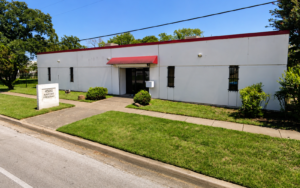
Fort Worth
4500 Airport Freeway, Suite 101, Fort Worth, TX 76117 Visit This Office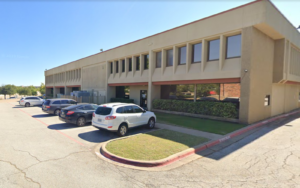

Waco
605 Austin Avenue, Suite 5, Waco, TX 76701 Visit This OfficeCourthouses We Appear In
Courthouses where our attorneys represent clients facing this charge across Texas.

Bell County Courts
Everything you need to know about criminal court in Bell County, Texas: where cases are heard at the…
View Courthouse Info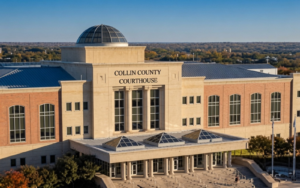
Collin County Courts
Everything you need to know about criminal court in Collin County, Texas: where cases are heard at the…
View Courthouse Info
Cooke County Courts
Everything you need to know about criminal court in Cooke County, Texas: where cases are heard in Gainesville,…
View Courthouse Info
Coryell County Courts
Everything you need to know about criminal court in Coryell County, Texas: where cases are heard in Gatesville,…
View Courthouse Info
Dallas County Courts
Everything you need to know about criminal court in Dallas County, Texas: where cases are heard at the…
View Courthouse Info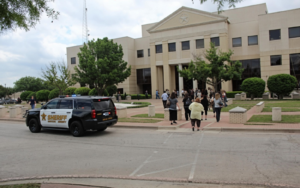
Denton County Courts
Everything you need to know about criminal court in Denton County, Texas: where cases are heard at the…
View Courthouse Info
Ellis County Courts
Everything you need to know about criminal court in Ellis County, Texas: where cases are heard at the…
View Courthouse Info
Federal Courts
Deandra Grant Law defends federal criminal cases across all four federal districts in Texas, the District of Columbia,…
View Courthouse Info
Grayson County Courts
Everything you need to know about criminal court in Grayson County, Texas: where cases are heard in Sherman,…
View Courthouse Info
Johnson County Courthouse
Everything you need to know about criminal court in Johnson County, Texas: where cases are heard at the…
View Courthouse Info
Kaufman County Courts
Everything you need to know about criminal court in Kaufman County, Texas: where cases are heard at the…
View Courthouse Info
McLennan County Courts
Everything you need to know about criminal court in McLennan County, Texas: where cases are heard at the…
View Courthouse Info
Rockwall County Courts
Everything you need to know about criminal court in Rockwall County, Texas: where cases are heard at the…
View Courthouse Info
Tarrant County Courts
Everything you need to know about criminal court in Tarrant County, Texas: where cases are heard at the…
View Courthouse InfoBooks & Guides
Free books and guides on intoxication assault, explaining your rights and options.
The Texas DWI Manual
Get the Book
Surviving Your DWI in McLennan County
Get the Book
Surviving Your DWI in Bell County
Get the Book
Surviving Your DWI in Hays County
Get the Book
Surviving Your DWI in Tarrant County
Get the Book
Surviving Your DWI in Travis County
Get the Book
Surviving Your DWI in Kaufman County
Get the Book
Surviving Your DWI in Rockwall County
Get the Book
Surviving Your DWI in Ellis County
Get the Book
Surviving Your DWI in Grayson County
Get the Book
Surviving Your DWI in Cooke County
Get the Book
Surviving Your DWI in Collin County
Get the Book
Surviving Your DWI in Denton County
Get the Book
Surviving Your DWI in Dallas County
Get the BookVideos
Watch our attorneys explain intoxication assault and how we defend these cases.