


By Deandra Grant, J.D., M.S. (Pharmaceutical Science), ACS-CHAL Forensic Lawyer-Scientist The difference between a drug possession charge and a drug delivery charge in Texas is not just the severity of the offense. It is often the difference between a misdemeanor and years in prison. Manufacture or delivery of a controlled substance in Penalty Group 1 […]

Effective today (March 31, 2026) the Texas Department of State Health Services smokable hemp regulations are in effect. Hemp flower, pre-rolled joints, live rosin, live resin: off compliant store shelves. The rules adopt a “total THC” calculation that includes THCA, and since most smokable hemp products contain THCA well above 0.3%, they no longer meet […]

By Deandra Grant, J.D., M.S. (Pharmaceutical Science), ACS-CHAL Forensic Lawyer-Scientist Money laundering prosecutions are among the most technically complex criminal cases a defendant can face. The investigations are often long-running, the evidence is predominantly financial, and the charges can come from state authorities, federal prosecutors, or both simultaneously. Many people facing money laundering charges did […]

Of all the scientific challenges to blood test accuracy in DWI cases, coelution may be the most technically significant and the least understood by defense attorneys. Coelution occurs when two or more chemical compounds exit the gas chromatography column at the same time, causing their detector signals to overlap. When this happens, the instrument cannot […]

The Intoxilyzer 9000 measures the amount of alcohol in a breath sample using infrared spectroscopy. It assumes that all detected alcohol came from deep lung air and represents the defendant’s blood alcohol concentration. But several common medical conditions can introduce substances into the breath that the instrument misidentifies as ethanol — or that elevate the […]

The prosecution’s blood test result in your DWI case is only as reliable as the integrity of the blood sample it was derived from. If the sample was contaminated at any point (during collection, transportation, storage, or analysis) the BAC result does not accurately reflect the alcohol concentration in your bloodstream at the time the […]

Every breath test result presented in a Texas DWI case is based on an assumption that the prosecution never tells the jury about: the partition ratio. This single assumption, built into the hardware and software of the Intoxilyzer 9000, can cause the instrument to overestimate your blood alcohol concentration by 20%, 30%, or more. Understanding […]
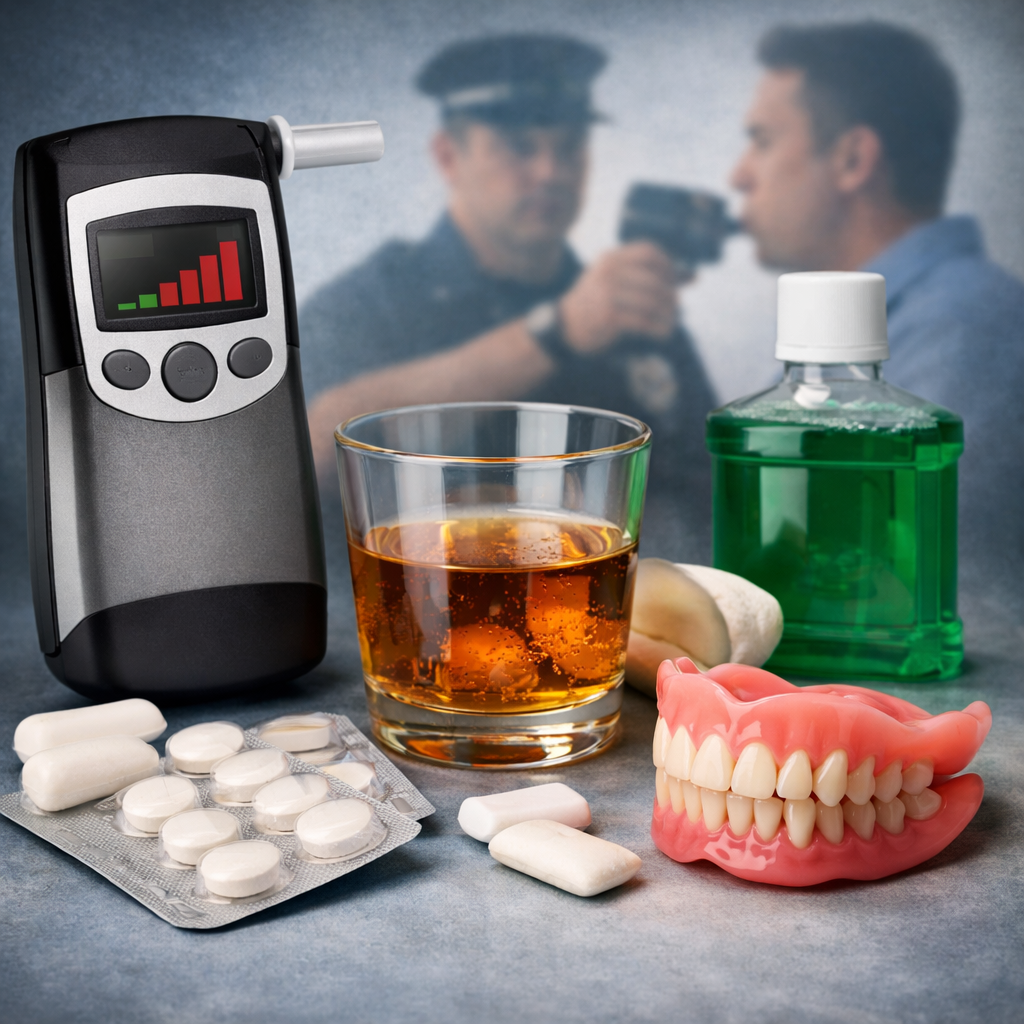
Breath testing instruments like the Intoxilyzer 9000 are designed to measure alcohol in deep lung air which is air from the alveoli of the lungs where gas exchange occurs between the blood and the breath. The instrument assumes that the alcohol it detects came from the lungs and uses that measurement to estimate blood alcohol […]
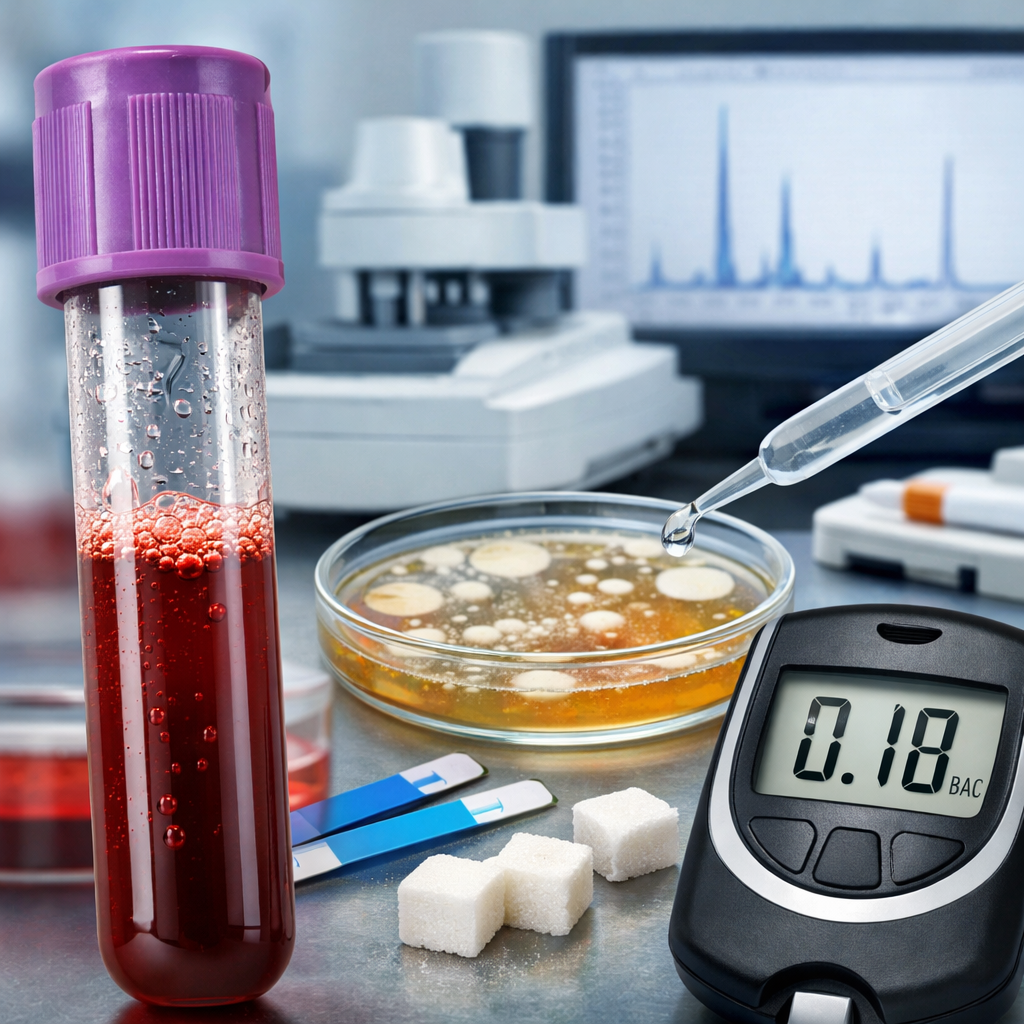
One of the most significant and least understood challenges to blood test accuracy in DWI cases is in vitro fermentation. This is the process by which microorganisms inside the blood collection tube produce alcohol after the blood was drawn, artificially inflating the BAC result. When in vitro fermentation occurs, the laboratory is not measuring the […]
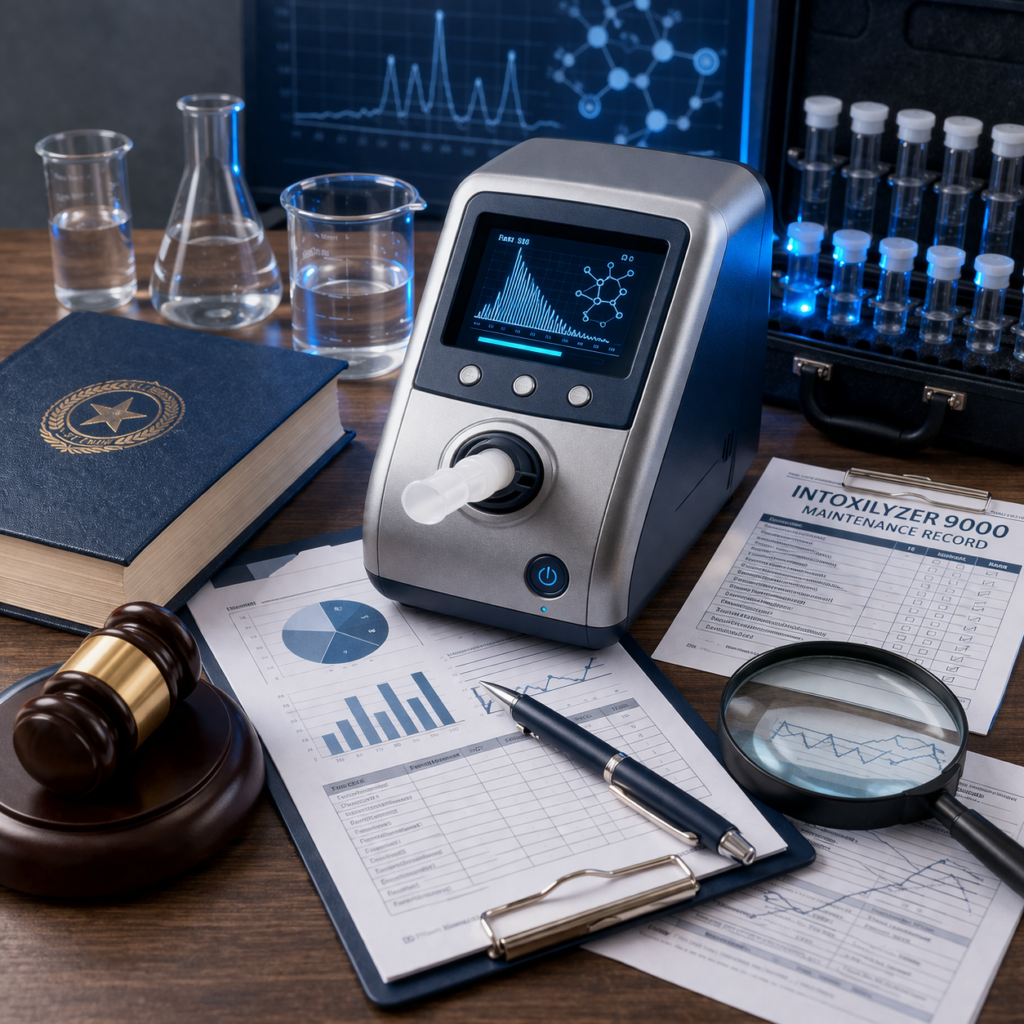
By Deandra Grant, J.D., M.S. (Pharmaceutical Science), ACS-CHAL Forensic Lawyer-Scientist, Certified Intoxilyzer Operator and Maintenance Technician If you submitted to a breath test during a DWI arrest in Texas, the instrument that generated your result was the Intoxilyzer 9000, manufactured by CMI, Inc. of Owensboro, Kentucky. Texas adopted the Intoxilyzer 9000 around 2015, replacing the […]