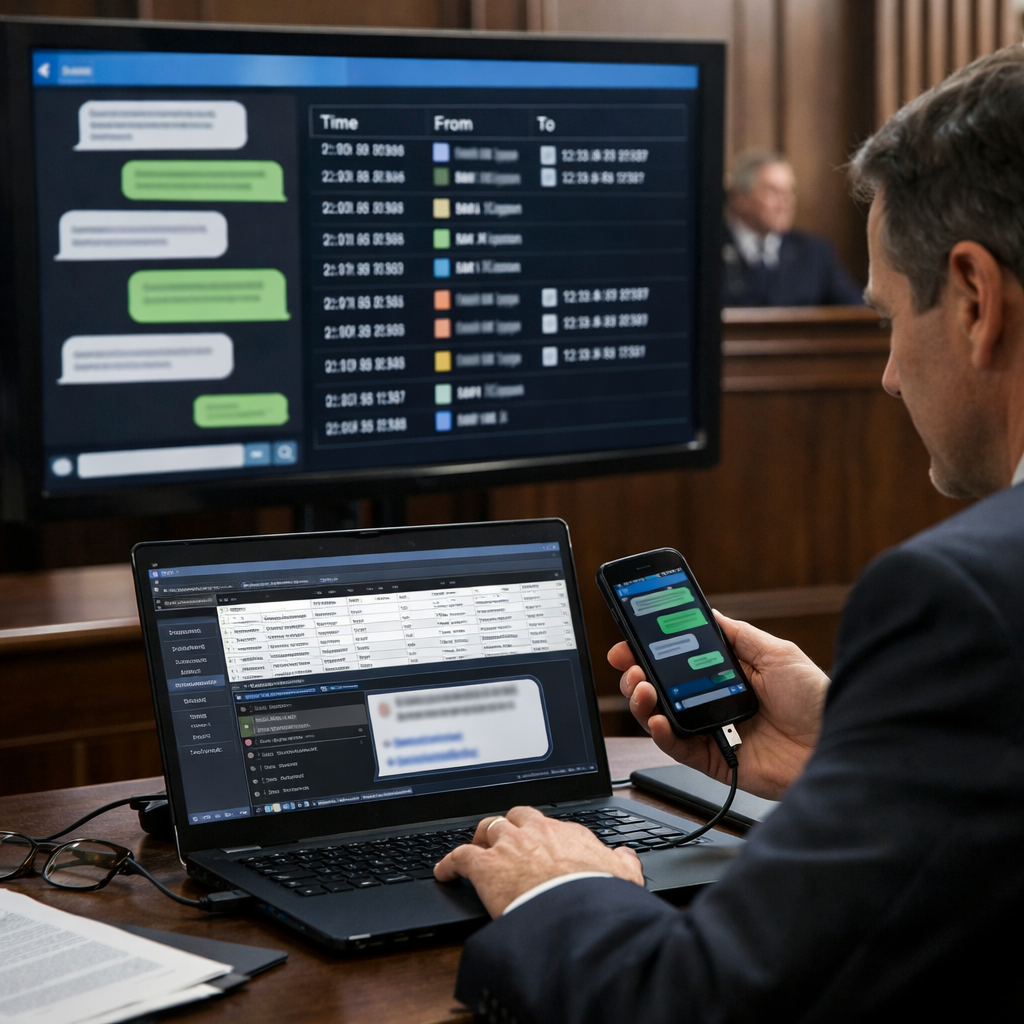
Text messages have become one of the most common forms of evidence in criminal cases. Prosecutors use them to establish motive, demonstrate intent, contradict alibis, and, in cases like online solicitation, to serve as the very foundation of the criminal charge. When text messages appear on a courtroom screen, jurors tend to treat them as unambiguous proof of what a defendant said, thought, or intended.
But text message evidence raises serious authentication, collection, and interpretation issues that a defense attorney with digital forensics training can expose.

"Deandra Grant Law – Criminal & DWI Defense handled my case with diligence and professionalism. Deandra Grant's reputation is stellar and now I know why. She has a team of individuals who provide quality service."
- N. Coulter
"Deandra Grant Law – Criminal & DWI Defense fights hard for their clients and is always willing to go above and beyond. They are the best firm for DWI cases in DFW and beyond. Definitely hire them to represent you in any pending cases."
- P. Williams
"Deandra Grant made a tough situation so much better. She listened to my concerns and helped me so much with my case. I would recommend her to anyone needing legal services."
- M. Haley
How Text Messages Become Evidence
Text message evidence typically enters a criminal case through one of several channels:
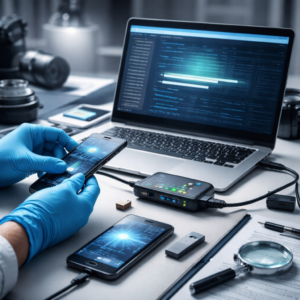
- Forensic extraction from a seized device. When law enforcement seizes a phone pursuant to a warrant, a forensic analyst creates a forensic image and extracts text messages along with metadata including timestamps, sender and recipient information, and read/delivery receipts.
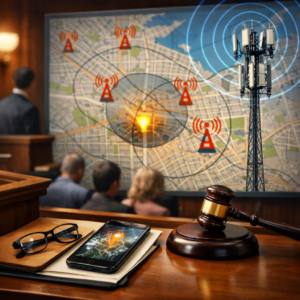
- Carrier records. Cellular carriers maintain records of text message metadata (who texted whom, when, and from what tower) for varying periods. Some carriers also retain message content for limited timeframes. These records can be obtained through subpoena or warrant.
- Screenshots from a complainant or witness. Prosecutors sometimes introduce text message evidence through screenshots taken by the alleged victim or a witness. These screenshots are presented as photographs of the phone’s screen.
- Cloud backups. Text messages backed up to iCloud, Google, or other cloud services can be obtained through warrants served on the cloud provider.
Authentication Problems
Before text messages can be admitted as evidence, the prosecution must authenticate them, that is, establish that the messages are what the prosecution claims they are. This is where significant challenges arise:
Screenshots Are Unreliable
A screenshot of a text message conversation is a photograph of a screen. It does not prove that the conversation actually occurred as depicted. Screenshots can be fabricated using message editing apps, web-based fake text generators, or simple image editing. A screenshot does not carry the forensic metadata that a proper extraction provides.
Sender Identity
A text message sent from a phone number associated with the defendant does not necessarily prove the defendant sent it. Other people may have had access to the phone. Apps can spoof phone numbers. Phones can be compromised by malware that sends messages without the user’s knowledge.
Message Completeness
Prosecutors may present selected messages out of context. A complete conversation thread may tell a very different story than the excerpted messages the prosecution chooses to highlight. Doug ensures the defense has access to the complete message history and presents the full context to the jury.
Deleted Text Messages
Deletion does not necessarily mean destruction. Forensic analysis of a phone’s storage can often recover deleted text messages from unallocated space on the device’s memory. The ability to recover deleted messages depends on the phone model, operating system, encryption, how long ago the messages were deleted, and how much new data has been written to the device since deletion.
This cuts both ways: prosecutors may recover deleted messages that are incriminating, but the defense may also recover deleted messages that provide exculpatory context — messages the prosecution conveniently did not present.
How Doug Challenges Text Message Evidence
- Demanding proper forensic extraction rather than accepting screenshots or summaries
- Examining metadata to verify timestamps, delivery status, and sender information
- Investigating whether someone other than the defendant had access to the phone
- Presenting the complete message thread rather than the prosecution’s selected excerpts
- Retaining independent forensic experts to examine the device and verify the prosecution’s extraction
- Challenging the admissibility of improperly authenticated text message evidence through pretrial motions
Case Results
Talk to a Defense Team That Understands Digital Evidence
At Deandra Grant Law, Attorney Douglas Huff is our Partner and Criminal Division Chief — a senior trial attorney who has completed advanced training in digital forensics with Garrett Discovery, one of the nation’s leading digital forensics firms. Doug doesn’t just read the prosecution’s forensic reports. He has the training to understand the tools, challenge the methods, and expose the weaknesses in digital evidence.
If you are facing criminal charges involving digital evidence of any kind, contact Deandra Grant Law for a free, confidential consultation.
Call (214) 225-7117 or schedule an appointment online at texasdwisite.com.
Firm Accolades

Better Business Bureaus

D Magazine