dismissed
Burglary of a Building
Building burglary charge dismissed

Deandra Grant Law - Criminal & DWI Defense defends those accused of unlawful entry into homes or buildings

Burglary is a felony offense under Texas Penal Code Chapter 30 which is a distinct statutory category from theft, though the two can overlap when the intent underlying a burglary is to commit theft. A burglary conviction carries a permanent felony record, significant prison time, and consequences that extend into employment, housing, financial aid, and professional licensing for years after the sentence is served.
Deandra Grant Law has defended burglary charges across North and Central Texas for more than 30 years. The analysis in every burglary case begins with the entry, the intent, and whether the evidence of both was lawfully obtained. More than 500 cases have been tried to verdict.
Burglary of a building — Texas Penal Code §30.02. A person commits burglary if, without the effective consent of the owner, they enter a habitation or building, or any portion of a building, and commit or attempt to commit a felony, theft, or assault; or they enter a habitation or building and remain concealed with the intent to commit a felony, theft, or assault.
The offense does not require that the intended crime be completed. Entry with the requisite intent is sufficient. This means a defendant who entered a building intending to commit theft but left empty-handed can still be charged with and convicted of burglary.
State jail felony — non-habitation building: 180 days to 2 years in state jail, fine up to $10,000. Applies when the burglary occurs in a building other than a habitation.
Second-degree felony — habitation: 2 to 20 years in TDCJ, fine up to $10,000. Applies when the burglary occurs in a habitation (a structure or vehicle adapted for the overnight accommodation of persons).
First-degree felony — habitation with intent to commit felony other than theft: 5 to 99 years or life in TDCJ, fine up to $10,000. Applies when a person enters a habitation with the intent to commit a felony other than theft (for example, assault, sexual assault, or another serious felony).
Burglary of a vehicle — §30.04: Breaking into or entering a vehicle without consent with intent to commit a felony or theft. Class A misdemeanor on first offense — up to 1 year in county jail, fine up to $4,000. Elevated to state jail felony on a second or subsequent conviction.
Burglary of coin-operated machines — §30.03: Breaking into or entering a coin-operated machine without consent. Class A misdemeanor — up to 1 year in county jail, fine up to $4,000.
Consent. Burglary requires entry “without the effective consent of the owner.” If the defendant had permission (express or implied) to enter the structure, the entry is not unlawful and the burglary charge fails. In cases involving businesses where the defendant was a customer or employee, the consent question is frequently the central factual dispute. Even partial or conditional consent can negate the unlawful entry element if the defendant’s entry fell within the scope of the permission granted.
Lack of intent. Burglary requires that the intent to commit a felony, theft, or assault existed at the time of entry. A person who entered lawfully and then formed the intent to steal after being inside has not committed burglary. They may have committed theft, but the burglary charge requires that the criminal intent preceded or accompanied the entry. Developing the factual record of what the defendant knew and intended before entering is essential.
Identity. Many burglary prosecutions are built on eyewitness identification, surveillance footage, or fingerprint evidence. Eyewitness identification is among the most unreliable categories of evidence in the criminal justice system. Surveillance footage must be properly authenticated and examined in complete, unedited form. Douglas Huff’s digital forensics training covers the authentication, chain of custody, and technical evaluation of surveillance and digital evidence at the data level.
Article 38.23. Texas’s exclusionary rule carries no good faith exception. Burglary arrests frequently involve searches of vehicles, residences, and persons incident to arrest. Whether the stop, search, or arrest was constitutionally sound is examined before any other defense strategy is built. Evidence obtained through an unlawful search is suppressible regardless of what it shows.
Habitation vs. building distinction. The difference between a state jail felony and a second-degree felony in burglary cases turns entirely on whether the structure was a “habitation.” Texas Penal Code §30.01 defines habitation as a structure or vehicle that is adapted for the overnight accommodation of persons. Whether a structure qualifies as a habitation under the specific facts — including how and when it was used — is a factual issue the defense can contest.
If you are facing burglary charges in Texas, call (214) 225-7117 for a free, confidential consultation. Or schedule online at texasdwisite.com.
Real results from burglary cases our team has defended across Texas.
Building burglary charge dismissed
Prior results do not guarantee a similar outcome. Each case is unique.
Meet the attorneys who will personally handle your burglary defense.





Find the Deandra Grant Law office nearest you for burglary defense across Texas.






Courthouses where our attorneys represent clients facing this charge across Texas.

Everything you need to know about criminal court in Bell County, Texas: where cases are heard at the…
View Courthouse Info
Everything you need to know about criminal court in Collin County, Texas: where cases are heard at the…
View Courthouse Info
Everything you need to know about criminal court in Cooke County, Texas: where cases are heard in Gainesville,…
View Courthouse Info
Everything you need to know about criminal court in Coryell County, Texas: where cases are heard in Gatesville,…
View Courthouse Info
Everything you need to know about criminal court in Dallas County, Texas: where cases are heard at the…
View Courthouse Info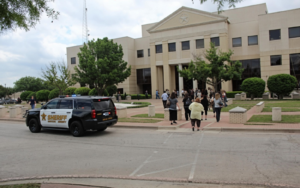
Everything you need to know about criminal court in Denton County, Texas: where cases are heard at the…
View Courthouse Info
Everything you need to know about criminal court in Ellis County, Texas: where cases are heard at the…
View Courthouse Info
Deandra Grant Law defends federal criminal cases across all four federal districts in Texas, the District of Columbia,…
View Courthouse Info
Everything you need to know about criminal court in Grayson County, Texas: where cases are heard in Sherman,…
View Courthouse Info
Everything you need to know about criminal court in Johnson County, Texas: where cases are heard at the…
View Courthouse Info
Everything you need to know about criminal court in Kaufman County, Texas: where cases are heard at the…
View Courthouse Info
Everything you need to know about criminal court in McLennan County, Texas: where cases are heard at the…
View Courthouse Info
Everything you need to know about criminal court in Rockwall County, Texas: where cases are heard at the…
View Courthouse Info
Everything you need to know about criminal court in Tarrant County, Texas: where cases are heard at the…
View Courthouse InfoEvery case starts with a conversation. Reach out today and put an experienced, trial-tested team in your corner. We’re available 24/7 across all six Texas offices.
Tell us what happened. We’ll respond within one business hour.
Submitting this form does not create an attorney-client relationship. All communications are confidential.