dismissed
Boating While Intoxicated
Boating while intoxicated charge dismissed

Deandra Grant Law - Criminal & DWI Defense defends boaters accused of operating a vessel while intoxicated in Texas

Boating while intoxicated under Texas Penal Code §49.06 is operating a watercraft in public while intoxicated. A first BWI is a Class B misdemeanor with the same penalties as a road DWI, up to 180 days in jail and a fine up to $2,000. What differs is the on-water investigation, where the stop, the field tests, and the science all work differently.
At Deandra Grant Law, Managing Partner Deandra Grant has been defending BWI and DWI cases across North and Central Texas for more than 30 years. She holds a Master’s Degree in Pharmaceutical Science and the ACS-CHAL Forensic Lawyer-Scientist designation. Partner Douglas Huff holds the same designation. The forensic science that underlies DWI blood evidence defense applies with equal force to BWI blood evidence.
A first or second BWI is a misdemeanor, so release usually comes quickly, often on a personal recognizance or low cash bond commonly between $500 and $5000. Conditions can include no alcohol, and an interlock if the reported BAC was high or there is a prior.
Even though a BWI happens on the water, it triggers the same Administrative License Revocation process as a road DWI. You have 15 days from the notice of suspension to request an ALR hearing, or your driver’s license is suspended automatically. The hearing also lets your lawyer question the arresting officer under oath early. Note that ALR affects your driver’s license, not your boating privileges, which run through a separate Texas Parks and Wildlife process.
BWI evidence is built in unusual conditions, and the details fade fast. In order:
Call a lawyer immediately. Early work on the stop and the testing shapes everything after.
Under Penal Code §49.06, you commit BWI by operating a watercraft in a public place while intoxicated, the same intoxication standard used for a road DWI: a BAC of 0.08 or higher, or the loss of normal mental or physical faculties.
Enforcement is led by Texas Parks and Wildlife game wardens, who have statewide jurisdiction on the water. County sheriff marine units, local police on their lakes, and DPS officers also make BWI arrests, and on navigable federal waterways the U.S. Coast Guard has concurrent jurisdiction. Which agency made the arrest decides which protocols governed the investigation and who can be cross-examined.
The State must prove you operated a watercraft in public while intoxicated. The evidence looks like a DWI but is gathered in conditions that undercut it.
Field sobriety tests. The standard roadside tests were validated on dry, stable ground, not on a boat or a dock right after hours on the water. The body’s balance system stays disrupted after a day afloat, the familiar “sea legs,” which can produce the same nystagmus and sway officers read as intoxication.
The chemical test. Breath or blood, with the same vulnerabilities as any DWI: calibration, the observation period, the blood draw and storage, and the chain of custody.
The stop and the officer’s observations, which on the water raise their own questions about authority and conditions.
BWI convictions also count as priors for future DWI or BWI enhancement, so a BWI today can raise the stakes on a road DWI later.
Yes, and BWI cases often have more openings than a road DWI because the evidence was gathered in conditions that work against the State. Realistic outcomes include dismissal when the stop exceeded its lawful scope or the science fails, reduction, and acquittal at trial. The marine setting itself, where field tests were never validated, is a recurring defense.
No lawyer can promise a result, and you should be wary of one who does. But a balance or eye-movement finding taken right off a boat, and a breath or blood number, are both things to be tested, not a verdict.
The penalties are the same, but the case is built differently. Officers do not pull a boat over the way they stop a car; they may approach for a water-safety inspection that the law allows without reasonable suspicion, so the initial contact is often lawful even without the articulable facts a traffic stop needs. The field sobriety tests, validated only on dry land, lose much of their meaning on the water. And the ALR suspension reaches your driver’s license, not your boating privileges, which are handled separately.
That different investigation is exactly where a BWI defense lives. See our first-offense DWI page for how the road charge compares.
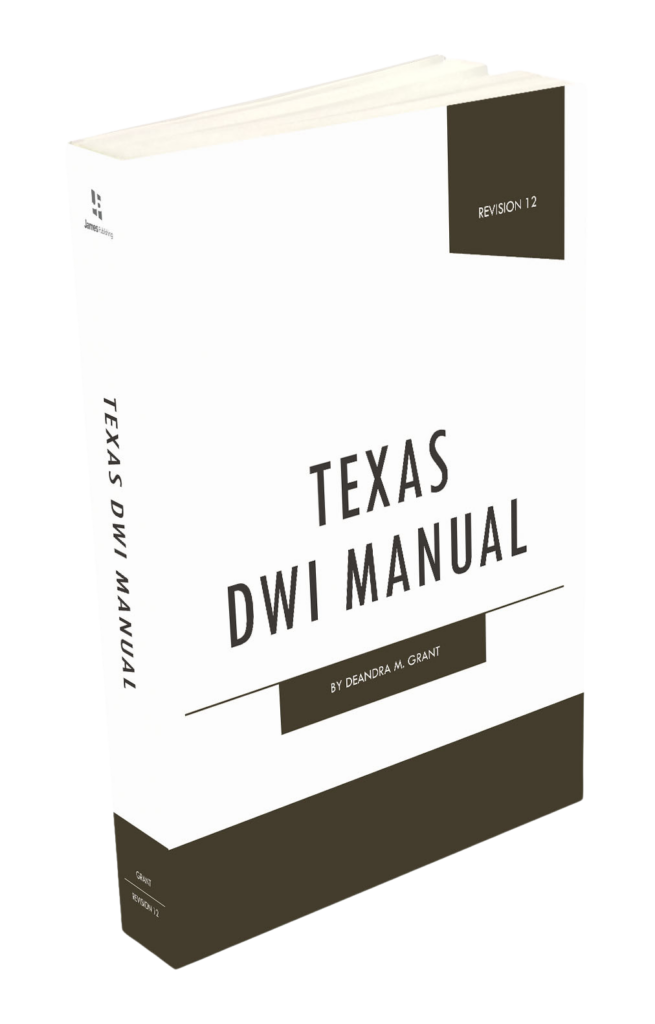
The standard tests were never validated for a moving deck or a dock right after a day on the water, where normal vestibular disruption mimics impairment. Deandra Grant is a trained SFST instructor who administers and grades the ACS-CHAL and DUIDLA certification exams, and she devotes a chapter of The Texas DWI Manual to BWI. That lets us show exactly where the officer’s evaluation broke down.
A water-safety inspection is one thing; a detention to investigate intoxication is another and needs reasonable suspicion. Under Texas Code of Criminal Procedure Article 38.23, evidence from a detention that exceeded its lawful scope is suppressible.
Managing Partner Deandra Grant holds a Master’s Degree in Pharmaceutical Science and the ACS-CHAL Forensic Lawyer-Scientist designation, and Partner Douglas Huff holds the same designation. BWI blood is analyzed like DWI blood, and we review the preservative, fermentation risk, chain of custody, and method. The rising BAC defense applies on the water just as it does on the road.
A game warden, a county marine deputy, and a Coast Guard officer follow different procedures and training. We match the officer’s actual certification and protocol against what the case requires.
A BWI is not a ticket. It carries the same jail exposure, fine, and license suspension as a road DWI, it counts as a prior for future cases, and on a third offense or with a child aboard it becomes a felony. A quick plea locks all of that in based on evidence gathered in conditions that often do not hold up.
The value of counsel here is the ability to attack the marine field tests, the scope of the stop, and the blood science together. A BWI is a forensic case with a setting the State would rather you not examine.
Most BWI cases run roughly 6 to 18 months from arrest to resolution, with contested blood cases longer. The case moves through arrest and bond, the ALR hearing within weeks, then discovery, the agency’s records, the blood analysis, and any suppression motions before a plea, dismissal, or trial.
Slower is often better. Pulling the records and litigating the stop and the field tests takes time, and that work is what produces dismissals and reductions. We keep you updated at each step.
The fee depends on the county and the lake, whether the case involves blood that needs independent review, the level of the charge, and whether it resolves before trial. We quote a flat fee after a free consultation, so you know the investment up front.
Weigh it against what a BWI conviction costs: jail exposure, the fine, a license suspension, higher insurance, and a prior that can enhance any future DWI or BWI.
A misdemeanor BWI is heard in the county courts at law of the county where the lake or river sits, and many North Texas reservoirs straddle county lines, which can affect where a case lands. Cases on Dallas-area waters often run through the Frank Crowley Courts Building, Tarrant-area waters through the Tim Curry Criminal Justice Center, and lakes in Collin, Denton, Rockwall, and McLennan Counties through their county courts. Felony BWI cases are heard in the district courts.
We appear in these courthouses every week. See our courthouse guides for what to expect at each one.
Your record. A BWI conviction is a permanent criminal record, a misdemeanor on the first two offenses and a felony on a third, and it cannot be expunged.
Future charges. A BWI counts as a prior for both DWI and BWI enhancement, so it raises the stakes on any later intoxication case on the water or the road.
License and insurance. The ALR suspension affects your driver’s license, and a conviction commonly raises insurance costs for years.
Professional licensing. As with a DWI, licensed professionals can face separate board consequences from a BWI conviction, independent of the criminal case.
Yes. BWI is prosecuted under the same penalty structure as DWI: a first is a Class B misdemeanor, a second a Class A, and a third a felony, with the same enhancements for high BAC, a child passenger, injury, or death.
For a water-safety inspection, yes, the law allows it without reasonable suspicion. But detaining you to investigate intoxication is different and must be supported by reasonable suspicion of a crime, which is a frequent point of challenge.
They were not validated for the water. The standard tests assume a stable, dry surface, and hours on a moving boat disrupt balance and eye movement on their own. That sea-legs effect can look like impairment when it is not.
It can. A BWI triggers the same ALR process as a road DWI, so failing or refusing the test can suspend your driver’s license unless you request a hearing within 15 days. Your boating privileges are handled separately.
Yes. A BWI conviction is a qualifying prior for DWI enhancement, so a BWI now can turn a future road DWI into a second or third offense with much higher penalties.
On navigable federal waterways the Coast Guard has concurrent jurisdiction and can stop, investigate, and arrest independently. Which agency acted affects the protocols that governed your case.
A BWI is a forensic case built in conditions that work against the State, the marine field tests, the scope of the stop, and the blood. Deandra Grant Law challenges each one, and literally wrote the BWI chapter in The Texas DWI Manual. We have offices in Dallas, Fort Worth, Allen, Denton, Rockwall, and Waco, with more than 30 years in North and Central Texas courts.
Call (214) 225-7117 for a free, confidential consultation. Available 24/7. No cost, no obligation.
Reviewed by Deandra Grant, Managing Partner, ACS-CHAL Forensic Lawyer-Scientist with an MS in Pharmaceutical Science and a Graduate Certificate in Forensic Toxicology.
Real results from boating while intoxicated cases our team has defended across Texas.
Boating while intoxicated charge dismissed
Prior results do not guarantee a similar outcome. Each case is unique.
Meet the attorneys who will personally handle your boating while intoxicated defense.





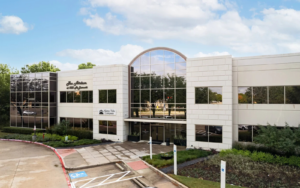
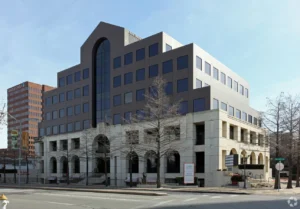
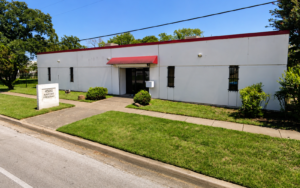
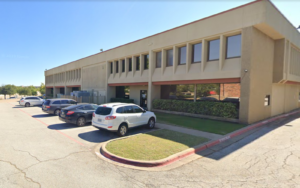
Find the Deandra Grant Law office nearest you for boating while intoxicated defense across Texas.

Courthouses where our attorneys represent clients facing this charge across Texas.
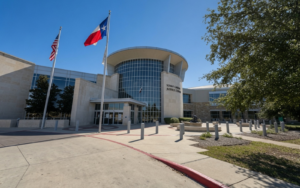
Everything you need to know about criminal court in Bell County, Texas: where cases are heard at the…
View Courthouse Info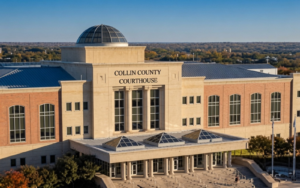
Everything you need to know about criminal court in Collin County, Texas: where cases are heard at the…
View Courthouse Info
Everything you need to know about criminal court in Cooke County, Texas: where cases are heard in Gainesville,…
View Courthouse Info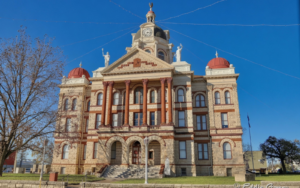
Everything you need to know about criminal court in Coryell County, Texas: where cases are heard in Gatesville,…
View Courthouse Info
Everything you need to know about criminal court in Dallas County, Texas: where cases are heard at the…
View Courthouse Info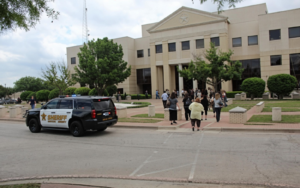
Everything you need to know about criminal court in Denton County, Texas: where cases are heard at the…
View Courthouse Info
Everything you need to know about criminal court in Ellis County, Texas: where cases are heard at the…
View Courthouse Info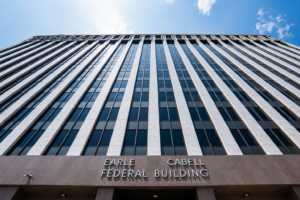
Deandra Grant Law defends federal criminal cases across all four federal districts in Texas, the District of Columbia,…
View Courthouse Info
Everything you need to know about criminal court in Grayson County, Texas: where cases are heard in Sherman,…
View Courthouse Info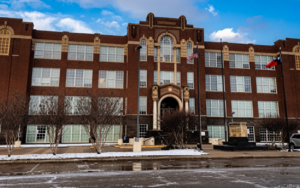
Everything you need to know about criminal court in Johnson County, Texas: where cases are heard at the…
View Courthouse Info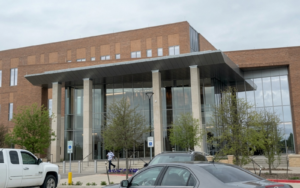
Everything you need to know about criminal court in Kaufman County, Texas: where cases are heard at the…
View Courthouse Info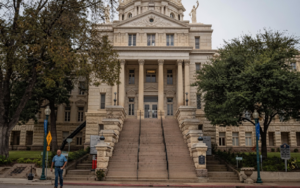
Everything you need to know about criminal court in McLennan County, Texas: where cases are heard at the…
View Courthouse Info
Everything you need to know about criminal court in Rockwall County, Texas: where cases are heard at the…
View Courthouse Info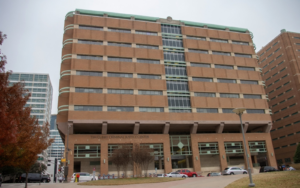
Everything you need to know about criminal court in Tarrant County, Texas: where cases are heard at the…
View Courthouse InfoFree books and guides on boating while intoxicated, explaining your rights and options.
Watch our attorneys explain boating while intoxicated and how we defend these cases.
Every case starts with a conversation. Reach out today and put an experienced, trial-tested team in your corner. We’re available 24/7 across all six Texas offices.
Tell us what happened. We’ll respond within one business hour.
Submitting this form does not create an attorney-client relationship. All communications are confidential.