


Overview
texasdwisite.com — Prepared March 2026
Texas does not have a standalone “carjacking” statute. When a person takes a motor vehicle from another by force or threat of force, Texas prosecutors charge the offense as robbery (§29.02) or aggravated robbery (§29.03) depending on the circumstances. If a weapon was used or the victim suffered serious bodily injury, the charge is aggravated robbery which is a first-degree felony punishable by 5 to 99 years or life in prison.
Despite the absence of a specific carjacking law, these cases are among the most aggressively prosecuted in Texas. They frequently involve multiple charges, such as aggravated robbery combined with evading arrest, unauthorized use of a motor vehicle, or assault. Federal prosecutors may also get involved under the federal carjacking statute, 18 U.S.C. §2119, if the vehicle was transported across state lines or other federal jurisdictions attach.
How Carjacking Is Charged in Texas
Robbery (§29.02) — Second-Degree Felony
If a person takes a vehicle from another by using or threatening force, without a weapon and without causing serious bodily injury, the charge is robbery. This is a second-degree felony punishable by 2 to 20 years in prison and up to a $10,000 fine.
Aggravated Robbery (§29.03) — First-Degree Felony
If the person uses or exhibits a deadly weapon, causes serious bodily injury, or the victim is elderly or disabled, the charge escalates to aggravated robbery: 5 to 99 years or life. Most carjacking cases are charged at this level because prosecutors argue that the vehicle itself may constitute a deadly weapon, or because a firearm or other weapon was displayed.
Federal Carjacking (18 U.S.C. §2119)
The federal carjacking statute applies when a person takes a motor vehicle from another person by force, violence, or intimidation. Federal penalties are severe: up to 15 years for the base offense, up to 25 years if serious bodily injury results, and up to life imprisonment (or death) if death results. Federal prosecution is more likely when the vehicle crosses state lines, when the carjacking occurs on federal property, or when it is part of a larger federal investigation.
Common Scenarios Leading to Carjacking Charges
- Approaching a driver at a gas station, parking lot, or drive-through and demanding the vehicle at gunpoint
- Pulling a driver from a vehicle at an intersection or stop sign
- Using force or threats to compel a rideshare driver to surrender their vehicle
- Stealing a running vehicle from a driveway while the owner is present and confronting the owner with force when discovered
- Multi-defendant “juvenile carjacking rings” that have received significant media attention in Dallas-Fort Worth and other Texas metros
Defense Strategies
- Identity Defense: Many carjacking cases depend on eyewitness identification made under extreme stress. We challenge lineup procedures, cross-racial identification, and the reliability of identifications made in dark, fast-moving, high-adrenaline situations
- Surveillance and Digital Evidence: Cell phone location data, GPS records, surveillance camera footage, and license plate readers can establish or refute presence at the scene. Douglas Huff’s Garrett Discovery digital forensics training is directly applicable
- Weapon Challenges: If the prosecution cannot prove a deadly weapon was used, the charge may be reducible from aggravated robbery to robbery — the difference between a first-degree and second-degree felony
- Coerced Confessions and Miranda Violations: Carjacking cases often involve high-pressure interrogations. We examine whether statements were voluntary and whether constitutional rights were respected
- Juvenile Defense Considerations: Given the recent trend of juvenile carjacking cases, some defendants may face certification hearings to be tried as adults. The defense strategy for juveniles differs fundamentally from adult cases
- Federal Defense: If the case is prosecuted under 18 U.S.C. §2119, Senior Federal Defense Attorney James Lee Bright handles all aspects of the federal defense, including navigating the United States Sentencing Guidelines
Why Choose Deandra Grant Law
- Master’s Degree in Pharmaceutical Science: Scientific expertise unmatched by any competitor
- ACS-CHAL Forensic Lawyer-Scientist: Deandra Grant and Douglas Huff
- Digital Forensics: Garrett Discovery training for cell phone, GPS, and electronic evidence
- Federal Defense: James Lee Bright for 18 U.S.C. §2119 federal carjacking charges
- 30+ Years, Super Lawyer Since 2011, Best Lawyers in America 2025, 17 Law Books
Contact Us
Carjacking charges in Texas carry the possibility of life in prison. If you or a loved one is facing robbery or aggravated robbery charges arising from the alleged taking of a vehicle, contact Deandra Grant Law immediately at (214) 225-7117 or visit texasdwisite.com.
Suggested URL: texasdwisite.com/texas-carjacking-defense-lawyers/
Nav placement: Under Robbery dropdown
Attorneys Who Handle This Charge
Meet the attorneys who will personally handle your carjacking defense.

Douglas E. Huff
Read Attorney Profile
Jada Fairley
Read Attorney Profile
Jason Bowes
Read Attorney Profile
Kevin Sheneberger
Read Attorney ProfileOffices Handling These Cases
Find the Deandra Grant Law office nearest you for carjacking defense across Texas.
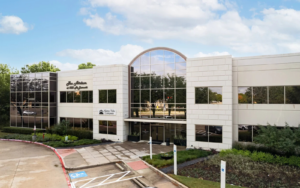
Allen
1333 W. McDermott Drive, Suite 180, Allen, TX 75013 Visit This Office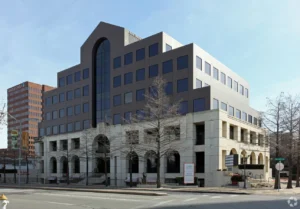
Dallas (HQ)
3300 Oak Lawn Avenue, Suite 700, Dallas, TX 75219 Visit This Office
Denton
1317 E. McKinney Street, Suite 101A, Denton, TX 76209 Visit This Office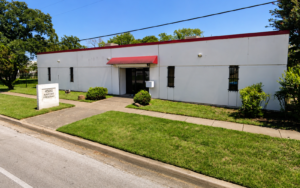
Fort Worth
4500 Airport Freeway, Suite 101, Fort Worth, TX 76117 Visit This Office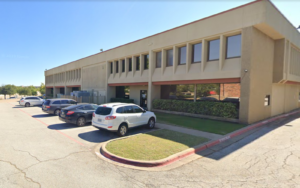
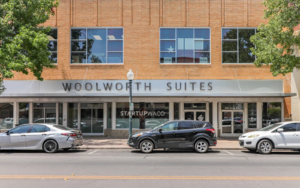
Waco
605 Austin Avenue, Suite 5, Waco, TX 76701 Visit This OfficeCourthouses We Appear In
Courthouses where our attorneys represent clients facing this charge across Texas.
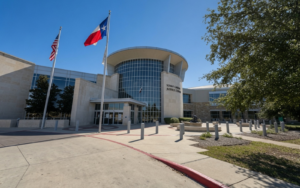
Bell County Courts
Everything you need to know about criminal court in Bell County, Texas: where cases are heard at the…
View Courthouse Info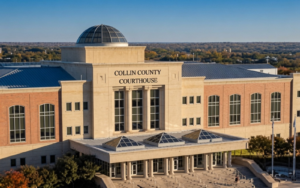
Collin County Courts
Everything you need to know about criminal court in Collin County, Texas: where cases are heard at the…
View Courthouse Info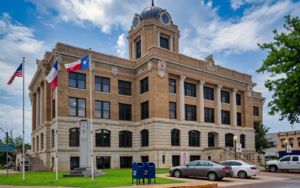
Cooke County Courts
Everything you need to know about criminal court in Cooke County, Texas: where cases are heard in Gainesville,…
View Courthouse Info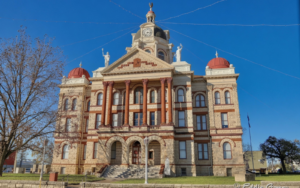
Coryell County Courts
Everything you need to know about criminal court in Coryell County, Texas: where cases are heard in Gatesville,…
View Courthouse Info
Dallas County Courts
Everything you need to know about criminal court in Dallas County, Texas: where cases are heard at the…
View Courthouse Info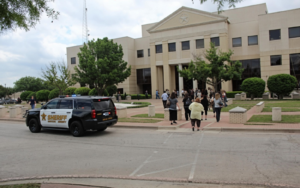
Denton County Courts
Everything you need to know about criminal court in Denton County, Texas: where cases are heard at the…
View Courthouse Info
Ellis County Courts
Everything you need to know about criminal court in Ellis County, Texas: where cases are heard at the…
View Courthouse Info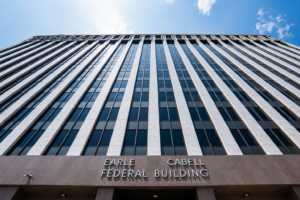
Federal Courts
Deandra Grant Law defends federal criminal cases across all four federal districts in Texas, the District of Columbia,…
View Courthouse Info
Grayson County Courts
Everything you need to know about criminal court in Grayson County, Texas: where cases are heard in Sherman,…
View Courthouse Info
Johnson County Courthouse
Everything you need to know about criminal court in Johnson County, Texas: where cases are heard at the…
View Courthouse Info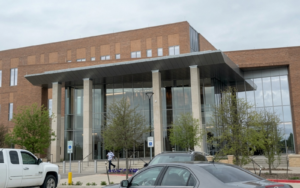
Kaufman County Courts
Everything you need to know about criminal court in Kaufman County, Texas: where cases are heard at the…
View Courthouse Info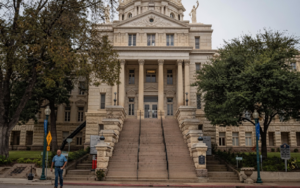
McLennan County Courts
Everything you need to know about criminal court in McLennan County, Texas: where cases are heard at the…
View Courthouse Info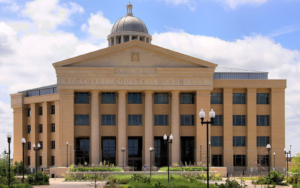
Rockwall County Courts
Everything you need to know about criminal court in Rockwall County, Texas: where cases are heard at the…
View Courthouse Info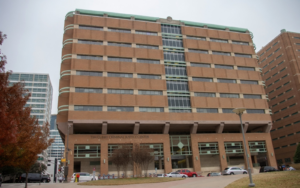
Tarrant County Courts
Everything you need to know about criminal court in Tarrant County, Texas: where cases are heard at the…
View Courthouse Info