dismissed
DUI
DUI charge dismissed

Deandra Grant Law - Criminal & DWI Defense defends drivers accused of operating a vehicle while impaired by drugs

A DWI charge where the intoxicant is alleged to be a drug is often referred to as DUID though the crime is still DWI. A DUID charge in Texas does not require a breath test result or a blood alcohol concentration above any threshold. It requires proof that a substance (a drug, a controlled substance, a prescription medication, or any other substance) caused the driver to lose the normal use of their mental or physical faculties. The prosecution builds that case through officer observations, field sobriety test performance, Drug Recognition Expert evaluations, and chemical testing of blood or other specimens.
Every one of those elements can be challenged. What makes DUID defense different from alcohol DWI defense is that the challenge requires understanding not just DWI law and field sobriety science, but the pharmacokinetics of the specific substance at issue: how it is absorbed, distributed, metabolized, and eliminated, how the concentration in the blood relates to the concentration at the receptor sites that produce impairment; and why a positive test result does not automatically mean impairment at the time of driving.
Managing Partner Deandra Grant holds a Master’s Degree in Pharmaceutical Science. In a DUID case, that credential is not background. It is the scientific foundation from which every challenge to the prosecution’s evidence is built.
Texas does not have a separate DUID statute. Driving under the influence of drugs is prosecuted under Texas Penal Code §49.04, the same DWI statute that covers alcohol. The relevant definition is the loss-of-normal-use prong of §49.01: a person is intoxicated if, by reason of the introduction of a substance (a controlled substance, a drug, a dangerous drug, or any other substance into the body) they do not have the normal use of mental or physical faculties.
There is no per se concentration limit for most drugs. Unlike alcohol, where a BAC of 0.08 creates a legal presumption of intoxication, Texas law does not set a per se impairment threshold for most controlled substances. The prosecution must prove actual impairment (that the substance caused loss of normal use) not merely that the substance was present in the defendant’s system. Presence and impairment are not the same thing, and this distinction is the foundation of many DUID defenses.
Prescription medications are not a complete defense, but they are relevant. Having a valid prescription for a medication does not create an absolute defense to a DUID charge. A person can be charged with DWI based on the effects of a legally prescribed medication if those effects impaired their driving. However, the existence of a valid prescription is relevant to the defense, both to explain the presence of the drug in the blood and to support an argument that the defendant was taking the medication as directed, had not exceeded therapeutic levels and the medication was not causing impairment.
When an officer suspects drug impairment rather than alcohol impairment, a Drug Recognition Expert (DRE) is often called to the scene or the station to conduct a Drug Influence Evaluation (DIE). The DRE protocol is a 12-step process developed by the Los Angeles Police Department and adopted by NHTSA, designed to help officers identify which category of drug may be causing impairment.
The 12 steps include a breath alcohol test, an interview of the arresting officer, preliminary examination and first pulse, eye examinations (HGN, vertical gaze nystagmus, lack of convergence), divided attention tests, vital signs examination (pulse, blood pressure, body temperature), darkroom examinations of pupil size, examination for muscle tone, injection sites and pulse, statements and interrogation, and the DRE’s toxicological opinion.
The DRE protocol produces a category opinion, not a confirmation. At the conclusion of the evaluation, the DRE renders an opinion about which of seven drug categories (central nervous system depressants, CNS stimulants, hallucinogens, dissociative anesthetics, narcotic analgesics, inhalants, or cannabis) may be responsible for the observed impairment. This is an opinion, not a scientific measurement. It is not confirmed until toxicological testing of blood or urine shows the presence of a substance consistent with the DRE’s category opinion.
Validation research limitations. The DRE protocol has been the subject of ongoing criticism regarding the quality of the validation research supporting its accuracy claims. Studies conducted under controlled conditions (where the category of drug administered was known in advance) have shown accuracy rates that appear favorable. Field validity studies, where the DRE is working without prior knowledge of what substance is involved, have produced more variable results. Courts in Texas have recognized the DRE protocol as generally admissible, but the weight of the evidence and the specific officer’s qualifications and application of the protocol remain subject to challenge.
Pupillometry. A central feature of the DRE evaluation is the measurement of pupil size under three lighting conditions. Pupil dilation and constriction are associated with different drug categories (ex. stimulants and hallucinogens typically cause dilation; narcotic analgesics cause constriction; cannabis can cause dilation depending on the stage of impairment). These measurements require a trained eye, calibrated measurement tools, and proper lighting conditions. Officers who estimate rather than measure pupil size, or who conduct the examination under inconsistent lighting, produce observations that the defense can challenge.
The pharmacokinetic profile of a drug (i.e. how it moves through the body after ingestion) determines the relationship between the concentration measured in a blood test and the actual impairment experienced by the driver. For alcohol, this relationship is relatively direct and well-established: blood alcohol concentration correlates reasonably well with impairment at the population level, which is why a per se limit is scientifically defensible.
For most other substances, this relationship is far more complex.
THC is lipophilic which means it binds to fat tissue and is distributed out of the bloodstream rapidly after consumption. Blood THC concentrations peak and then decline within hours of use. However, THC is released back into the bloodstream from fat stores during exercise, caloric restriction, and other lipolytic activity, meaning that a person who has not recently consumed cannabis can show elevated blood THC concentrations from redistribution rather than from recent use. This THC redistribution phenomenon is documented in peer-reviewed literature and is directly relevant to DUID cases involving cannabis. A blood THC concentration does not reliably indicate when the drug was consumed or whether the driver was impaired at the time of the stop.
Benzodiazepines (Xanax (alprazolam), Valium (diazepam), Ativan (lorazepam), Klonopin (clonazepam)) are frequently involved in DUID cases because they are widely prescribed and because tolerance develops with regular use. A person who has taken a benzodiazepine at a therapeutic dose for months or years may have measurable blood concentrations of the drug and its metabolites without experiencing meaningful impairment, because their nervous system has adapted to the drug’s effects at therapeutic levels. The presence of a benzodiazepine in the blood does not establish impairment. The concentration, the metabolite profile, the duration and regularity of use, and the individual’s established tolerance level all bear on whether impairment at the time of driving can be proven.
Amphetamines and methamphetamine are CNS stimulants. Stimulant impairment manifests differently from depressant impairment: elevated heart rate, elevated blood pressure, pupil dilation, increased psychomotor activity, and, at higher concentrations, impaired judgment and increased risk-taking. Field sobriety tests validated for alcohol impairment may not accurately detect stimulant impairment in the same way, and an officer who interprets stimulant effects as alcohol impairment may be drawing the wrong conclusion from the observations.
Narcotic analgesics (opioids including hydrocodone, oxycodone, fentanyl, tramadol, and methadone) cause CNS depression, miosis (pupil constriction), and slowed reaction time at higher concentrations. Like benzodiazepines, tolerance develops with chronic use. The presence of an opioid in blood, even at a concentration that might impair an opioid-naive person, may not indicate impairment in a person who has been taking the medication at a stable dose under medical supervision for an extended period.
Drug testing in DUID cases typically begins with an immunoassay screening test which is a rapid test that detects the presence of drug classes by identifying antibody-antigen reactions. Immunoassay screens are sensitive but not specific: they can produce false positives from cross-reactive compounds, meaning a positive screen result does not identify a specific drug or a specific concentration.
Confirmatory testing is performed by gas chromatography-mass spectrometry (GC-MS) or liquid chromatography-tandem mass spectrometry (LC-MS/MS). These methods are specific and quantitative, identifying the exact compound and concentration. A DUID prosecution that proceeds on the basis of a positive immunoassay screen without GC-MS or LC-MS/MS confirmation is proceeding without confirmation of what substance is actually present.
The chain of custody applies with equal force in drug cases. The blood collection protocol, storage conditions, preservative adequacy, and documentation requirements are the same in drug cases as in alcohol cases. A blood sample that was not properly preserved, or whose chain of custody contains gaps, raises the same questions about sample integrity as it does in a blood alcohol case.
Most DWI defense attorneys approach DUID cases from the legal side: challenging whether the DRE protocol was properly administered, whether the chain of custody is intact, whether the immunoassay results were confirmed. Those are valid challenges. But they are incomplete without the ability to evaluate the pharmacokinetic and toxicological evidence the prosecution is relying on at the level of the underlying science.
Deandra Grant’s Master’s Degree in Pharmaceutical Science encompasses pharmacokinetics, pharmacodynamics, drug metabolism, and toxicology which are the precise disciplines required to evaluate whether a blood drug concentration supports a finding of impairment at the time of driving, whether tolerance affects the analysis, whether redistribution may explain a positive result in a person who had not recently consumed the drug, and whether the laboratory’s methodology accurately measures what the prosecution claims it measures.
In a DUID case involving cannabis, a prescription opioid, a benzodiazepine, or any other substance, that scientific depth is not a marketing claim. It is the difference between a legal argument and a scientific rebuttal.
Call (214) 225-7117 to speak with Deandra Grant Law about your DUID charge and the evidence in your case.
Real results from DUID cases our team has defended across Texas.
DUI charge dismissed
DUI charge dismissed
Prior results do not guarantee a similar outcome. Each case is unique.
Meet the attorneys who will personally handle your DUID defense.





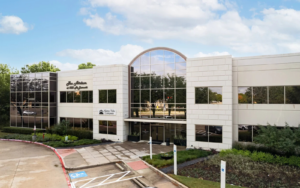
Find the Deandra Grant Law office nearest you for DUID defense across Texas.



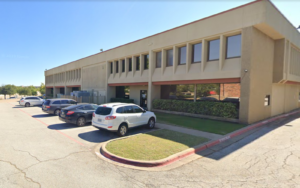


Everything you need to know about criminal court in Bell County, Texas: where cases are heard at the…
View Courthouse Info
Everything you need to know about criminal court in Collin County, Texas: where cases are heard at the…
View Courthouse Info
Everything you need to know about criminal court in Cooke County, Texas: where cases are heard in Gainesville,…
View Courthouse Info
Everything you need to know about criminal court in Coryell County, Texas: where cases are heard in Gatesville,…
View Courthouse Info
Everything you need to know about criminal court in Dallas County, Texas: where cases are heard at the…
View Courthouse Info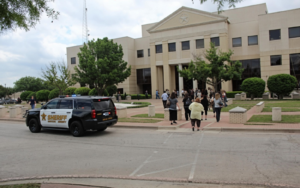
Everything you need to know about criminal court in Denton County, Texas: where cases are heard at the…
View Courthouse Info
Everything you need to know about criminal court in Ellis County, Texas: where cases are heard at the…
View Courthouse Info
Deandra Grant Law defends federal criminal cases across all four federal districts in Texas, the District of Columbia,…
View Courthouse Info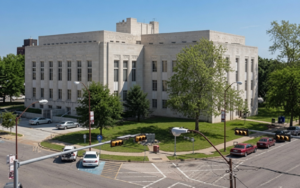
Everything you need to know about criminal court in Grayson County, Texas: where cases are heard in Sherman,…
View Courthouse Info
Everything you need to know about criminal court in Johnson County, Texas: where cases are heard at the…
View Courthouse Info
Everything you need to know about criminal court in Kaufman County, Texas: where cases are heard at the…
View Courthouse Info
Everything you need to know about criminal court in McLennan County, Texas: where cases are heard at the…
View Courthouse Info
Everything you need to know about criminal court in Rockwall County, Texas: where cases are heard at the…
View Courthouse Info
Everything you need to know about criminal court in Tarrant County, Texas: where cases are heard at the…
View Courthouse InfoEvery case starts with a conversation. Reach out today and put an experienced, trial-tested team in your corner. We’re available 24/7 across all six Texas offices.
Tell us what happened. We’ll respond within one business hour.
Submitting this form does not create an attorney-client relationship. All communications are confidential.