Deandra Grant to Present on Auto-Brewery Syndrome at the 2026 IAFTC Annual Conference
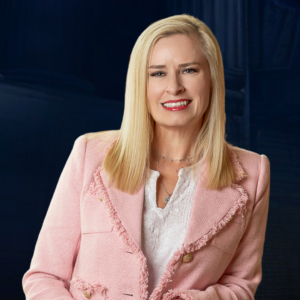
We are proud to announce that Deandra Grant, Managing Partner of Deandra Grant Law, will present on Auto-Brewery Syndrome at the International Association of Forensic Toxicology Consultants (IAFTC) Annual Conference on Friday, May 29, 2026, from 8:00 a.m. to 3:20 p.m. Eastern.
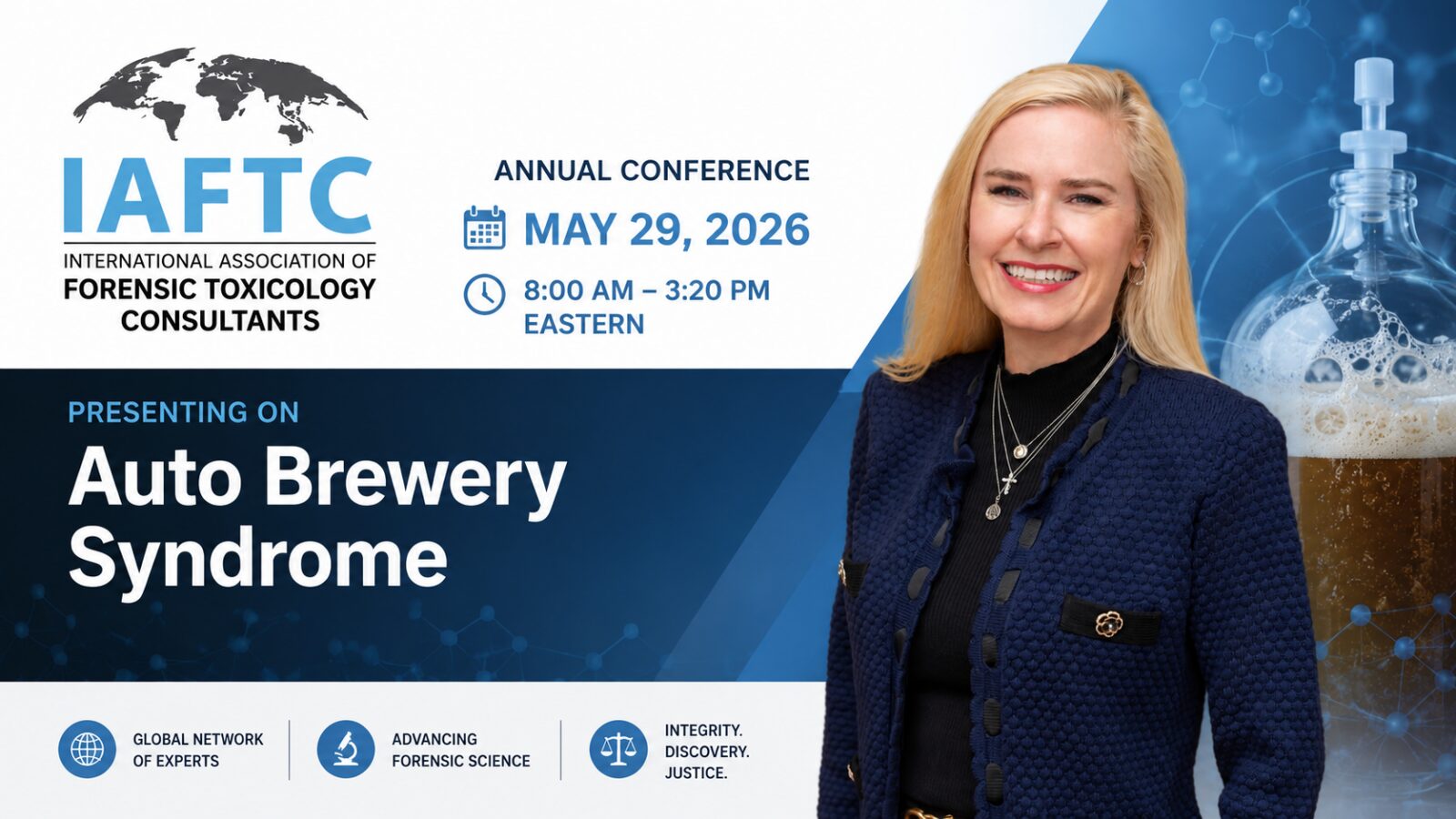
The IAFTC brings together a global network of forensic toxicology experts, and this year’s program reflects the organization’s mission of advancing forensic science with integrity. Deandra is honored to share the stage with leading scientists and consultants to address a condition that sits squarely at the intersection of microbiology, analytical chemistry, and the law.
A Forensic Puzzle Hiding in the Gut
Auto-Brewery Syndrome (ABS), also called gut fermentation syndrome, is a rare and frequently underdiagnosed condition in which microbes in the digestive tract ferment dietary carbohydrates into ethanol producing a measurable blood alcohol concentration in someone who has never taken a drink. For forensic toxicologists, ABS is far more than a medical curiosity. It challenges one of the most basic assumptions in any impaired-driving or intoxication case: that a positive alcohol result reflects something the person drank.
When the gut itself can manufacture ethanol, every link in the analytical chain deserves a closer look.
What the Presentation Covers
Deandra’s session brings the science fully up to date. A landmark study published in Nature Microbiology in January 2026 (Hsu et al.) moved ABS out of the realm of isolated case reports and into controlled, molecular-level evidence. Studying a cohort of patients alongside unaffected household members, the researchers identified an enrichment of Proteobacteria (including Escherichia coli and Klebsiella pneumoniae) and pinpointed the specific fermentation pathways responsible for endogenous ethanol production. One patient treated with fecal microbiota transplantation experienced lasting symptom relief, and a Phase I clinical trial is now underway.
From there, the presentation turns to what matters most for this audience: the forensic implications. Deandra will walk through how to distinguish true, in-vivo ABS from in-vitro fermentation in a poorly preserved specimen, the volatile byproducts that can flag fermentation on headspace GC-FID, the behavior of alcohol biomarkers such as EtG, EtS, PEth, and FAEEs, and where ABS fits along the blood alcohol continuum including why cognitive and behavioral effects begin well below the legal limit.
Science Meets the Courtroom
Few defense attorneys are equipped to engage this material at the bench level. Deandra holds a Master’s Degree in Pharmaceutical Science and a Graduate Certificate in Forensic Toxicology from the University of Florida and earned the prestigious ACS-CHAL Forensic Lawyer-Scientist designation. She is the author of 17 published law books including The Texas DWI Manual, now in its 13th edition, and serves as Executive Director of the DUI Defense Lawyers Association.
Learn More
To learn more about Auto-Brewery Syndrome and how endogenous ethanol can affect blood and breath alcohol results, read our more detailed Auto-Brewery blog or contact Deandra Grant Law at (214) 225-7117. We look forward to seeing our colleagues at the IAFTC Annual Conference on May 29.
Which county your case is filed in changes how it is charged, who prosecutes it, and which court hears it.
Deandra M. Grant, JD, GC, MS, ACS-CHAL Forensic Lawyer-Scientist
She holds a Master of Science in Pharmaceutical Science and a Graduate Certificate in Forensic Toxicology, both from the University of Florida. She is the author of The Texas DWI Manual and has defended Texas DWI cases since 1994.
Charged With a Crime?
Whatever you're facing, a DWI or any criminal charge, the sooner you have a forensic-trained team on it the more we can do. Tell us what happened and we'll review your options, at no cost and no obligation. Intake answers 24/7, and if your case is one we can take on, we schedule a free consultation with an attorney.
Request a Free Case Evaluation
Tell us what happened. We'll respond as soon as possible.