
Home »

Do You Need Legal Help?

"Deandra Grant Law fights hard for their clients and is always willing to go above and beyond. They are the best firm for DWI cases in DFW and beyond. Definitely hire them to represent you in any pending cases."
- P. Williams
"Deandra Grant made a tough situation so much better. She listened to my concerns and helped me so much with my case. I would recommend her to anyone needing legal services."
- M. Haley
"Deandra Grant Law handled my case with diligence and professionalism. Deandra Grant's reputation is stellar and now I know why. She has a team of individuals who provide quality service."
- N. Coulter
As Seen On






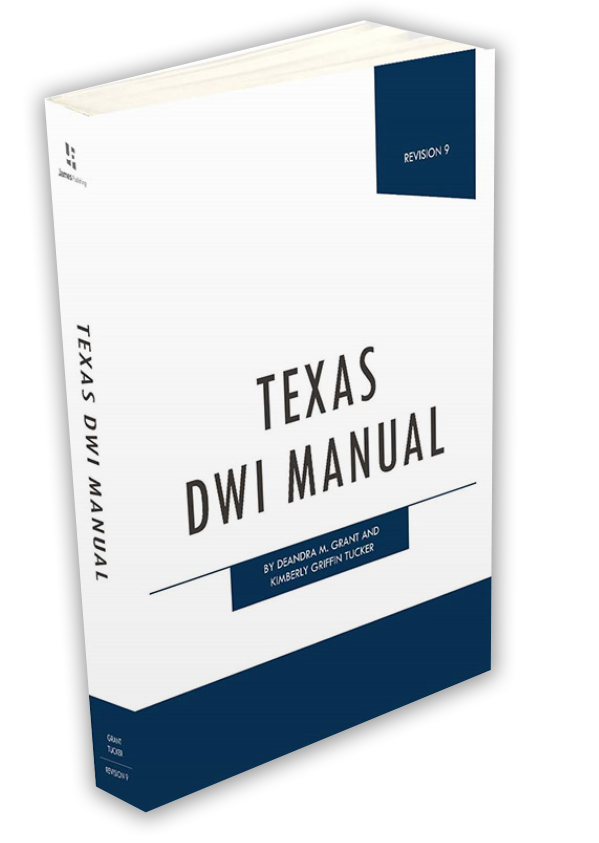
Texas DWI Manual
By Attorney Deandra Grant
Fighting DWI charges can present many challenges, not only for the defense, but prosecutors as well. This is why it is important to be armed with the necessary knowledge so you understand the DWI process.
Attorney Deandra M. Grant is the co-author of the Texas DWI Manual, offering legal advice to both clients and fellow attorneys.
Learn MoreDenton DUID Lawyers
Driving Under the Influence of Drugs Defense
If you are reading this, chances are you or someone you care about is facing the uncertainty of a driving under the influence of drugs (DUID) charge in Denton, TX. At Deandra Grant Law – Criminal & DWI Defense, our Denton DUID lawyers understand the weight of this situation and are here to offer our support and legal expertise.
Understanding Driving Under the Influence of Drugs Charges in Denton, TX
A driving under the influence of drugs charge in Denton, TX is a serious offense that involves driving while under the influence of drugs or any substance that impairs your ability to operate a vehicle safely. It is important to note that driving under the influence of drugs charges are not limited to illegal drugs but can also include prescription medications if they are taken without a valid prescription or if they cause impairment.
In Texas, the consequences of a driving under the influence of drugs conviction can be severe, and the penalties vary based on the circumstances of the case and any prior convictions. The charges can result in fines, license suspension, mandatory drug education programs, probation, and even jail time. Having a driving under the influence of drugs conviction on your record can also have long-term effects on your personal and professional life.
Texas Driving Under the Influence of Drugs Information
You can be arrested and charged for DWI if your driving has been impaired by any of the following:
- Prescription drugs—such as Xanax, Valium, Vicodin, Ambien, Soma, and Alprazolam—whether you have a valid prescription from a doctor or not
- Illegal drugs, such as marijuana, cocaine, heroin, LSD, methamphetamine, or others
- Over-the-counter drugs, such as cold medicines, allergy medicines, sleep aids, and cough medicines
- Any substance that causes dizziness, drowsiness, sleepiness, or impairs your motor skills, judgment, or reaction time may bring on a DWI arrest
You could be facing potential jail time, hefty fines, probation, the loss of your license, other court-ordered sanctions and programs, and a permanent criminal record upon conviction. State prosecutors pursue driving under the influence of drugs charges aggressively in their goal of serving the public interest. That is why you need the skills and services of the team at Deandra Grant Law – Criminal & DWI Defense who can combat your charges with an aggressive and skilled defense.
Deandra Grant Law – Criminal & DWI Defense Helps Residents across Texas with DWI Defense – Including: Allen, Austin, Arlington, Belton, Cleburne, Collin County, Dallas, Denton, Fairview, Fort Worth, Frisco, Gainesville, Granbury, Hood County, Johnson County, Lewisville, Little Elm, McKinney, Park Cities, Parker County, Plano, Princeton, Richardson, Rockwall, Rowlett, Royse City, Southlake, Sunnyvale, The Colony, Waco, and Weatherford.
Why You Need Our Skilled Denton DUID Lawyers
When facing a driving under the influence of drugs charge, the stakes are high, and you need a skilled and experienced Denton DUID lawyer on your side. Here’s why:
- Knowledge of Complex Laws: Navigating the legal system can be complex, especially when it comes to driving under the influence of drugs cases. A skilled DUID lawyer is well-versed in the specific laws and regulations surrounding drug-related driving offenses in Denton, TX. They understand the nuances of the legal process and can identify potential defenses and loopholes that can work in your favor.
- Protecting Your Rights: Your rights are of utmost importance, and a qualified DUID lawyer will ensure they are protected throughout the legal proceedings. They will scrutinize every aspect of your case to ensure that law enforcement followed proper procedures during your arrest and that your constitutional rights were upheld.
- Building a Strong Defense: A dedicated Denton DUID lawyer will work tirelessly to build a strong defense on your behalf. They will gather evidence, interview witnesses, analyze toxicology reports, and explore every possible avenue to challenge the prosecution’s case. Their goal is to secure a positive outcome for you, which may include having the charges reduced, dismissed, or seeking alternative sentencing options.
- Mitigating Consequences: Even in cases where a conviction seems likely, a skilled DUID lawyer can negotiate with prosecutors for more favorable plea deals or sentencing options that minimize the impact on your life. They will advocate for your rights and fight to protect your future.
Our Promise to You
At Deandra Grant Law – Criminal & DWI Defense, we are committed to helping you pursue positive results after a driving under the influence of drugs arrest. Our experienced Denton DUID lawyers have a deep understanding of the law and are dedicated to providing you with a strong defense. We recognize the worry and anxiety you may be experiencing and approach each case with empathy and determination.
Choosing the Right Defense Team: Denton DUID Lawyers
If you find yourself facing the overwhelming prospect of a driving under the influence of drugs charge in Denton, TX, selecting the right legal team to defend you is critical. At Deandra Grant Law – Criminal & DWI Defense, our team of experienced Denton DUID Lawyers is here to provide you with the support and advocacy you need during this challenging time.
Why Experience Matters
When it comes to driving under the influence of drugs charges, experience matters. Our team of Denton DUID Lawyers has a proven track record of successfully defending clients facing similar charges. With years of experience in DWI defense, we have gained valuable insights into the complexities of drug-related driving offenses in Denton, TX.
Free Consultations: Your First Step Towards a Strong Defense
At Deandra Grant Law – Criminal & DWI Defense, we believe that everyone deserves the opportunity to seek legal counsel without financial burden. That’s why we offer free consultations to individuals who have been arrested for driving under the influence of drugs. This initial meeting is a chance for us to understand your case, assess the details, and discuss potential defense strategies. It’s an opportunity for you to ask questions, gain clarity, and determine if we are the right fit for your needs.
Understanding the Consequences
Driving under the influence of drugs convictions can carry serious consequences that can significantly impact your life. These may include hefty fines, imprisonment, a permanent criminal record, and a suspended driver’s license. Navigating the legal system on your own can be overwhelming and may lead to detrimental outcomes. Our experienced Denton DUID Lawyers will work tirelessly to protect your rights and help you achieve the best possible result.
Guidance Through Complicated Proceedings
The legal process following a driving under the influence of drugs arrest can be complex and confusing. Our dedicated team at Deandra Grant Law – Criminal & DWI Defense will guide you through every step of the court and administrative proceedings. We will carefully analyze the evidence, challenge any weaknesses in the prosecution’s case, and craft a robust defense tailored to your unique circumstances.
Your Best Chance for a Successful Outcome
When your future and freedom are on the line, entrust your case to experienced DUID Lawyers who will fight for your rights. At Deandra Grant Law – Criminal & DWI Defense, we are committed to pursuing a positive outcome for you. Whether it involves seeking a reduction in charges, negotiating alternative sentencing, or taking your case to trial, our priority is your success.
Related Blogs
Avoiding Common Mistakes After a Driving Under the Influence of Drugs Arrest: Guidance from Denton DUID Lawyers
Being arrested for driving under the influence of drugs can be a frightening experience, but taking the right steps following the arrest is crucial to protecting your rights and building a strong defense. At Deandra Grant Law – Criminal & DWI Defense, our experienced Denton DUID Lawyers are here to help you avoid common pitfalls and navigate the legal process with confidence.
Speaking to Law Enforcement Without Legal Representation
After a driving under the influence of drugs arrest, law enforcement may try to gather evidence by asking you questions. It’s essential to remember that you have the right to remain silent and consult with a lawyer before answering any inquiries. Speaking without legal representation could inadvertently harm your case. Contact our Denton DUID Lawyers as soon as possible to ensure that your rights are protected from the start.
Failing to Preserve Evidence
Preserving evidence can be crucial to your defense in a driving under the influence of drugs case. This includes any potential video footage, witness statements, or documents related to your arrest. Our skilled Denton DUID Lawyers will immediately launch an investigation to gather and preserve relevant evidence to build a strong defense on your behalf.
Not Understanding the Full Extent of Consequences
A driving under the influence of drugs conviction can lead to serious repercussions, such as hefty fines, probation, license suspension, and even jail time. It’s essential to understand the potential consequences of your charges and make informed decisions regarding your defense. Our knowledgeable Denton DUID Lawyers will explain the implications of your case, empowering you to make well-informed choices.
Delaying Legal Action
Time is of the essence in driving under the influence of drugs cases. Delaying legal action could result in missed opportunities to build a robust defense. It’s essential to act promptly and contact our Denton DUID Lawyers right away to start working on your case. Early intervention can significantly impact the outcome of your charges.
Representing Yourself in Court
Navigating the legal system without proper legal representation can be overwhelming and risky. Driving under the influence of drugs cases involve complex laws and procedures that require the expertise of experienced Denton DUID Lawyers. At Deandra Grant Law – Criminal & DWI Defense, we will provide you with a skilled defense, advocating for your rights and tirelessly fighting for the best possible result in court.
Frequently Asked Questions about Driving Under the Influence of Drugs Charges in Denton, TX
Facing driving under the influence of drugs charges can be a confusing and overwhelming experience. At Deandra Grant Law – Criminal & DWI Defense, we are here to provide you with the information and guidance you need to make informed decisions about your case. Here are some common questions we receive from individuals who have been recently arrested for driving under the influence of drugs in Denton, TX:
What are the penalties for a driving under the influence of drugs conviction in Denton, TX?
The penalties for a driving under the influence of drugs conviction can vary depending on factors such as previous criminal history, the amount of drugs involved, and other circumstances. Generally, driving under the influence of drugs convictions can lead to fines, probation, mandatory drug education programs, license suspension, and even jail time. Our experienced Denton DUID Lawyers will assess your case and help you understand the potential consequences you may face.
Can I refuse a blood or urine test during a driving under the influence of drugs arrest?
Texas has an implied consent law, which means that if you are lawfully arrested for driving under the influence of drugs, you are deemed to have consented to a chemical test to determine your drug intoxication levels. Refusing to take the test may result in an automatic license suspension. However, our Denton DUID Lawyers can review the specifics of your arrest to determine the right course of action.
What defenses can be used against driving under the influence of drugs charges?
There are various defenses that can be used in driving under the influence of drugs cases, including challenging the validity of the traffic stop, the accuracy of drug tests, or the legality of the search and seizure. Our skilled Denton DUID Lawyers will thoroughly investigate your case to identify any potential defenses that can be used to fight the charges.
Will a driving under the influence of drugs conviction stay on my criminal record permanently?
Yes, a driving under the influence of drugs conviction will become a permanent part of your criminal record. This can have long-term consequences, including potential challenges in employment, housing, and other areas of your life. It’s crucial to seek skilled legal representation to avoid or minimize the impact of a conviction.
Should I plead guilty to driving under the influence of drugs charges if the evidence against me seems strong?
Pleading guilty without consulting an attorney can be a serious mistake. Strong evidence does not necessarily mean a guaranteed conviction, as there may still be legal options and defenses to explore. Our experienced Denton DUID Lawyers will carefully analyze the evidence and advise you on the right course of action to achieve the most favorable outcome.
How can a lawyer help me with my driving under the influence of drugs case?
An experienced DUID Lawyer can be your advocate and guide throughout the legal process. They will investigate your case, gather evidence, challenge the prosecution’s evidence, negotiate with the prosecution, and represent you in court if necessary. At Deandra Grant Law – Criminal & DWI Defense, our Denton DUID Lawyers will work tirelessly to build a strong defense and protect your rights.
DUID Defense Client Story
This client story is for educational purposes only.
In the heart of Denton, Texas, there lived a woman named Marilyn, whose world was turned upside down one fateful evening. As she drove home from work, red and blue lights suddenly flashed in her rearview mirror. Panic gripped her heart as she realized she was being pulled over for suspicion of driving under the influence of drugs.
Fear and uncertainty clouded Marilyn’s mind as she was taken into custody. She knew that the consequences of a driving under the influence of drugs charge could be severe, impacting her job, her reputation, and her future. Feeling overwhelmed and alone, she knew she needed someone who could guide her through the legal labyrinth and fight for her rights.
Enter Douglas Huff, a seasoned attorney from Deandra Grant Law – Criminal & DWI Defense. As Marilyn sat across from him in his office, she felt an immediate sense of relief. His warm and empathetic demeanor put her at ease, and she knew she had found someone she could trust.
Douglas listened attentively as Marilyn shared her side of the story, leaving no stone unturned. He assured her that he would leave no effort spared in fighting for her innocence. With his years of experience in driving under the influence of drugs defense, he knew exactly how to navigate the complexities of the legal system.
Throughout the process, Douglas fought tirelessly for Marilyn’s rights, challenging the evidence against her and advocating for a fair trial. He meticulously examined the police reports, the breathalyzer results, and any other evidence that could be crucial to her case.
As the trial approached, Marilyn’s nerves were on edge. She wondered if the jury would understand her side of the story, if they would see the truth she knew in her heart. But Douglas stood by her side, providing unwavering support and encouragement.
The day of the trial arrived, and Douglas confidently presented Marilyn’s case before the court. His eloquence and dedication were evident as he passionately argued for her innocence. The courtroom was tense, and Marilyn held her breath, praying for justice.
After what felt like an eternity, the verdict was in. Not guilty. The words echoed through the courtroom, lifting a weight off Marilyn’s shoulders she didn’t realize she had been carrying. Tears of relief and gratitude filled her eyes as she hugged Douglas, knowing that he had changed the course of her life.
Contact Our Denton DUID Lawyers at Deandra Grant Law – Criminal & DWI Defense
If you or a loved one have recently been arrested for driving under the influence of drugs in Denton, TX, you don’t have to face the legal challenges alone. At Deandra Grant Law – Criminal & DWI Defense, our team of experienced Denton DUID Lawyers are here to help you every step of the way.
We understand the fear and uncertainty that comes with a driving under the influence of drugs charge, and we want to assure you that you have a dedicated advocate in your corner. Our firm offers free consultations, where we’ll take the time to listen to your story, understand the details of your case, and provide you with an honest assessment of your options.
With our extensive knowledge and experience in driving under the influence of drugs defense, we will work tirelessly to achieve a positive outcome for your case. We’ll meticulously examine the evidence, challenge any flaws in the prosecution’s case, and fight to protect your rights and your future.
You don’t have to navigate the legal system alone. Let Deandra Grant Law – Criminal & DWI Defense be your guide and your advocate as you face this challenging time. Contact us today for your free consultation and let us help you take the first steps towards a brighter future.
Client Reviews

“Deandra Grant Law – Criminal & DWI Defense handled my case with diligence and professionalism. Deandra Grant’s reputation is stellar and now I know why. She has a team of individuals who provide quality service.”
N. Coulter


(214) 225-7117
Experienced DWI Defense