
Home »


Do You Need Legal Help?

"Deandra Grant Law fights hard for their clients and is always willing to go above and beyond. They are the best firm for DWI cases in DFW and beyond. Definitely hire them to represent you in any pending cases."
- P. Williams
"Deandra Grant made a tough situation so much better. She listened to my concerns and helped me so much with my case. I would recommend her to anyone needing legal services."
- M. Haley
"Deandra Grant Law handled my case with diligence and professionalism. Deandra Grant's reputation is stellar and now I know why. She has a team of individuals who provide quality service."
- N. Coulter
As Seen On






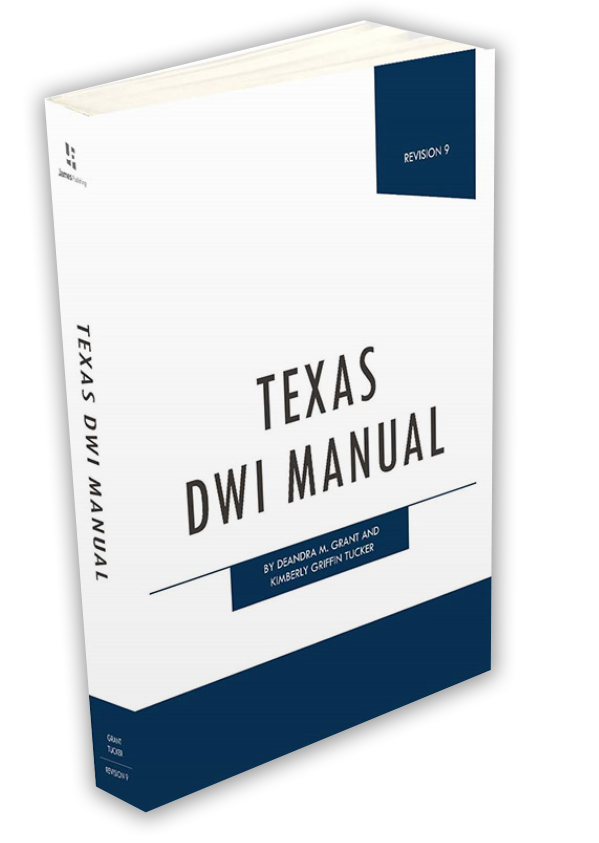
Texas DWI Manual
By Attorney Deandra Grant
Fighting DWI charges can present many challenges, not only for the defense, but prosecutors as well. This is why it is important to be armed with the necessary knowledge so you understand the DWI process.
Attorney Deandra M. Grant is the co-author of the Texas DWI Manual, offering legal advice to both clients and fellow attorneys.
Learn MoreDenton Felony DWI Attorneys
Defending Against Felony DWI Charges in Denton, TX
If you find yourself on this page, it’s likely that you or someone you know is facing the serious and daunting prospect of a Felony DWI charge in Denton, TX. At Deandra Grant Law – Criminal & DWI Defense, we understand the overwhelming worry and uncertainty that comes with such a situation. Our team of experienced Felony DWI attorneys is here to provide you with the guidance, support, and legal expertise you need to navigate this challenging time.
Understanding Felony DWI Charges in Denton, TX
In Denton, TX, DWI offenses can escalate to a felony under certain circumstances, such as:
- Multiple DWI Offenses: If you have previous DWI convictions on your record, a subsequent DWI arrest could be charged as a felony.
- Intoxication Assault: If you are accused of causing serious bodily injury to another person while driving under the influence, it can lead to a Felony DWI charge.
- Intoxication Manslaughter: If a DWI-related accident results in the death of another person, you could face Felony DWI charges for intoxication manslaughter.
The Stakes are High: The Consequences of Felony DWI
Felony DWI charges carry severe penalties that can significantly impact your life. If convicted, you may face substantial fines, lengthy prison sentences, and the revocation of your driver’s license. Additionally, a felony conviction can have long-term consequences, affecting your employment opportunities, housing options, and overall quality of life.
Texas Felony DWI Offenses
The following are the types of felony DWI offenses in Texas:
- DWI 3rd: third-degree felony, punishable by up to 10 years in state prison, fines of up to $10,000, and 2-year license revocation.
- Intoxication assault: third-degree felony, punishable by up to 10 years in state prison, fines of up to $10,000, and up to 600 hours of community service.
- Intoxication manslaughter: second-degree felony, punishable by up to 20 years in state prison, fines of up to $10,000, and up to 800 hours of community service.
- DWI with a child in the car: state jail felony, punishable by a minimum of 180 days up to a maximum of 2 years in a state jail facility, and a fine up to $10,000.
The Importance of Hiring a Denton Felony DWI Attorney
When facing Felony DWI charges, having skilled legal representation is essential. Here’s why choosing one of our Denton Felony DWI attorneys can make all the difference:
- Expertise and Experience: Our team has extensive experience in defending clients facing Felony DWI charges in Denton, TX. We have a deep understanding of the intricacies of Felony DWI laws and the local legal system, allowing us to develop robust defense strategies.
- Knowledge of DWI Statistics: According to the Texas Department of Transportation, in recent years, alcohol-related crashes have accounted for a significant portion of the total traffic fatalities in Texas. Having a Denton Felony DWI attorney who is well-versed in DWI statistics and trends can be crucial in building a persuasive defense tailored to your case.
- Comprehensive Defense Approach: Felony DWI cases require a comprehensive approach that addresses both legal and factual aspects. Our attorneys will conduct a thorough investigation, challenge any weaknesses in the prosecution’s case, and explore all available avenues to protect your rights and pursue a positive outcome.
- Advocacy and Support: At Deandra Grant Law – Criminal & DWI Defense, we believe in providing compassionate support to our clients during this challenging time. We understand the fear and anxiety you may be experiencing, and our team will be your fierce advocates, guiding you through every step of the legal process.
Deandra Grant Law – Criminal & DWI Defense Helps Residents across Texas with DWI Defense – Including: Allen, Austin, Arlington, Belton, Cleburne, Collin County, Dallas, Denton, Fairview, Fort Worth, Frisco, Gainesville, Granbury, Hood County, Johnson County, Lewisville, Little Elm, McKinney, Park Cities, Parker County, Plano, Princeton, Richardson, Rockwall, Rowlett, Royse City, Southlake, Sunnyvale, The Colony, Waco, and Weatherford.
Related Videos
Certified in the science and testing of DWI enforcement
Appealing a DWI or BWI
Biggest Mistakes of a DWI Charge
Lawyer Scientist Certification
Boating while intoxicated with a child
DWI with a child in the car
Can I travel out of country with a DWI?
Going to Canada with a DWI
Choosing a DWI attorney
Choosing quality over cost with a DWI attorney
Cost of a DWI attorney
Cost of a BWI attorney
DWI on your criminal record
DWI probable cause
DWI while operating a boat
DWI with prior convictions
Emotional state of a DWI client
How long does a DWI conviction stay on my record?
How long will a DWI case take?
Operating a boat during pending DWI charges
Out-of-state DWI Arrest
Police didn’t have probable cause
Relieving stress of a DWI client
Prescription Drug DWI
Texas DWI Manual
Underage DWI Penalties
Charged with a DWI while sitting in your car
First time DWI charge
Second DWI charges
Third DWI charges
Being sent to jail for a first time DWI
Being sent to jail for multiple DWIs
Can I defend myself against a DWI charge?
Can I refuse a breathalyzer test?
Can refusing a breath or blood test help my case?
College age child arrested for DWI
Court process for a DWI charge
DWI license suspension
Driving during your license suspension
Legal alcohol limit
DWI with injury penalties
DWI written case evaluations
Expunging a DWI charge
Ignition Interlock Device
Losing your job from a DWI
Losing your license from a DWI
Penalties from a DWI conviction
Plea bargaining a DWI charge
Will pleading guilty reduce a DWI charge?
Refusing to answer police questions during a DUI arrest
Refusing field sobriety tests
Why you should choose a DWI attorney with lawyer scientist certification
Choosing Deandra Grant Law – Criminal & DWI Defense: Your Trusted Defense Against Felony DWI Charges
If you’ve been arrested for Felony DWI in Denton, TX, the road ahead may seem uncertain and overwhelming. The consequences of a Felony DWI conviction can be severe, including hefty fines, extended jail time, a tarnished criminal record, and the suspension of your driver’s license. When facing such serious charges, the key to protecting your future lies in choosing the right team of experienced Denton Felony DWI attorneys to defend you.
Experience Matters: Why Choose Deandra Grant Law – Criminal & DWI Defense
At Deandra Grant Law – Criminal & DWI Defense, we have earned a reputation as a leading law firm with a proven track record in defending clients facing Felony DWI charges. Our experienced team of Denton Felony DWI attorneys understands the complexities of the legal system and will work tirelessly to safeguard your rights and pursue a positive outcome for your case.
- Complimentary Consultations: We offer free consultations to individuals arrested for Felony DWI in Denton, TX. During this initial meeting, you’ll have the opportunity to discuss the specifics of your case with one of our skilled attorneys. We’ll listen attentively to your concerns, answer your questions, and provide you with an honest assessment of your legal situation.
- Consequences of Felony DWI Convictions: The potential consequences of a Felony DWI conviction are daunting. With the guidance of our experienced attorneys, you can better understand the gravity of your situation and the potential impact on your life. We will leave no stone unturned in crafting a robust defense strategy to protect your rights and minimize the consequences you may face.
- Navigating the Legal Maze: Felony DWI cases involve intricate court and administrative proceedings. Our team will skillfully navigate the legal maze on your behalf, ensuring that you are well-prepared for each step of the process. We will handle the complex paperwork, negotiate with prosecutors, and passionately advocate for your interests in court.
- Pursuing Your Best Chances for Success: Every Felony DWI case is unique, and we understand that a one-size-fits-all approach is inadequate. Our Denton Felony DWI attorneys will meticulously analyze the details of your case to determine the most effective defense strategy. Our goal is to maximize your chances for a successful outcome, whether through negotiation, mitigation, or trial.
Related Blogs
Avoiding Costly Mistakes: How Deandra Grant Law – Criminal & DWI Defense Can Help with Your Felony DWI Charge
If you’ve been arrested for Felony DWI in Denton, TX, it’s crucial to act prudently and avoid common mistakes that could jeopardize your defense. At Deandra Grant Law – Criminal & DWI Defense, we understand the gravity of your situation and the uncertainties you may face. Our experienced Felony DWI attorneys are here to help you navigate the legal process and ensure that you make informed decisions that protect your rights and future.
Mistake 1: Talking to the Police Without Legal Representation
After a Felony DWI arrest, law enforcement may try to gather evidence by questioning you. It’s essential to remember that you have the right to remain silent and the right to legal representation. Speaking to the police without an attorney present can lead to inadvertent self-incrimination and weaken your defense. Avoid talking to the police until you have sought advice from an experienced Felony DWI attorney.
Mistake 2: Failing to Seek Legal Counsel Promptly
Time is of the essence when facing Felony DWI charges. Waiting too long to seek legal counsel can hinder your attorney’s ability to build a strong defense and protect crucial evidence. The sooner you contact Deandra Grant Law – Criminal & DWI Defense, the more effectively we can investigate your case, gather evidence, and begin crafting a robust defense strategy.
Mistake 3: Not Understanding the Seriousness of the Charges
Felony DWI charges carry severe consequences that can have a lasting impact on your life. It’s crucial to understand the gravity of your situation and the potential penalties you may face if convicted. Our Denton Felony DWI attorneys will provide you with a comprehensive understanding of the charges against you and work tirelessly to minimize the impact on your life.
Mistake 4: Failing to Explore Defense Options
Every Felony DWI case is unique, and there are various defense strategies available to challenge the charges. Failing to explore all possible defense options can limit your chances for a successful outcome. Our experienced attorneys will conduct a thorough analysis of your case, identify any weaknesses in the prosecution’s evidence, and explore all available defense avenues.
Frequently Asked Questions About Felony DWI in Denton, TX
Facing Felony DWI charges in Denton, TX, can be a challenging and overwhelming experience. At Deandra Grant Law – Criminal & DWI Defense, we understand the uncertainties you may have, and we are here to provide you with clear and informative answers to some of the most frequently asked questions about Felony DWI charges.
What is Felony DWI?
Felony DWI is a more serious offense than a standard DWI. It occurs when a person is charged with driving while intoxicated and has prior DWI convictions, or when the DWI leads to severe injuries or death to another person. Felony DWI charges carry harsher penalties compared to misdemeanor DWI charges.
What are the Penalties for Felony DWI Convictions?
If convicted of Felony DWI in Denton, TX, the penalties can include substantial fines, lengthy imprisonment, probation, community service, mandatory alcohol education programs, and the suspension or revocation of your driver’s license. Additionally, a Felony DWI conviction can have a lasting impact on your personal and professional life.
Should I Hire a Felony DWI Attorney?
Yes, it is essential to hire an experienced Felony DWI attorney to defend your rights and interests. Felony DWI cases are complex, and having skilled legal representation can make a significant difference in the outcome of your case. An attorney can navigate the legal process, explore defense strategies, negotiate with prosecutors, and protect your rights throughout the proceedings.
Can My Charges be Reduced or Dismissed?
Depending on the circumstances of your case, it may be possible to have Felony DWI charges reduced or dismissed. An experienced Felony DWI attorney will thoroughly examine the evidence, police procedures, and any potential constitutional violations to identify opportunities for a favorable outcome.
What Should I Do If I've Been Arrested for Felony DWI?
If you’ve been arrested for Felony DWI, it’s essential to remain calm and exercise your right to remain silent. Avoid speaking to the police without legal representation. Contact an experienced Felony DWI attorney as soon as possible to protect your rights and discuss the details of your case.
Can I Keep My Driver's License After a Felony DWI Arrest?
After a Felony DWI arrest, your driver’s license may be subject to suspension or revocation. However, with the assistance of a skilled Felony DWI attorney, you may be able to challenge the license suspension and explore options to maintain limited driving privileges.
How Can Deandra Grant Law – Criminal & DWI Defense Help with My Felony DWI Case?
At Deandra Grant Law – Criminal & DWI Defense, our experienced Felony DWI attorneys are dedicated to providing you with a comprehensive defense strategy tailored to your unique circumstances. We will guide you through the legal process, answer your questions, and passionately advocate for a positive outcome in your Felony DWI case.
Felony DWI Defense Client Story
This client story is for educational purposes only.
In the heart of Denton, Texas, where life’s roads often wind and twist unexpectedly, Alice found herself facing a dark and uncertain path. Arrested for Felony DWI, her world turned upside down, drowning her in fear and despair. The weight of the charges bore heavily on her heart, and the road ahead seemed daunting and treacherous.
But amidst the storm, a beacon of hope emerged: Deandra Grant Law – Criminal & DWI Defense and its compassionate guide, Attorney Deandra Grant. From their first meeting, Alice felt a glimmer of hope, as if a guiding hand was reaching out to lead her through the darkness.
Attorney Grant listened intently, understanding the immense burden that rested on Alice’s shoulders. With genuine empathy, she assured Alice that she was not alone in this tumultuous journey and that the firm would stand beside her, unwavering in their dedication to securing her future.
Through countless hours of meticulous work and steadfast dedication, Attorney Grant and her team delved deep into Alice’s case, unraveling the intricate details to build an unwavering defense. Each step of the way, they communicated openly with Alice, ensuring she understood the process and her role in the fight for justice.
As the trial approached, anxiety gripped Alice’s heart, but Attorney Grant’s unwavering confidence and support gave her the strength to persevere. In the courtroom, Attorney Grant’s mastery of the law shone brilliantly as she presented Alice’s case with fervor and conviction.
Every obstacle that stood in their path, Attorney Grant and her team faced head-on, their commitment to justice burning like a guiding light in the darkness. Witness by witness, evidence by evidence, they worked tirelessly to unveil the truth, seeking justice for Alice.
Finally, the moment of truth arrived. The verdict hung in the air like a heavy cloud. But then, a glimmer of light broke through. Not guilty. The words echoed in the courtroom, and the weight that had burdened Alice’s heart lifted, replaced by tears of relief and joy.
With Deandra Grant Law – Criminal & DWI Defense by her side, Alice had conquered her darkest fears and found redemption. The journey had been arduous, but the firm’s unwavering support and expertise had led her to victory.
Contact Deandra Grant Law – Criminal & DWI Defense for Skilled Felony DWI Defense
If you have recently been arrested for Felony DWI in Denton, TX, the road ahead may seem daunting, but you don’t have to face it alone. At Deandra Grant Law – Criminal & DWI Defense, our team of experienced Denton Felony DWI attorneys are here to be your trusted legal ally during this challenging time.
Your Journey to Justice Starts Here
We understand the overwhelming emotions and uncertainties that come with facing Felony DWI charges. Our mission is to provide you with unwavering support, expert legal counsel, and a clear path to a better future. From the moment you step into our offices, you become our top priority.
Free Consultations: A Step Towards Resolution
We offer free consultations to those in need of guidance after a Felony DWI arrest. During this confidential meeting, we will listen to your concerns, assess your case, and provide you with a clear understanding of your legal options. This initial consultation is an essential step towards building a strong defense tailored to your unique circumstances.
A Legal Team Committed to Your Success
At Deandra Grant Law – Criminal & DWI Defense, we are committed to fighting for a positive outcome in your Felony DWI case. With years of experience and a deep understanding of Texas DWI laws, we will leave no stone unturned in building a robust defense to protect your rights and future.
Empowering You Every Step of the Way
Navigating the legal system can be overwhelming, but with our skilled attorneys by your side, you can feel confident and empowered throughout the process. We will communicate openly, keeping you informed about the progress of your case and answering any questions you may have.
The Path to a Brighter Tomorrow
Your future is too important to leave to chance. If you or a loved one are facing Felony DWI charges in Denton, TX, contact Deandra Grant Law – Criminal & DWI Defense today for a free consultation. Let our experienced Denton Felony DWI attorneys be your guiding light as we work tirelessly to secure a positive outcome for your case.
Remember, you are not alone in this journey. Together, we will forge a path to justice, redemption, and a brighter tomorrow.
Client Reviews

“Deandra Grant Law – Criminal & DWI Defense handled my case with diligence and professionalism. Deandra Grant’s reputation is stellar and now I know why. She has a team of individuals who provide quality service.”
N. Coulter


(214) 225-7117
Experienced DWI Defense