
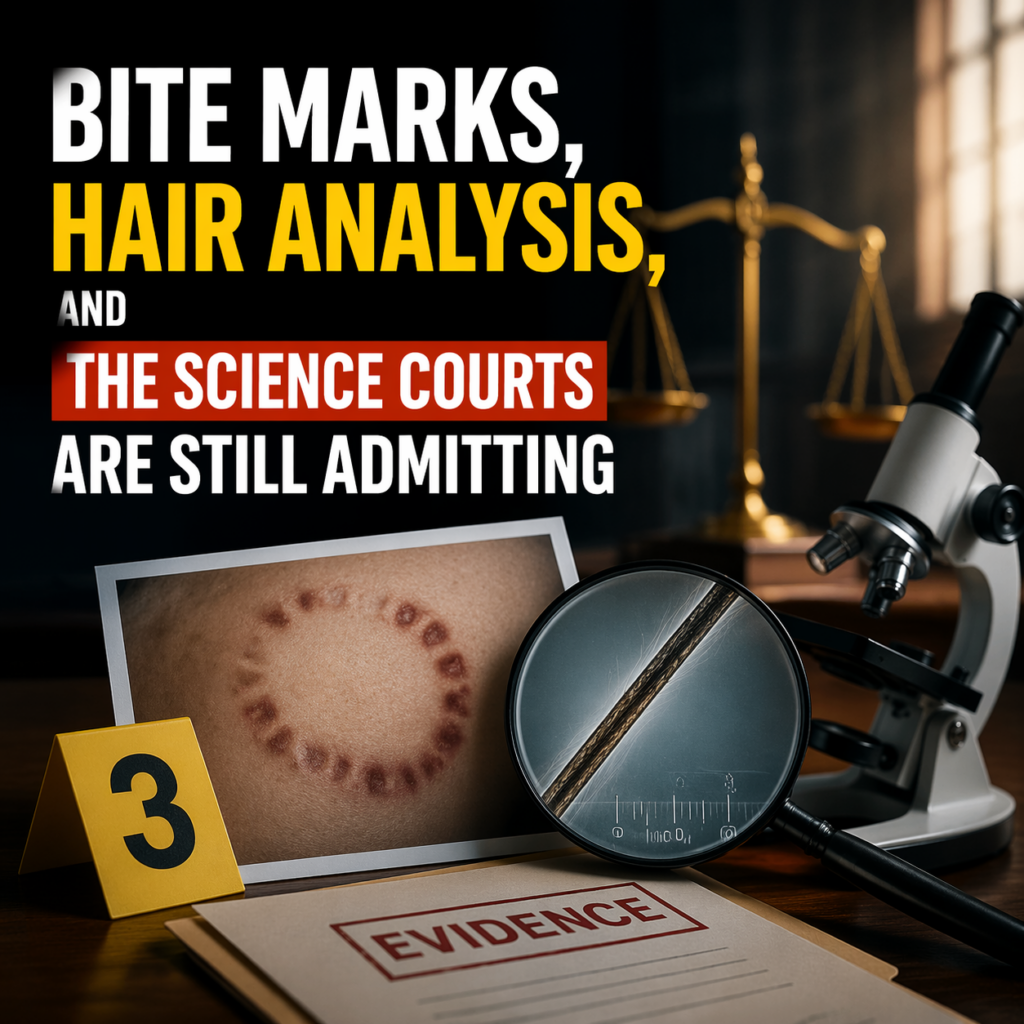
In 2016, the President’s Council of Advisors on Science and Technology (PCAST) published a detailed scientific assessment of forensic feature-comparison methods used in criminal courts. Feature-comparison methods are those that attempt to determine whether a crime scene sample came from a specific source (a person, a weapon, a shoe) by comparing patterns or features. Bite […]
Category Archives: Criminal Defense
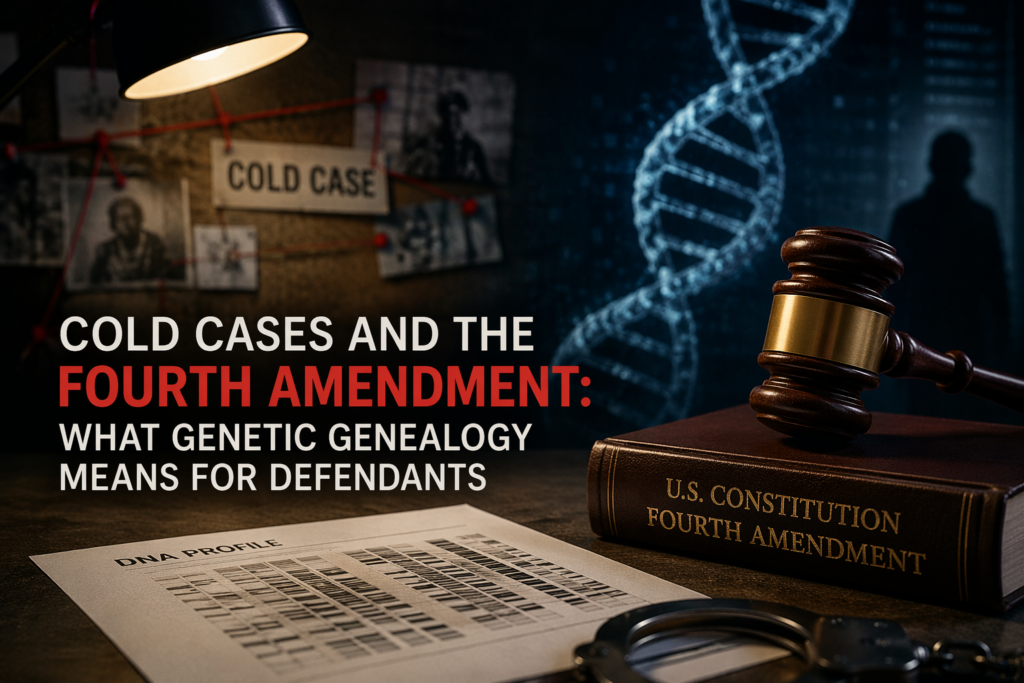
Florida Attorney General James Uthmeier announced this week a $600,000 partnership with Othram (a Texas-based forensic biotechnology company) to deploy investigative genetic genealogy against Florida’s backlog of more than 21,000 unsolved homicides, some dating back to the 1960s. The initiative begins with three cold cases from the 1970s and 1980s in Broward County, Miami-Dade, and […]
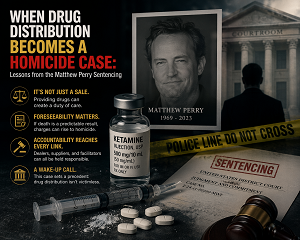
On April 8, 2026, U.S. District Judge Sherilyn Peace Garnett sentenced Jasveen Sangha (the Los Angeles drug dealer federal prosecutors called the “Ketamine Queen”) to 15 years in federal prison for distributing the ketamine that killed actor Matthew Perry in October 2023. The sentence was the harshest imposed on any of the five defendants in […]

National headlines about criminal justice reform in 2026 tell a story of accelerating bipartisan progress at the state level: more reform laws passed in 2025 than in 2024, and a growing list of policy changes that reformers describe as achievable. The Prison Policy Initiative’s annual guide to winnable reforms identifies 34 specific changes across eight […]

Law enforcement agencies have increasingly sophisticated tools for monitoring and documenting internet activity. They can track the websites you visit, the files you download, the searches you perform, and the communications you send often without you knowing. This evidence frequently forms the foundation of criminal cases involving CSAM, online solicitation, fraud, and other internet-related offenses. […]

Few things are more terrifying than being accused of something you did not do and few accusations carry more devastating consequences than sexual assault. In Texas, a sexual assault conviction is a second-degree felony punishable by 2 to 20 years in prison. Aggravated sexual assault carries 5 to 99 years or life. And the damage […]

A New York jury recently acquitted Guy Rivera of first-degree murder in the 2024 shooting death of NYPD Detective Jonathan Diller during a traffic stop in Queens. Rivera was convicted of manslaughter and weapons charges instead. He faces up to 90 years in prison. When that verdict was reported, the reaction in many corners was […]
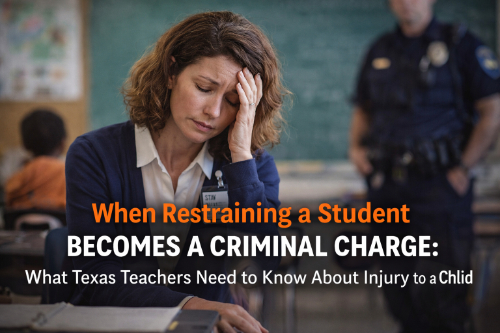
A veteran teacher with twenty-something years in the classroom, no disciplinary history, no prior criminal record. A student in crisis who is physically dangerous, injuring themselves or others and beyond the reach of verbal de-escalation. The teacher intervenes physically. Someone gets hurt. And then, weeks or months later, there is a criminal charge: injury to […]

On March 13, 2026, a federal jury in Fort Worth returned guilty verdicts against nine defendants connected to a July 4, 2025 incident outside the Prairieland ICE Detention Center in Alvarado, Texas. Eight were convicted of providing material support to terrorists. One (Benjamin Song, a former Marine Corps reservist) was convicted of attempted murder for […]
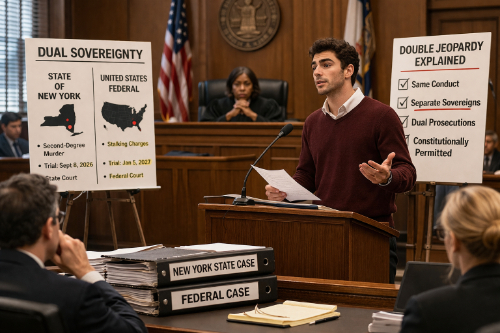
At a February 2026 hearing, Luigi Mangione stood up in a Manhattan courtroom and told the judge: “It’s the same trial twice. One plus one is two. Double jeopardy by any commonsense definition.” He is legally wrong. But he is not wrong that being tried twice for the same conduct is a serious burden. It’s […]