
Digital Forensics
How cell phone location data, social media records, body cameras, call detail records, and computer forensics affect criminal cases — and how to challenge them.
Latest in Digital Forensics
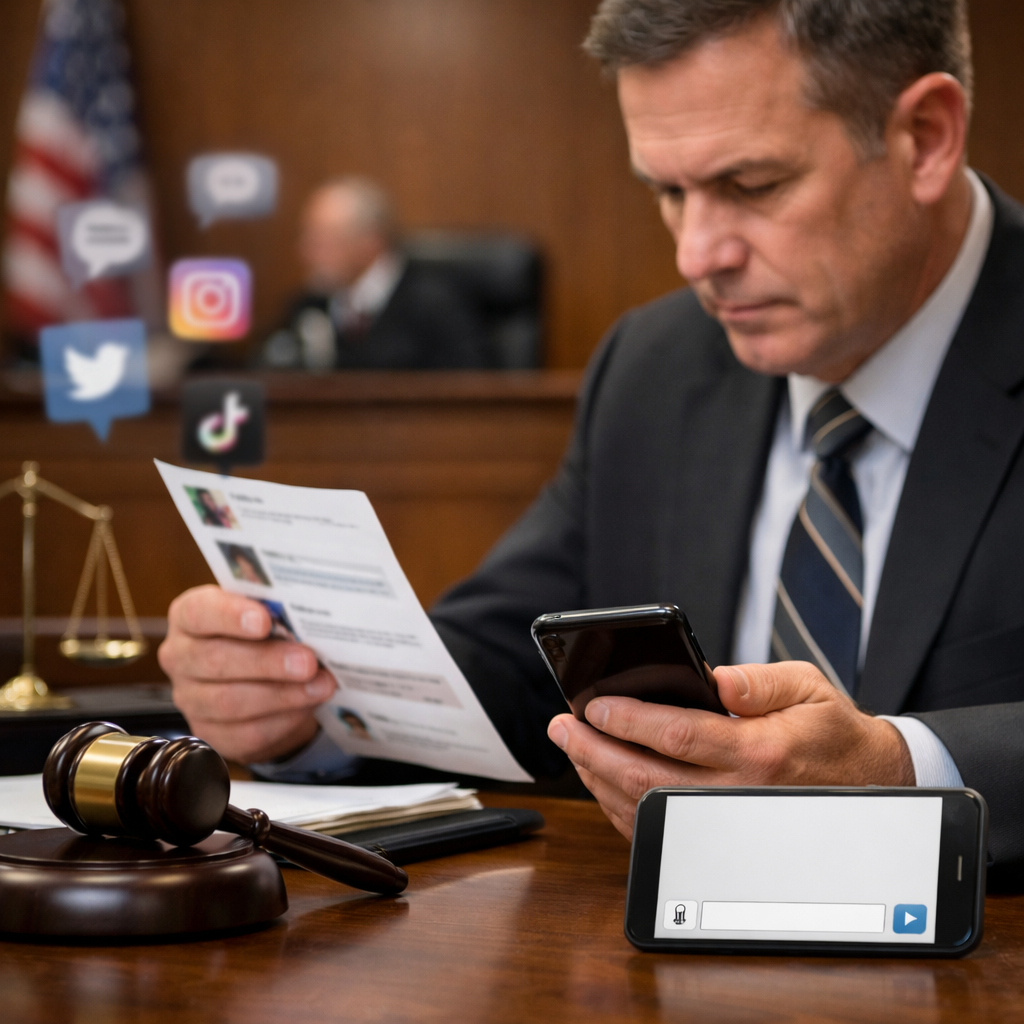
Can Social Media Posts Be Used Against You in a Texas Criminal Case?
Prosecutors have discovered that social media accounts are gold mines of potential evidence. Your Facebook posts, Instagram stories, Snapchat messages, tweets, TikTok videos, and even your Venmo transactions can be used to…
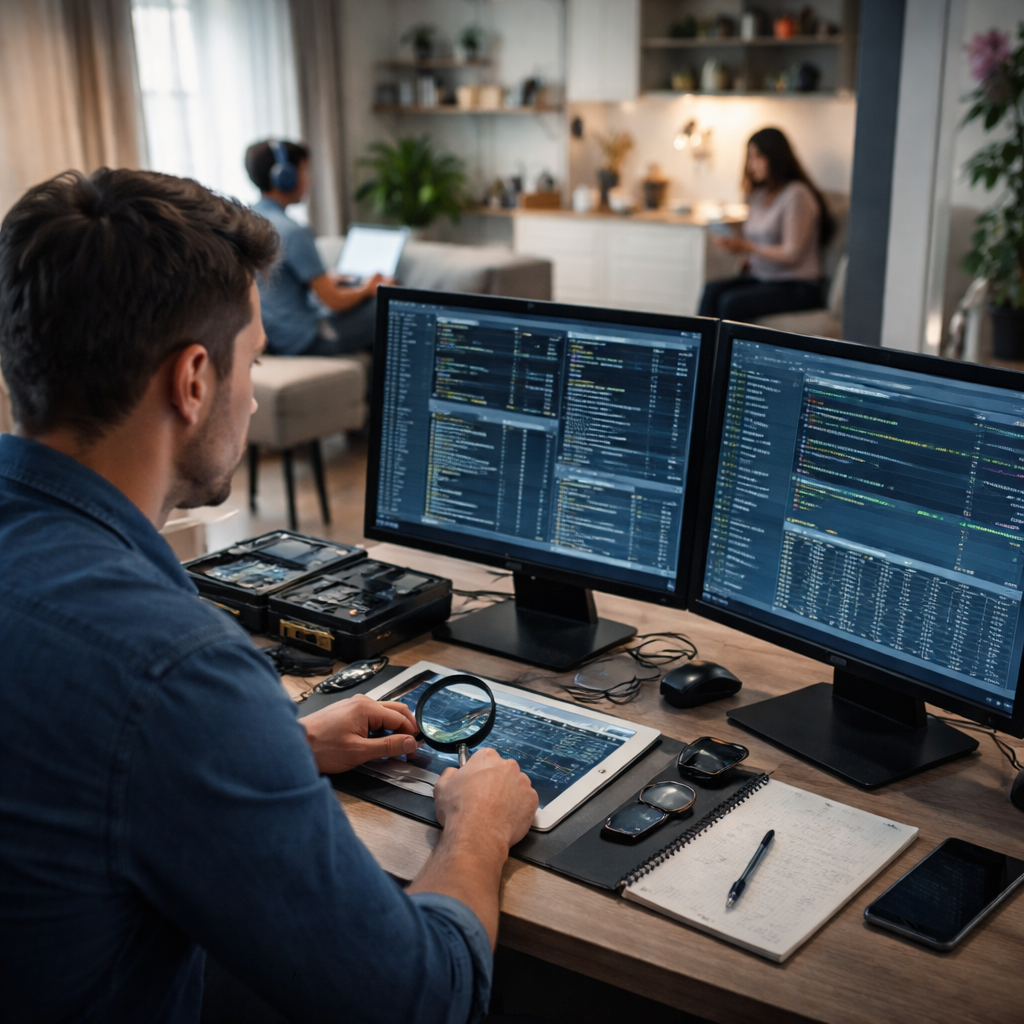
Can Someone Else’s Use of Your Computer Lead to Criminal Charges Against You?
When law enforcement finds illegal material on a computer or traces illegal online activity to an IP address, they typically charge the person who owns the device or pays for the internet…

How Can Video Evidence Be Enhanced or Authenticated for Use in Court?
Surveillance video that appears too dark, too blurry, or too small to be useful may actually contain valuable evidence for the defense. Conversely, video that the prosecution presents as clear and compelling…
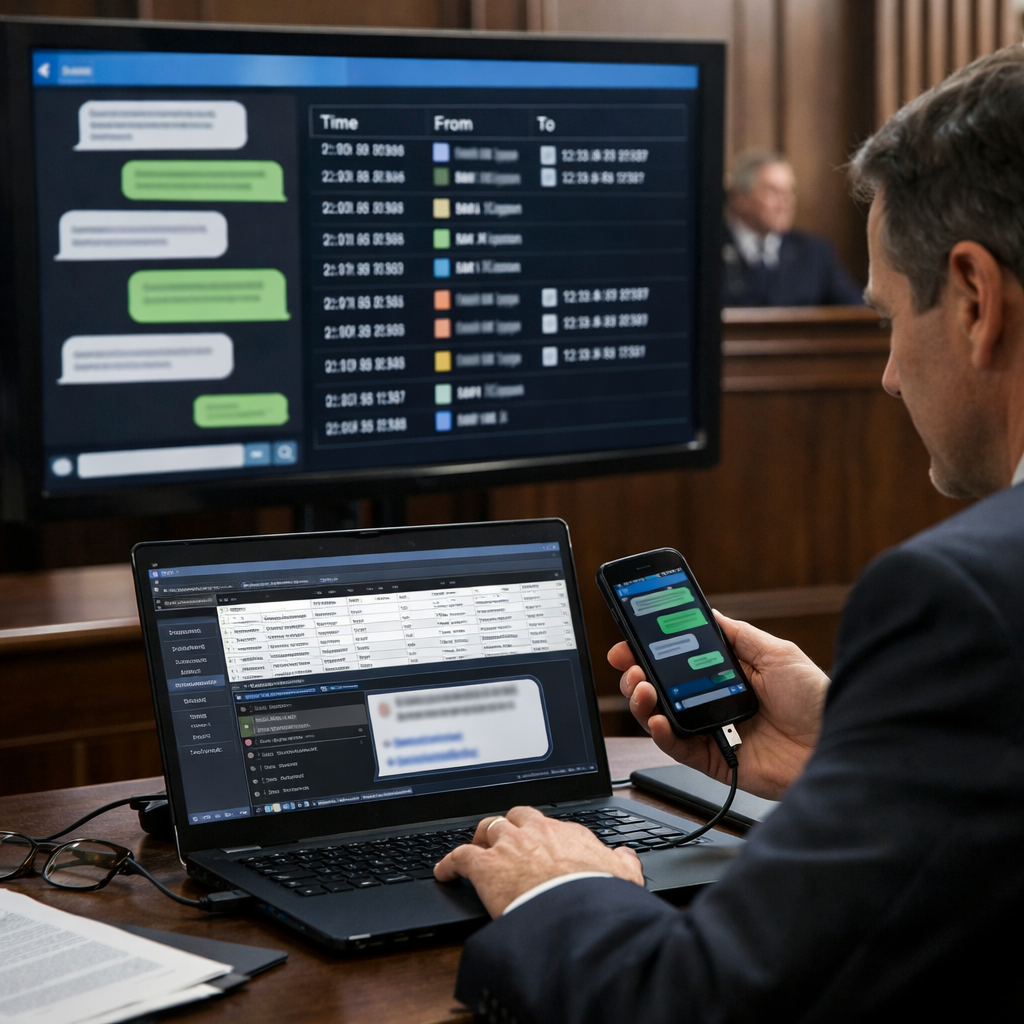
Can Text Messages Be Used as Evidence in a Texas Criminal Case?
Text messages have become one of the most common forms of evidence in criminal cases. Prosecutors use them to establish motive, demonstrate intent, contradict alibis, and, in cases like online solicitation, to…
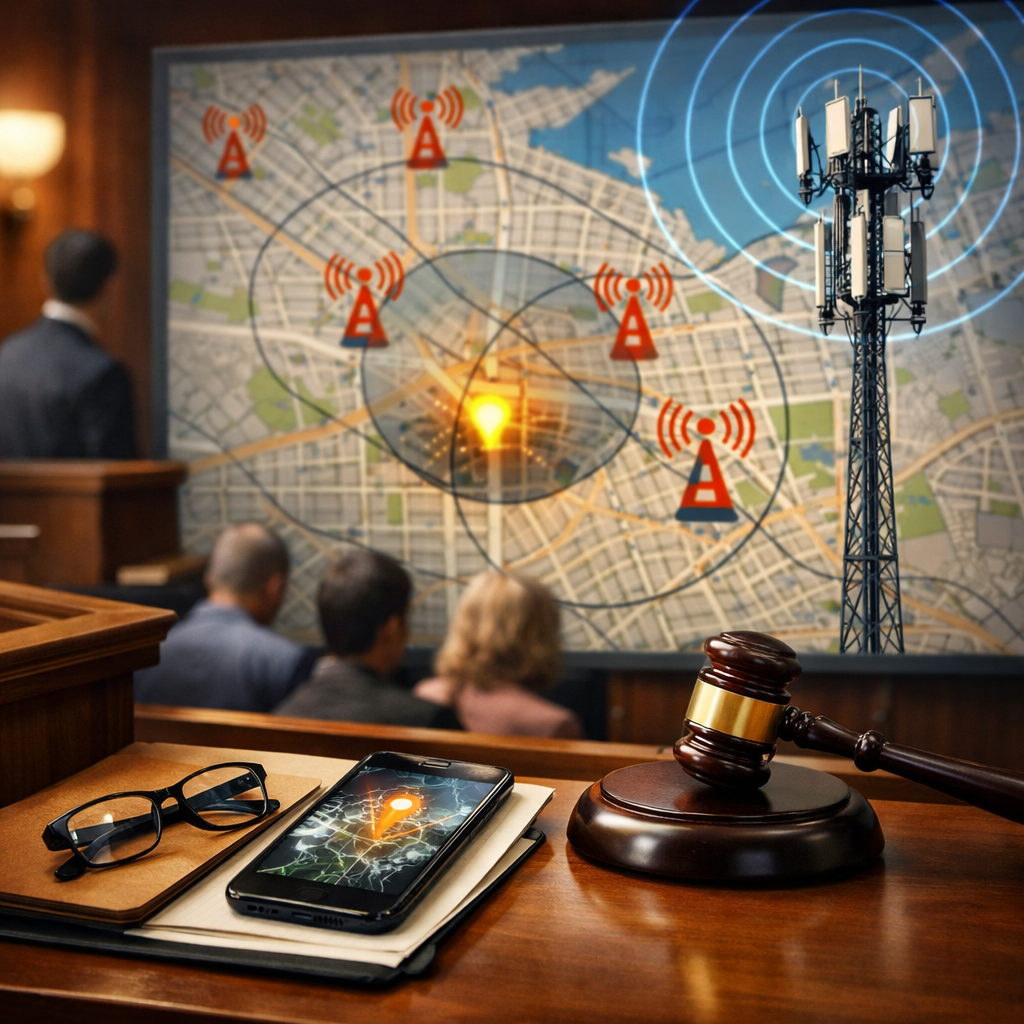
Can Call Detail Records Really Prove Where You Were at the Time of a Crime?
Call detail records (CDRs) are one of the prosecution’s favorite tools for placing a defendant at a specific location at a specific time. The prosecutor stands in front of the jury, points…
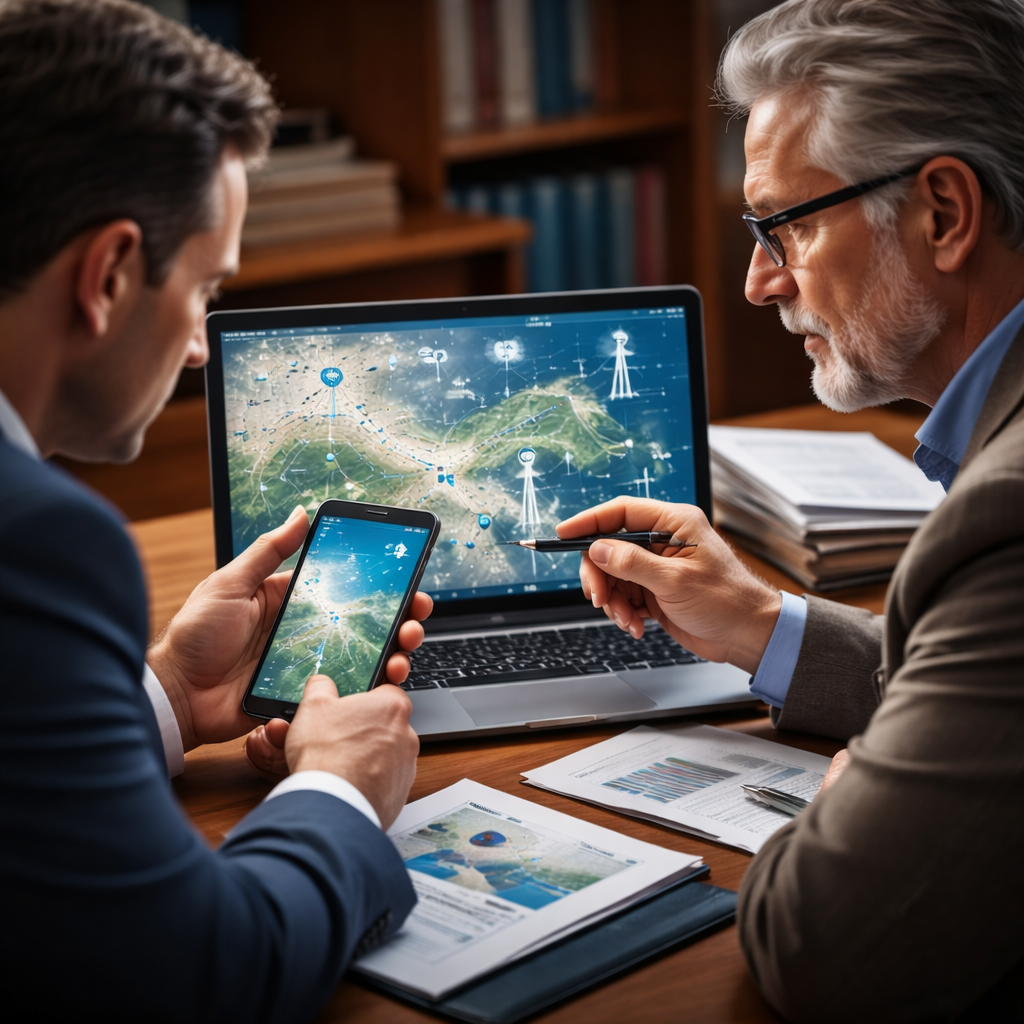
Can Cell Phone Location Data Be Used Against You in a Texas Criminal Case?
Prosecutors love cell phone location data. It creates the impression of scientific precision, i.e. a digital trail showing exactly where a defendant was at any given moment. Jurors see maps with colored…
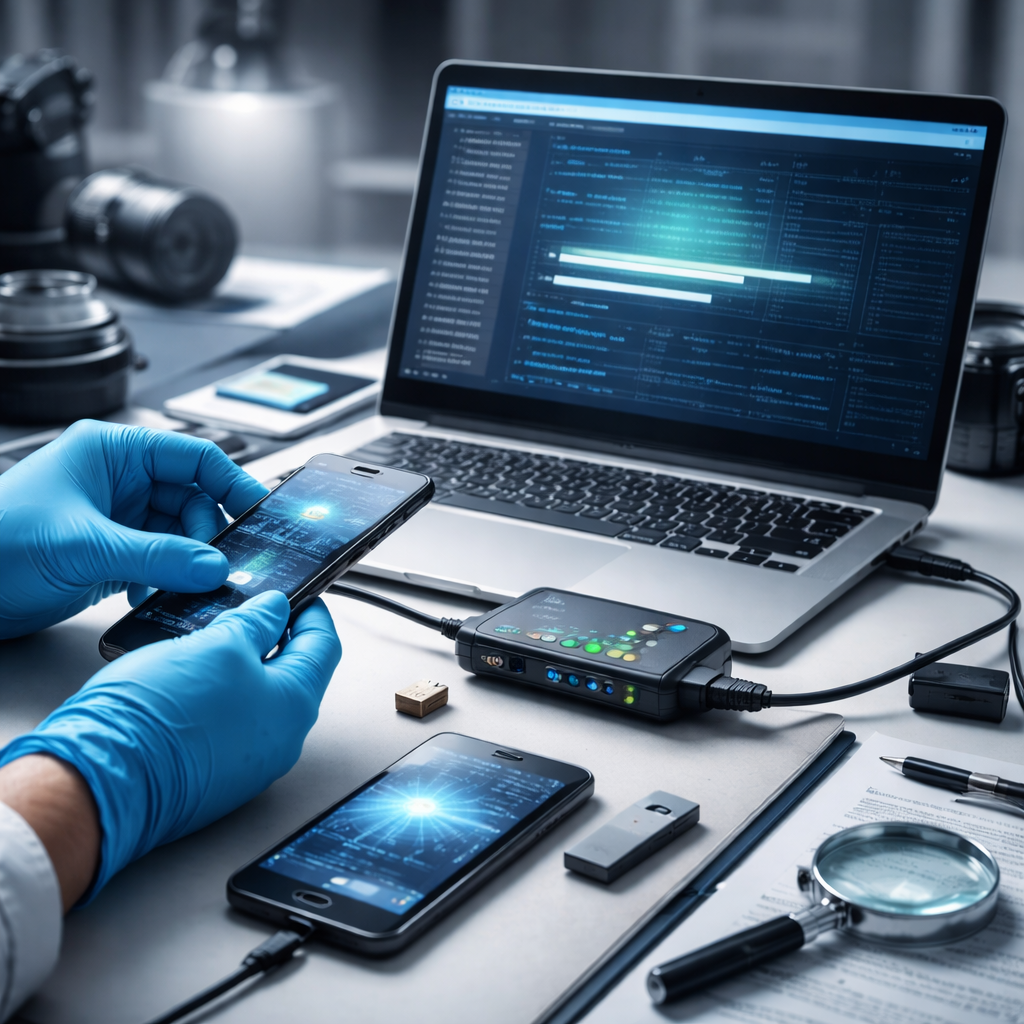
What Is a Forensic Image of a Computer or Phone — And Why Does It Matter in Your Case?
When law enforcement seizes a computer, phone, or other electronic device in a criminal investigation, one of the first steps is creating a “forensic image” of that device. This forensic image becomes…
Can the Police Search Your Phone Without a Warrant in Texas?
Your smartphone contains more personal information about you than any other object you own including your text messages, emails, photos, browsing history, GPS location data, financial accounts, medical information, and social media…
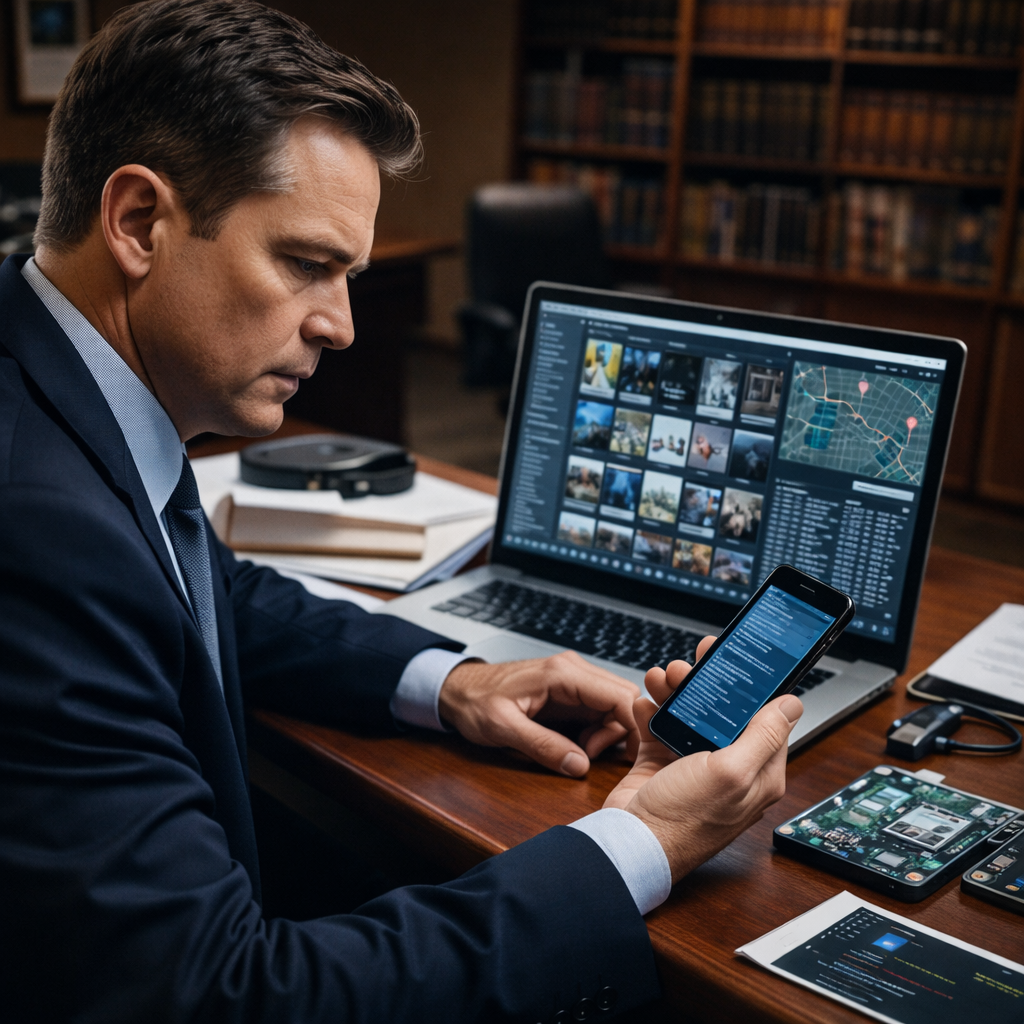
How Can Digital Forensics Help Defend Against Criminal Charges in Texas?
Criminal cases increasingly turn on digital evidence. Prosecutors use data from phones, computers, GPS records, surveillance cameras, social media accounts, and cloud storage to build their cases. They present this evidence as…
Can Text Messages and Social Media Be Used as Evidence in a Federal Case?
Federal prosecutors have embraced digital evidence. Text messages, direct messages on social media platforms, posts, comments, photos, location data, and metadata from your phone and accounts are now standard components of the…