
Home »
Do You Need Legal Help?

"Deandra Grant Law fights hard for their clients and is always willing to go above and beyond. They are the best firm for DWI cases in DFW and beyond. Definitely hire them to represent you in any pending cases."
- P. Williams
"Deandra Grant made a tough situation so much better. She listened to my concerns and helped me so much with my case. I would recommend her to anyone needing legal services."
- M. Haley
"Deandra Grant Law handled my case with diligence and professionalism. Deandra Grant's reputation is stellar and now I know why. She has a team of individuals who provide quality service."
- N. Coulter
As Seen On







Download Our Free Texas Criminal Guide
Learn what you should and shouldn't be doing to help your criminal defense case.
Denton Domestic Violence Lawyers
Understanding Domestic Violence Charges in Denton, TX
If you find yourself on this page, you may be feeling anxious and uncertain about your future after being arrested for domestic violence in Denton, TX. We want you to know that Deandra Grant Law – Criminal & DWI Defense is here to support and guide you through this challenging time. Our team of experienced Denton Domestic Violence Lawyers are ready to advocate for your rights and pursue a positive outcome for your case.
Deandra Grant Law – Criminal & DWI Defense Helps Residents across Texas with Criminal Defense Matters – Including: Allen , Arlington, Belton, Cleburne, Collin County, Dallas, Denton, Fairview, Fort Worth, Frisco, Gainesville, Granbury, Hood County, Johnson County, Lewisville, Little Elm, McKinney, Park Cities, Parker County, Plano, Princeton, Richardson, Rockwall, Rowlett, Royse City, Southlake, Sunnyvale, The Colony, Waco, and Weatherford.
Facing Domestic Violence Charges in Denton, TX
Domestic violence charges in Denton, TX can encompass a wide range of offenses that occur within intimate relationships or households. These charges may include physical violence, emotional abuse, stalking, harassment, and more. Texas takes domestic violence cases seriously, and if you are convicted, you could face severe consequences.
Common charges related to domestic violence in Dallas, TX, may include:
- Domestic Assault: Intentionally causing bodily injury or threatening harm to a family or household member.
- Aggravated Assault: Causing serious bodily injury or using a deadly weapon during a domestic assault.
- Violation of Protective Order: Disobeying court-issued protective orders meant to prevent contact or harassment of the alleged victim.
- Stalking: Repeatedly following, harassing, or threatening a person, causing fear or emotional distress.
- Child Abuse or Neglect: Committing acts of physical or emotional abuse against a child in the household.
- Continuous Violence Against the Family: Repeatedly committing acts of family violence against the same victim within a specific time frame.
The Importance of Hiring a Denton Domestic Violence Lawyer
When facing domestic violence charges, it is essential to have a skilled and knowledgeable attorney on your side. The criminal justice system can be complex and overwhelming, but our Denton Domestic Violence Lawyers have the expertise to navigate it effectively. We understand the nuances of domestic violence cases and the potential consequences of a conviction.
Statistical Data on Domestic Violence
According to the Texas Council on Family Violence, in 2020, there were 185 domestic violence-related fatalities in Texas. Additionally, the Denton County Sheriff’s Office reported hundreds of domestic violence-related incidents in Denton County during the same year.
At Deandra Grant Law – Criminal & DWI Defense, we are committed to helping you pursue positive results for your case. Whether it involves negotiating with prosecutors for reduced charges, advocating for diversion programs, or preparing for trial, we will work tirelessly to protect your rights and achieve a favorable outcome.
Related Videos
Relieving Stress of a Domestic Violence Defense Client
Mistakes of a Domestic Violence Defense Charge
Penalties of a Domestic Violence Charge
Emotions of a Domestic Violence Defense Client
Domestic Violence Imprisonment
Aggravated Domestic Assault
Challenging evidence for domestic violence
How long does domestic violence stay on your record?
Domestic Violence V.S. Domestic Assault
First-Time Offenders of Domestic Violence
Afraid you can’t afford a Domestic Violence Defense Attorney
Arrested based solely on testimony of a domestic violence victim
Can the victim of a domestic violence charge drop charges?
Charges with domestic violence for making a threat
Choosing a domestic violence defense attorney
Do All Domestic Abuse Cases Go to Trial?
What Is a Restraining Order?
What Is an Emergency Protection Order?
Being Arrested for Domestic Violence
Empathetic Legal Support
We understand that being arrested for domestic violence can be emotionally distressing. Our Denton Domestic Violence Lawyers are here to listen to your side of the story with empathy and understanding. We believe that everyone deserves a fair chance to be heard and that our clients deserve personalized attention and care throughout the legal process.
Choosing the Right Team of Denton Domestic Violence Lawyers
If you’ve been arrested for domestic violence in Denton, TX, you may be feeling overwhelmed and uncertain about what lies ahead. In this challenging time, it’s crucial to have the right legal representation by your side. At Deandra Grant Law – Criminal & DWI Defense, we understand the gravity of domestic violence charges and are here to help you navigate the legal process with skill and compassion.
Why Choose Deandra Grant Law – Criminal & DWI Defense for Your Domestic Violence Defense?
We offer free consultations to individuals facing domestic violence charges in Denton, TX. During this initial meeting, you can share the details of your case with us, and we will carefully assess the circumstances surrounding your arrest. Our experienced Denton Domestic Violence Lawyers will listen to your concerns, answer your questions, and provide personalized legal advice tailored to your unique situation.
Understanding the Consequences of a Domestic Violence Conviction
A domestic violence conviction can have life-altering consequences. Apart from fines and potential jail time, it may result in a permanent criminal record, restraining orders, and loss of custody or visitation rights. Additionally, a conviction can negatively impact your employment, housing, and reputation within the community.
Guiding You Through Complex Legal Proceedings
Our team of skilled Denton Domestic Violence Lawyers has extensive experience handling domestic violence cases. We are well-versed in the intricacies of the legal system and can navigate the complicated court and administrative proceedings on your behalf. Our goal is to protect your rights and ensure that you receive a fair and just defense.
Determining Your Best Chances for a Successful Outcome
At Deandra Grant Law – Criminal & DWI Defense, we understand that every case is unique. We will thoroughly investigate the details of your situation, review the evidence, and explore all possible legal defenses. Our goal is to develop a strong defense strategy tailored to your specific circumstances, giving you the best chances for a successful outcome.
Compassionate Support Throughout the Process
We know that being accused of domestic violence is emotionally taxing. Our Denton Domestic Violence Lawyers are here to support you with empathy and understanding. We will guide you through the legal process, providing unwavering support and legal representation every step of the way.
Related Blogs
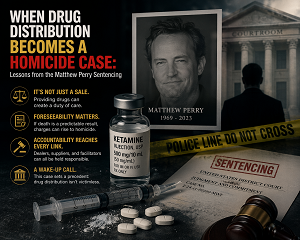
When Drug Distribution Becomes a Homicide Case: Lessons from the Matthew Perry Sentencing
On April 8, 2026, U.S. District Judge Sherilyn Peace Garnett sentenced Jasveen Sangha (the Los [...]
Criminal Justice Reform in 2026: What It Means for Texas Defendants
National headlines about criminal justice reform in 2026 tell a story of accelerating bipartisan progress [...]

How Do Police Track Your Online Activity And Can That Evidence Be Challenged?
Law enforcement agencies have increasingly sophisticated tools for monitoring and documenting internet activity. They can [...]

What to Do if You’re Falsely Accused of Sexual Assault in Texas
Few things are more terrifying than being accused of something you did not do and [...]

How Killing a Cop Went from Murder to Manslaughter
A New York jury recently acquitted Guy Rivera of first-degree murder in the 2024 shooting [...]

When Restraining a Student Becomes a Criminal Charge: What Texas Teachers Need to Know About Injury to a Child
A veteran teacher with twenty-something years in the classroom, no disciplinary history, no prior criminal [...]

When Protest Becomes Terrorism: What the Prairieland Verdict Means for Texas Defendants
On March 13, 2026, a federal jury in Fort Worth returned guilty verdicts against nine [...]
Why Being Charged Twice Isn’t Double Jeopardy: Luigi Mangione and Parallel State and Federal Prosecutions
At a February 2026 hearing, Luigi Mangione stood up in a Manhattan courtroom and told [...]
Mistakes to Avoid When Facing Domestic Violence Charges in Denton, TX
If you’ve been arrested for domestic violence in Denton, TX, it’s crucial to handle the situation carefully. The actions you take during this challenging time can significantly impact the outcome of your case. To improve your chances of a favorable result, it’s essential to avoid common mistakes that individuals often make when facing domestic violence charges. Here are some important considerations:
Mistake #1: Talking to Law Enforcement Without Legal Representation
One of the most significant mistakes people make is speaking to law enforcement without consulting an experienced domestic violence lawyer first. Anything you say can be used against you in court, and without legal guidance, you may unintentionally incriminate yourself. It’s essential to exercise your right to remain silent and seek legal counsel immediately.
Mistake #2: Ignoring or Delaying Legal Action
Domestic violence charges are time-sensitive, and delays in taking legal action can harm your defense. Ignoring the charges or hoping they will go away on their own can lead to serious consequences. Contacting a reputable Denton Domestic Violence Lawyer promptly will ensure that critical evidence is preserved, witnesses can be interviewed, and your defense strategy can be developed in a timely manner.
Mistake #3: Failing to Understand the Full Extent of the Charges
Domestic violence charges can encompass a range of offenses, including assault, battery, harassment, stalking, and more. It’s essential to understand the specific charges you are facing and the potential penalties associated with each offense. An experienced domestic violence lawyer can explain the charges and potential consequences, helping you make informed decisions about your defense.
Frequently Asked Questions about Domestic Violence in Denton, TX
If you have been recently arrested for domestic violence in Denton, TX, you likely have many questions and concerns about your situation. At Deandra Grant Law – Criminal & DWI Defense, we understand the complexities of domestic violence cases and are here to provide answers and guidance during this difficult time. Here are some frequently asked questions that individuals facing domestic violence charges often have:
What is considered domestic violence in Denton, TX?
Domestic violence refers to any act of violence or abuse between family or household members, including spouses, former spouses, dating partners, parents, children, and other individuals who share a domestic relationship. Acts of domestic violence can include physical violence, emotional abuse, threats, intimidation, stalking, and more.
What are the potential penalties for domestic violence in Denton, TX?
The penalties for domestic violence in Denton, TX, vary depending on the specific charges and the severity of the offense. Convictions for domestic violence can result in fines, probation, mandatory counseling, protective orders, and even jail time. The consequences can be particularly severe if the offense involved serious injury or the use of a weapon.
Can the alleged victim drop the charges?
While the alleged victim can express their wishes to the prosecuting attorney, it is ultimately up to the state to decide whether to pursue or drop charges. In many cases, the prosecution may proceed with the case even if the alleged victim no longer wishes to press charges.
Do I need a lawyer for a domestic violence case in Denton, TX?
Yes, it is essential to have a skilled and experienced domestic violence lawyer on your side. The legal process can be complex, and having a knowledgeable attorney can make a significant difference in the outcome of your case. A lawyer can protect your rights, build a strong defense, and advocate on your behalf throughout the legal proceedings.
Can I get a protective order against me lifted?
In some cases, it may be possible to have a protective order lifted or modified. However, this process can be challenging, and it is best handled by an experienced domestic violence lawyer who can present compelling evidence and arguments to the court.
What are my rights if I am accused of domestic violence?
If you are accused of domestic violence, you have the right to remain silent and the right to legal representation. It is crucial to exercise these rights and avoid speaking to law enforcement without your lawyer present.
Domestic Violence Defense Client Story
This client story is for educational purposes only.
In the quiet town of Denton, Texas, a man named Henry found himself entangled in a web of distress. He loved his girlfriend, Lisa, with all his heart, but their arguments had taken a darker turn lately. One fateful night, a heated disagreement escalated, and the police were called to their doorstep.
Henry was arrested for domestic violence, and as he sat in a cold jail cell, he felt an overwhelming sense of despair. He knew that the situation had spiraled out of control, but he couldn’t bear the thought of losing the love of his life and facing the consequences of his actions.
As days turned into weeks, Henry’s hope began to wane. He was lost, overwhelmed, and filled with remorse. But then, a glimmer of hope appeared when he heard about Deandra Grant Law – Criminal & DWI Defense and their dedicated team of Denton Domestic Violence Lawyers, including the compassionate and skillful Attorney Deandra Grant.
From the moment Henry met Attorney Deandra Grant, he felt a sense of understanding and empathy that gave him the strength to face the legal battle ahead. Deandra listened attentively to his side of the story, providing a safe space for him to share his fears and regrets. She assured him that everyone deserves a chance for redemption and that she would fight fiercely to protect his rights.
Throughout the legal process, Deandra tirelessly investigated the circumstances surrounding the incident. She diligently gathered evidence, interviewed witnesses, and examined every detail of the case. Her expertise in domestic violence law and her dedication to justice gave Henry a glimmer of hope that things might turn in his favor.
As the trial unfolded, Deandra’s strategic approach and powerful arguments in the courtroom made a profound impact on the jury. She painted a vivid picture of the complexity of relationships and how emotions can sometimes cloud judgment, leading to regrettable actions.
Deandra’s unwavering determination, coupled with her genuine care for Henry’s well-being, resonated with the jury and everyone present. Her skillful defense presented a compelling case that challenged the prosecution’s narrative, and doubts arose about the accuracy of the charges.
In the end, the jury delivered their verdict, finding Henry not guilty of domestic violence. A wave of relief washed over him as he embraced Deandra, grateful for her guidance, support, and unwavering belief in his innocence. With a renewed sense of hope, Henry realized that he had been given a second chance to rebuild his life and his relationship with Lisa.
Contact Our Denton Domestic Violence Lawyers at Deandra Grant Law – Criminal & DWI Defense
If you or someone you care about has been arrested for domestic violence in Denton, TX, know that Deandra Grant Law – Criminal & DWI Defense is here to support you during this challenging time. Our team of experienced Denton Domestic Violence Lawyers, led by compassionate advocates are ready to listen to your story, understand your unique circumstances, and fight tirelessly for your rights.
We offer free consultations, so don’t hesitate to reach out to us. Our goal is to provide you with the legal guidance and representation you need to navigate the complexities of the legal system. We understand the anxiety and uncertainty you may be facing, and we are committed to working hard to achieve a positive outcome for your case.
At Deandra Grant Law – Criminal & DWI Defense, we believe in the power of second chances and the potential for growth and change. We are dedicated to helping you move forward and rebuild your life. You don’t have to face this difficult situation alone – our team is here to stand by your side every step of the way.
Contact us today to schedule your free consultation and take the first step towards a brighter future.
Client Reviews

“Deandra Grant Law – Criminal & DWI Defense handled my case with diligence and professionalism. Deandra Grant’s reputation is stellar and now I know why. She has a team of individuals who provide quality service.”
N. Coulter


(214) 225-7117
Experienced DWI Defense