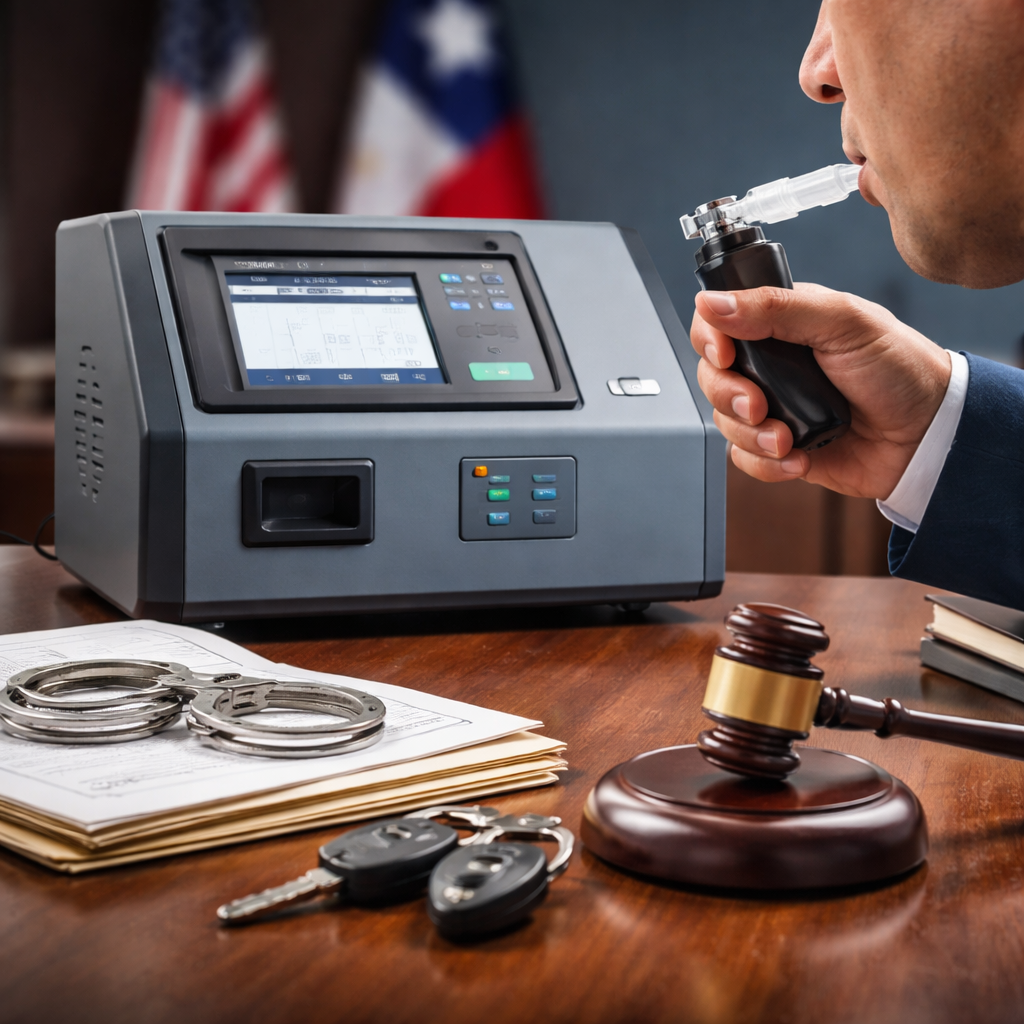

A DWI arrest in Texas is expensive. Most websites mention “up to $10,000 in fines,” but that number barely scratches the surface. The real cost of a Texas DWI often unfolds over three to five years and can exceed $20,000 to $30,000 once court fees, insurance increases, ignition interlock expenses, probation requirements, and lost income are included.
At Deandra Grant Law, we regularly speak with clients who are shocked to learn that the financial consequences last far beyond the courtroom. This guide breaks down every major expense associated with a Texas DWI conviction so you can understand the full financial picture.
The Immediate Costs After a Texas DWI Arrest
1. Bail and Bond Fees
After a DWI arrest in Texas, most people must post bond to be released from jail.
-
Bail amount: $500 to $5,000 for a first offense
-
Bond company fee: Typically 10 to 15 percent of bail
Estimated cost: $500 to $1,500
This is just to secure release. It does not reduce the eventual fines or court penalties.
2. Attorney Fees
Legal representation is one of the largest upfront expenses, but it is also the most important investment.
-
First offense DWI defense: $5,000 to $12,000
-
Felony DWI defense: $10,000 to $25,000 or more
A skilled Texas DWI defense attorney can identify weaknesses in the traffic stop, challenge breath or blood testing procedures, and work to reduce or dismiss charges. The difference between a conviction and a reduced charge can save tens of thousands over time.
Court-Imposed Financial Penalties
3. Fines
Under Texas Penal Code §49.04:
-
First offense DWI: Up to $2,000 fine
-
Second offense: Up to $4,000
-
Third offense (felony): Up to $10,000
These fines are separate from court costs.
4. Court Costs and Administrative Fees
Texas courts assess mandatory costs in nearly every criminal case.
-
Court costs: $300 to $600
-
Jury trial fees if applicable
-
Clerk and filing fees
Estimated total: $500 to $1,500
5. ALR License Suspension and Reinstatement Fees
Texas uses an Administrative License Revocation process. If you fail or refuse a breath or blood test, your license may be suspended.
-
ALR hearing request filing
-
License reinstatement fee: Approximately $125
-
Occupational license filing fees if needed
If you need an occupational license to drive to work, additional legal and filing expenses apply.
Probation and Mandatory Program Costs
Many first-time DWI convictions result in probation rather than jail time. Probation is not free.
6. Monthly Probation Fees
-
$60 to $100 per month
-
Typical probation length: 12 to 24 months
Estimated total: $720 to $2,400
7. DWI Education Classes
Texas courts require DWI offenders to complete education programs.
-
DWI Education Program: $100 to $150
-
DWI Intervention Program for repeat offenses: $150 to $250
Failure to complete these courses can result in license suspension.

Managing Partner
Partner & Criminal Division Chief

Criminal Trial Division
Associate Attorney
Of Counsel
8. Community Service Costs
Community service itself may be unpaid, but missed work hours translate into lost wages.
If you earn $25 per hour and must complete 80 hours of service:
Lost income: $2,000
Ignition Interlock Device Costs
Courts frequently require installation of an ignition interlock device.
9. Installation and Monitoring
-
Installation: $100 to $200
-
Monthly monitoring: $70 to $150
-
Required duration: 6 months to 2 years
For 12 months:
-
Installation: $150
-
Monitoring: $120 per month x 12 = $1,440
Estimated total: $1,500 to $2,000
The Hidden Giant: Insurance Premium Increases
This is where most competitors stop short.
A DWI conviction in Texas can dramatically increase your insurance premiums for three to five years.
10. SR-22 Insurance Requirement
Texas requires high-risk drivers to file an SR-22 certificate.
-
Filing fee: $15 to $50
-
Required duration: Typically 2 years
11. Premium Increases
After a DWI conviction:
-
Insurance rates can increase by $1,000 to $3,000 per year
-
Some carriers cancel policies entirely
If your premium increases by $2,000 per year for five years:
$10,000 total increase
This single factor often exceeds the original fine.
Employment and Income Consequences
A Texas DWI conviction can impact your career.
12. Lost Wages From Court Appearances
Court hearings, probation meetings, and classes require time off work.
If you miss 10 workdays at $250 per day:
$2,500 in lost income
13. Professional License Risk
Certain professionals face disciplinary action:
-
Nurses
-
Teachers
-
Commercial drivers
-
Government employees
A CDL holder may lose driving privileges for one year for a first offense. That can result in substantial income loss.
Related Videos
Biggest Mistakes of a DWI Charge
Choosing a Personal Injury Attorney
A Realistic 5-Year Financial Projection
Let’s combine typical expenses for a first-time Texas DWI conviction:
-
Bail: $1,000
-
Attorney: $8,000
-
Fines and court costs: $2,500
-
Probation fees: $1,200
-
Classes: $150
-
Interlock device: $1,800
-
Insurance increase (5 years): $10,000
-
Lost wages: $2,500
Estimated 5-year total: $27,150
This does not include:
-
Towing and impound fees
-
Alcohol evaluation fees
-
Travel costs
-
Emotional stress
-
Long-term job limitations
For repeat or felony DWI cases, totals can exceed $40,000.
Why Fighting the Charge Can Save Money
Many people plead guilty quickly, thinking it will minimize damage. That decision can be financially devastating.
An experienced Texas criminal defense lawyer may:
-
Challenge the legality of the stop
-
Review field sobriety test administration
-
Examine breath machine calibration records
-
Analyze blood draw procedures
-
Negotiate reduced charges
A reduction to obstruction of a highway or reckless driving can significantly reduce insurance and long-term costs.
Case Results
Long-Term Record Consequences
A DWI conviction remains on your record permanently unless sealed or otherwise addressed through legal mechanisms.
That can impact:
-
Housing applications
-
College admissions
-
Background checks
-
Child custody disputes
The long-term financial and reputational impact often exceeds immediate expenses.
Frequently Asked Questions About Texas DWI Costs
How long do insurance rates stay high after a DWI in Texas?
Most insurers surcharge drivers for three to five years. Some extend high-risk status even longer.
Is jail time required for a first DWI?
Texas law allows jail time up to 180 days for a first offense, though probation is common.
Can a DWI be removed from my record?
Certain cases may qualify for nondisclosure if specific eligibility criteria are met.
The Bottom Line
The true cost of a Texas DWI is rarely just a fine. It is a multi-year financial burden that can affect your income, insurance, and future opportunities. When you add everything together, even a first-time offense can cost more than many people earn in several months.
The smartest financial decision after a DWI arrest is to understand your options immediately.
Speak With a Trusted Texas DWI and Criminal Defense Attorney Today
If you are facing DWI charges, do not wait to seek experienced legal guidance. Deandra Grant Law has decades of experience defending clients across Texas and protecting their rights in and out of court. Contact us today for a free consultation and learn how we can help safeguard your freedom, your record, and your financial future.
Firm Accolades