
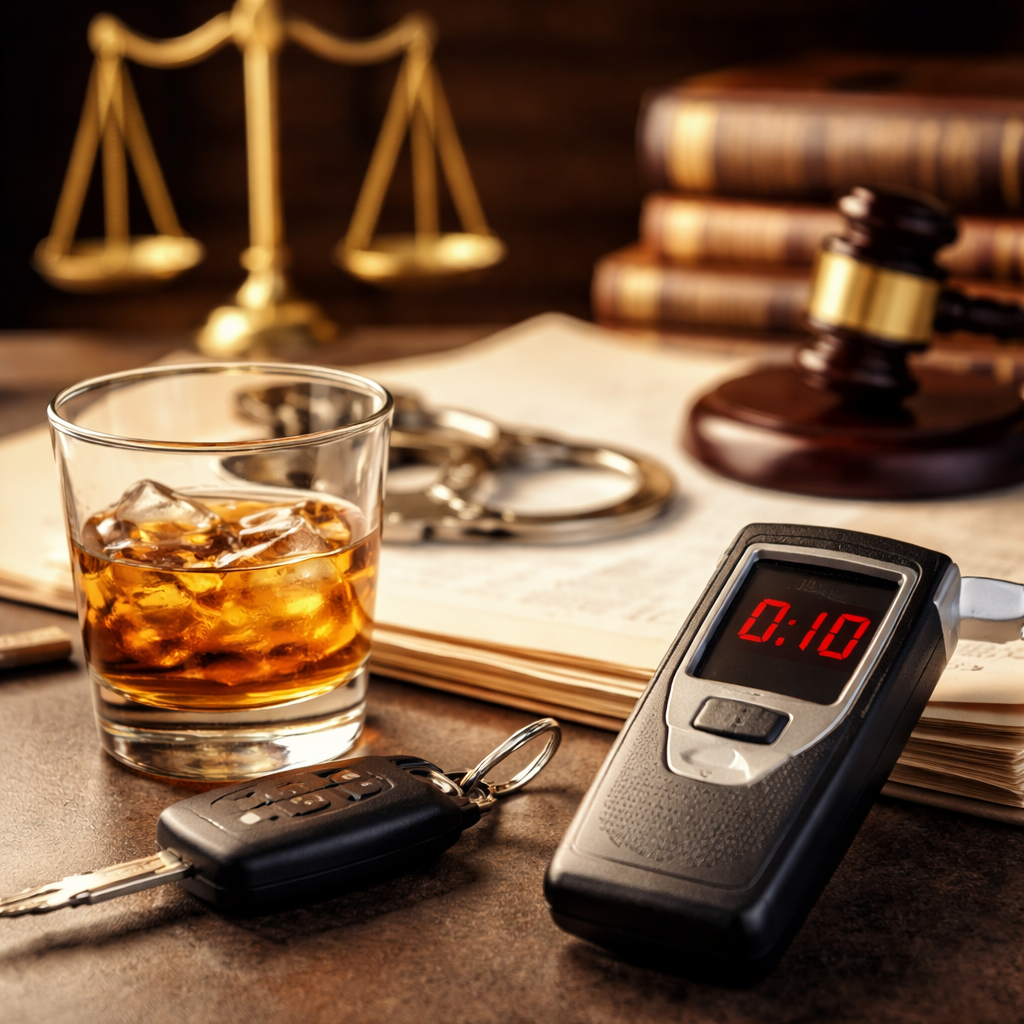
By Deandra Grant, J.D., M.S. (Pharmaceutical Science), ACS-CHAL Forensic Lawyer-Scientist Driving at 11 pm and blood drawn at 12 am with a result of 0.10. On its face, the case looks straightforward. But Texas law does not ask what your BAC was when the test was administered. It asks what your BAC was, and whether […]
Category Archives: DWI Defense
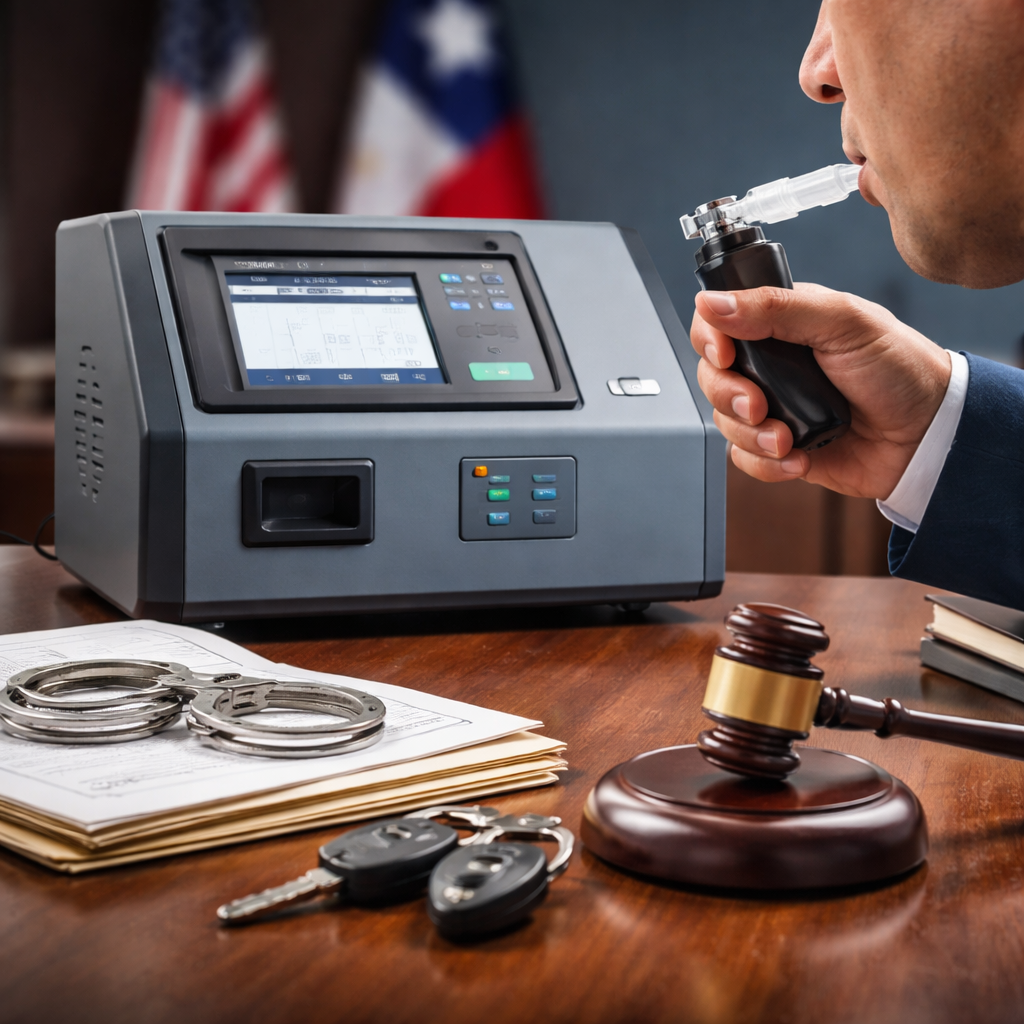
If you were arrested for DWI in Texas, there’s a good chance a breath test result is sitting at the center of the state’s case against you. That number (your alleged BAC) will be presented to a jury as objective science. It isn’t. Breath testing in Texas has real limitations, and those limitations are not […]
By Deandra Grant, J.D., M.S. (Pharmaceutical Science), ACS-CHAL Forensic Lawyer-Scientist A story out of Illinois should be required reading for anyone charged with a drug-related DWI anywhere in the country, including Texas. Illinois’s state forensic science commission has sharply criticized the University of Illinois Chicago for inadequately investigating a now-shuttered toxicology lab whose work contributed […]

By Deandra Grant, J.D., M.S. (Pharmaceutical Science), ACS-CHAL Forensic Lawyer-Scientist You didn’t drive anywhere. You pulled into a parking lot, or you never left the spot where you were parked. The car may have been running. You may have been asleep. But you didn’t drive. Can you still be convicted of DWI in Texas? The […]

Of all the scientific challenges to blood test accuracy in DWI cases, coelution may be the most technically significant and the least understood by defense attorneys. Coelution occurs when two or more chemical compounds exit the gas chromatography column at the same time, causing their detector signals to overlap. When this happens, the instrument cannot […]

The Intoxilyzer 9000 measures the amount of alcohol in a breath sample using infrared spectroscopy. It assumes that all detected alcohol came from deep lung air and represents the defendant’s blood alcohol concentration. But several common medical conditions can introduce substances into the breath that the instrument misidentifies as ethanol — or that elevate the […]

The prosecution’s blood test result in your DWI case is only as reliable as the integrity of the blood sample it was derived from. If the sample was contaminated at any point (during collection, transportation, storage, or analysis) the BAC result does not accurately reflect the alcohol concentration in your bloodstream at the time the […]

Every breath test result presented in a Texas DWI case is based on an assumption that the prosecution never tells the jury about: the partition ratio. This single assumption, built into the hardware and software of the Intoxilyzer 9000, can cause the instrument to overestimate your blood alcohol concentration by 20%, 30%, or more. Understanding […]
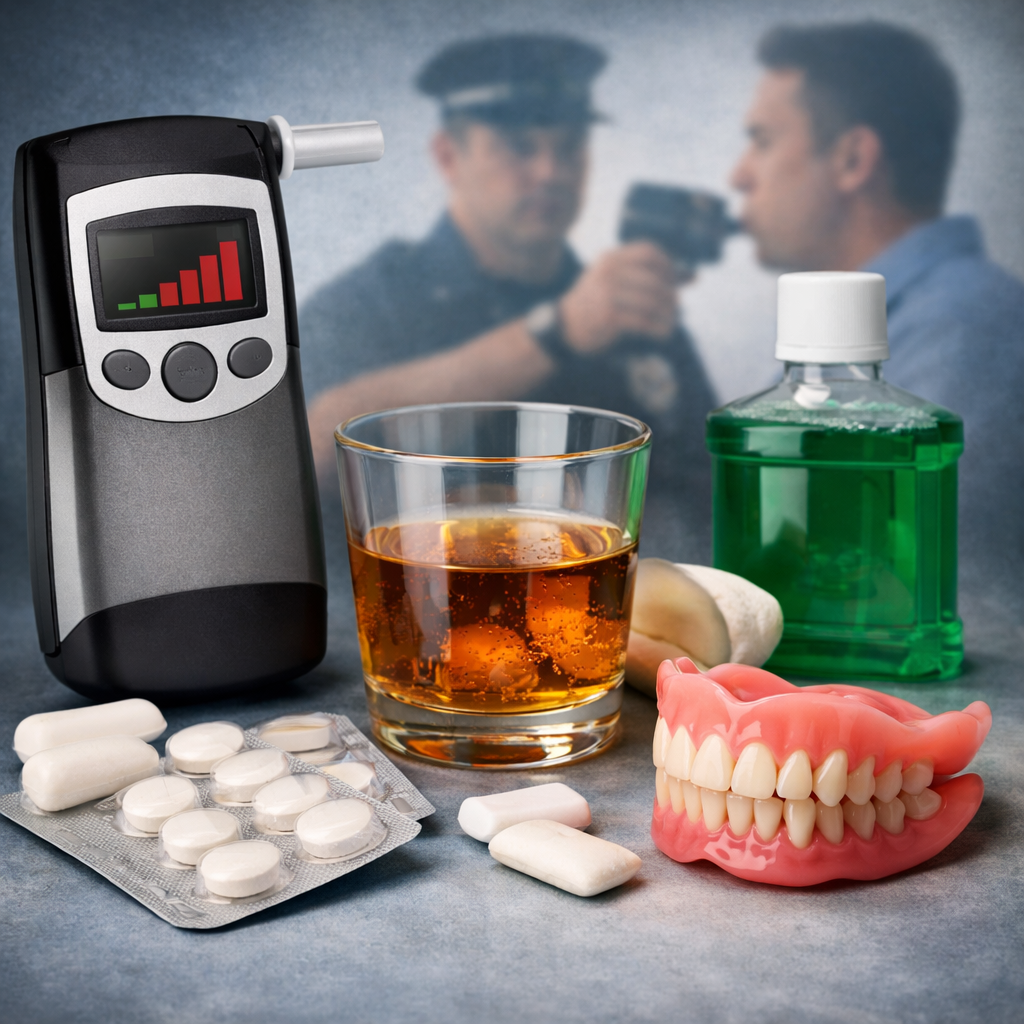
Breath testing instruments like the Intoxilyzer 9000 are designed to measure alcohol in deep lung air which is air from the alveoli of the lungs where gas exchange occurs between the blood and the breath. The instrument assumes that the alcohol it detects came from the lungs and uses that measurement to estimate blood alcohol […]
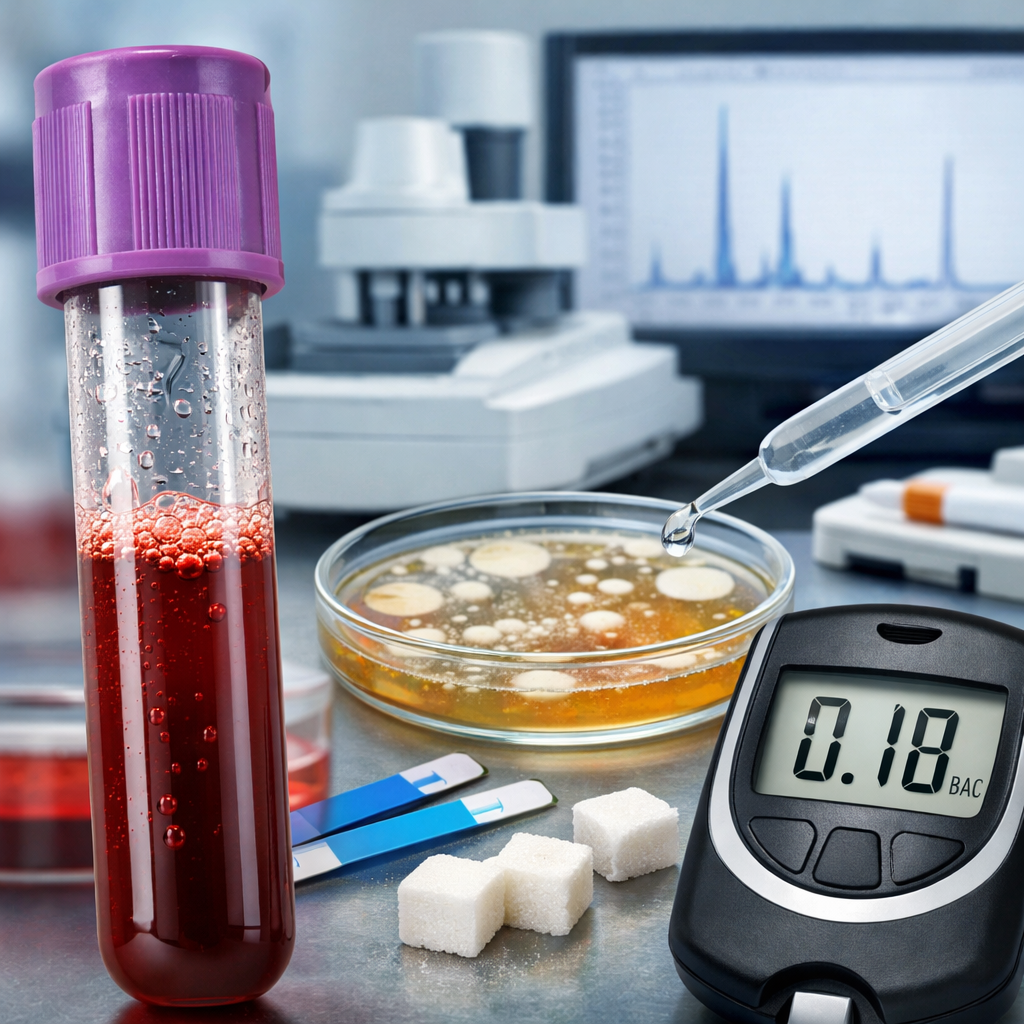
One of the most significant and least understood challenges to blood test accuracy in DWI cases is in vitro fermentation. This is the process by which microorganisms inside the blood collection tube produce alcohol after the blood was drawn, artificially inflating the BAC result. When in vitro fermentation occurs, the laboratory is not measuring the […]