

Overview
A Texas driver under 21 who is arrested for alcohol-related driving actually faces two distinct possible charges: DUI by Minor under the Alcoholic Beverage Code (zero-tolerance; any detectable amount) and DWI under the Penal Code (intoxication standard; same as adult DWI). Which one a case becomes depends on the driver’s age at the time of the offense, the chemical testing results, and the way the state charges the case.
The statutory penalties on a first DUI by Minor look modest compared to an adult DWI. For most Texas families, the fines and community service are not the real problem. The long-term costs (college admissions, financial aid, scholarship eligibility, professional licensing, auto insurance, and in certain cases military enlistment) are what actually matter. Handling the case correctly means understanding which offense is actually charged, how the juvenile-adult line applies, and what expunction or nondisclosure pathway is available at the end.
Deandra Grant Law represents drivers under 21 and their parents in underage DWI cases across the firm’s service area: Dallas, Fort Worth, Denton, Collin County (Allen, Plano, McKinney, Frisco), Waco, and Rockwall. Call (214) 225-7117 to discuss your case.
Two Different Texas Offenses for One Underage Driver
DUI by Minor — Texas Alcoholic Beverage Code § 106.041
The “zero tolerance” offense. A minor (anyone under 21) commits DUI by Minor by operating a motor vehicle in a public place, or a watercraft, with any detectable amount of alcohol in the minor’s system. The state does not have to prove impairment or a 0.08 BAC; it only has to prove that some measurable amount of alcohol was present. This is the offense most first-time underage drivers are charged with.
DWI — Texas Penal Code § 49.04
The adult DWI offense, which applies to drivers of any age. A minor can be charged with DWI when the state can prove intoxication (the loss of normal use of mental or physical faculties by reason of alcohol, drugs, or a combination, or an alcohol concentration of 0.08 or more). A minor charged with DWI faces the same statutory exposure as an adult, beginning at Class B misdemeanor for a first offense.
Can a Minor Be Charged with Both?
Yes. A minor with a BAC above 0.08 or who shows signs of intoxication can be charged with DUI by Minor (for having detectable alcohol) and DWI (for being intoxicated). In practice, the state often elects between the two based on the strength of the evidence, but both charges are legally available.
DUI by Minor Penalties Under TABC § 106.071
First Offense
- Class C misdemeanor.
- Fine up to $500.
- 20 to 40 hours of community service.
- Mandatory attendance at an alcohol awareness course for the minor (and sometimes the parent).
- 60-day driver’s license suspension.
Second Offense
- Class C misdemeanor.
- Fine up to $500.
- 40 to 60 hours of community service.
- 120-day driver’s license suspension.
Third Offense (if the Minor is 17 or Older)
- Class B misdemeanor.
- Fine up to $2,000.
- Up to 180 days in jail.
- 180-day driver’s license suspension.
- No longer eligible for the Class C-level treatment available to first and second offenders.
DWI Penalties for Minors — Same as Adult DWI
When the state charges DWI rather than DUI by Minor, the minor faces the full adult DWI framework under Penal Code § 49.04 and related statutes.
First-Offense DWI
- Class B misdemeanor.
- 72 hours to 180 days in county jail (6-day minimum if an open container was present).
- Fine up to $2,000.
- Driver’s license suspension of 90 days to 1 year under Transportation Code § 521.344.
- Ignition interlock may be required as a condition of bond, particularly for BAC 0.15 or above under Code of Criminal Procedure Article 17.441.
First-Offense DWI with BAC 0.15 or Above
- Class A misdemeanor.
- Up to 1 year in county jail.
- Fine up to $4,000.
- Mandatory ignition interlock under Article 17.441.
Deferred Adjudication for First-Offense DWI
House Bill 3582 (2019) made deferred adjudication available for certain first-offense misdemeanor DWIs under Penal Code § 49.04 with BAC below 0.15%. Deferred adjudication is not available for DWI cases involving a child passenger, prior DWI convictions, or felony DWI offenses. A successfully completed deferred adjudication on a misdemeanor DWI can, in turn, be sealed under a nondisclosure order pursuant to Government Code Chapter 411, Subchapter E-1.
Administrative License Revocation (ALR) for Minors
Separate from the criminal case, an Administrative License Revocation proceeding runs on the driver’s license side:
- Refusal of a breath or blood test by any driver, including a minor, triggers an ALR suspension of 180 days on a first refusal and 2 years on a repeat refusal under Transportation Code § 724.035.
- Failed test (BAC 0.08 or higher, or any detectable alcohol for a driver under 21) triggers an ALR suspension of 90 days on a first failed test and longer on repeats under Transportation Code § 524.022.
- The deadline to request an ALR hearing is 15 days from the date of the notice of suspension. Missing the deadline results in automatic suspension.
- The ALR hearing allows cross-examination of the arresting officer under oath, months before the criminal case is tried — an important discovery tool.
Juvenile Court vs. Adult Criminal Court
Where the case is heard depends on the minor’s age at the time of the offense:
- Under 17 at the time of the offense: juvenile court under Family Code Title 3. The proceeding is a juvenile justice matter rather than a criminal prosecution. Records have different confidentiality protections, and dispositions are designed to be rehabilitative rather than punitive.
- 17 or older at the time of the offense: adult criminal court. DUI by Minor cases proceed in Justice of the Peace Courts and municipal courts. DWI cases proceed in County Courts at Law for misdemeanors and District Courts for felonies.
Texas’ adult-court cutoff of 17 is unusual. Most states treat juveniles as minors until 18. Parents often assume a 17-year-old will be treated as a juvenile; in Texas, a 17-year-old is treated as an adult for criminal purposes.
Expunction and Nondisclosure
TABC § 106.12 Expunction
Texas Alcoholic Beverage Code § 106.12 provides a special expunction for certain alcoholic beverage offenses committed by a minor, including DUI by Minor under § 106.041. Eligibility depends on age, completion of any court-ordered requirements, and the absence of subsequent offenses. The mechanism differs from the general expunction framework under Code of Criminal Procedure Chapter 55A and is often a better fit for DUI by Minor cases.
CCP Chapter 55A Expunction
General expunction under Chapter 55A is available for dismissals, acquittals, and certain deferred adjudications. A minor who successfully completes deferred adjudication on a DWI charge may, after waiting periods, seek either expunction or an order of nondisclosure under Government Code Chapter 411, Subchapter E-1.
Collateral Consequences — Why These Cases Matter Beyond the Penalty
The statutory penalty for a first DUI by Minor is modest compared to adult DWI. For most families, the fine and community service are not the real problem. The long-term consequences are:
- College admissions. Selective universities ask about criminal history, and an unresolved conviction can affect admission. Transfer applications carry the same disclosure obligations.
- Federal financial aid. FAFSA drug-related conviction questions have narrowed in recent years, but certain drug convictions still affect aid. An alcohol-only DUI by Minor typically does not trigger the FAFSA drug bar, but an underage drug DWI can.
- Scholarships and athletics. Many scholarship programs and NCAA participation can be affected by a criminal record.
- Driver’s license. License suspension at 17 to 20 affects school, work, and athletic-team participation in ways that compound the penalty.
- Automobile insurance. Premiums rise significantly, and insurers may refuse to renew.
- Professional licensing pipelines. Nursing, teaching, law, pharmacy, engineering, accounting, and other licensed professions inquire about criminal history at program entry and at licensure. A conviction that seems small at 18 becomes a licensing issue at 22 or 25.
- Military enlistment. Military recruitment requirements for alcohol-related driving offenses are discretionary and depend on branch and rating.
- Immigration. Non-citizen minors face potential immigration consequences from drug-related DWIs in particular.
Defense Strategies for Underage DWI Cases
Fourth Amendment and Probable Cause
Traffic stops, field sobriety testing, arrests, and blood warrants are all subject to constitutional review. Suppression motions under Texas’ exclusionary rule (Code of Criminal Procedure Article 38.23) frequently determine the outcome of an underage case.
Forensic Challenges
Ethanol analysis in Texas is performed by headspace gas chromatography with flame ionization detection (GC-FID). Attack points include sample collection, preservative balance, chain of custody, calibration, column chemistry, and measurement uncertainty.
Field Sobriety Testing
Deandra Grant is a Standardized Field Sobriety Test (SFST) instructor. She teaches the same curriculum administered to law enforcement officers, which allows identification of administration errors that can invalidate HGN, Walk-and-Turn, and One-Leg Stand results.
Pretrial Diversion and Deferred Adjudication
For qualifying first-time cases, pretrial diversion programs offered by various Texas counties, and deferred adjudication under CCP Article 42A, can produce resolutions that preserve a clean record and protect future opportunities.
What Parents Should Know
A few points for parents who are often the ones making decisions about representation:
- The minor is the client. The minor has the attorney-client privilege with retained counsel. Parents are welcome at consultations and are typically the ones paying for representation, but the minor is the decision-maker in the attorney-client relationship.
- School disclosure. Many Texas school district codes of conduct address student criminal matters in some circumstances, particularly where the conduct affects the student’s status or the school environment. College and graduate school applications carry separate disclosure obligations that continue long after the case ends.
- The ALR clock runs from the notice of suspension, not from the arrest. Acting within 15 days is critical.
- A DUI by Minor that looks minor at 18 is still visible at 24 unless it is expunged. Pursuing available expunction or nondisclosure relief at the appropriate time is part of the overall defense strategy.
- The CCP Article 17.441 mandatory interlock applies to minors charged with DWI BAC 0.15+ as it applies to adults.
Where Underage DWI Cases Are Heard Across Texas
Jurisdiction varies by offense type and county. Across the firm’s service area:
- DUI by Minor cases: Justice of the Peace Courts and municipal courts in the municipality where the alleged offense occurred.
- DWI misdemeanor cases (17-year-old and older defendants): County Courts at Law or County Criminal Courts in Dallas, Tarrant, Denton, Collin, McLennan (Waco), and Rockwall Counties.
- Felony DWI cases (rare for underage defendants, but possible with BAC 0.15+, child passenger, repeat offenses, or enhanced charges): District Courts in each of those counties.
- Juvenile cases (defendants under 17): juvenile courts in each county.
Frequently Asked Questions
My child had one beer. Can they really be charged with DUI?
Yes. Texas’ zero tolerance rule under TABC § 106.041 makes it an offense for a driver under 21 to operate a motor vehicle with any detectable amount of alcohol. One beer is not a defense to a DUI by Minor charge.
Is DUI by Minor the same as DWI?
No. DUI by Minor under TABC § 106.041 is a Class C misdemeanor for the first offense, requires only any detectable amount of alcohol, and does not require proof of impairment. DWI under Penal Code § 49.04 is at minimum a Class B misdemeanor, requires proof of intoxication, and applies to drivers of any age.
Can my 17-year-old be tried as an adult for DWI?
Yes. In Texas, a 17-year-old is treated as an adult for criminal court purposes, including DWI. A 17-year-old with a BAC of 0.08 or higher can be charged with DWI under § 49.04 and faces the same statutory exposure as an adult — including first-offense Class B misdemeanor or Class A misdemeanor with BAC 0.15+.
Will this affect college admissions?
Potentially. Selective universities ask about criminal history on their applications, and an unresolved conviction can affect admission decisions. Early defense involvement (particularly on expunction and nondisclosure planning) helps minimize long-term disclosure obligations.
Can a DUI by Minor be expunged?
Often, yes. TABC § 106.12 provides a specific expunction mechanism for certain minor alcoholic beverage offenses, including DUI by Minor. Eligibility depends on completion of court-ordered requirements and the absence of subsequent offenses. The timing and procedural steps matter; the expunction is not automatic.
Contact Our Texas Underage DWI Attorneys
A DUI by Minor or DWI arrest for a driver under 21 is not just a citation. It can affect college, financial aid, driving privileges, insurance, professional licensing and, in some cases, military and immigration status. Handling it correctly means understanding which offense is actually charged, how the juvenile-adult line applies, and what expunction or nondisclosure pathway is available at the end.
Call Deandra Grant Law at (214) 225-7117 to schedule a consultation. We serve clients across Texas from our offices in Dallas, Fort Worth, Allen, Denton, Waco, and Rockwall.
Attorneys Who Handle This Charge
Meet the attorneys who will personally handle your underage DWI defense.

Douglas E. Huff
Read Attorney Profile
Jada Fairley
Read Attorney Profile
Jason Bowes
Read Attorney Profile
Kevin Sheneberger
Read Attorney ProfileOffices Handling These Cases
Find the Deandra Grant Law office nearest you for underage DWI defense across Texas.

Allen
1333 W. McDermott Drive, Suite 180, Allen, TX 75013 Visit This Office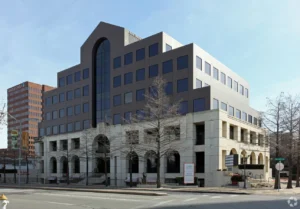
Dallas (HQ)
3300 Oak Lawn Avenue, Suite 700, Dallas, TX 75219 Visit This Office
Denton
1317 E. McKinney Street, Suite 101A, Denton, TX 76209 Visit This Office
Fort Worth
4500 Airport Freeway, Suite 101, Fort Worth, TX 76117 Visit This Office

Waco
605 Austin Avenue, Suite 5, Waco, TX 76701 Visit This OfficeCourthouses We Appear In
Courthouses where our attorneys represent clients facing this charge across Texas.
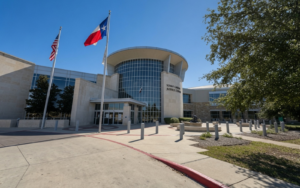
Bell County Courts
Everything you need to know about criminal court in Bell County, Texas: where cases are heard at the…
View Courthouse Info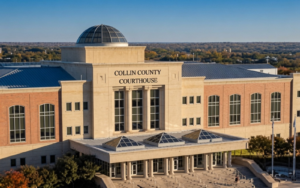
Collin County Courts
Everything you need to know about criminal court in Collin County, Texas: where cases are heard at the…
View Courthouse Info
Cooke County Courts
Everything you need to know about criminal court in Cooke County, Texas: where cases are heard in Gainesville,…
View Courthouse Info
Coryell County Courts
Everything you need to know about criminal court in Coryell County, Texas: where cases are heard in Gatesville,…
View Courthouse Info
Dallas County Courts
Everything you need to know about criminal court in Dallas County, Texas: where cases are heard at the…
View Courthouse Info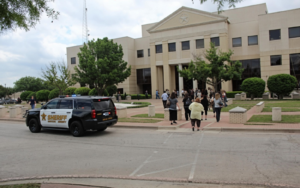
Denton County Courts
Everything you need to know about criminal court in Denton County, Texas: where cases are heard at the…
View Courthouse Info
Ellis County Courts
Everything you need to know about criminal court in Ellis County, Texas: where cases are heard at the…
View Courthouse Info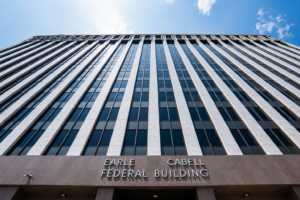
Federal Courts
Deandra Grant Law defends federal criminal cases across all four federal districts in Texas, the District of Columbia,…
View Courthouse Info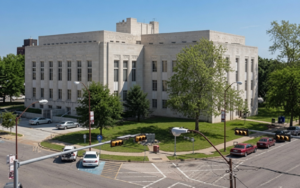
Grayson County Courts
Everything you need to know about criminal court in Grayson County, Texas: where cases are heard in Sherman,…
View Courthouse Info
Johnson County Courthouse
Everything you need to know about criminal court in Johnson County, Texas: where cases are heard at the…
View Courthouse Info
Kaufman County Courts
Everything you need to know about criminal court in Kaufman County, Texas: where cases are heard at the…
View Courthouse Info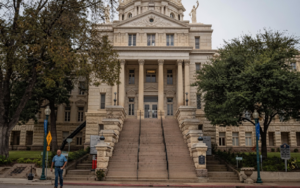
McLennan County Courts
Everything you need to know about criminal court in McLennan County, Texas: where cases are heard at the…
View Courthouse Info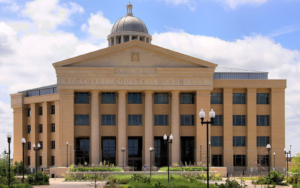
Rockwall County Courts
Everything you need to know about criminal court in Rockwall County, Texas: where cases are heard at the…
View Courthouse Info
Tarrant County Courts
Everything you need to know about criminal court in Tarrant County, Texas: where cases are heard at the…
View Courthouse InfoBooks & Guides
Free books and guides on underage DWI, explaining your rights and options.
The Texas DWI Manual
Get the Book
Surviving Your DWI in McLennan County
Get the Book
Surviving Your DWI in Bell County
Get the Book
Surviving Your DWI in Hays County
Get the Book
Surviving Your DWI in Tarrant County
Get the Book
Surviving Your DWI in Travis County
Get the Book
Surviving Your DWI in Kaufman County
Get the Book
Surviving Your DWI in Rockwall County
Get the Book
Surviving Your DWI in Ellis County
Get the Book
Surviving Your DWI in Grayson County
Get the Book
Surviving Your DWI in Cooke County
Get the Book
Surviving Your DWI in Collin County
Get the Book
Surviving Your DWI in Denton County
Get the Book
Surviving Your DWI in Dallas County
Get the BookVideos
Watch our attorneys explain underage DWI and how we defend these cases.

How Does a Minor’s DWI Differ from an Adult DWI in Texas? | Call Deandra Grant for Help
Watch the Video
Underage DWI Arrest in Texas? What You Need to Know | Contact Deandra Grant for Legal Help!
Watch the Video