
Overview
Federal child sexual exploitation and CSAM cases are prosecuted with a level of intensity that few other federal offenses receive. They are driven by sophisticated digital investigations involving the FBI, Homeland Security Investigations, the Internet Crimes Against Children Task Force, and the National Center for Missing and Exploited Children. The penalties are severe: mandatory minimum sentences of 5 to 15 years for first offenses, up to 30 years for production offenses, and lifetime sex offender registration under SORNA.
These cases are built almost entirely on digital forensic evidence. Defending against them requires both a federal trial attorney who understands the federal system inside and out, and a defense team that can evaluate technical evidence at a scientific level. At Deandra Grant Law, that combination is unique in North Texas: Attorney James Lee Brightleads our federal defense practice with more than 25 years of experience in federal courts across all four Texas districts and the District of Columbia. PartnerDouglas Huff holds ACS-CHAL Forensic Lawyer-Scientist credentials and is trained in digital forensics. When the government’s case is built on device examinations, IP attribution, peer-to-peer network logs, and hash value matching, our ability to evaluate that evidence forensically rather than just legally is a significant and rare defense advantage.
Federal Statutes and Mandatory Minimums
- 18 U.S.C. §2251— Sexual Exploitation of Children (Production). Mandatory minimum 15 years; maximum 30 years. Second offense: 25 to 50 years.
- 18 U.S.C. §2252— Receipt, Distribution, or Possession of CSAM. Receipt or distribution: mandatory minimum 5 years, maximum 20 years. Possession: no mandatory minimum for a first offense, maximum 10 years.
- 18 U.S.C. §2252A— Child Pornography. Parallel statute with same penalty ranges as §2252.
- 18 U.S.C. §2422(b)— Online Enticement. Using the internet to entice a minor. Mandatory minimum 10 years, maximum life.
- 18 U.S.C. §1591— Sex Trafficking of Children. Mandatory minimum 15 years if victim under 14; 10 years if under 18. Maximum: life.
The distinction between possessionandreceipt or distribution is one of the most consequential charging decisions in CSAM cases. Possession carries no mandatory minimum for a first offense. Receipt and distribution carry a five-year mandatory minimum. Because peer-to-peer file sharing protocols make downloaded files simultaneously available for upload, the government routinely charges receipt or distribution (not mere possession) for conduct that the defendant may have understood as simple downloading. Challenging this characterization can be the single most important issue in the case.
How Federal CSAM Investigations Work
- NCMEC CyberTiplineReports. Electronic service providers are required by federal law to report detected CSAM. Reports include flagged content, account information, IP addresses, and timestamps. These tips initiate the majority of ICAC and HSI investigations in the Northern District of Texas.
- Peer-to-Peer (P2P) Investigations. Federal agents monitor P2P networks for known CSAM files using hash value matching, then trace IP addresses to physical locations through ISP subpoenas. The investigation moves from hash to IP to subscriber to physical premises to device examination.
- Undercover Operations. Agents pose as minors or CSAM traders in online forums and messaging platforms. These operations are the foundation of most §2422(b) enticement prosecutions and raise specific entrapment issues.
- Referrals from State Investigations. State agencies refer cases to federal prosecutors when federal charges carry mandatory minimums that state courts cannot impose.
Challenging the Government’s Digital Evidence
IP Address Attribution
An IP address identifies a network connection (a router) not a specific person or device. In households, apartment buildings, businesses, and any setting with a shared network, the same IP address may connect to dozens of devices used by multiple people. The government’s inference that a specific IP address belongs to a specific defendant requires additional evidence, and that inference is a point of genuine vulnerability in many CSAM cases.
We challenge IP attribution by examining how many devices were on the network, whether the network was password-protected or open, whether neighboring devices could have accessed the connection, whether the ISP records accurately match the IP to the correct subscriber at the precise time in question, and whether the IP address was dynamically assigned and potentially reassigned during the relevant period.
Device Forensic Imaging and Analysis
The integrity of the forensic examination of a seized device depends on whether proper protocols were followed at every step. The defense needs to evaluate: whether proper write-blocking was used during imaging to prevent alteration of the original drive; whether the forensic software produced a verified copy with confirmed hash values; whether chain of custody was maintained from seizure through examination; and whether the examiner used validated tools and accepted methodologies consistent with SWGDE and other applicable standards.
Hash Value Matching
Federal P2P investigations identify CSAM through hash value matching (comparing mathematical fingerprints of suspected files against a database of known CSAM). We examine whether the hash algorithm used is reliable for the file sizes and types at issue, whether hash collisions have been accounted for, whether the government’s database was properly validated, and critically, whether matched files were actively accessible to the user or existed only in unallocated space, browser cache, or system directories where they were placed by automated processes without any user interaction.
File Ownership and User Attribution
The presence of a file on a device does not prove that the device’s owner placed it there, knew it was there, or intentionally viewed it. We examine whether files were actively downloaded through deliberate user action or arrived through automatic processes such as browser caching, malware, or peer-to-peer software operating in the background; whether user account evidence connects the specific defendant rather than other users of the same device; whether malware or remote access tools were present that could account for unauthorized file placement; and whether timestamps and access logs indicate actual user interaction with the files.
Metadata and Timeline Analysis
We evaluate system clock accuracy and time zone conversions, assess whether metadata was altered by the forensic imaging process itself, and determine whether the government’s timeline of events is internally consistent and consistent with other evidence in the case.
The Entrapment Defense in Undercover Operations
A substantial proportion of §2422(b) enticement prosecutions arise from undercover law enforcement operations in which agents create profiles, initiate or respond to communications, and arrest defendants who agree to meet or take other steps in response. The entrapment defense requires demonstrating that the government induced the defendant to commit an offense they were not predisposed to commit before the government’s contact.
Evaluating the entrapment defense requires a detailed review of the content and sequence of all communications: who initiated contact, who raised the subject of sexual conduct, how persistent the government’s agent was, and what the defendant’s responses revealed about their state of mind before any inducement. Where the government’s conduct went beyond providing an opportunity and actively pushed a reluctant defendant toward the offense, the entrapment defense is viable.
Fourth Amendment: Search and Seizure
Federal CSAM investigations frequently involve warrant applications based on CyberTipline reports, ISP subscriber records obtained through administrative subpoenas, and in some cases warrantless access to account information. Following Carpenter v. United States (2018), the scope of the warrant requirement for digital records continues to develop. Lee evaluates every search and seizure in a CSAM case for suppression potential: the adequacy of the warrant affidavit, whether the affidavit contained false or misleading statements under Franks v. Delaware, whether the scope of the search exceeded the warrant’s authorization, and whether any evidence was obtained through unlawful warrantless means.
Federal Sentencing in CSAM and Exploitation Cases
The Sentencing Guidelines ranges in CSAM cases are widely recognized (by federal judges, the U.S. Sentencing Commission, and the defense bar) as frequently producing sentences substantially higher than individual circumstances warrant. The Commission’s own research and a significant body of judicial commentary have identified the Chapter 2G enhancements as mechanically driven and often disproportionate.
The specific offense characteristics in Chapter 2G add enhancements for the age of the youngest victim, the number of images (with specific thresholds at 10, 150, 300, 600, and 1,000 images), whether a computer was used, whether material was distributed, and prior sexual offense history. Each enhancement is subject to challenge: whether the images are properly counted under the guidelines definition, whether the distribution enhancement applies to automated P2P sharing, and whether prior conduct qualifies as a prior sexual offense are all litigated issues.
Comprehensive sentencing mitigation (clinical assessment, biographical narrative, treatment history, psychological evaluation, and a sentencing memorandum that presents the human being behind the charges with specificity) is the primary tool available to persuade a federal judge to sentence below the guidelines range.
Lead Attorney: James Lee Bright
James Lee Bright has spent more than 25 years defending clients against the most serious federal charges in courts across Texas and the country.
- Juris Doctor, University of Tennessee College of Law (1996)
- LL.M. in International Law, SMU Dedman School of Law (2003) — Phi Delta Phi honor fraternity
- Admitted to all four U.S. District Courts in Texas (Northern, Eastern, Southern, and Western Districts)
- Admitted to the U.S. District Court for the District of Columbia
- Admitted to the U.S. Court of Appeals for the Fifth Circuit
- Admitted to the United States Supreme Court
- Lead defense counsel in the Stewart Rhodes/Oath Keepers seditious conspiracy trial which was a three-month federal trial in Washington, D.C., among the most significant federal conspiracy prosecutions in recent history
- President, Dallas Criminal Defense Lawyers Association (2010–2011)
- Super Lawyers® (2021–2024)
- D Magazine Best Lawyers — multiple appearances
Facing Federal CSAM or Exploitation Charges? Contact Us Immediately.
Contact Deandra Grant Law for a free, confidential consultation with Attorney James Lee Bright. We serve clients in the Northern, Eastern, Southern, and Western Districts of Texas, the District of Columbia, and the Fifth Circuit Court of Appeals.
Call (214) 949-4295 or schedule an appointment online.
Attorneys Who Handle This Charge
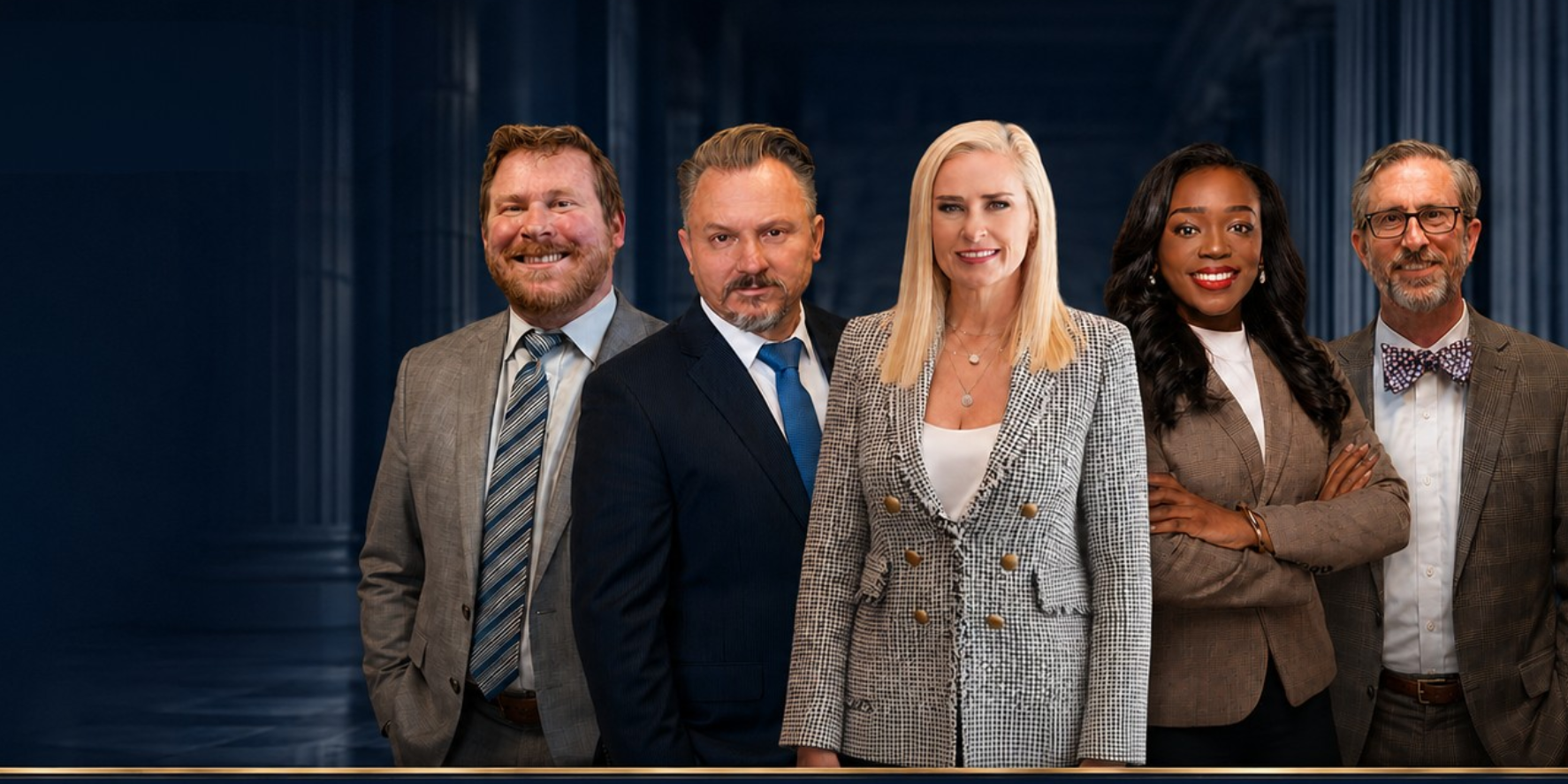
Meet the attorneys who will personally handle your CSAM defense.


Offices Handling These Cases
Find the Deandra Grant Law office nearest you for CSAM defense across Texas.
Allen
1333 W. McDermott Drive, Suite 180, Allen, TX 75013 Visit This Office
Dallas (HQ)
3300 Oak Lawn Avenue, Suite 700, Dallas, TX 75219 Visit This Office
Denton
1317 E. McKinney Street, Suite 101A, Denton, TX 76209 Visit This Office
Fort Worth
4500 Airport Freeway, Suite 101, Fort Worth, TX 76117 Visit This Office

Waco
605 Austin Avenue, Suite 5, Waco, TX 76701 Visit This OfficeCourthouses We Appear In
Courthouses where our attorneys represent clients facing this charge across Texas.
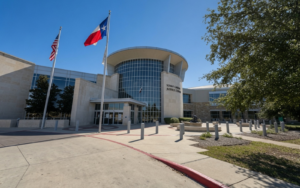
Bell County Courts
Everything you need to know about criminal court in Bell County, Texas: where cases are heard at the…
View Courthouse Info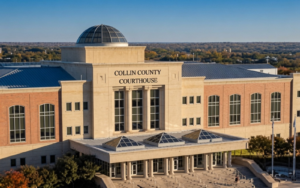
Collin County Courts
Everything you need to know about criminal court in Collin County, Texas: where cases are heard at the…
View Courthouse Info
Cooke County Courts
Everything you need to know about criminal court in Cooke County, Texas: where cases are heard in Gainesville,…
View Courthouse Info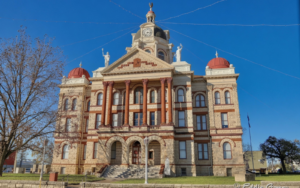
Coryell County Courts
Everything you need to know about criminal court in Coryell County, Texas: where cases are heard in Gatesville,…
View Courthouse Info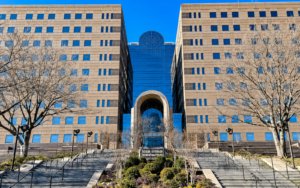
Dallas County Courts
Everything you need to know about criminal court in Dallas County, Texas: where cases are heard at the…
View Courthouse Info
Denton County Courts
Everything you need to know about criminal court in Denton County, Texas: where cases are heard at the…
View Courthouse Info
Ellis County Courts
Everything you need to know about criminal court in Ellis County, Texas: where cases are heard at the…
View Courthouse Info
Federal Courts
Deandra Grant Law defends federal criminal cases across all four federal districts in Texas, the District of Columbia,…
View Courthouse Info
Grayson County Courts
Everything you need to know about criminal court in Grayson County, Texas: where cases are heard in Sherman,…
View Courthouse Info
Johnson County Courthouse
Everything you need to know about criminal court in Johnson County, Texas: where cases are heard at the…
View Courthouse Info
Kaufman County Courts
Everything you need to know about criminal court in Kaufman County, Texas: where cases are heard at the…
View Courthouse Info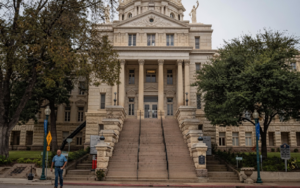
McLennan County Courts
Everything you need to know about criminal court in McLennan County, Texas: where cases are heard at the…
View Courthouse Info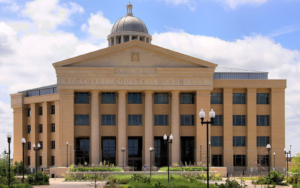
Rockwall County Courts
Everything you need to know about criminal court in Rockwall County, Texas: where cases are heard at the…
View Courthouse Info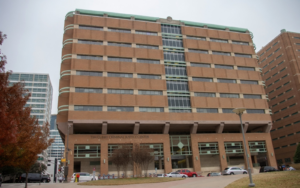
Tarrant County Courts
Everything you need to know about criminal court in Tarrant County, Texas: where cases are heard at the…
View Courthouse InfoVideos
Watch our attorneys explain CSAM and how we defend these cases.